
Mvelase Mdluli, Inguni Livestock Solutions Managing Director.
BY SIBUSISIWE NDZIMANDZE | JOURNALIST
MANZINI – Goat farming in Eswatini is no longer just about keeping animals in the kraal for ceremonies, emergency sales or household use. With continued reliance on livestock imports, and increasing interest from retailers and formal buyers, farmers are being challenged to treat goats as a business value chain.
According to Inguni Livestock Solutions Managing Director Mvelase Mdluli, many farmers still enter goat production without the knowledge required to turn it into a profitable enterprise.
“Farmers must understand that goat farming is a business value chain, not just keeping animals at home,” he said.
Mdluli said goats remain an important part of consumption in Eswatini, especially during traditional ceremonies, family events and informal meat markets.
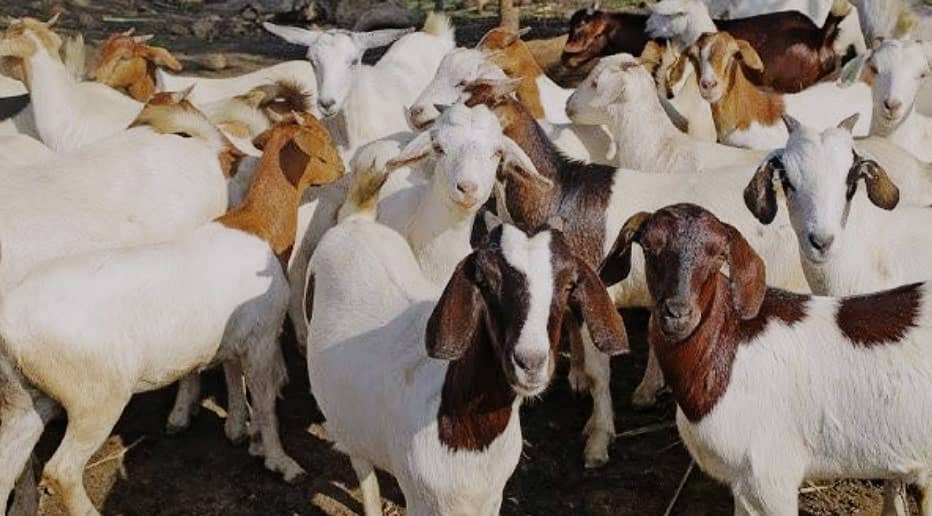
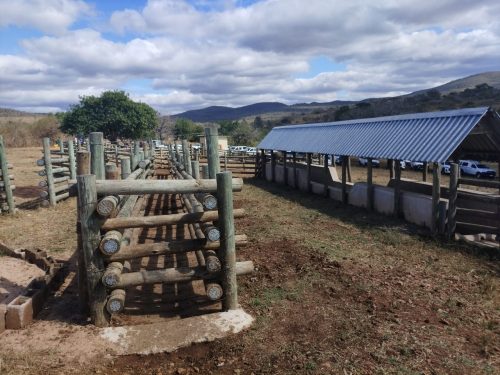
The Nguni breed the organisation is farming for hands-on practical training.
However, he noted that the sector has not yet reached its full commercial potential because many farmers are not producing consistently or in sufficient numbers to supply formal markets.
Eswatini’s growing demand for goat meat, combined with continued meat imports, presents an opportunity for organised farmers to supply households, ceremonies, butcheries, retailers and other formal buyers. Sector plans show that the country aims to reduce beef and goat meat imports by 6%, from 1,328 tonnes to 1,249 tonnes, while increasing meat consumption from 15kg to 25kg per person per year.
He said this is a missed opportunity, particularly because demand for goat meat continues to exist locally while the country still depends on imports for some livestock and meat products.
“The market is there, but buyers want consistency. Retailers want farmers who can supply specific numbers regularly, not only one or two goats when there is a need,” he said.
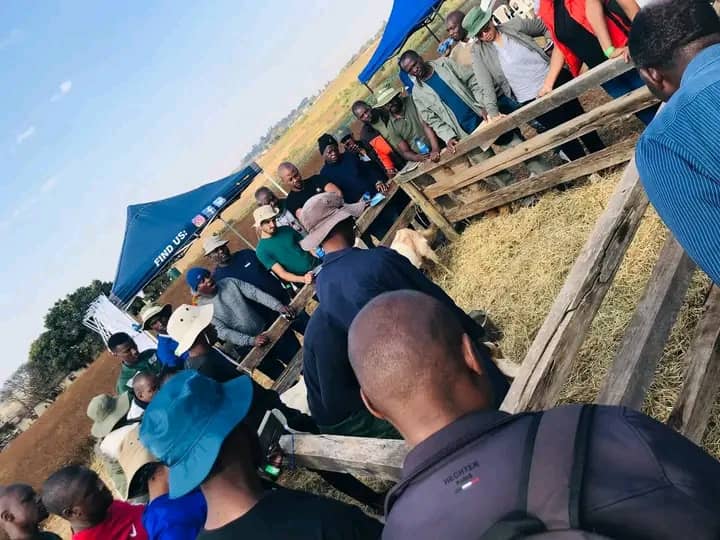
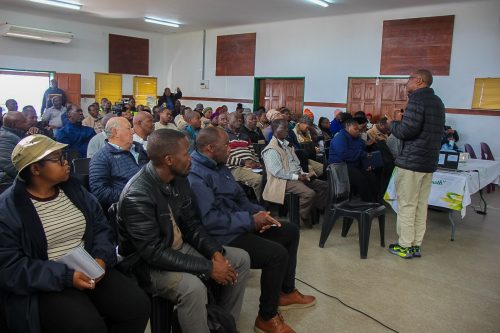
Farmers receiving practical hands-on livestock training from industry experts.
Established in 2024, Inguni Livestock Solutions was formed to close this knowledge gap by training emerging and existing farmers on goat production, management and market readiness.
Mdluli said many farmers make the mistake of buying goats first before understanding feeding, animal health, breeding, production planning and marketing.He said successful goat farming starts with knowledge.
Farmers must understand the full value chain, including breed selection, feeding, disease control, deworming, hoof trimming, handling, slaughter preparation, meat processing, packaging and selling.
One of the biggest challenges facing goat farmers, he said, is poor feeding and nutrition. Poor feeding affects growth, fertility, immunity and market readiness, which directly reduces productivity and profit.
To address this, Inguni Livestock Solutions trains farmers on how to reduce feeding costs through fodder crops, while also integrating crop production for feed and extra income.
The organisation also trains farmers on Nguni and Boer goats, common goat diseases, practical animal handling, marketing and value addition.
Under proper feeding and management, Mdluli said goats can be ready for market within about six months.It also operates its own practical goat farming project.
Mdluli said Inguni Livestock Solutions initially had 35 Nguni goats, but now has 10 left after selling part of its stock. He said the project helps provide hands-on learning experience during training sessions while also demonstrating practical management techniques to farmers.
He added that training does not end in the classroom.
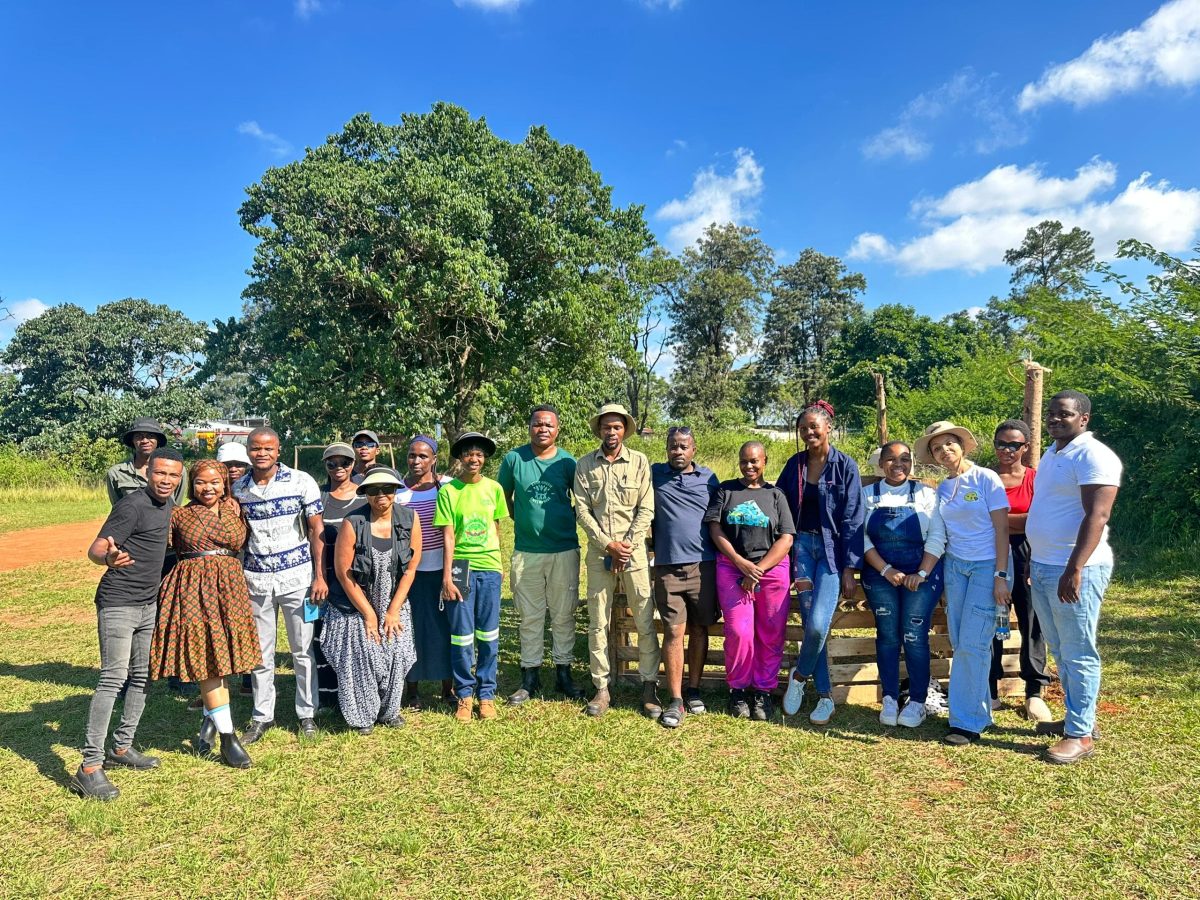
A group photo of some farmers who attended the last goat production training.
After completing the programme, farmers receive certificates and are added to a farmer support group where they continue receiving guidance and consultation.
Inguni Livestock Solutions has already trained more than 70 farmers, with experts including facilitators from UNESWA Luyengo Campus supporting the sessions.
The organisation will host an Integrated Goat and Crop Production Training on 13 June at Swazi National High School, starting at 9:00 AM.
Farmers will learn how to improve goat production and management, reduce feeding costs using fodder crops, identify and treat common goat diseases, practise deworming, hoof trimming and handling, grow crops for feed and extra income, market and sell goats for profit, and understand value addition through goat meat and packaging.
Participants will receive practical hands-on training, business and marketing knowledge, a certificate of attendance, access to a farmer support group, and lunch.
The training fee is E400 per person, with student and group discounts available.
For bookings and enquiries, farmers can contact +268 7685 9109.Mdluli said farmers who want to benefit from goat production must stop treating goats as animals kept only for occasional sales and start managing them as part of a planned business.
“Goat farming can be profitable, but farmers must treat it as a business. Knowledge is what turns animals into income,” he said.