
BY: PHESHEYA KUNENE | EDITOR
NSALITJE – A single night of hail has erased months of labour, leaving 34 farmers counting losses and confronting a harsher climate reality.
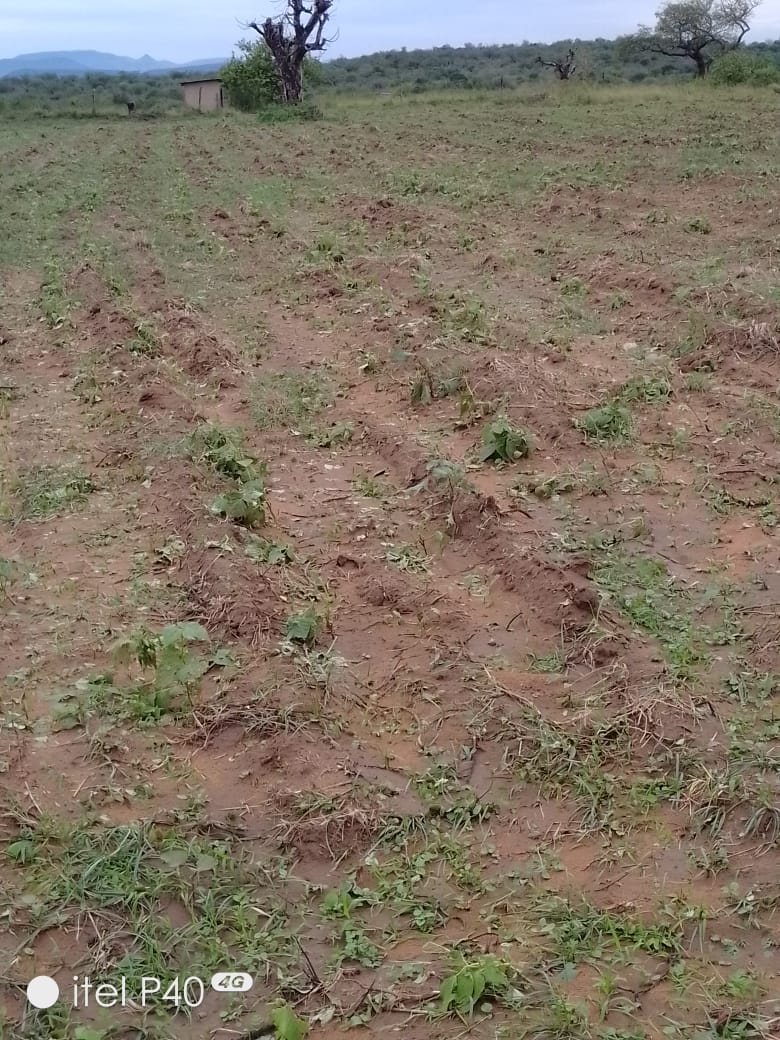
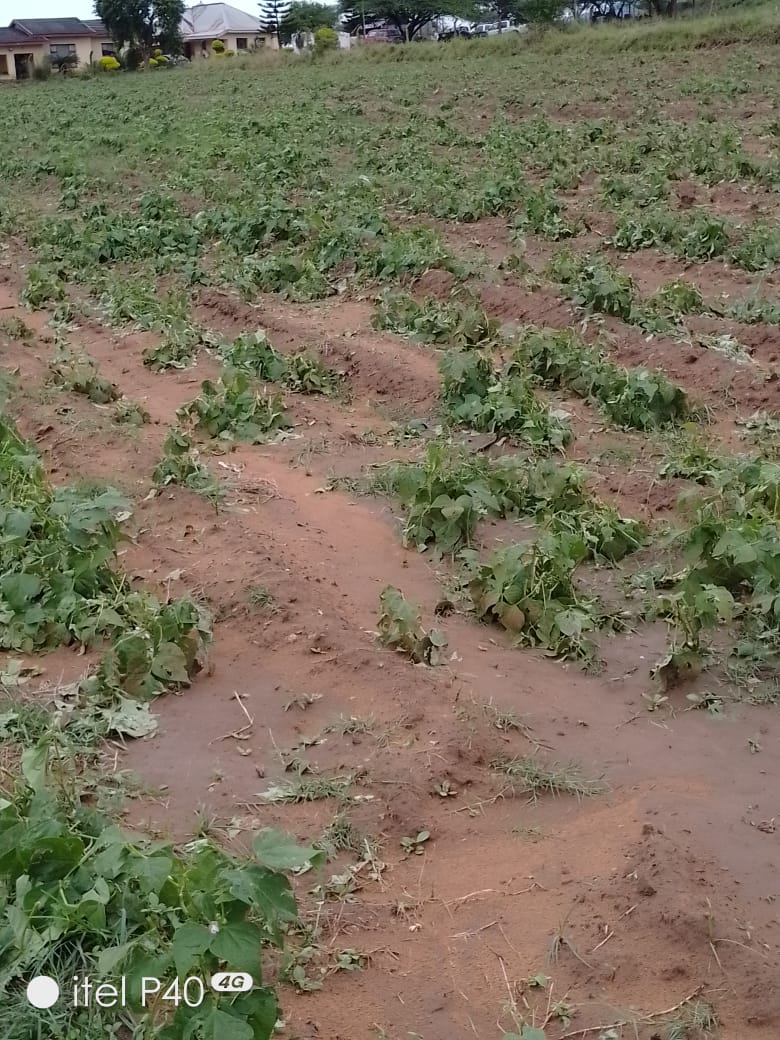
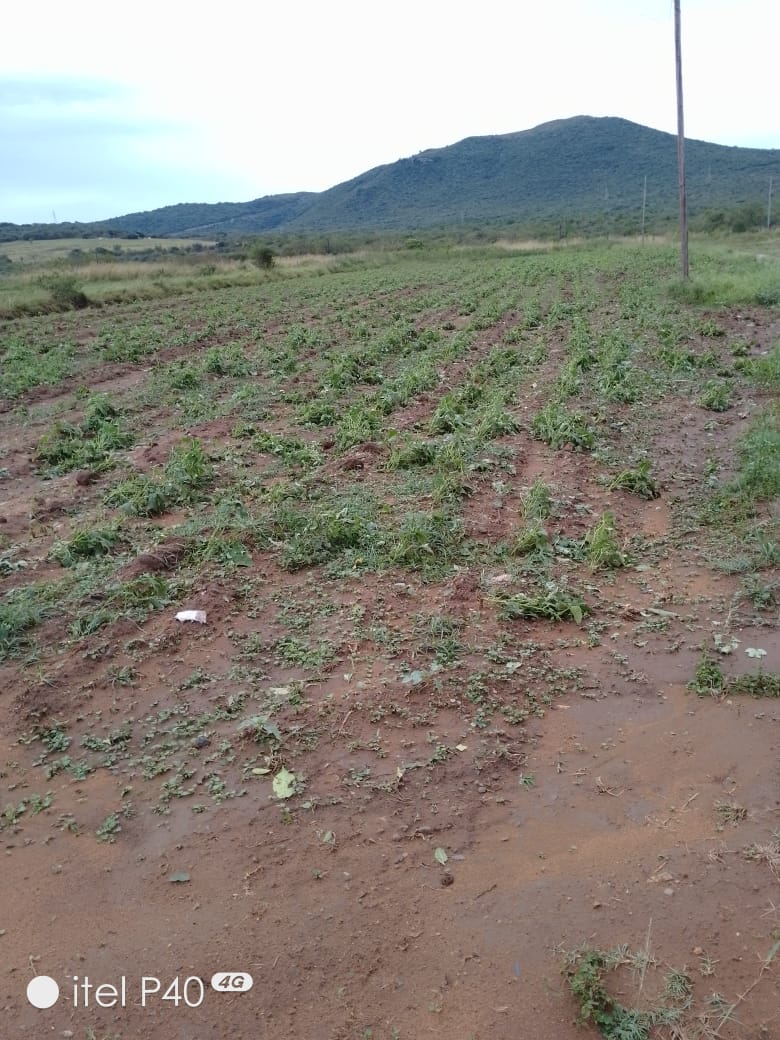
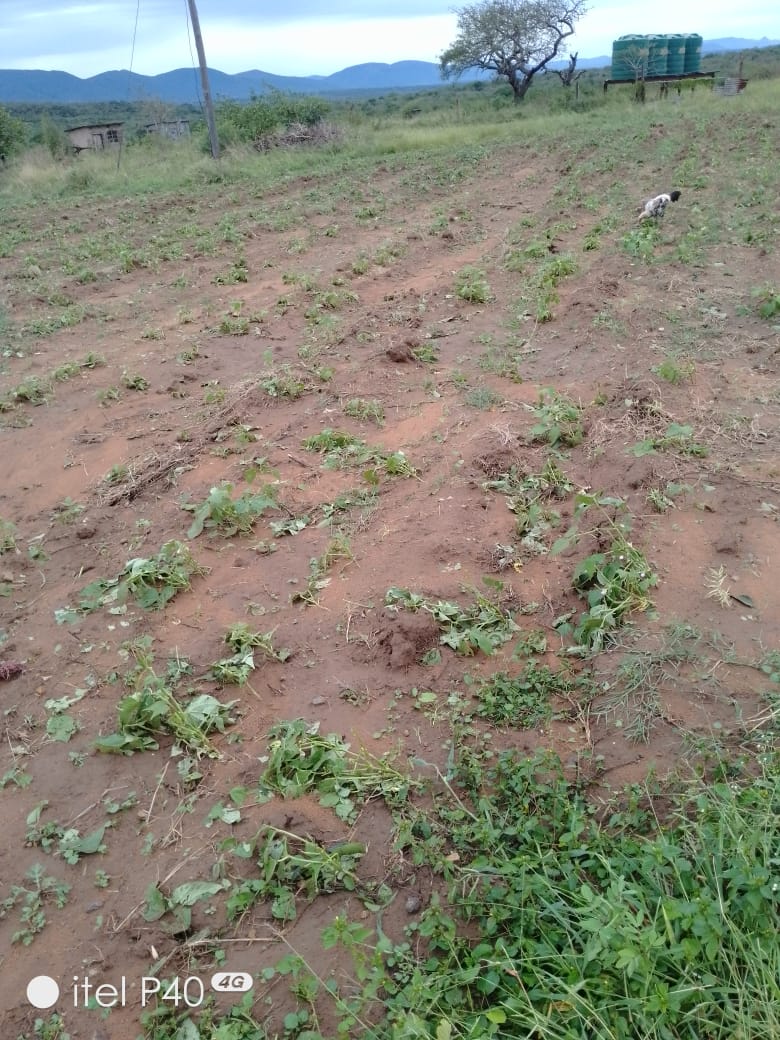
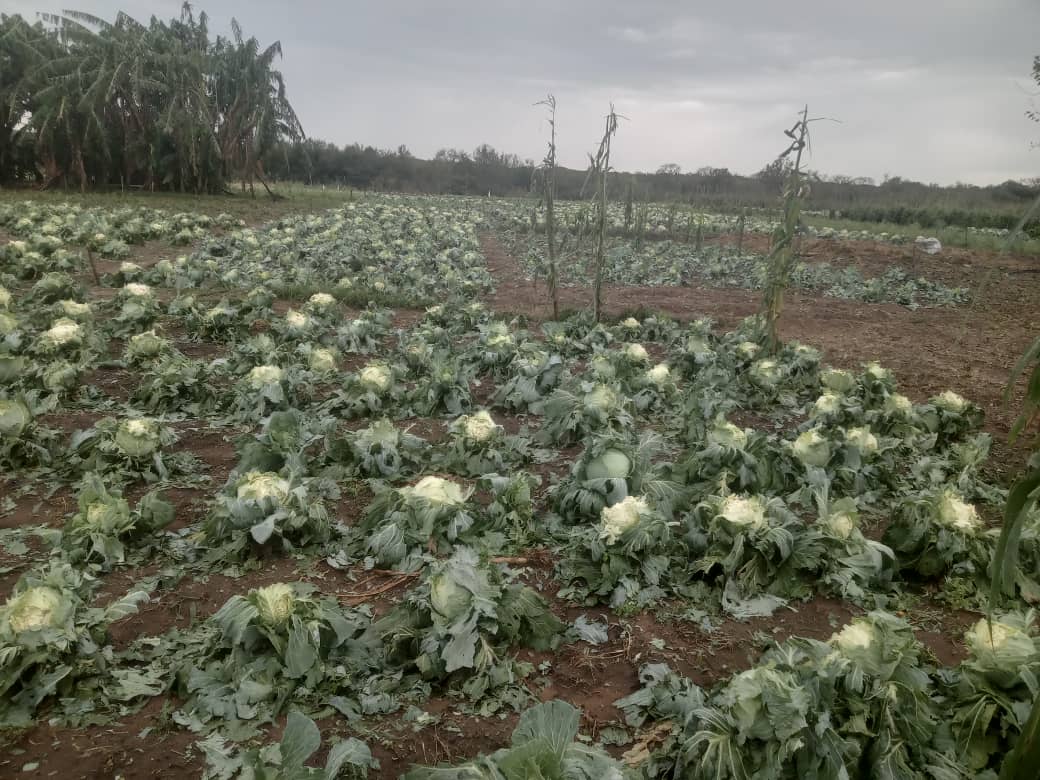
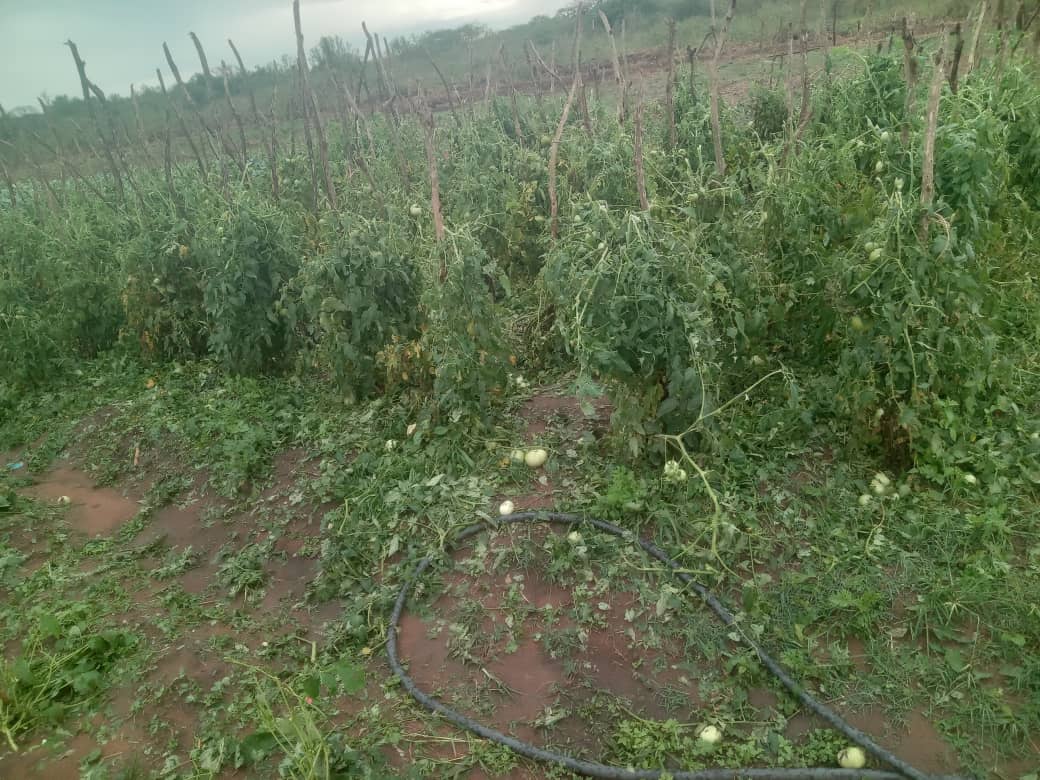
A violent storm that struck Shiselweni on Tuesday, May 5, flattened a 3.5-hectare farm operated by the multi-purpose cooperative, Size Siphumelele Garden, in Nsalitje. In a matter of minutes, 10 200 cabbages were destroyed, along with 68 plots of tomatoes, 34 plots of onions, and 30 plots of green pepper, crops that were on the brink of harvest. The damage is estimated at E230 000.
For the farmers, the timing was devastating. Nesta Gamedze, an elderly member of the cooperative, said the storm had wiped out their primary source of income at the worst possible moment.
“We are shattered and cannot believe what has happened. The cabbages were almost ready for the market, we were preparing for harvesting, then everything was destroyed,” she said.
“This farm feeds our families. It is our only hope. Now we are left with nothing and we are asking for help from the nation,” she added.
Her account captures a broader vulnerability. Smallholder farmers, who operate on thin margins and depend on seasonal cycles, remain highly exposed to weather shocks. A single extreme event can wipe out both income and food supply.
Community leadership echoed the concern. Nsalitje Bucopho Steve Mthombo described the farm as a pillar of local development, warning that the losses extend beyond crops.
“This is a huge setback. The farm has been a success story for this community. It has been providing fresh produce, creating jobs, and improving livelihoods,” said Mthombo.
“These farmers have depended on this land for many years. When something like this happens, it affects entire families and the wider community,” he added.
At a national level, the incident forms part of a widening pattern. The National Disaster Risk Management Authority reported that the same storm system affected at least 57 households across Shiselweni, Manzini, and Hhohho, impacting an estimated 285 people. Beyond agriculture, homes, schools, and small businesses were damaged, exposing the systemic reach of such events.
Communications Manager Magman Mahlalela said the scale of destruction underscores the growing intensity of weather-related risks.
“More than 12 hectares of crops have been destroyed, undermining food security and household incomes. The damage to homes, infrastructure, and livelihoods is significant,” he said.
“Our priority is to ensure immediate support while coordinating broader recovery efforts,” Mahlalela added.
Emergency interventions are underway, including the distribution of tarpaulins and food assistance, but the longer-term challenge is structural. Climate variability is increasingly disrupting agricultural production cycles in Eswatini, where rain-fed and small-scale irrigation systems dominate.
Data from previous seasons suggests that extreme weather events are becoming more frequent and more costly. In recent years, droughts linked to El Niño conditions have reduced national maize output, while storms and floods have repeatedly damaged crops and infrastructure.
According to regional climate assessments, Southern Africa is experiencing rising temperature variability and erratic rainfall patterns, increasing the likelihood of both droughts and intense storms within the same agricultural cycle.
For smallholder systems, this volatility translates into unstable yields and income insecurity. Input costs are sunk early in the season, while returns are realised only at harvest, making farmers particularly vulnerable to late-stage shocks such as hailstorms.
Gamedze said the latest incident had exposed the fragility of their progress.
“We had worked hard this season. Everything was looking promising. Now we have to start again, but we do not know how,” she said.
Mthombo warned that without targeted support, recovery would be slow.
“These farmers will need assistance to replant and rebuild. Without that, the impact will carry into the next season,” he said.
Analytically, the destruction at Size Siphumelele Garden highlights a deeper policy question: how to insulate smallholder agriculture from climate risk. While cooperative models improve scale and efficiency, they do not eliminate exposure to extreme weather. Risk mitigation tools such as crop insurance, climate-resilient infrastructure, and early warning systems remain limited in reach.
As weather shocks intensify, the cost of inaction rises. For the farmers of Nsalitje, the loss is immediate and personal. For the agricultural sector, it is another signal that climate volatility is no longer a distant threat, but a present and growing constraint on productivity, livelihoods, and food security.