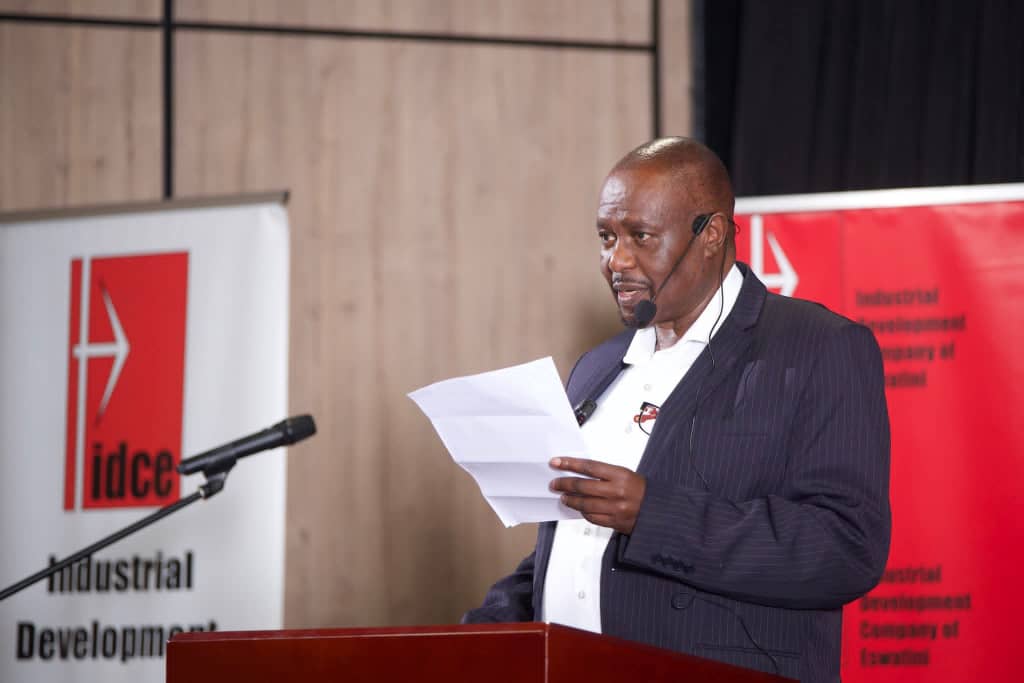
Industrial Development Company of Eswatini (IDCE) Chief Executive Officer Fairlie Mabuza delivering his opening remarks.
BY SIBUSISIWE NDZIMANDZE | JOURNALIST
EZULWINI– Farmers considering solar energy installations have been warned that a poorly planned system can cost more than it saves, with experts outlining exactly what every farmer needs to know before spending a single lilangeni.
The advice came at the Industrial Development Company of Eswatini (IDCE) Solar Indaba, held at Happy Valley Hotel in Ezulwini today, where specialists from the Eswatini Energy Regulatory Authority (ESERA), the Eswatini Electricity Company (EEC), Tambankulu Estates and Dalcrue Agricultural Holdings shared practical guidance drawn from real experience in the field.
The message was direct: do not buy solar because it sounds good. Buy it because the numbers, the design and the law make sense.
Start with your electricity bill
Before any farmer considers installing solar, experts say the first step is understanding the current electricity bill. ESERA Regulation Engineer Ncamiso Nkambule said many farmers make the mistake of jumping into solar without first knowing how much energy they actually use, when they use it and where it is being wasted.
“Solar works, but you must understand the dynamics of it, understand your bill and avoid emotional decisions,” Nkambule said.
He advised farmers to study their monthly bills carefully, identify peak usage periods, cut wastage where possible and only then assess whether solar makes financial sense for their specific operation.
With Eswatini importing approximately 70 percent of its electricity, Nkambule said renewable energy is important for the country’s future. But he stressed that national energy pressures should not push individual farmers into poorly informed decisions.
What the law requires
Farmers planning larger solar installations must be aware of their legal obligations. Nkambule explained that any system generating above 100kW requires a licence under the Electricity Act of 2007.
To apply, farmers must pay an E10,000 application fee and submit environmental approvals, proof of property ownership, technical assessments, system sizing details and on-site infrastructure information. The licence must be renewed every two years.
Farmers who skip this step risk having their systems disconnected, EEC Research and Renewables Engineer Nosipho Simelane warned.
“An authorised embedded generator helps minimise risks, gives customers an opportunity to export surplus energy to the grid and avoids disconnection when a system is found to be unregistered,” Simelane said.
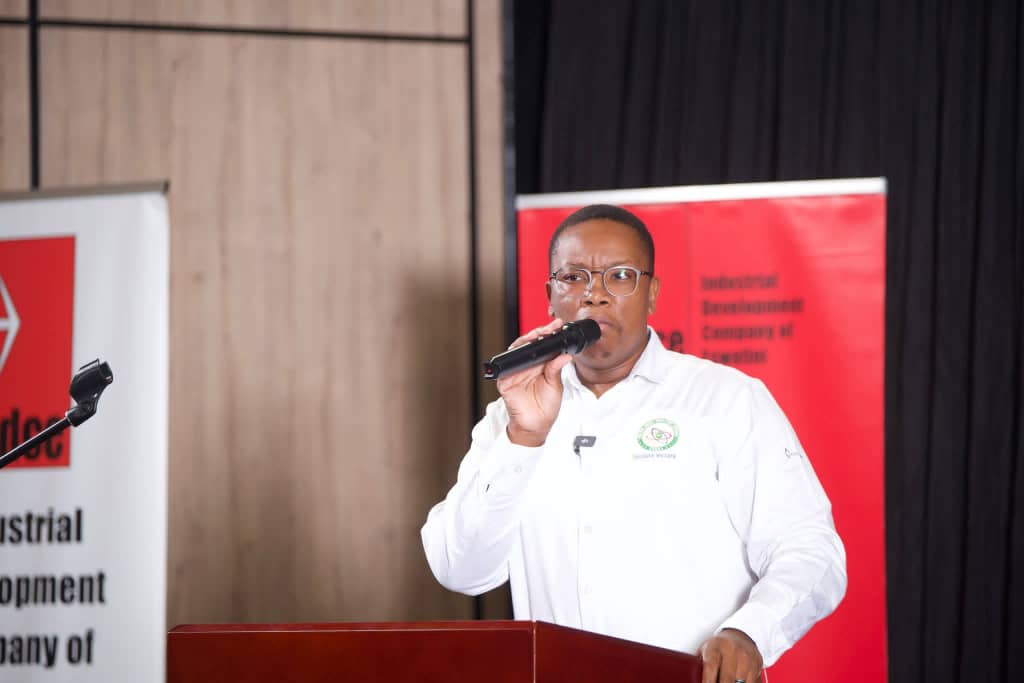
Eswatini Energy Regulatory Authority (ESERA), Regulation Engineer Ncamiso Nkambule addressing participants on embedded generation by-laws, licensing, technical assessments.
Do not expect cash from surplus power
A common misconception among farmers is that exporting excess electricity back to EEC results in a cash payment. Nkambule clarified that this is not how net billing works.
Under the current arrangement, surplus electricity exported to EEC is credited against the farmer’s future power consumption, reducing the amount owed on subsequent bills. It is a saving, not an income stream.
Treat solar like any other business investment
Sibusiso Mahlalela of Dalcrue Agricultural Holdings, whose company runs solar PV systems across three active sites covering maize, sugarcane and a rice mill, said the farmers who get solar wrong are usually those who treat it as a quick fix rather than a capital investment.
“Before installing solar, a farmer needs to look at the demand, calculate the Net Present Value, do background checks, do homework and use available experts such as ESERA and EEC,” Mahlalela said.
Malangeni Dlamini of Tambankulu Estates agreed, warning that farmers who cannot clearly define what they want solar to achieve are not ready to install it.
“Know what you want to achieve before installing solar,” Dlamini said.
He said lasting results depend on proper procurement, qualified technical teams, rigorous commissioning and continuous performance monitoring long after the panels go up.
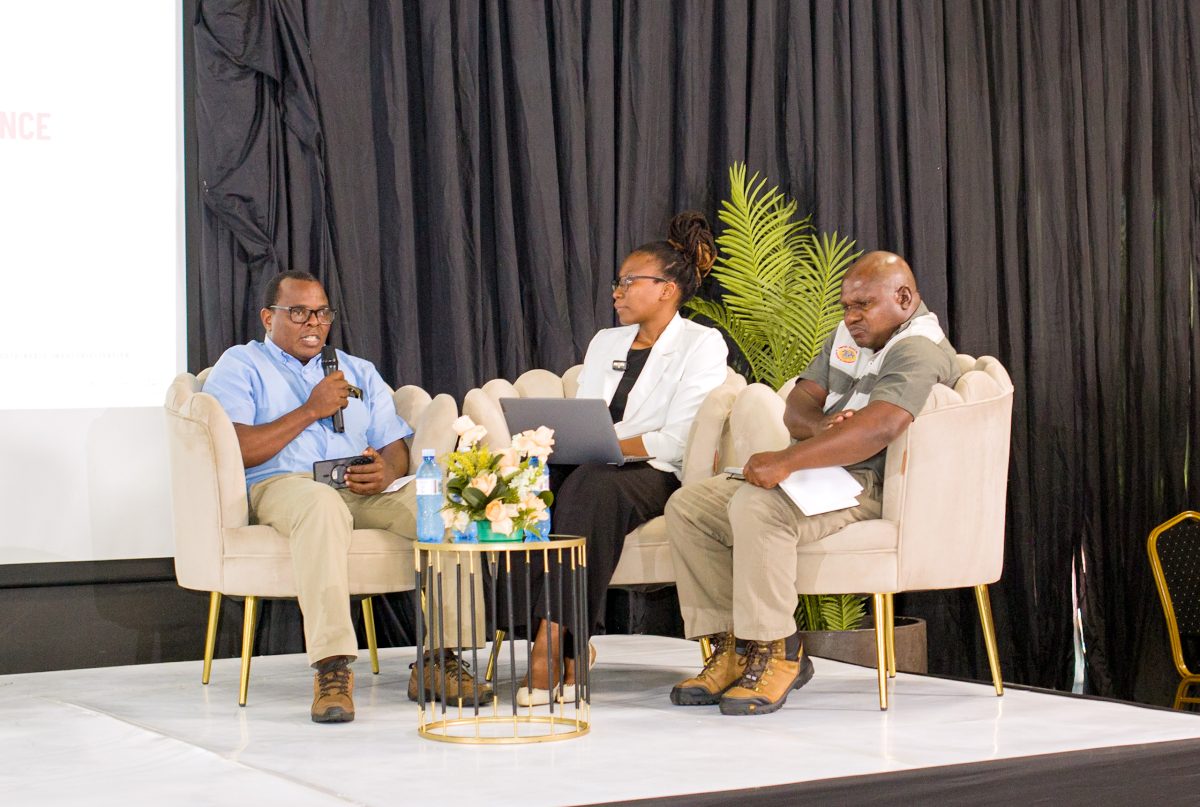
(L-R) Sibusiso Mahlalela representing Dalcrue Agricultural Holdings, Programme Director from IDCE, and Malangeni Dlamini representing Tabankulu Estates discussing how solar energy came at their rescue.
A checklist before you commit
IDCE Chief Executive Officer Fairlie Mabuza said the institution has seen too many projects fail to deliver because farmers received poor information at the start.
“We don’t just provide capital. We invest in your success,” Mabuza said.
Based on the guidance shared at the Indaba, farmers considering solar should work through the following before signing any contract or approaching a bank:
Understand your current electricity bill and consumption patterns. Identify and reduce energy wastage. Assess whether your demand justifies a solar investment. Calculate the Net Present Value of the project. Consult ESERA and EEC for regulatory guidance. Commission an independent energy assessment. Confirm that the system is correctly sized for your operation. Verify that all licensing requirements are met. Ensure continuous monitoring is built into the project plan.

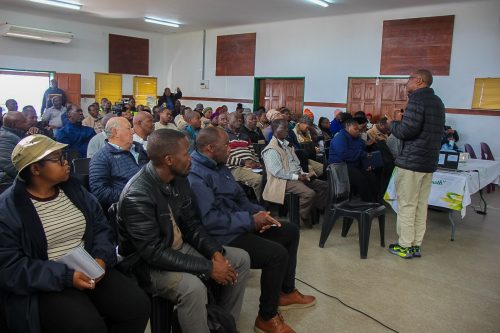
Participants listening attentively on proceedings.
The wider picture
Solar adoption is growing rapidly across the region. South Africa has become one of Africa’s leading solar markets and Morocco’s Noor Ouarzazate Solar Complex has set a benchmark for large-scale renewable energy development on the continent.
For Eswatini farmers, the opportunity is real, solar can reduce electricity bills, support irrigation, improve energy security and strengthen farm resilience. But experts are unanimous: the technology only delivers when the project behind it is properly planned, legally compliant, correctly sized and financially sound.
Through the Solar Indaba, IDCE positioned itself not only as a financier but as a growth partner committed to helping farmers and businesses build sustainable and bankable energy projects for Eswatini’s greener future.