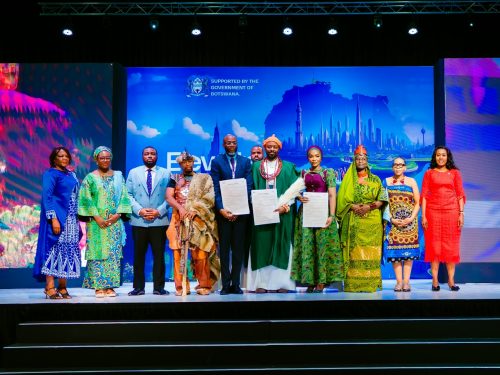

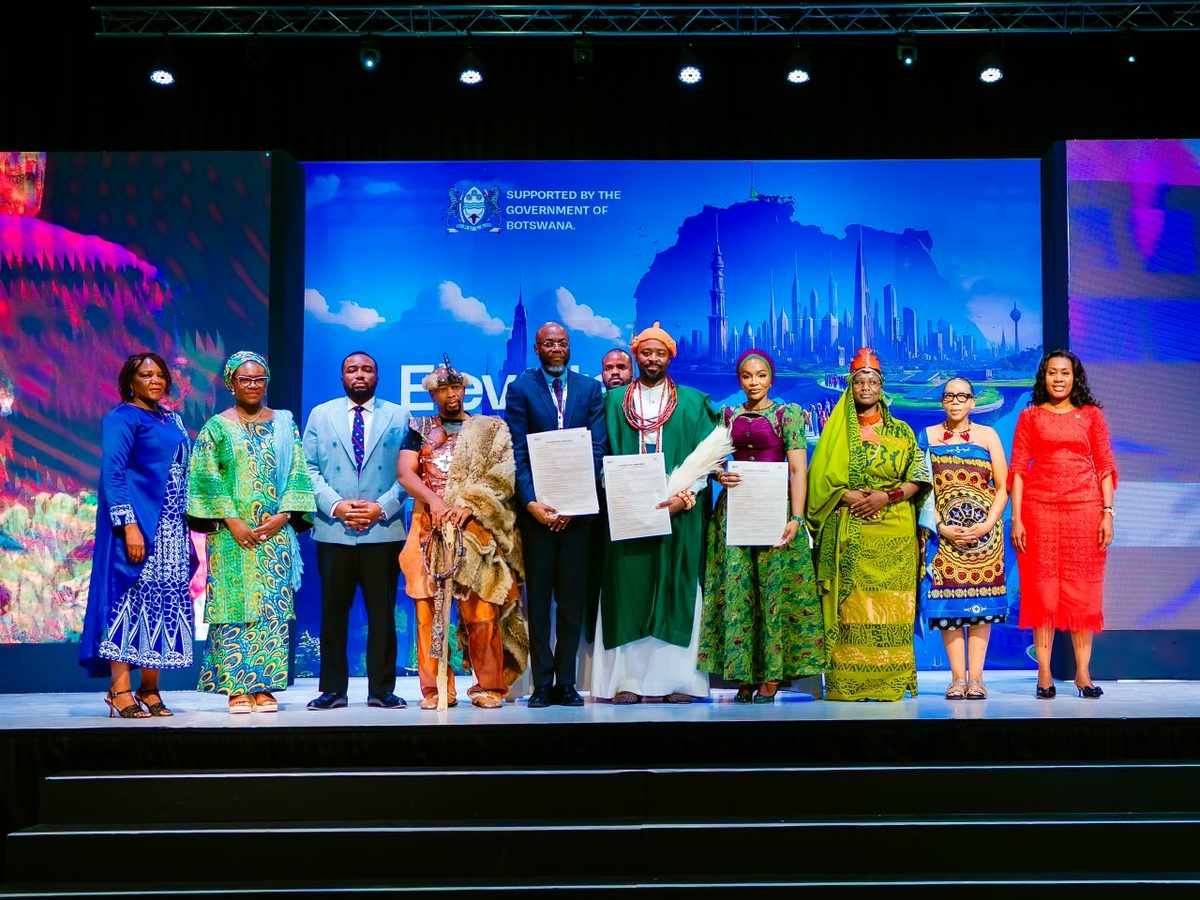
African leaders, policymakers, investors, creatives and members of the diaspora will gather in Accra next month as Elevate Africa convenes its 2026 gathering under the theme “Africa: Defining Her Future.”
BY: NOSIPHO MKHIZE | JOURNALIST
ACCRA — Africa’s long-running ambition of trading more with itself is entering a more practical phase, with leaders, investors and policymakers expected to meet in Ghana next month to discuss how the African Continental Free Trade Area (AfCFTA) can move from agreements on paper to functioning markets, production networks and investment opportunities.
The 2026 Elevate Africa Convening will take place from 28–29 October 2026 at the Movenpick Ambassador Hotel in Accra under the theme “Africa: Defining Her Future.”
The gathering comes at a critical point for African producers and businesses as governments increasingly focus on strengthening regional production systems rather than simply increasing cross-border trade.
For Africa’s agriculture and agribusiness sector, that wider debate matters.
Farmers and agro-processors operate within the same trade environment shaped by border procedures, transport systems, finance, digital infrastructure, regional standards and access to larger markets. A stronger continental trading system could therefore create wider opportunities for African producers to sell, process and distribute products beyond their domestic markets.
According to the Elevate Africa press release, intra-African trade exceeded US$220 billion in 2024, while the AfCFTA Secretariat has announced a US$5.17 billion Digital Trade Corridor aimed at strengthening digital infrastructure for commerce across the continent.
Discussions in Accra will focus particularly on how Africa can develop stronger regional value chains and retain more of the value created from its resources, production and markets within the continent.
That question is particularly relevant to African agriculture, where the bigger opportunity is not only producing more raw commodities, but building stronger industries around processing, packaging, logistics, manufacturing and regional distribution.
The Convening will bring together Heads of State, ministers, traditional leaders, policymakers, investors, youth leaders, creatives, civil society organisations and members of the African diaspora.
Its programme will focus on four main areas: Trade Governance and Economic Integration; Governance, Policy and Advocacy; Youth and the Creative Economy; and the Diaspora.
Under trade and economic integration, discussions will examine AfCFTA implementation, intra-African investment, digital trade, trade finance and resource governance.
The governance pillar will explore the institutions and leadership needed to translate continental ambitions into practical results, while discussions on the diaspora will examine how Africa can attract not only remittances, but also investment, expertise, networks and talent from Africans living abroad.
Elevate Africa Convening Project Lead Joy Godwin said the continent was moving from discussing its potential towards building the systems required to realise it.
The Convening is expected to produce an Accra Declaration, together with strategic partnerships, investment commitments and cross-sector collaborations.
Between 600 and 900 delegates are expected to participate physically and virtually.
As AfCFTA enters its implementation phase, the test will ultimately be whether continental integration translates into tangible opportunities for African enterprises — including farmers, processors and agribusinesses — to produce competitively, reach larger markets and keep more value within Africa.