
BY: SIKHONA SIBANDZE | JOURNALIST
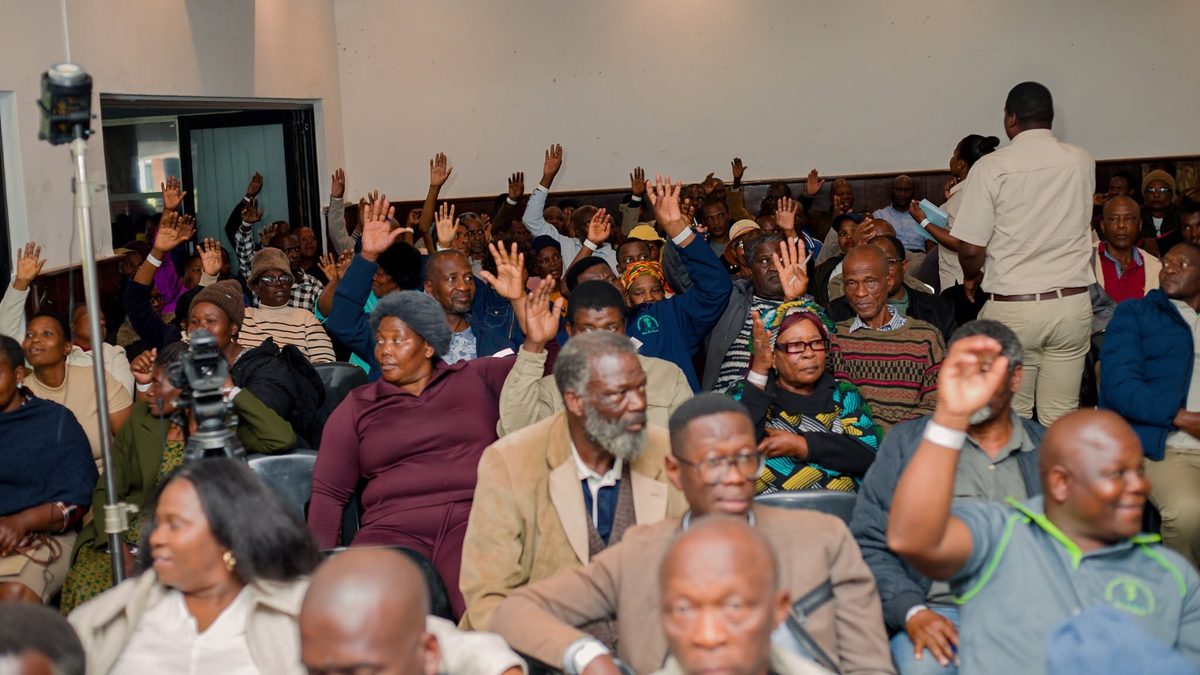
MHLUME – Sugarcane growers from Mhlume, Simunye and Big Bend exercised their democratic right to shape the affairs of their Association on Wednesday, 26 August 2026, as they debated, questioned and voted on key financial and governance matters at the Eswatini Cane Growers Association’s (ECGA) 60th Annual General Meeting (AGM).
Held at Mhlume Country Club, the landmark AGM brought together representatives from different quota holders and gave growers an opportunity to review ECGA’s performance for the 2025/26 financial year while directly influencing decisions that will affect the Association and its members in the coming season.
Among the key matters placed before growers for approval were the ECGA Annual Report and audited financial statements for 2025/26, estimated audit fees for 2026/27, Executive Committee allowances, the Association’s 2027/28 financial estimates and the grower levy.
Growers in all three Planters Groups voted to approve an adjustment of the levy for the 2027/28 financial year. They also considered estimated audit fees and the confirmation of KQ as external auditors for the year ending 31 March 2027.
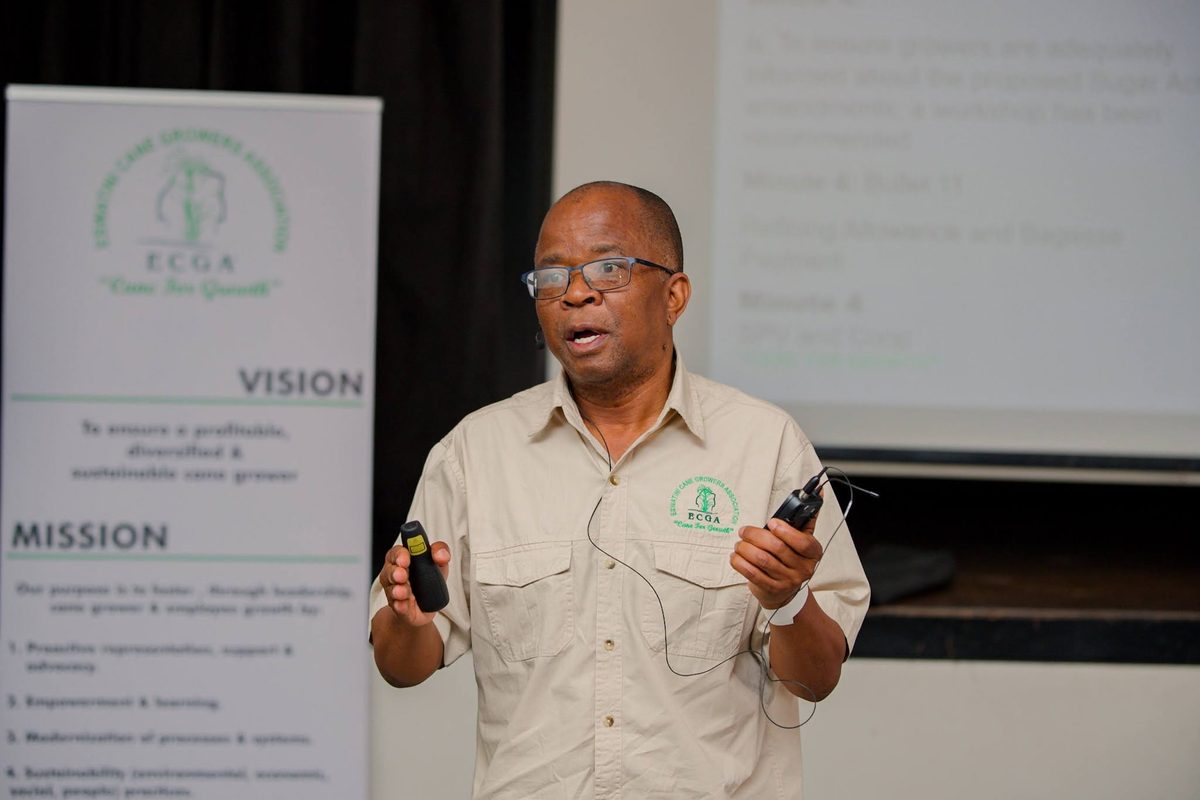
Speaking during the AGM, ECGA Chief Executive Officer, Dr Sipho Nkambule said the AGM remained one of the Association’s most important platforms for ensuring that growers have a direct voice in how ECGA is governed and the direction it takes.
“The AGM gives growers the opportunity to participate directly in the affairs of their Association. The budget, the levy and other important decisions are brought before the growers for discussion and approval. Their participation is what gives these decisions legitimacy,” said Nkambule.
The AGM came shortly after ECGA successfully concluded its Planters Group Feedback Meetings in Mhlume, Simunye and Big Bend, where growers raised concerns affecting their farming businesses and received feedback from the Association and key industry stakeholders.
That same spirit of participation carried into the AGM, where the rapid rise in electricity costs again emerged as one of the major concerns facing cane growers.
During his presentation, Dr Sipho Nkambule revisited ECGA’s interventions following the Eswatini Electricity Company’s tariff application earlier this year. Electricity costs emerged as a major concern, with ECGA urging growers to actively participate in tariff consultations and collectively voice how rising power costs are affecting the sustainability of sugarcane farming.
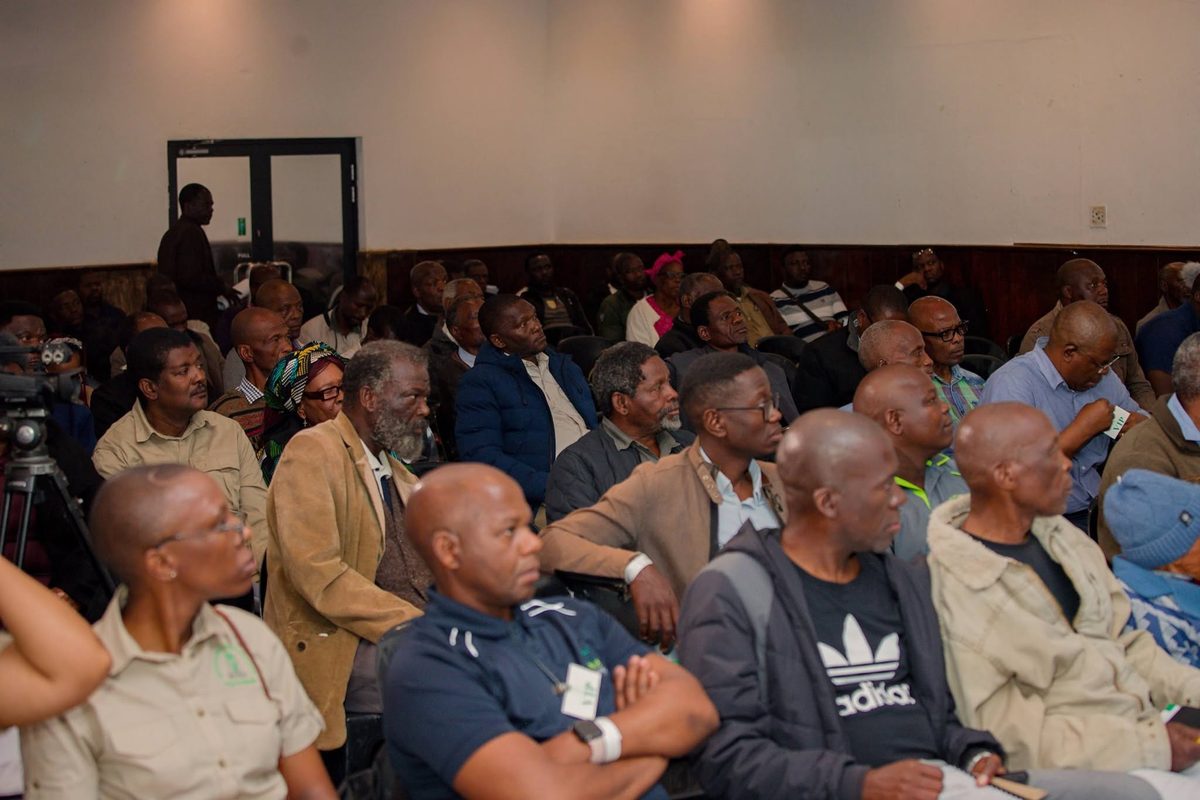
“Now that another new tariff adjustment will be applied for in November, growers must rise and speak. We need farmers themselves to explain how the cost of electricity affects irrigation, production costs and ultimately the sustainability of their businesses. One voice is important, but many growers speaking together can make a much stronger difference,” he said.
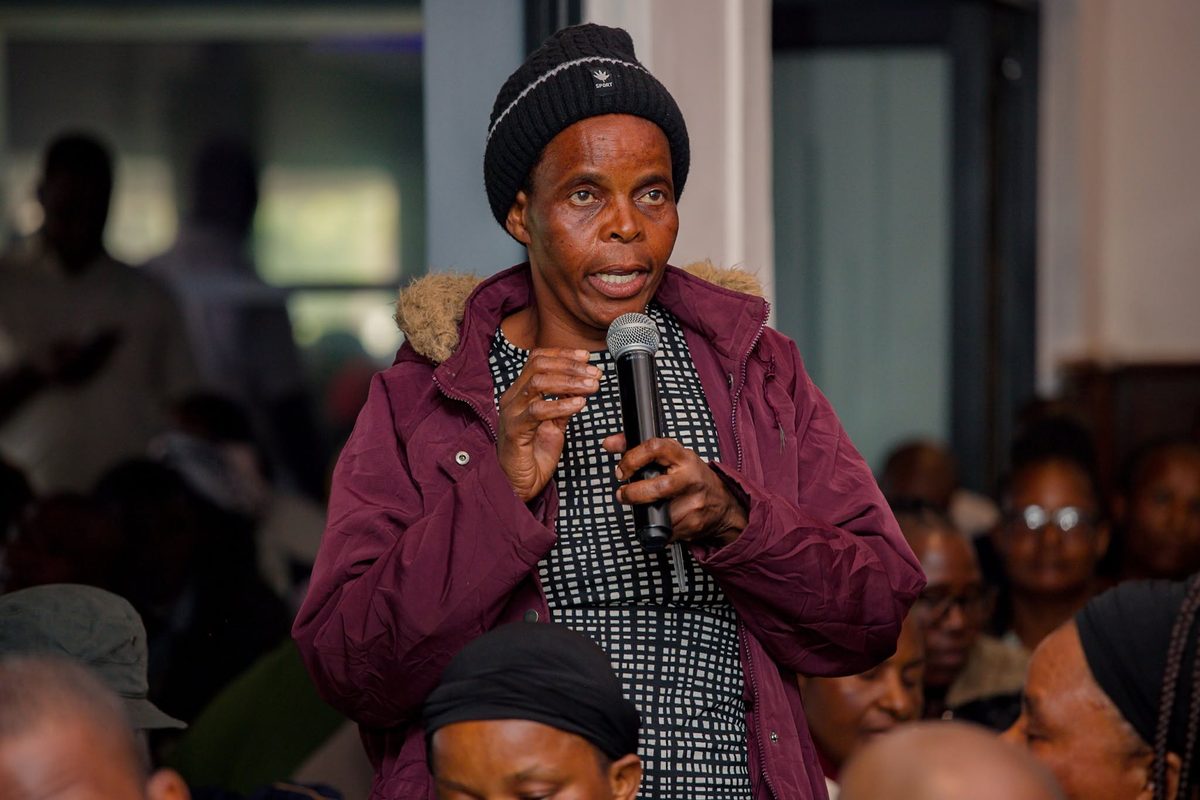
Big Bend LUSIP II grower Sikhumbuzo Matsenjwa from Magatja farmers, echoed the call, saying farmers should not leave the responsibility of defending their interests solely to ECGA leadership. “Whenever the Eswatini Revenue Authority (ESERA) calls for the public consultations, growers must attend. We are the ones who know what the electricity increases do to our farming operations. We need to be there and tell them directly why another increase will affect us and our ability to produce,” Matsenjwa said.
For Musa Mathonsi of Vuvulane Fountain Scheme, the AGM and the preceding Planters Group meetings demonstrated the value of sustained engagement between the Association and its membership.
Mathonsi commended ECGA for its professionalism and reporting back to growers on issues they had raised and for continuing to create platforms where farmers can openly express their concerns. “We appreciate that ECGA comes back to us with feedback on the issues we raise as farmers. It is also important that the Association continues creating opportunities like these meetings where we are able to speak about our concerns and participate in issues that affect us,” Mathonsi said.
Beyond electricity costs and financial approvals, the meeting also reviewed ECGA’s performance during 2025/26, including initiatives aimed at strengthening grower governance, institutional capacity and long-term sustainability.
These included the introduction of board training for farmer companies, with six participants already trained, as well as advocacy around the approval of embedded small-scale electricity generation and other interventions aimed at improving the operating environment for cane growers.
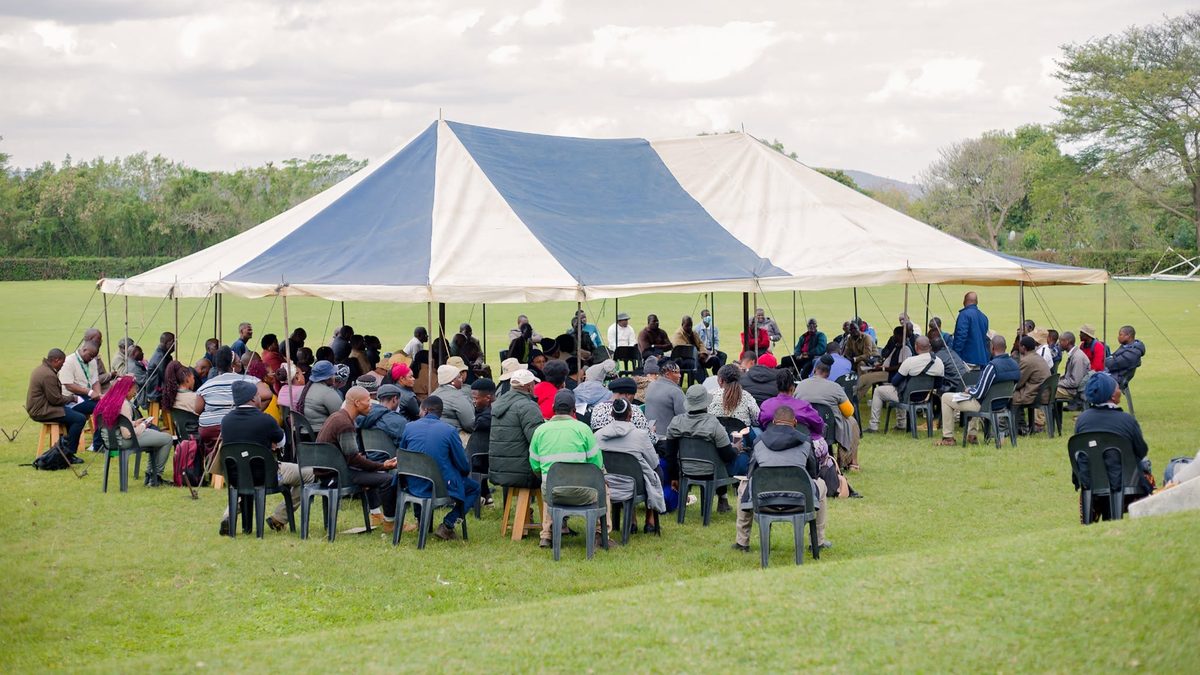
The AGM also received the Association’s clean audit outcome and considered ECGA’s proposed strategic priorities for the 2027/28 financial year. New projects presented under the budget included the establishment and operationalisation of the growers’ Special Purpose Vehicle (SPV), which aims to make investments within the sugar value chain, with the object of generating additional returns and providing growers with opportunities to diversify their income beyond the sale of sugar.
As ECGA marked its 60th AGM, proceedings at Mhlume Country Club reflected an Association placing grower participation firmly at the centre of its governance — from the Planters Group Feedback Meetings to the AGM floor, where members had the opportunity to question, debate and vote on decisions affecting their collective future.
The message emerging from the meeting was clear: representation is strongest when growers themselves participate. With electricity tariffs, rising production costs and the long-term sustainability of cane farming continuing to dominate discussions, ECGA is now urging its members to carry the same collective voice demonstrated at the AGM into every platform where decisions affecting their farms and livelihoods are made.