
BY: SIBUSISO MNGADI | EDITOR-IN-CHIEF
MANZINI — Before buying seed, preparing the land or planting another row of vegetables this September, farmers may want to pause and ask one important question: Will there be a market when this crop is ready?
The latest Area Planted Report from the National Agricultural Marketing Board (NAMBoard) provides some useful answers.
Based on information recorded through the Eswatini Horticulture Information System (EHIS) up to August 31, the report shows where the market may still need more produce—and where farmers could be walking into an overcrowded field.
The biggest opportunities appear to be in potatoes, carrots, onions, cabbages, broccoli and cauliflower. Farmers should, however, be very careful with tomatoes, butternuts, beetroot and green peppers unless they already have confirmed buyers.
Potatoes remain wide open
Potatoes continue to show the biggest gap in the local market.
NAMBoard estimates that Eswatini needs approximately 35.20 hectares of potatoes every month. However, EHIS recorded only 0.01 hectares planted in June and no plantings in July or August.
This does not necessarily mean that nobody planted potatoes during this period. Some production may not have been captured on EHIS. Still, the numbers suggest that there is room for farmers who have suitable land, reliable irrigation, quality seed and a clear route to market.
Potatoes can be expensive to produce, so an apparent market gap should not be treated as easy money. Farmers must calculate the cost of seed, fertiliser, chemicals, labour and irrigation before planting.
The opportunity is there, but it must be approached with a proper production and marketing plan.

More carrots, onions and cabbages are needed
Carrots also remain well below estimated demand.
Only 1.36 hectares were recorded in August against monthly demand of 9.01 hectares. That means the recorded plantings met just 15% of the country’s estimated requirement.
The onion market shows an even wider gap. August plantings stood at 1.04 hectares against estimated monthly demand of 17.06 hectares—only 6% of what the market is believed to need.
Cabbages are also below demand, with 0.63 hectares planted against a monthly requirement of 1.65 hectares.
Farmers may also consider broccoli and cauliflower. No broccoli plantings were recorded in August, despite estimated demand of 0.90 hectares. Cauliflower plantings stood at only 0.07 hectares against demand of 0.74 hectares.
These crops may offer opportunities, but farmers should still speak to potential buyers before planting. A national shortage does not always mean that every farmer will automatically find a buyer in their area.
Butternut farmers must apply the brakes
If there is one crop farmers should think twice about this September, it is butternut.
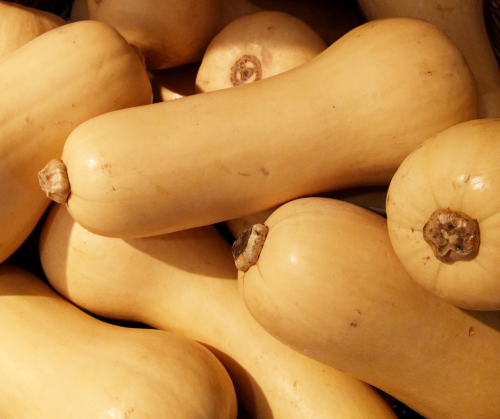
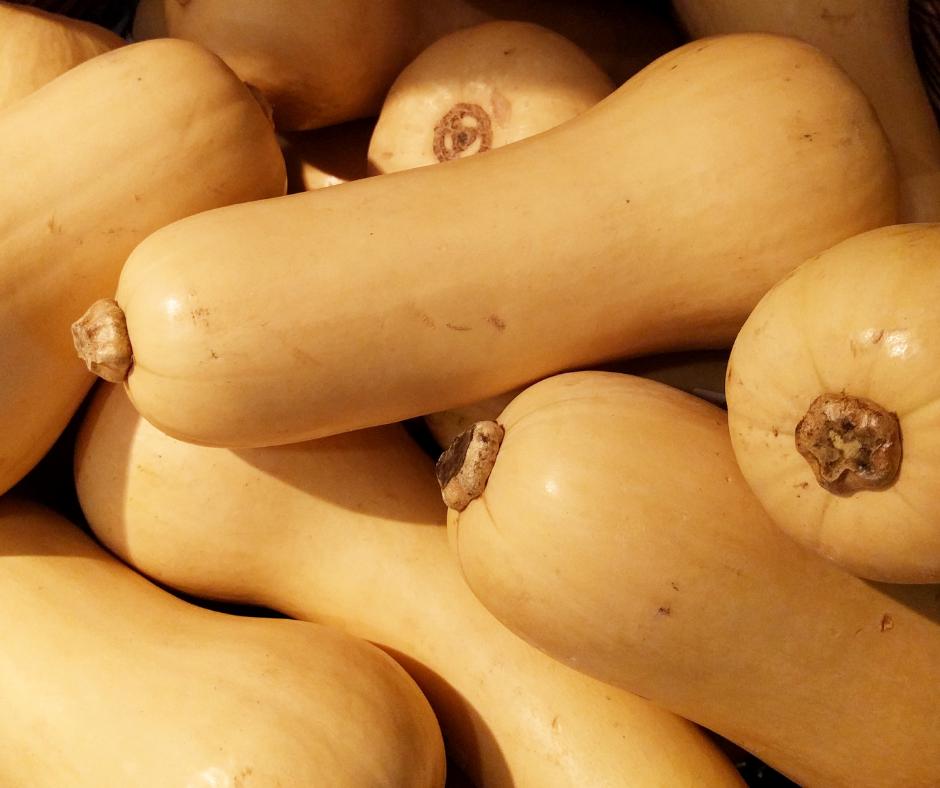
Recorded butternut plantings reached 15.38 hectares in August against estimated monthly demand of just 4.94 hectares. That is more than three times the market’s estimated requirement.
The buildup did not happen overnight. Butternut plantings increased from 1.96 hectares in June to 10.18 hectares in July before climbing to 15.38 hectares in August.
This means large volumes could reach the market over the coming months. If too many farmers harvest at the same time, prices may fall and some producers could struggle to sell their crop.
Farmers without confirmed buyers should therefore resist the temptation to plant more butternuts simply because the crop appears easy to grow or performed well for someone else.
Tomatoes are also feeling the pressure
Tomatoes are another crop heading towards a crowded market.
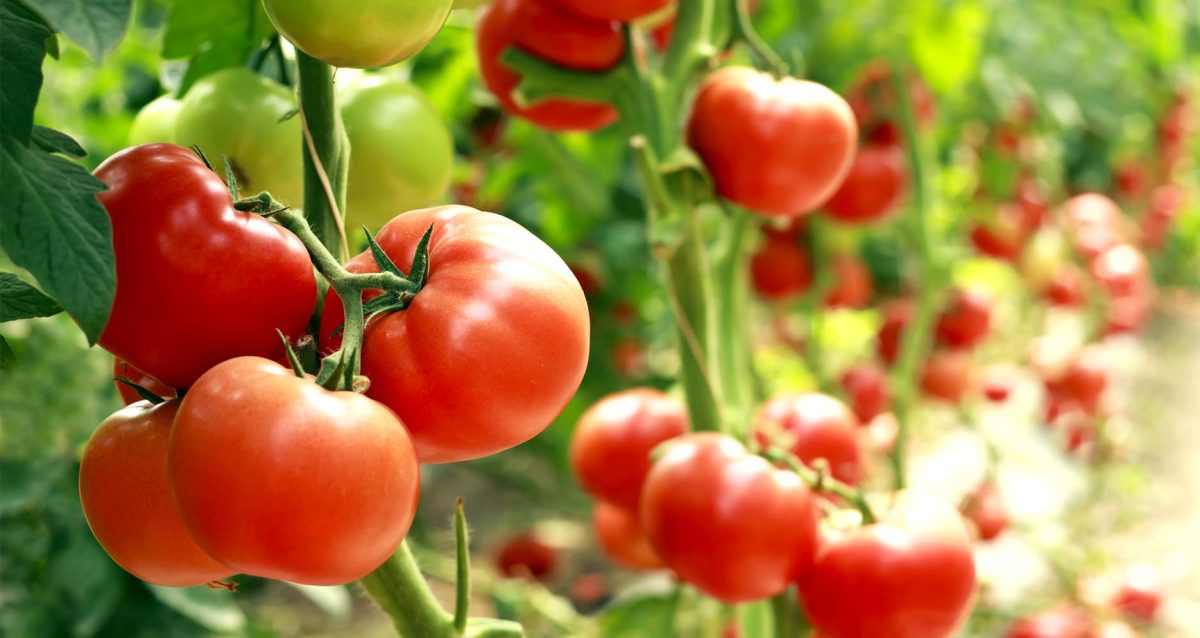
August plantings reached 9.21 hectares against estimated monthly demand of 6.34 hectares. This means recorded production was already at 145% of the estimated requirement.
The challenge with tomatoes is that they cannot wait for the market. Once they are ready, farmers have a limited window in which to sell them.
A farmer can produce a beautiful crop and still lose money if hundreds of other growers are harvesting at the same time.
Anyone planning to plant tomatoes should already know who will buy them, how much the buyer needs and when delivery will be required.
Beetroot and green pepper need confirmed buyers
Beetroot plantings reached 6.34 hectares against monthly demand of 7.26 hectares, putting the crop at 87% of estimated demand.
Green pepper plantings stood at 1.80 hectares against demand of 2.17 hectares, or 83%.
Although these crops have not yet exceeded demand, the remaining gap is small. NAMBoard advises that only farmers with confirmed markets should continue planting them.
Farmers must also remember that crops planted in previous months may still be entering the market. Green peppers, in particular, can be harvested over an extended period, meaning earlier plantings may continue supplying the market while newer crops mature.
Export crops offer another window
Farmers who can meet export standards may also find opportunities in green beans, chilli, sugar snap peas, mange tout peas and patty pans.
Green bean plantings reached 1.42 hectares in August against export demand of 4.17 hectares. Chilli plantings stood at 0.18 hectares against demand of 0.36 hectares.
Only 0.02 hectares of sugar snap peas were recorded against demand of 0.42 hectares. No August plantings were recorded for mange tout peas, yellow patty pans or green patty pans.
Baby marrow and baby corn are closer to their estimated export requirements. Baby marrow plantings reached 81% of demand, while baby corn stood at 84%. Farmers should approach these crops cautiously and plant only under a confirmed programme.
Export markets can be attractive, but they come with strict conditions. Buyers may require specific varieties, sizes, pesticide programmes, record-keeping systems, traceability and food-safety certification.
Farmers should secure the contract and understand the requirements before planting—not when the crop is already in the field.
A market gap is not a guaranteed sale
The report shows that local-market plantings reached 35.92 hectares in August against estimated demand of 85.53 hectares. Export plantings stood at 5.15 hectares against demand of 10.47 hectares.
On paper, this suggests that there is still room for more local production. But farmers must remember that the report only covers plantings recorded on EHIS.
NAMBoard is also clear that the information is meant to guide farmers. It does not guarantee that every crop planted will be bought. Produce that is not contracted or formally programmed remains the farmer’s responsibility.
The lesson is not that farmers should stop planting. It is that they should plant with better information.
Before committing money to the next crop, every farmer should be able to answer three questions:
Who will buy my produce? When will they need it? How much are they prepared to take?
The field may be ready and the rains may be coming, but the smartest planting decision begins with the market.