

BY: PHESHEYA KUNENE | EDITOR
MANZINI — Local farmers could capture a bigger share of the vegetable market currently supplied through imports as global seed company Enza Zaden deepens its engagement with growers and agricultural institutions.
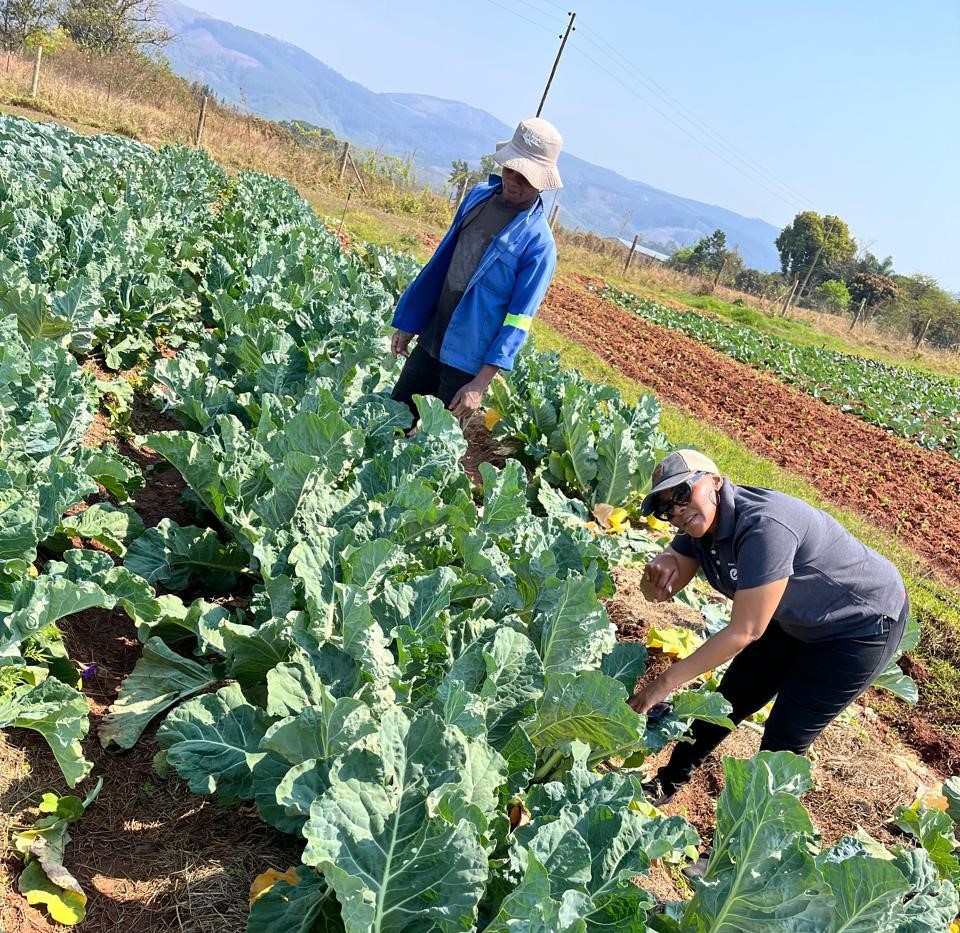
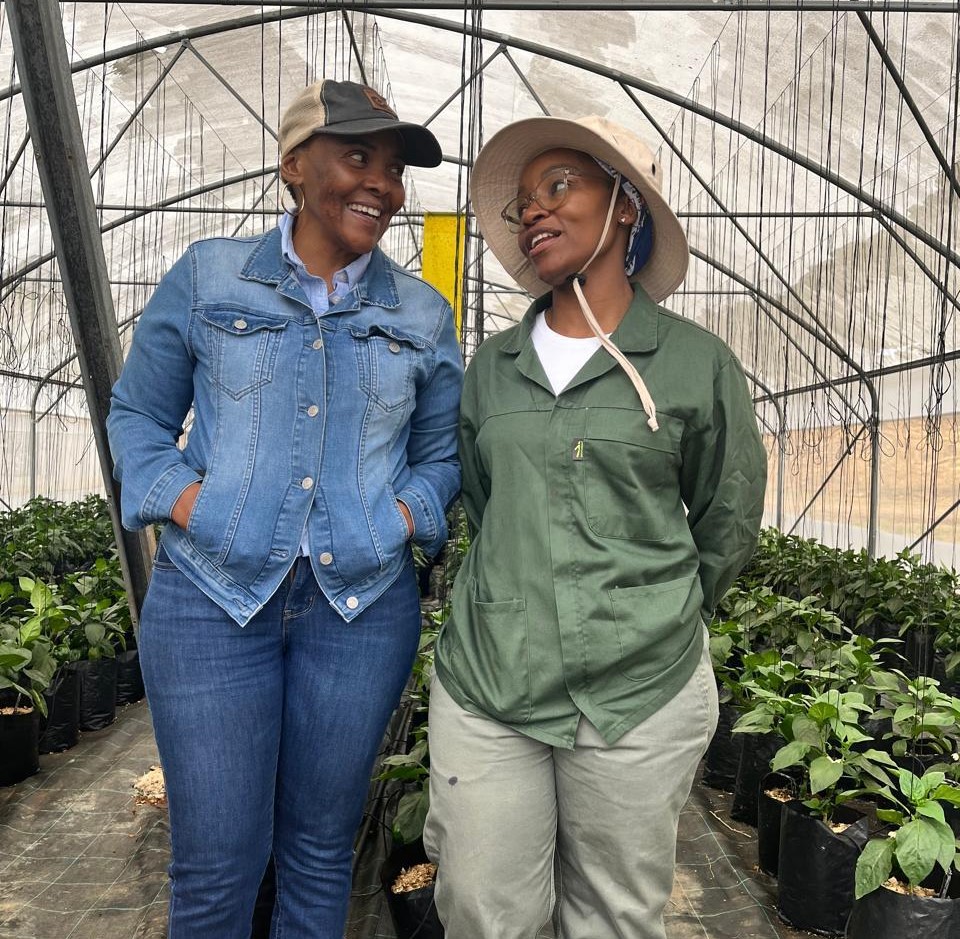
Enza Zaden Sales and Business Development Manager Dudu Mashile spent five days in the country from August 31 to September 4, meeting vegetable farmers, nursery operators and key institutions, including the National Agricultural Marketing Board (NAMBoard) and Eswatini Water and Agricultural Development Enterprise (EWADE).
Mashile also visited the Eswatini International Trade Fair to gain a broader understanding of the local vegetable value chain.
The Netherlands-headquartered company breeds vegetable varieties across more than 30 crops and has a Sub-Saharan African presence in South Africa. Its engagement locally comes as the country continues to pursue greater domestic food production and reduced dependence on imports.

IMPORTS ARE ALSO A MARKET OPPORTUNITY
The significance of the visit goes beyond selling seed.
Vegetables imported because local supply is insufficient represent potential demand that local farmers could capture if they can produce the right volumes, quality and varieties at the right time and price.
Enza Zaden said its engagements showed considerable potential in the local market.
“Eswatini presents a promising and dynamic vegetable market, with committed growers, developing infrastructure and strong interest in quality seed solutions,” the company said.
“Our engagements highlighted the importance of working closely with local partners to understand production realities and support growers with varieties that respond to market needs.”
Local vegetable farmer Gcinile Mhlanga, who uses Enza Zaden varieties, said genetics can make a practical difference in production.
“The plants are uniform, productive and better suited to meeting market expectations, which gives growers like me greater confidence when planning production,” she said.
But good genetics are only one part of the equation. Farmers still require reliable water, quality seedlings, finance, technical support, good agronomic practices and dependable markets.
PRODUCE WHAT THE MARKET NEEDS
NAMBoard’s role becomes particularly important if increased production is to translate into fewer imports rather than local oversupply.
NAMBoard Communications Officer Lwandile Maseko has previously emphasised the importance of gathering information on what farmers are producing, expected volumes and harvesting periods so that domestic production can be better aligned with market demand.
The principle is simple: local farmers need to know what buyers require, how much they need and when they need it before planting.
This can help address two problems: importing vegetables when local supply is inadequate, and farmers producing surpluses that struggle to find markets.
ESNAU Chief Executive Officer Tammy Dlamini has similarly stressed that growing the agricultural sector requires more than increasing production. Farmers need stronger connections to markets, finance, infrastructure and technical support if farming is to remain commercially viable.
WHO STANDS TO BENEFIT?
Vegetable farmers could be the biggest beneficiaries if engagement with companies such as Enza Zaden translates into access to suitable varieties, demonstration trials and technical knowledge.
Local nurseries could benefit from increased demand for quality seedlings, while traders, retailers and consumers could gain from a more consistent domestic supply and fresher produce.
However, simply introducing higher-performing seed will not automatically replace imports.
A farmer can have excellent genetics and still fail because of inadequate irrigation, poor crop management or lack of a buyer. Likewise, increasing production without coordinating harvesting periods can create gluts and depress prices.

WHAT SHOULD HAPPEN NEXT?
The next step should be to move from stakeholder meetings into the field.
Promising varieties should be tested through local demonstration plots and trials, allowing farmers to assess performance under different growing conditions before making large investments.
NAMBoard, farmers and buyers should also identify vegetables where imports present realistic opportunities for local production and develop staggered planting programmes based on actual market demand.
Seed companies, nurseries and extension officers can then support growers with variety selection and production knowledge, while retailers and other large buyers should communicate their volume, quality and supply requirements before planting begins.
The opportunity is clear, but so is the challenge.
Local farmers will not replace imported vegetables simply by planting more. They must produce what the market wants, at the quality it demands, when it needs it.
If better genetics can be combined with water, technical support, coordinated production and reliable buyers, the vegetable import gap could increasingly become a market for local farmers rather than foreign suppliers.