BY: PHESHEYA KUNENE | EDITOR
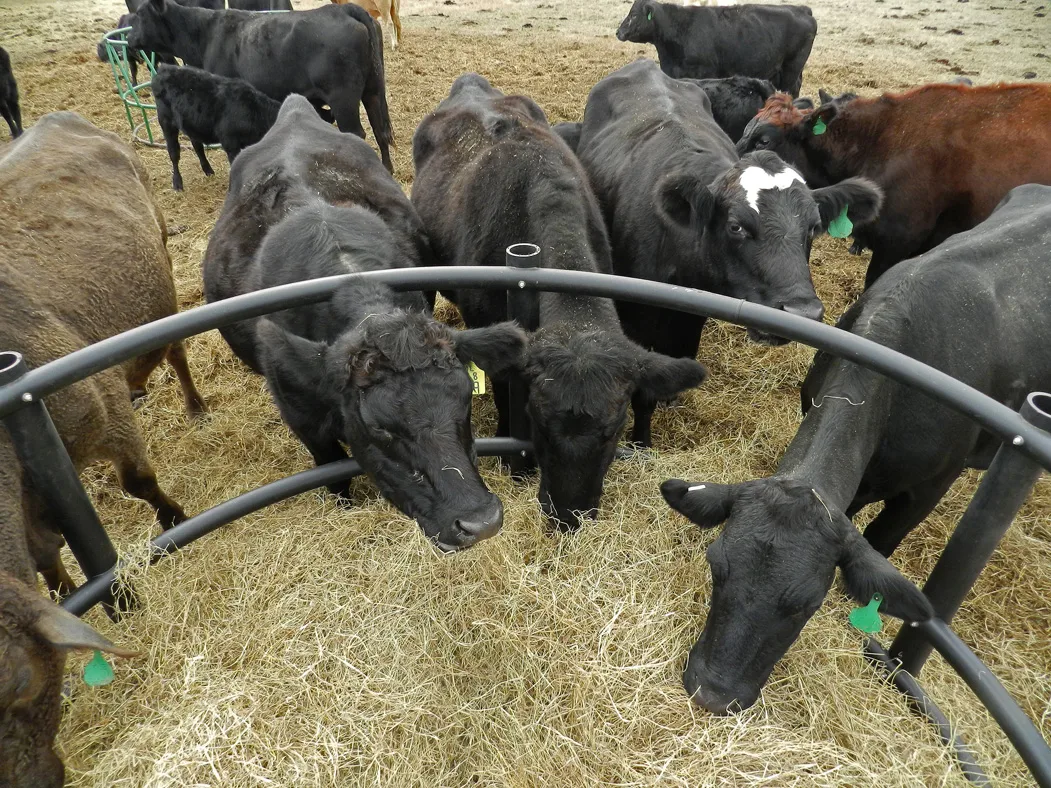
MANZINI — Livestock farmers fear they will not have enough grass, feed or money to keep their cattle alive as an expected El Niño drought threatens to dry up grazing land just months after the Foot-and-Mouth Disease (FMD) crisis crippled livestock sales.
The warning comes as weather forecasts point to the return of El Niño conditions in the coming months, raising fears of below-average rainfall and deteriorating pasture across parts of Eswatini.
For many farmers, the concern is not only the availability of grazing, but whether they can afford supplementary feed after months of financial hardship caused by FMD restrictions.
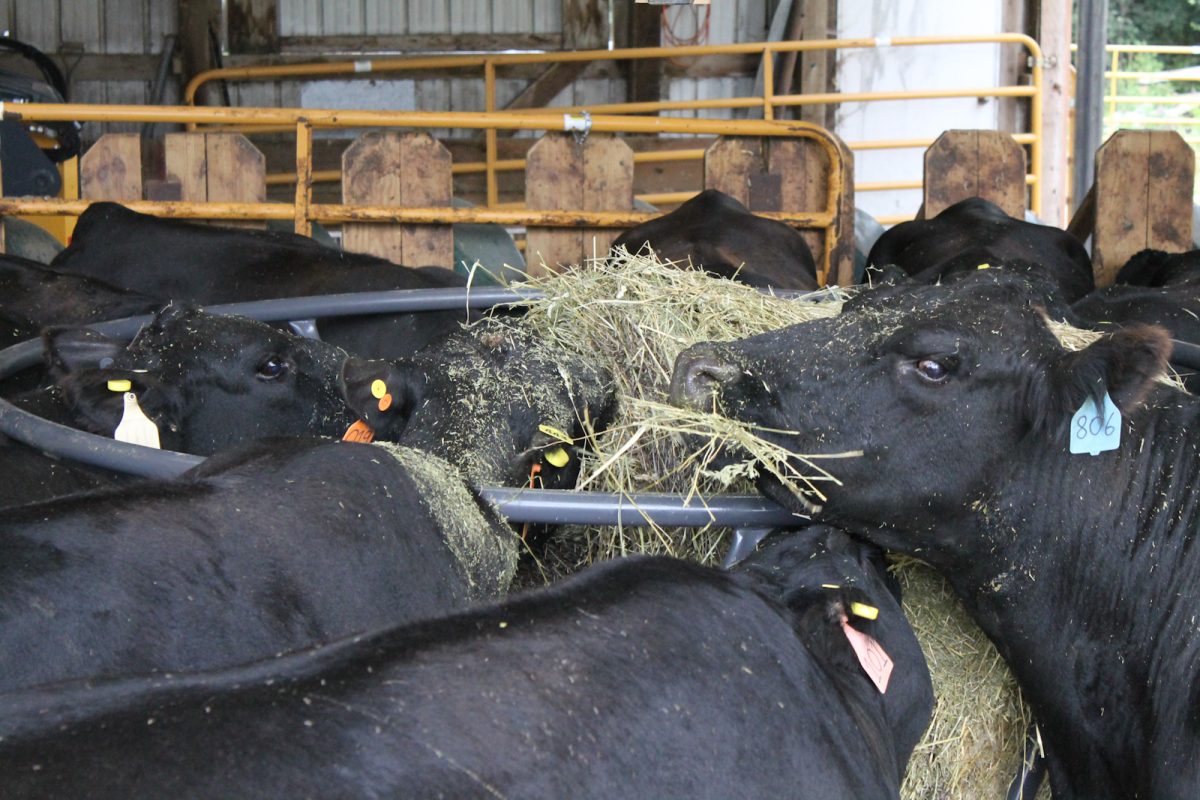
In response, the Ministry of Agriculture has announced that government-produced hay bales will be sold at a subsidised price of E500 per bale as part of an early drought preparedness programme.
The hay will be produced using government machinery and grass harvested from state-owned facilities, including Mpisi Cattle Breeding Station, Manyonyaneni Cattle Breeding Station, Nsalitje Nguni Cattle Breeding Station and other government ranches.
Chief Executive Officer of the Eswatini National Agricultural Union (ESNAU), Tammy Dlamini, said livestock farmers were entering another crisis before recovering from the last one.
“Farmers have gone for months without meaningful livestock trading because of the FMD restrictions. Many could not sell cattle, even among themselves, and that severely affected their income,” Dlamini said.
He said the prolonged disruption had left many producers without the cash needed to prepare for drought.
“Livestock feed is expensive and many farmers simply cannot afford enough of it. Natural grazing is also losing its nutritional value, forcing farmers to look for alternative sources of feed. The fear is that if the drought intensifies, many producers will struggle to keep their animals alive.”
Dlamini said the livestock sector depends heavily on cattle sales to finance farm operations, household expenses and future production, making the financial impact of FMD particularly severe.
Director of Veterinary and Livestock Services Dr Luyanda Khumalo said the government was already preparing measures to cushion livestock farmers against the anticipated drought.
“We will not fold our hands and watch farmers suffer. The Ministry will work closely with livestock producers to stabilise the situation and protect the national herd,” Khumalo said.
He confirmed that hay bales would be made available at E500 each, with production taking place at government farms using state-owned equipment to increase supply before grazing conditions deteriorate.
Khumalo also urged farmers to continue observing all FMD biosecurity measures despite the country’s improving disease status.
“We have made significant progress against FMD, but farmers must continue following all disease-control measures to ensure we completely eradicate the virus while preparing for the drought.”
Eswatini recently declared zero active FMD cases after vaccinating more than 453,629 cattle, representing over 82 percent of the national herd. While movement restrictions have largely shifted to permit-based controls, many livestock farmers say months of disrupted trade have left them financially exposed.
The concern is reinforced by international climate forecasts. The Food and Agriculture Organization (FAO) has warned that Southern Africa faces a greater than 50 percent probability of agricultural drought under the developing El Niño cycle. The organisation says livestock-producing regions are among the most vulnerable because shrinking pasture quickly leads to declining animal condition, lower productivity, distressed livestock sales and growing rural poverty.
The region has lived through this before. The 2023–24 El Niño brought Southern Africa’s worst drought in more than a century, leaving an estimated 61 million people in need of humanitarian assistance. Grazing fields disappeared, water sources dried up and thousands of livestock died or were sold prematurely as farmers struggled to save their herds.
Eswatini responded to previous droughts by introducing subsidised livestock feed, borehole drilling, emergency water supply programmes, pasture rehabilitation, veterinary support and strategic fodder production through government livestock stations. The latest hay subsidy builds on those interventions, with authorities hoping that acting early will reduce livestock losses and help farmers retain breeding stock.
Agricultural experts say early preparation remains the most effective defence against drought. Building fodder reserves before pasture conditions deteriorate is significantly cheaper than responding after livestock begin losing condition or dying from hunger and dehydration.
For many livestock farmers, however, preparation is constrained by empty pockets. After surviving months of FMD-related trading restrictions, they now face the prospect of financing another crisis before fully recovering from the last one.
The country’s livestock industry has overcome the immediate threat of FMD. Whether it can withstand a prolonged El Niño drought may now depend on how quickly government support reaches farmers, and whether vulnerable producers can afford to protect the animals that sustain their livelihoods.