

BY: SIBUSISO MNGADI | EDITOR-IN-CHIEF
In May, NAMBoard’s data was telling tomato farmers to hold back. The Eswatini Horticulture Information System (EHIS) showed plantings running ahead of national demand for three consecutive months, and the board’s own Area Planted report cautioned that only programmed farmers should plant — and even then, with care. A market glut, the numbers suggested, was the real danger.
Six weeks later, NAMBoard is preparing to let tomatoes in from across the border.
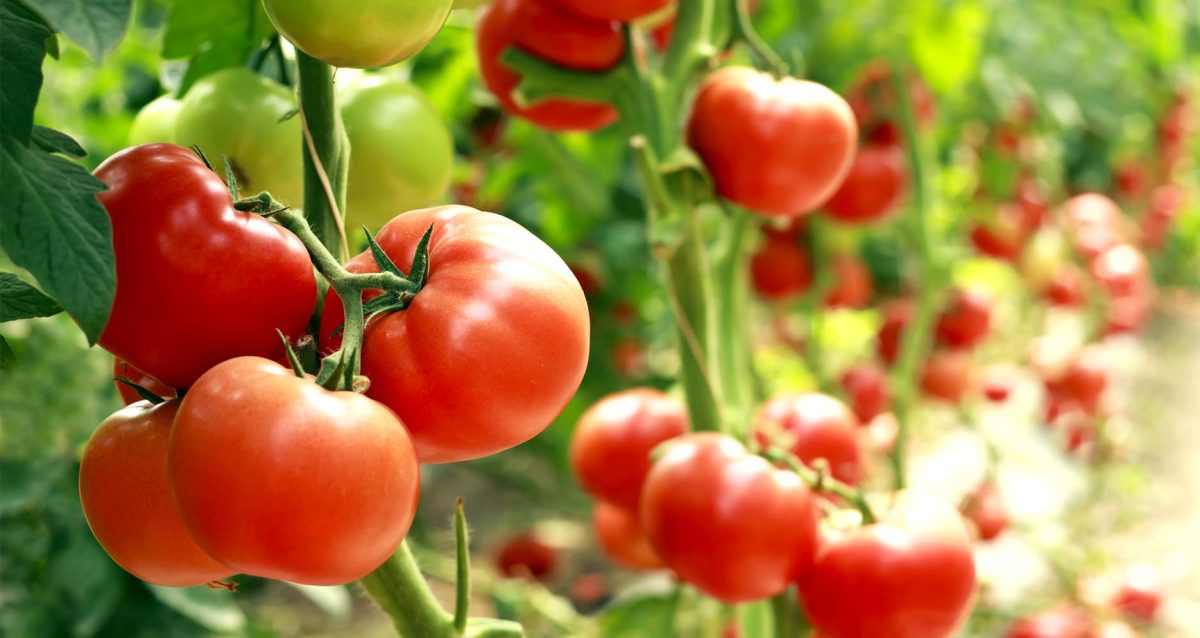
In a Trade Restriction Notice issued under the NAMBoard Act No. 13 of 1985, the board has announced a revised temporary restriction on the importation of table tomatoes — both round and gem varieties, excluding cherry tomatoes — effective 22 July 2026. Importers may now bring in tomatoes, provided they submit proof that at least 25 per cent of their intended import quantities have been sourced from locally produced stock, from farmers registered with NAMBoard.
The question worth asking is how a market flagged for oversupply in May ended up short of tomatoes by July. The answer says a great deal about the fragility of winter vegetable production in Eswatini — and about how quickly the arithmetic of supply can turn.
The frost that rewrote the forecast
NAMBoard is direct about the trigger. A recent assessment found that available tomato stock had fallen below local demand, the notice states, as a result of recent frost that affected most of the produce standing in the fields.
But the frost did not act alone. The warning signs were already sitting in NAMBoard’s own planting data. The June Area Planted report shows tomato plantings collapsing from 9.51 hectares in May to just 3.51 hectares in June — well below the 6.34 hectares the local market requires every month. Winter’s low temperatures had already discouraged planting across the board: total recorded plantings for all crops fell from 44.27 hectares in April to a mere 15.24 hectares in June, against a combined monthly demand of 83.63 hectares.
In other words, the supply pipeline was thinning before the frost arrived. The April and May plantings that had triggered glut warnings were the stock feeding the market through winter. When frost damaged that standing crop, the cushion disappeared — and the surplus everyone was worried about became a shortfall almost overnight.
A partial opening, not an open door
It would be inaccurate to describe this as NAMBoard throwing the market open. The revised restriction is better understood as a controlled valve.
The 25 per cent local sourcing requirement is the key mechanism. Any importer wanting to bring in tomatoes must first demonstrate that a quarter of their intended volumes have been bought from registered local farmers. That does two things at once: it fills the supply gap left by the frost, and it guarantees that local growers with surviving stock have buyers before a single imported crate crosses the border.
For farmers who heeded the earlier glut warnings and are now holding marketable tomatoes, the timing is favourable. NAMBoard’s current buying prices, published on EHIS for the week of 19 to 25 July, list tomatoes at E8.00 per kilogramme and tunnel tomatoes at E11.00 per kilogramme — and the local sourcing rule effectively directs import-driven demand towards them first.
The board has also signalled that the arrangement is temporary and conditional. The local sourcing requirement will remain in effect until local market demand exceeds local production capacity, with continuous monitoring of available stock and decisions taken on prevailing conditions.
What this episode reveals
Three lessons stand out from the tomato market’s whiplash winter.
First, the data worked — but only for those reading all of it. The glut warnings in the May report were accurate for the conditions of May. The June report, showing the planting collapse, was equally accurate. Farmers and traders who tracked both would have seen the market tightening weeks before the trade notice landed. The monthly Area Planted reports are proving to be more than an administrative exercise; they are an early warning system, and this episode is their first real-world validation.
Second, climate risk can overturn market logic in days. No planting report can forecast a frost. The gap between EHIS projections and field reality is precisely where Eswatini’s horticulture sector remains most exposed — and it strengthens the case for protected cultivation. It is notable that tunnel tomatoes command a E3.00 per kilogramme premium over open-field tomatoes on the current buying price list. In a frost year, the tunnel is not a luxury; it is insurance.
Third, registration now has a price tag attached. The import concession is explicitly reserved for stock sourced from farmers registered with NAMBoard. Unregistered growers with surviving tomatoes have no claim on the 25 per cent local sourcing pool. For farmers who have been slow to formalise their relationship with the board or upload their plantings to EHIS, the message could not be clearer: in moments of scarcity, the system rewards those inside it.
The road to spring
The structural picture has not changed. Local demand for tomatoes sits at 6.34 hectares of new planting every month, and June delivered barely half of that. Until spring plantings recover and reach harvest, the local market will lean on the import valve NAMBoard has just opened — carefully, and with local farmers first in the queue.
For programmed farmers weighing their July decisions, the June Area Planted report’s guidance still stands: plant with caution, because the late May plantings that survived the frost will eventually reach the market alongside the June crop. But the frost has shifted the balance of risk. The greater danger in the weeks ahead may not be a glut at all — it may be having nothing to sell in a market that is suddenly paying attention to every locally grown tomato it can find.