

BY: PHESHEYA KUNENE | EDITOR
MBABANE — Eswatini has recorded zero active Foot-and-Mouth Disease (FMD) cases, bringing an end to months of outbreak control and shifting attention to restoring international market access for one of the country’s most valuable agricultural industries.
The announcement, made by Minister of Agriculture Hon. Mandla Tshawuka during a media briefing on Monday, marks a significant milestone in Eswatini’s fight against one of the world’s most contagious livestock diseases.
It also signals the beginning of a new phase, rebuilding confidence in the country’s livestock industry after an outbreak that disrupted cattle movement, halted auctions in affected areas and suspended access to premium export markets.
“The wildfire has been extinguished, but there are still sparks that must be monitored,” Tshawuka said, using the analogy to emphasise that although active transmission has been contained, strict disease surveillance and biosecurity measures must continue.
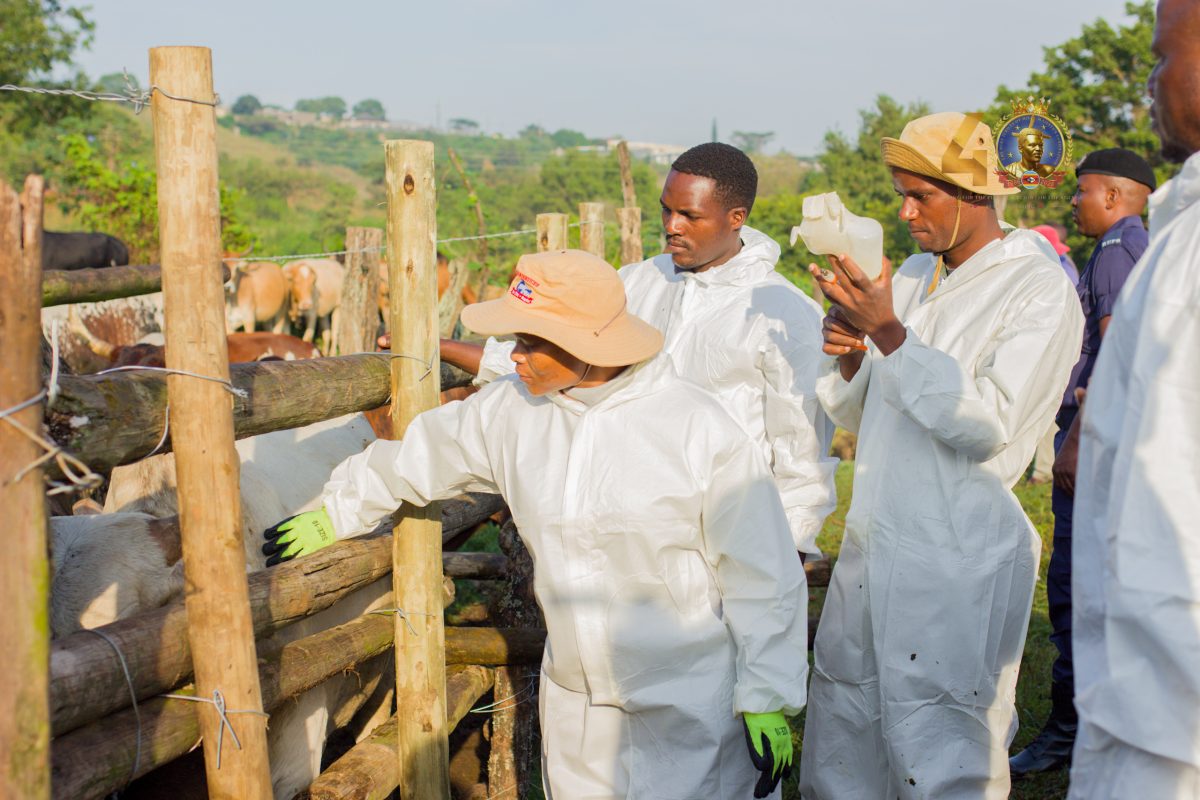
The Minister revealed that 453 629 cattle, representing 82 percent of Eswatini’s estimated national herd of about 550 000, have now been vaccinated against FMD. Veterinary experts generally regard vaccination coverage of between 60 and 80 percent as sufficient to achieve herd immunity.
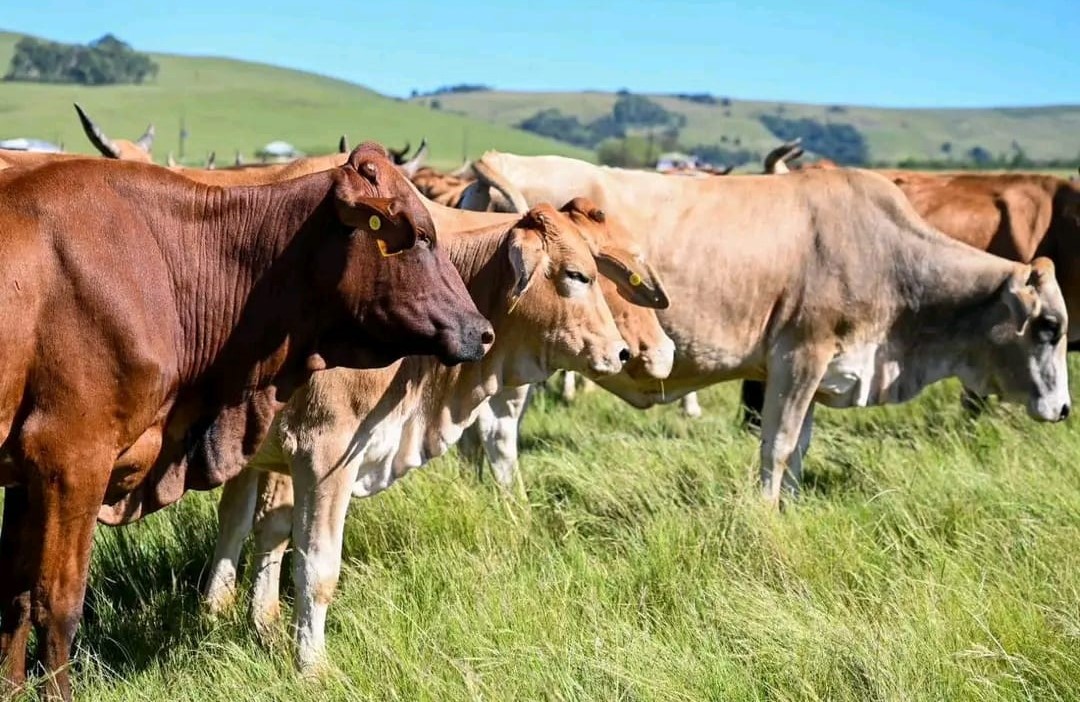
Of the vaccinated animals, 329 371 cattle have received a second dose, while approximately 783 000 vaccine doses have been administered since the national vaccination campaign began. Some animals required additional doses because of extended intervals between vaccination rounds.
The government still has 69 000 vaccine doses available to complete the current vaccination programme, while a further 150 000 doses are expected to arrive on 30 July. The additional consignment will be maintained as an emergency reserve to strengthen the country’s preparedness against any future outbreaks.
“We cannot afford to become complacent,” Tshawuka said. “Education on the disease will continue for farmers, veterinary officers and all stakeholders because surveillance remains our strongest defence.”
Months of disruption
The declaration follows one of the most challenging periods for Eswatini’s livestock sector in recent years.
The outbreak prompted authorities to impose strict livestock movement controls, establish veterinary checkpoints across the country, disinfect vehicles and footwear, and launch one of the largest cattle vaccination campaigns ever undertaken in Eswatini.
While these measures were necessary to contain the disease, they came at a considerable economic cost.
The country’s internationally recognised animal health status was compromised, resulting in the European Union (EU) suspending imports of Eswatini beef. The EU has historically been one of Eswatini’s highest-value export markets, paying premium prices for beef produced under the country’s strict veterinary controls.
The suspension disrupted the entire beef value chain, from communal cattle farmers and feedlots to processors and exporters, reducing market opportunities and affecting rural incomes in a sector that contributes significantly to agricultural production and household livelihoods.
Although the absence of active FMD cases is a major breakthrough, industry experts caution that reopening export markets is not automatic.
Eswatini must first satisfy the disease recovery requirements of the World Organisation for Animal Health (WOAH) before regaining its internationally recognised disease status. The process requires continued surveillance, comprehensive reporting and evidence that the disease has been successfully contained.
A recent WOAH technical mission to Eswatini assessed the country’s disease-control programme and recommended a zoning approach, allowing disease-free areas to resume trade while veterinary controls remain in place where necessary.
From emergency response to prevention
With the outbreak now under control, the Government is shifting its focus towards preventing future incursions.
Tshawuka announced that E15 million has been allocated to rehabilitate 26 kilometres of the country’s national veterinary cordon fence, a critical biosecurity barrier designed to prevent contact between domestic cattle and potentially infected animals crossing international borders.
The rehabilitation programme is being supported by the Food and Agriculture Organization of the United Nations (FAO) as part of broader efforts to strengthen Eswatini’s veterinary infrastructure.
As the country’s risk profile improves, the Government will also begin easing some of the emergency measures introduced during the outbreak.
Several veterinary checkpoints will transition from wet checkpoints, where vehicles and people were disinfected, to dry checkpoints, focusing primarily on livestock inspections and movement control. However, wet checkpoints will remain operational in strategic parts of the Hhohho Region, which remained free of infection throughout the outbreak.
“We want to protect those disease-free areas at all costs,” the Minister said.
A sector rebuilding confidence
The announcement represents more than a veterinary achievement.
Livestock remains one of Eswatini’s most valuable agricultural industries, supporting thousands of rural households through beef production, breeding, draught power and household income. Restoring confidence in the sector is therefore critical not only for farmers but also for export earnings, food security and the broader rural economy.
The outbreak has also demonstrated the importance of strong veterinary services, regional cooperation and rapid government intervention. Throughout the response, Eswatini worked closely with neighbouring SADC countries and international partners to contain the disease, while donor support strengthened vaccination efforts and border biosecurity.
Tshawuka also warned farmers against confusing Lumpy Skin Disease, whose cases are currently increasing, with FMD, urging livestock owners to report suspected cases immediately and continue observing biosecurity protocols.
For now, Eswatini has achieved what many hoped for but few could guarantee at the height of the outbreak: the country has interrupted active transmission of Foot-and-Mouth Disease.
The next challenge is arguably even more important, regaining international market confidence, restoring premium beef exports and ensuring the systems built during the crisis permanently strengthen one of Eswatini’s most strategic agricultural industries.