OPINION | BY SBU MNGADI
The founder of the now-closed Kalulu Hatcheries argues that Eswatini pushed farmers into an industry that had no breed, no value chain and no price — and that the order of those things matters more than the money.
When Mncedisi Simelane, Technical Adviser at Feedmaster, called to invite me to speak at the Manzini Farm Management Training Workshop, my first instinct was to say no.
I said it plainly: I cannot come and talk about a business that failed.
He asked anyway. And in the days that followed I changed my mind, for one reason. Somewhere in that room at the Manzini Library there would be a person about to make the same expensive decisions my wife and I made twelve years ago. If my failure can save that person their savings, then it is not a private embarrassment. It is data.
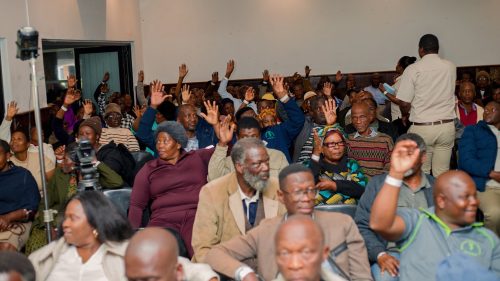
So on Wednesday morning, I stood in front of a room of agripreneurs and told them the thing nobody funding this sector wants to hear: the commercialisation of indigenous chickens cannot yet happen in Eswatini. Not because emaSwati farmers lack ambition, and not because the market lacks appetite — but because we were sent to build a house starting with the roof.
What we built, and what we believed
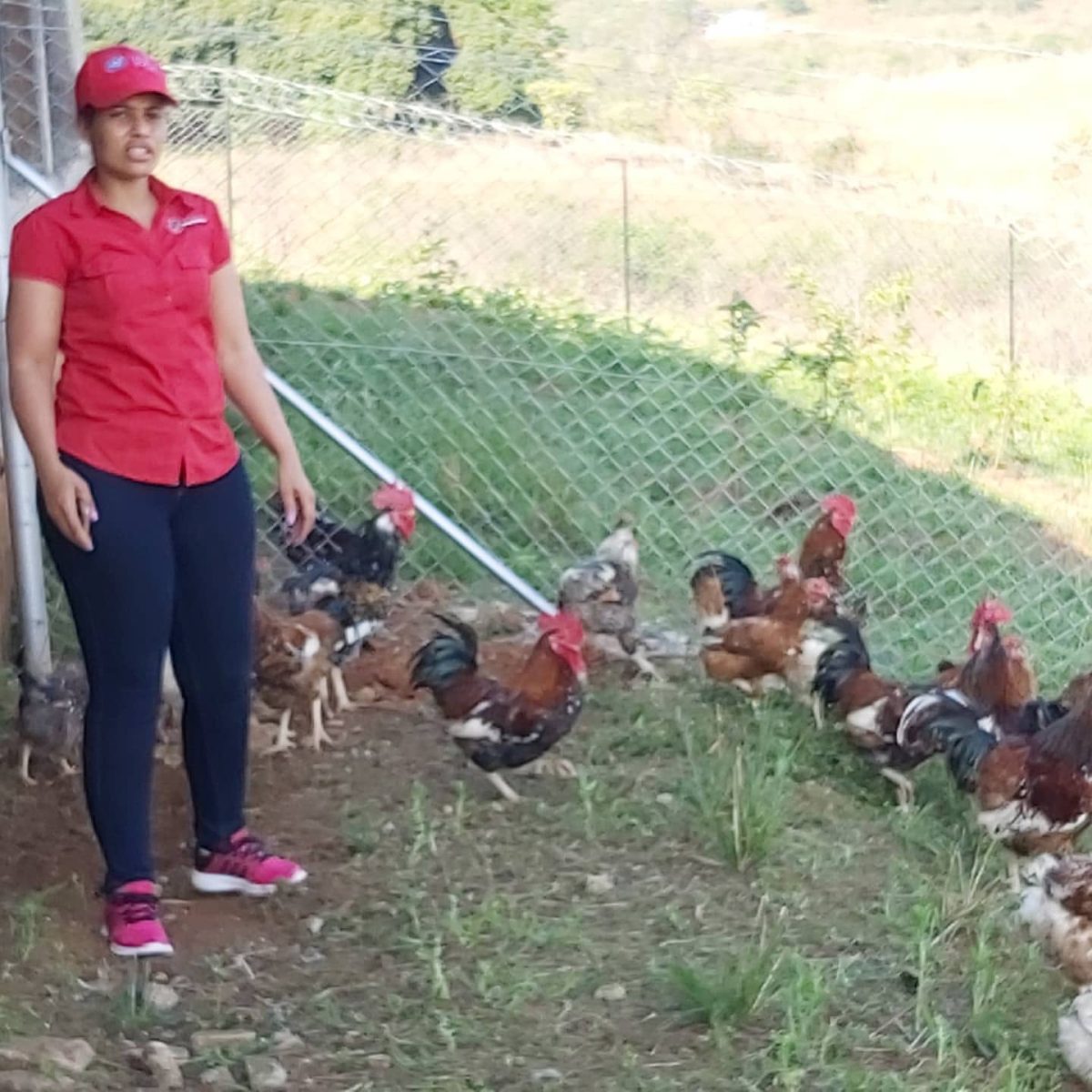
Kalulu Hatcheries began with real conviction. My wife, Anette Mngadi, had completed a BSc in Animal Science in 2010. I had spent my career in marketing and communications. It looked like a perfect pairing: her technical skill, my ability to build a brand and a market.
I backed that belief with everything. In 2015-16, having left my post as Head of Corporate Communication at the Central Bank of Eswatini, I put my entire severance package into importing hatchery equipment from China. It was my first import experience — an education in itself. At full capacity, our Manzini plant could produce 15,000 day-old chicks a week.
For a man who grew up in the township of KaQobonga with no farming background whatsoever, this was my “wow” moment. It was discovery. More than anything else, it was my education. Twelve years of it, from 2011 to the closure in 2023-24, and I do not regret a single term.
But an education is only worth what you do with it. So here are the two truths I paid for.
Truth one: you cannot commercialise an industry before you build its value chain
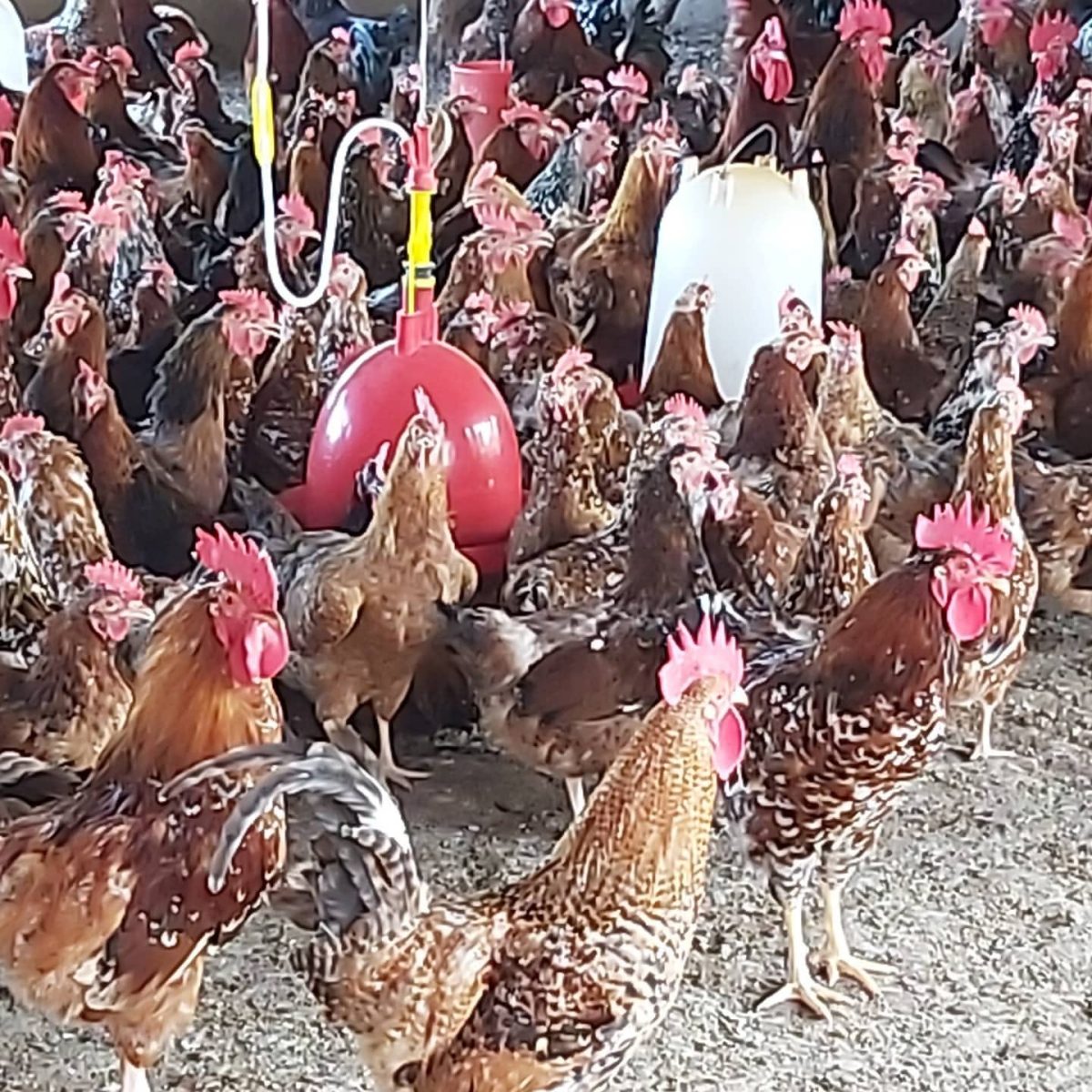
We opened a hatchery and immediately discovered we could not get fertile eggs. There were no breeder farms in the country. So we built one — a 2,000-bird capacity breeder unit at Matsamo — and solved the egg problem.
Then we discovered there were no growers at scale. So we recruited and contracted growers across Mafutseni, Mfabantfu, Masundvwini, Elulakeni and Mbabane, and deployed technical staff to support them.
Then we discovered there were no processors and no distributors ready to buy from those growers. So we outsourced processing to Temashinga Poultry Processors and built our own cold-chain distribution under Kalulu Foods.
Read that sequence again. One private company, funded by one family’s savings, was trying to build five links of a national value chain at the same time. That is not entrepreneurship. That is doing the State’s work with a small business’s balance sheet.
Compare that to Tanzania — a country I still hold up as the model. Tanzania runs roughly 40 million indigenous chickens within a national flock of about 72 million, and some 3.7 million of its 4.7 million farming households keep poultry. Indigenous birds meet more than 70% of rural demand for chicken meat and eggs there. Crucially, that volume moves through a functioning trade: live-bird traders earn a known margin per bird, and indigenous chickens fetch TZS 9,000 to TZS 17,000 against TZS 4,500 to TZS 6,000 for commercial broilers. The premium exists because the chain exists to defend it.
Truth two: there is no commercialisation without a commercial breed
This is the truth I most want agripreneurs to hear.
Every country that has succeeded at this has a defined commercial breed with predictable growth and estimable slaughter weight. Our best hybrids — Boschvelder, Roco, Koekoek crosses — put a rooster at about 2kg at 120 days. A commercial broiler reaches roughly the same weight in 35. That is nearly four times the feed days for the same carcass. Unless the consumer pays a price that reflects that, every link in the chain is subsidising the bird.
And the Eswatini consumer, for all the genuine demand, was not paying that price.
Meanwhile the science has moved. The ILRI-led African Chicken Genetic Gains programme, launched in 2014 in Ethiopia, Nigeria and Tanzania and since expanded into nine countries as Tropical Poultry Genetic Solutions, has recorded egg production gains of up to 200% and body weight gains of up to 300% over indigenous baselines. In Kenya, KALRO has just released improved indigenous breeds — KC1, KC2 and KC3 — with cocks reaching market at about 16 weeks and hens laying 250 to 280 eggs a cycle against under 100 for a traditional bird.
At one point I had the funds and a plan to import proven commercial stock from Tanzania. Officials at the Ministry of Agriculture were not interested in helping me with import permits. One remarked that “we wouldn’t know what chicken diseases Tanzania has” and that it would be risky to local stock. I wondered quietly what local stock we were protecting — we had no national breeding programme to protect. But I did not fight it. I was an entrepreneur, not a lobby.
Instead, Government pushed farmers into “commercialisation” with no breed, no research, no formal value chain and no price floor. Some 90% of rural households in this country keep indigenous chickens. Research on our own sector has long listed the same constraints: disease, poor housing, feed costs, weak market access, slow growth to maturity and unfavourable prices. We knew. We proceeded anyway.
What I told the room
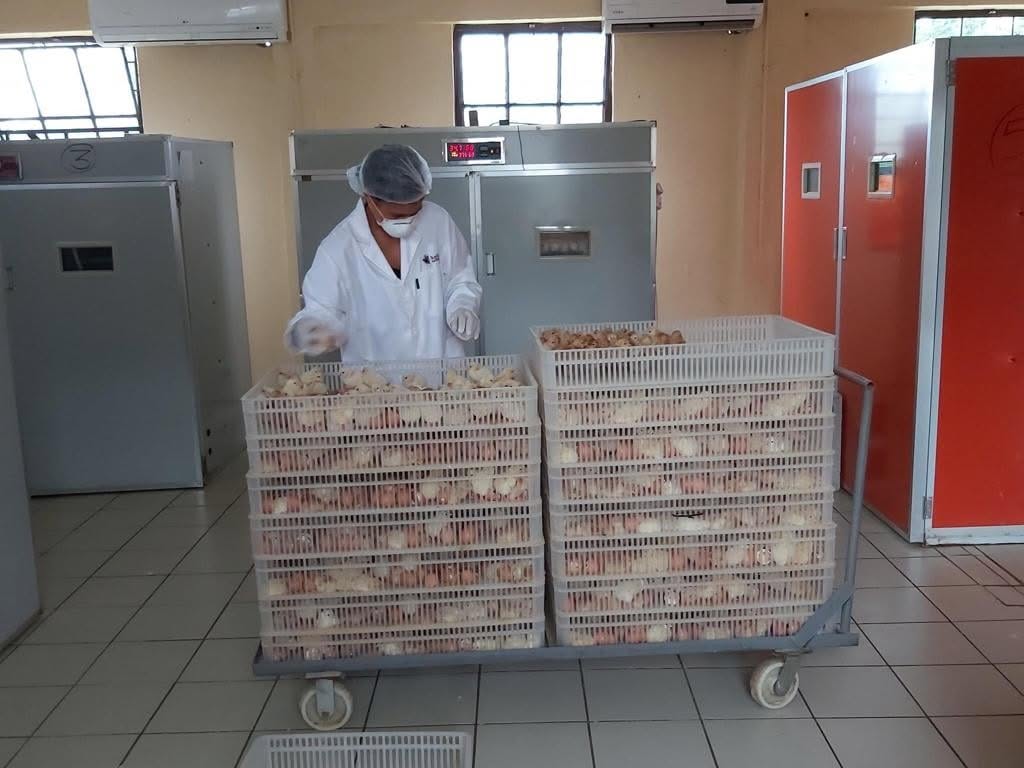
My advice was blunt: start with the breed and the market. In that order. Then build backwards.
Do not buy equipment. Do not build structures. Do not take the loan. First secure genetics with predictable performance, and first confirm — in writing, with a real buyer — the price your bird will fetch and the volume that buyer will take. If the price does not cover 120 days of feed, you do not have a business. You have a hobby with an invoice book.
To Government and development partners, the ask is equally simple: fund a national indigenous breed programme, negotiate the genetics and the health protocols at State level where entrepreneurs cannot, and stop launching farmers into value chains that do not exist yet.
I lost a business. I gained an education I could not have bought. The only waste would be keeping it to myself.
Sbu Mngadi is the founder and CEO of Stratcom Group and publisher of Agribusiness Media. He co-founded Kalulu Hatcheries with his wife, Anette, in 2011.