
BY: PHESHEYA KUNENE | EDITOR
MBABANE – Government has begun a cautious reopening of parts of the livestock economy by easing Foot and Mouth Disease movement restrictions for feedlots, following the vaccination of more than 300 000 cattle nationwide.
The decision marks a calibrated shift from emergency containment toward managed recovery in a sector central to rural incomes and national food systems.
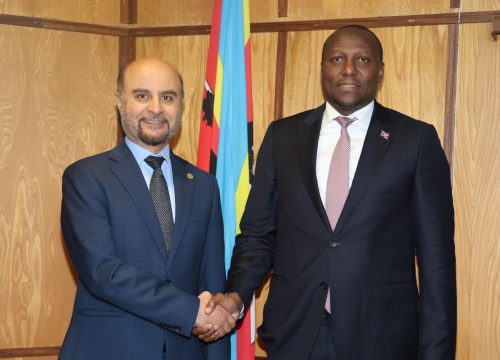
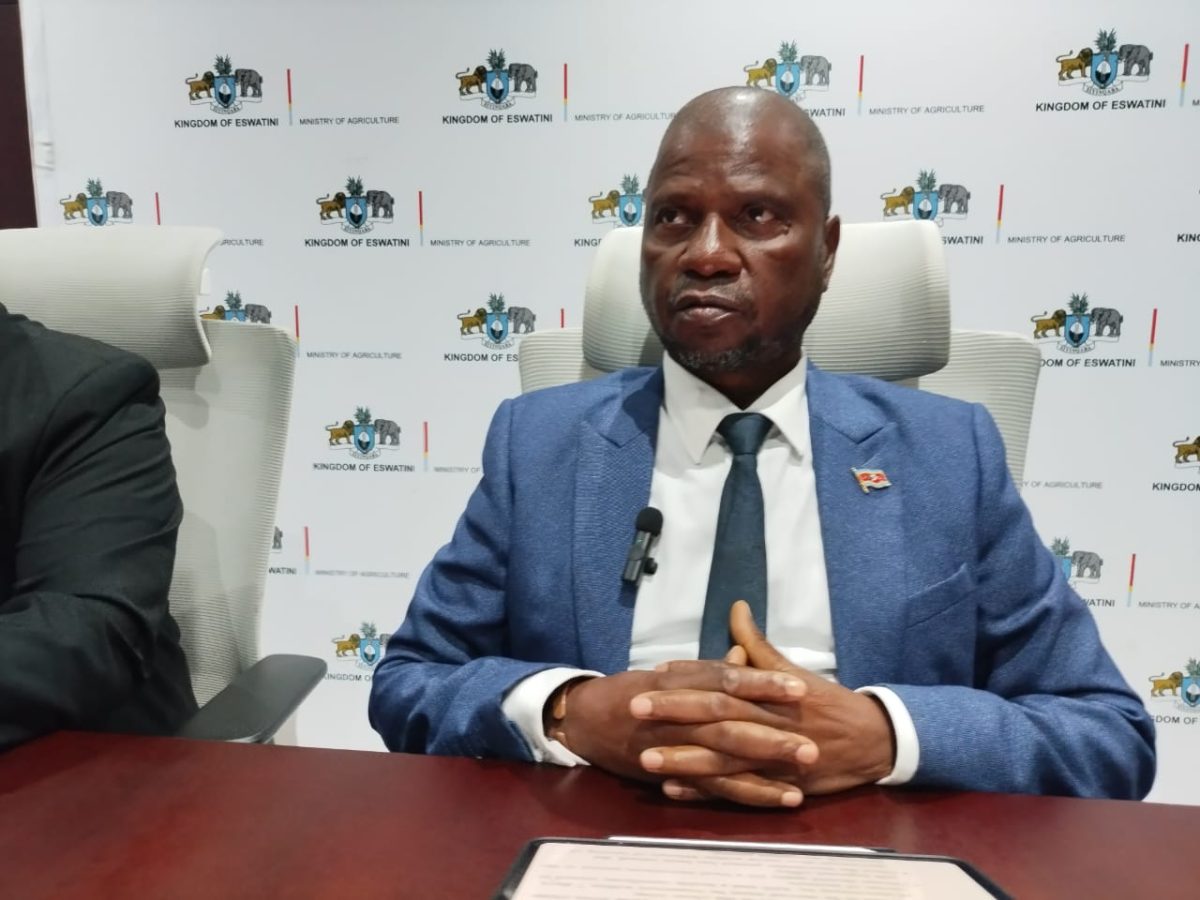
The announcement was made by Agriculture Minister Mandla Tshawuka, who framed the policy adjustment as a balance between economic rehabilitation and continued biosecurity vigilance.
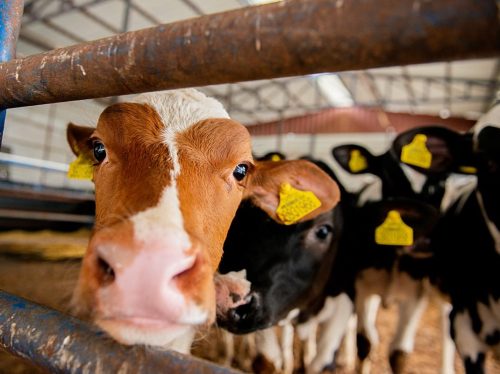
The revised framework allows controlled movement of cloven hoofed animals, including cattle, sheep, goats and pigs, primarily for slaughter, feedlot finishing and tightly regulated breeding activity.
At its core, the policy reflects an attempt to restart disrupted value chains without reopening pathways for disease resurgence. Each movement is subject to strict veterinary certification, pre movement inspection within seven days and transport under sealed conditions. Permits issued at sub regional level remain valid for only 48 hours, reinforcing traceability as a central pillar of the containment strategy.
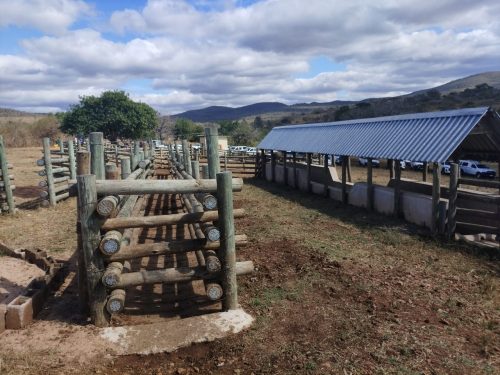
Feedlots, which function as critical aggregation points between primary producers and abattoirs, are among the immediate beneficiaries. Registered biosecure facilities may now receive cattle from designated zones, provided they secure veterinary clearance and a formal “no objection” from destination authorities. Animals must be held for a minimum of one month and a maximum of three months before slaughter, effectively reintroducing structured finishing cycles that had collapsed under earlier restrictions.
The implications for the beef industry are significant. Feedlots had been operating far below capacity, with knock on effects across transporters, abattoirs and input suppliers. The controlled reopening is expected to improve throughput, restore partial economies of scale and ease liquidity pressures that have constrained both commercial operators and smallholder farmers.
Breeding related movement remains far more restrictive. Livestock transfers are confined within sub regions and must occur between areas of equivalent vaccination status. Animals from non vaccinated dip tanks are restricted to similar zones, while partially vaccinated herds face similarly tiered limitations. Only fully vaccinated areas with no reported clinical cases, including Hluthi, Lavumisa and Lubuli, qualify for broader inter sub regional movement under the current regime.
Despite the easing, the Hhohho Region remains under tighter containment due to ongoing infections. Limited exceptions in selected urban and peri urban areas, including Lobamba and parts of Mbabane, will be assessed individually, reflecting uneven epidemiological progress across the country.
The policy shift carries clear economic intent. The outbreak had disrupted domestic supply chains, reduced feedlot utilisation and contributed to the suspension of beef exports, including access to premium markets such as the European Union. By reintroducing controlled livestock flows, authorities aim to restart the production pipeline from farm gate to abattoir while retaining disease containment discipline.
For feedlot operators, the reopening offers immediate operational relief. Idle capacity is expected to decline, turnover cycles should improve, and confidence among financiers may gradually return as risk profiles stabilise.
For smallholder farmers, the ability to re enter formal markets restores a critical income channel that had been severely constrained, particularly in areas dependent on livestock sales for household liquidity.
Yet the recovery remains fragile. The minister warned that illegal livestock movement, theft of veterinary cordon infrastructure and informal beef trade continue to undermine containment efforts. Such breaches, he indicated, could reverse recent gains and delay the restoration of export certification, a key long term objective for the sector.
Government has set July as the target for completing the national vaccination programme, a milestone viewed as essential for regaining disease free status recognition and reopening international markets. Until then, the current framework is expected to remain tightly enforced, with compliance positioned as the defining variable between gradual recovery and renewed outbreak risk.
In practical terms, the easing of restrictions does not signal a return to normality. Rather, it introduces a conditional reopening, where economic activity is permitted within tightly defined epidemiological boundaries. The livestock sector, particularly feedlots, now sits at the intersection of recovery and restraint, with future gains dependent on adherence to an increasingly technical regulatory regime.
Eswatini’s approach reflects a broader trend in livestock disease management across the region, where governments are attempting to reconcile trade dependent agricultural economies with persistent transboundary animal disease risks. In this context, the partial reopening is less a policy reversal than a controlled experiment in economic reactivation under surveillance.
For now, the message from authorities is unambiguous. Opportunity has returned to the feedlot sector, but it is conditional, monitored and reversible.