
BY: PHESHEYA KUNENE | EDITOR
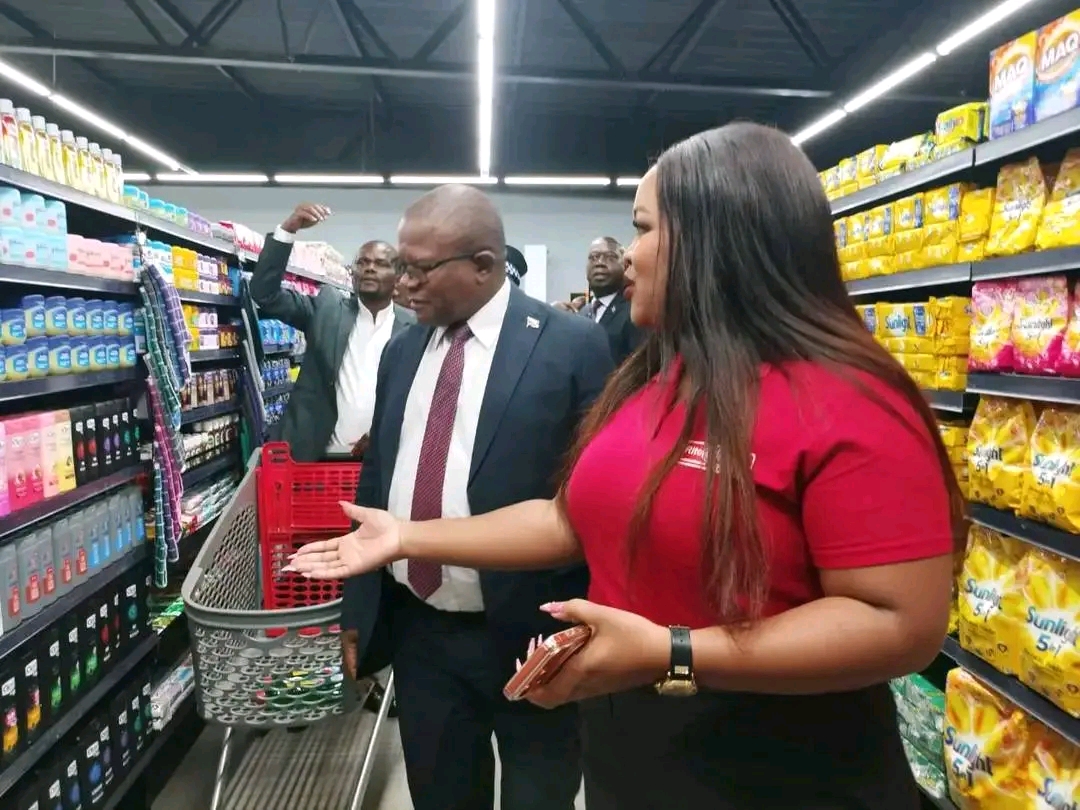
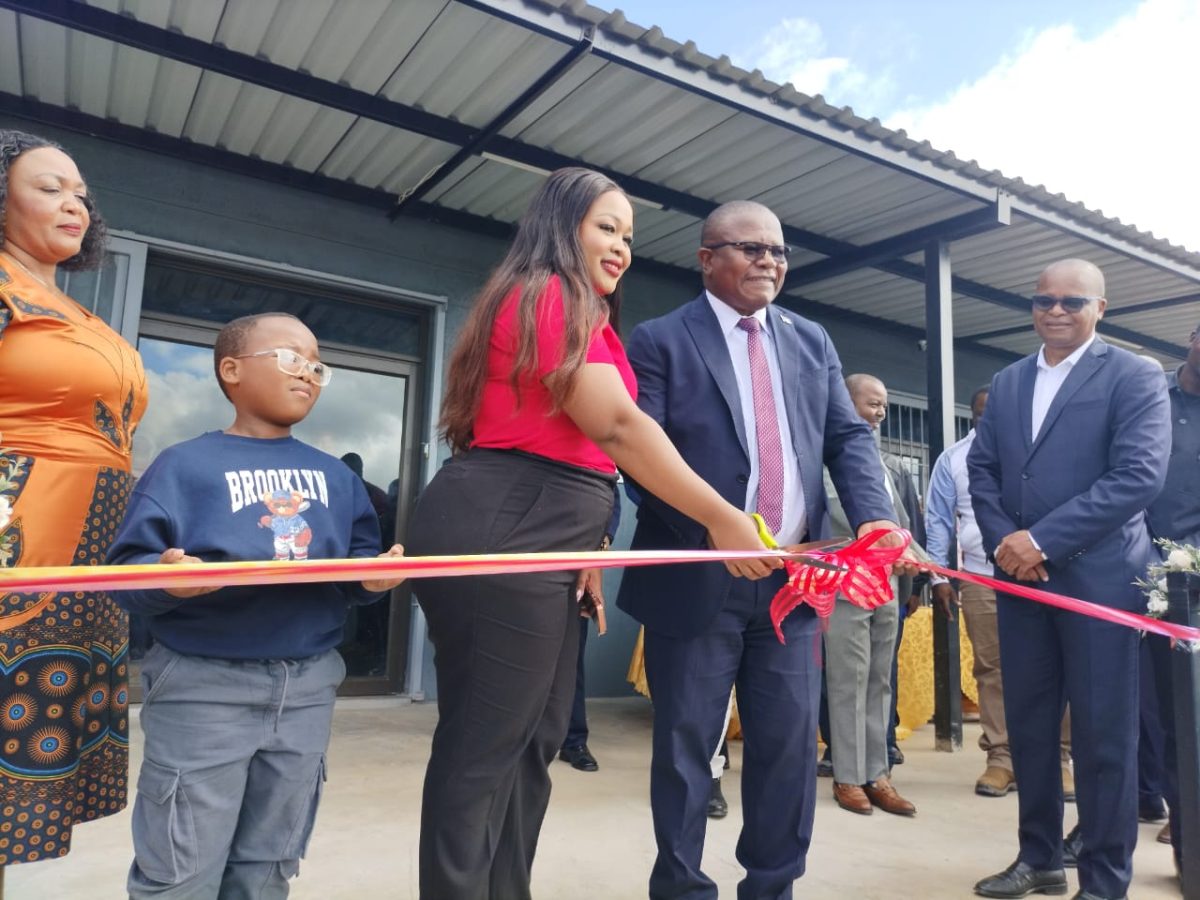
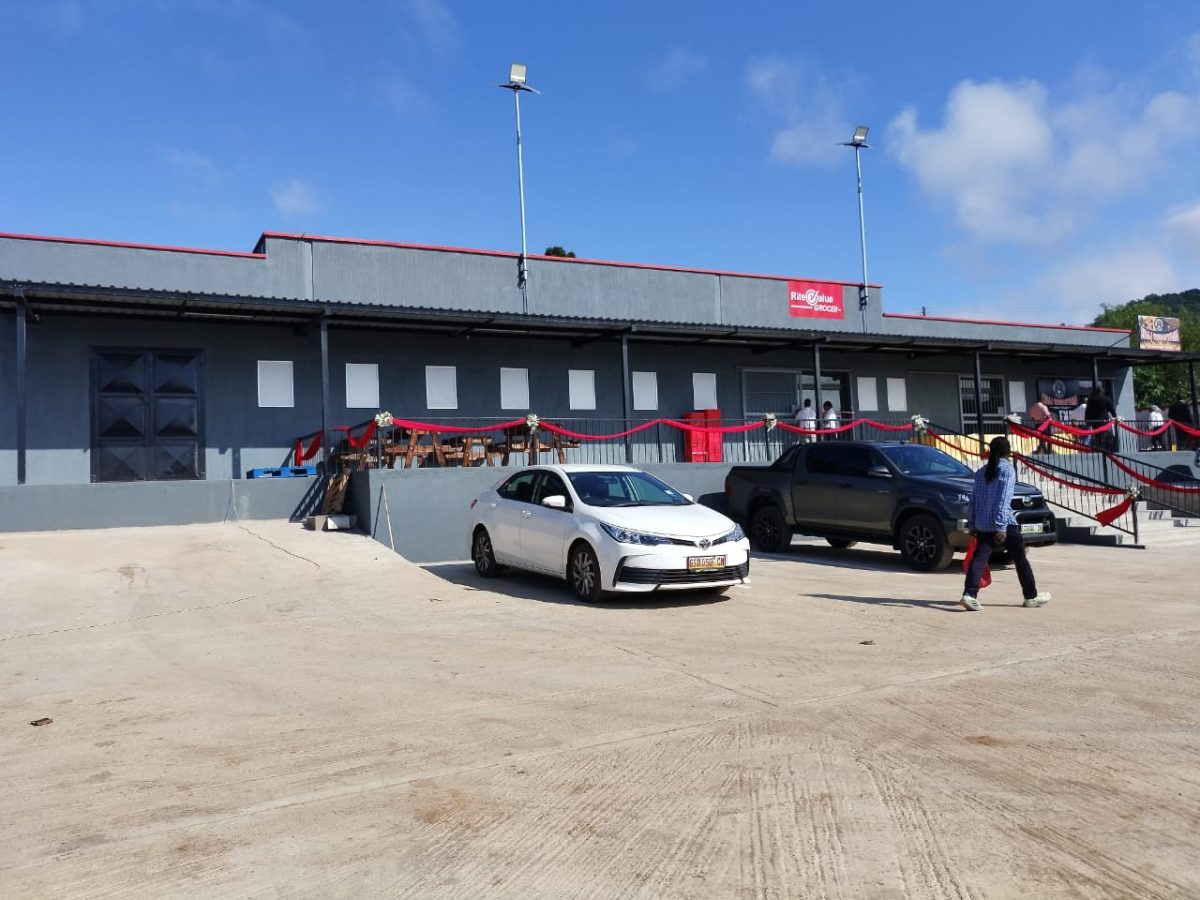
MANZINI – The E4 million KaKhoza Complex in Sicelweni has officially opened, creating more than 50 jobs and strengthening linkages between livestock farmers, feedlots and formal retail markets through an integrated agricultural value chain anchored by LINAC Enterprise, owner of OK Foods stores.
The project was financed with E2.4 million support from Eswatini Bank.
The development brings together Rite Value Grocer, Sisaj Butchery, a pharmacy, electronics shop, salon and other services under one commercial hub, positioning it as a structured market link between Eswatini’s agricultural production base and retail economy.
Minister of Commerce, Industry and Trade Manqoba Khumalo said the investment demonstrates how private sector led developments can directly strengthen local production systems and community economies.
“This is not just about opening a building, it is about unlocking opportunity, bringing services closer to the people, and ensuring that development benefits emaSwati directly,” Khumalo said.

“What we are seeing here is a model where local producers, local contractors and local consumers are all part of the same economic cycle.”
He added that the use of local contractors during construction reflects the importance of domestic participation in national development.
“This complex stands as a testament to our own people. It shows that emaSwati are capable, competitive, and ready to deliver infrastructure that meets national standards,” he said.
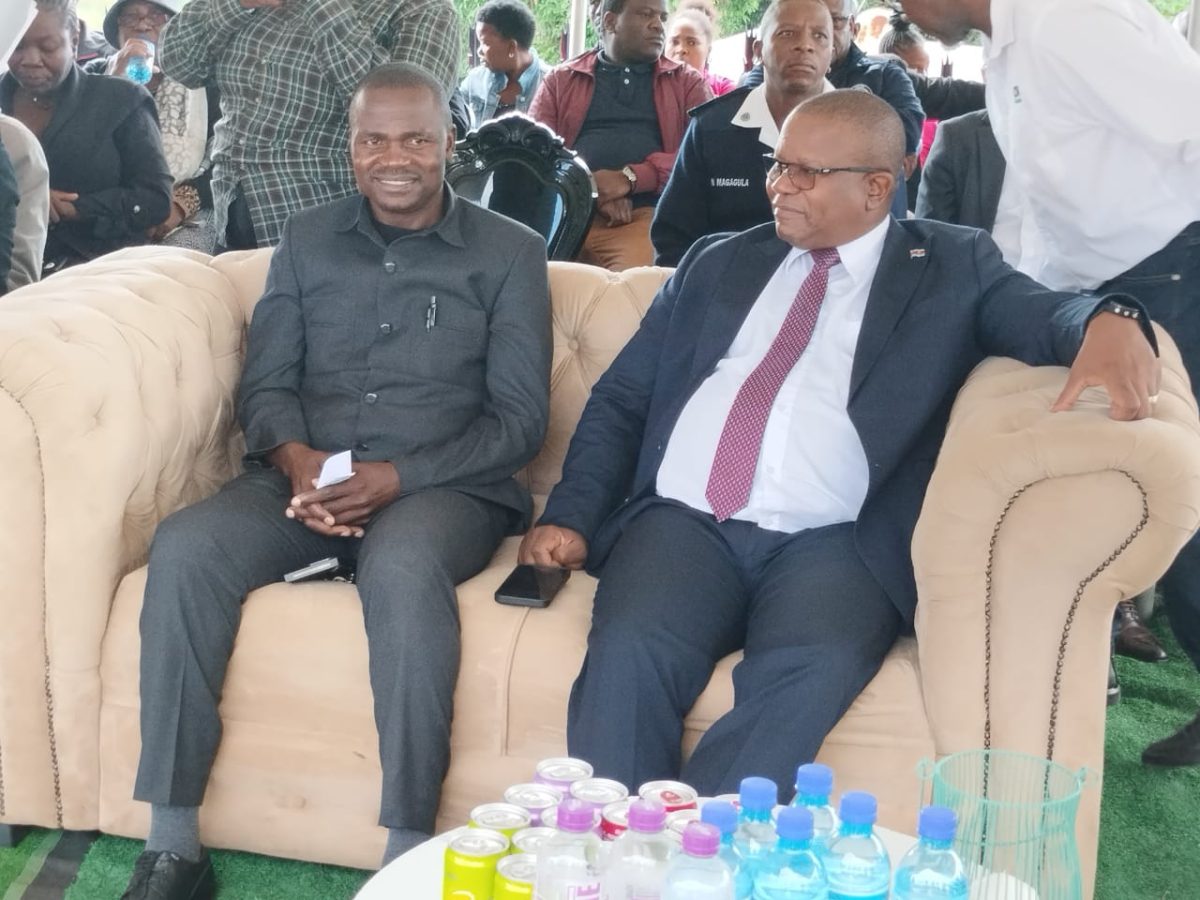
Eswatini Bank Executive Manager Mbongeni Bhembe said the financing aligns with the bank’s broader strategy of supporting productive sectors that generate long term economic impact.
“Kakhoza Complex is not just a structure, it is a catalyst for economic activity. It demonstrates how targeted financing can unlock local potential and create sustainable livelihoods,” Bhembe said.
“We deliberately invest in projects that stimulate local economies, support agribusiness and strengthen value chains that keep wealth circulating within the country.”
LINAC Group Director Lincoln Motsa said the development forms part of a wider strategy to decentralise retail services while strengthening agricultural supply linkages.
“Our mission is simple, to bring world class services where people live,” Motsa said.
“We are integrating farmers into formal retail systems so that production, processing and consumption are connected in a way that benefits emaSwati at every level of the value chain.”
He added that LINAC’s retail formats, including OK Foods, OK Grocer and Rite Value, are designed to serve different market segments without compromising quality.
“We do not lower standards depending on location. Whether in urban or rural areas, our commitment is consistent quality, fair pricing and reliable service,” he said.
Perennial Director Temavulane Motsa said the complex represents a broader economic empowerment vision aimed at strengthening local enterprise participation.
“This is more than retail expansion, it is a structured empowerment platform,” Motsa said. “We are building a system that connects farmers, small businesses and consumers, while ensuring that local producers are fully integrated into modern supply chains.”
She added that the model supports inclusive growth by prioritising local sourcing and enterprise development.
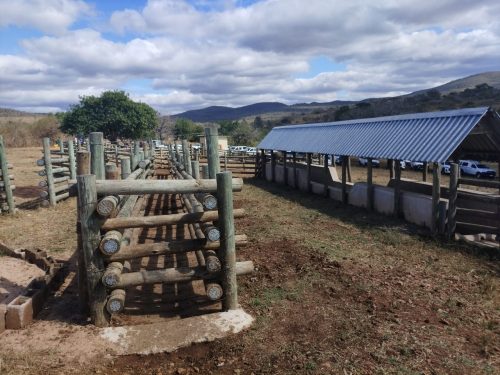
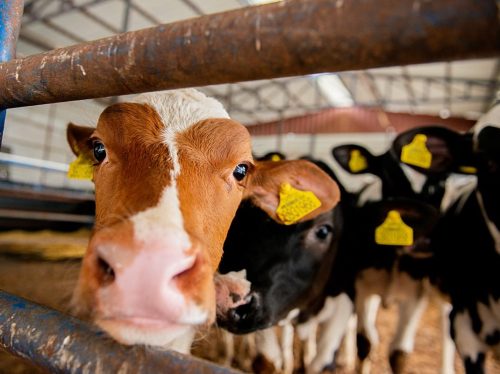
At the centre of the agricultural linkage is Sisaj Butchery, co-owned by Sibusiso Shabangu and Sandile Mkhulisi, who also operate a feedlot and abattoir in LaMgabhi, Bhunya. Their operations connect cattle farmers to structured feedlot finishing, formal slaughter and retail distribution.
Shabangu said the business grew out of early opportunities within LINAC’s retail network and has since expanded into a vertically integrated agribusiness system.
“We started by supplying meat to OK Foods stores. That relationship allowed us to build capacity and invest in feedlot and abattoir operations,” Shabangu said.
“Today we are creating a structured system where farmers have a reliable market and consumers receive safe, high quality beef.”
He added that expansion plans aim to extend the model across the country to strengthen livestock markets and improve farmer stability.
“We want emaSwati farmers to benefit from predictable demand. When farmers grow, the entire economy grows with them,” he said.
The agricultural impact of the KaKhoza Complex is already visible through improved market access for livestock farmers and increased demand for feedlot operations. By linking feedlots, abattoirs and retail outlets, the system reduces inefficiencies and strengthens price stability in the beef value chain.
For farmers, the model offers more structured off take arrangements compared to informal markets, while feedlots benefit from increased cattle throughput and improved operational planning.
However, stakeholders note that long term success will depend on consistent livestock supply, logistical coordination and sustained collaboration across the value chain.
Even so, the KaKhoza Complex signals a growing shift in Eswatini’s agribusiness landscape, where retail infrastructure is increasingly functioning as an extension of agricultural production systems rather than a separate commercial layer, with direct implications for rural incomes, beef production and national economic resilience.