

BY: PHESHEYA KUNENE | EDITOR
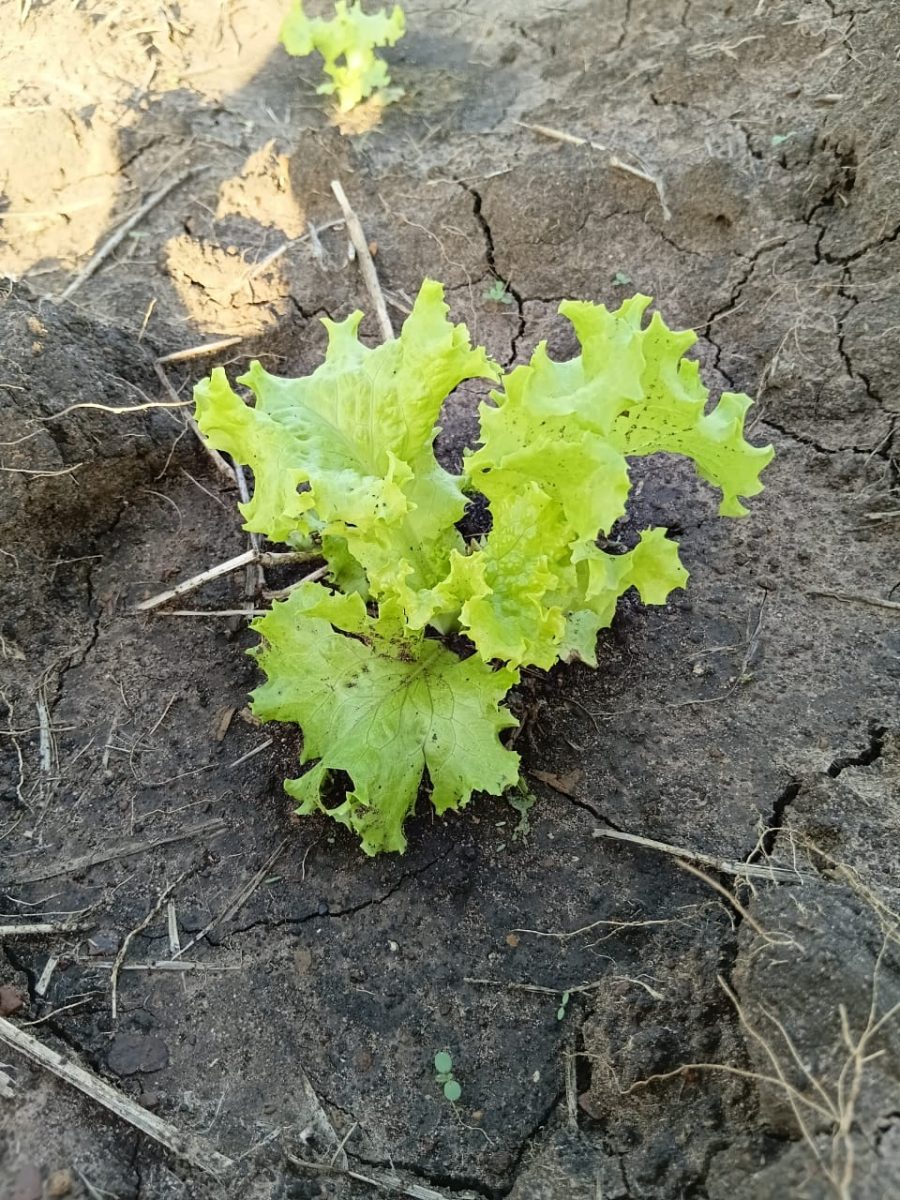
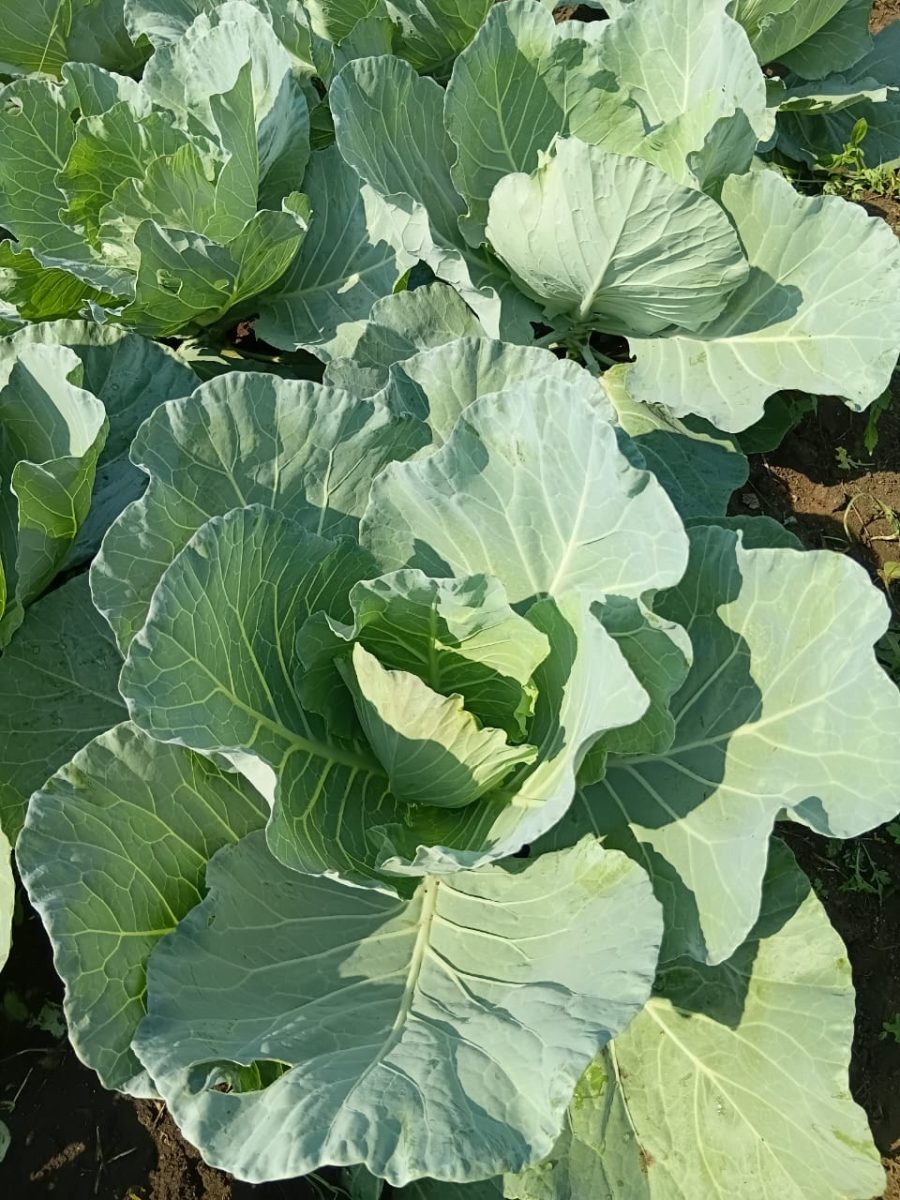
MATSETSA – A young vegetable farmer in Matsetsa, Melissa Smith, is developing a small but structured horticultural enterprise on a one-hectare plot, supplying cabbage, lettuce, butternut and other crops to local retail outlets and community markets.
Smith, who previously worked in customer service at MTN, returned to farming after the death of her father, taking over land he had allocated for agricultural use. She now operates a vegetable-focused production system targeting nearby buyers, including Mpaka SaveMore, informal traders and household consumers.
Her farming foundation is rooted in family agriculture. Raised by her grandparents, she was exposed early to mixed farming, including maize production and poultry rearing. That background, she says, shaped her understanding of farming as both a livelihood and a survival system.
Her current production is concentrated on leafy and field vegetables, with cabbage, lettuce and butternut forming her core crops. She is also preparing to introduce cayenne peppers as part of a planned diversification strategy.
Water access remains her most significant constraint. The farm relies on Eswatini Water Services Corporation supply and rainwater harvesting, both of which are costly and unreliable for consistent irrigation. This has limited her ability to scale production, particularly during dry periods.
Financial constraints have also slowed expansion. While she previously attempted poultry production, she has since paused it due to funding limitations, focusing instead on stabilising vegetable output.
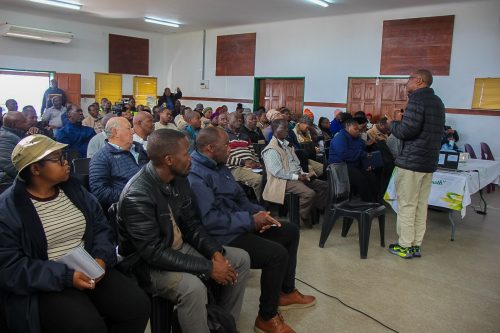
Despite these challenges, Smith has gradually built technical capacity through training. She has attended agricultural workshops, including poultry production training at Kitali, and completed bookkeeping training through Likusasa Letfu. She is currently enrolled in a tunnel farming programme supported by the Woman Farmer Foundation, focused on controlled environment vegetable production.
The programme has introduced her to improved horticultural practices, including irrigation efficiency, pest management techniques such as companion planting, and production systems suited for winter conditions, when pest pressure is generally lower.
Smith is now shifting toward more structured vegetable production under tunnel systems, with a long-term plan to improve yield consistency and reduce weather dependency.
Her strategy is increasingly market-oriented. Produce is sold directly to retail outlets and community buyers, with production decisions influenced by demand rather than output alone.
She says this approach is critical for sustainability.
“Farming must be linked to a market. You cannot just produce without knowing who will buy,” she said.
Smith identifies water management as the most urgent sector-wide challenge for vegetable farmers, particularly smallholders who depend on rainwater and expensive municipal supply.
She has also called for more practical, community-based agricultural training, especially in irrigation systems.
“Farmers need hands-on training where they are, not only in towns. Water management should be a priority because it affects everything we produce,” she said.
Despite the constraints, she continues to expand gradually, adjusting crop cycles based on seasonal conditions and available resources.
Her long-term plan is to build a stable vegetable production unit capable of supplying consistent volumes to formal and informal markets, while gradually improving infrastructure and irrigation capacity.
For now, her operation remains small in scale but commercially structured in approach, reflecting a growing class of young vegetable farmers attempting to transition from subsistence inheritance to market-driven production systems in Eswatini’s rural economy.