
Minister of Finance Neal Rijkenberg, Minister of Agriculture Mandla Tshawuka and senior Government officials also attended the meeting.
BY: PHESHEYA KUNENE | EDITOR
MBABANE – The OPEC Fund for International Development is seeking to expand its investment in the country’s agriculture sector, building on a partnership with the Kingdom dating back to 2007.
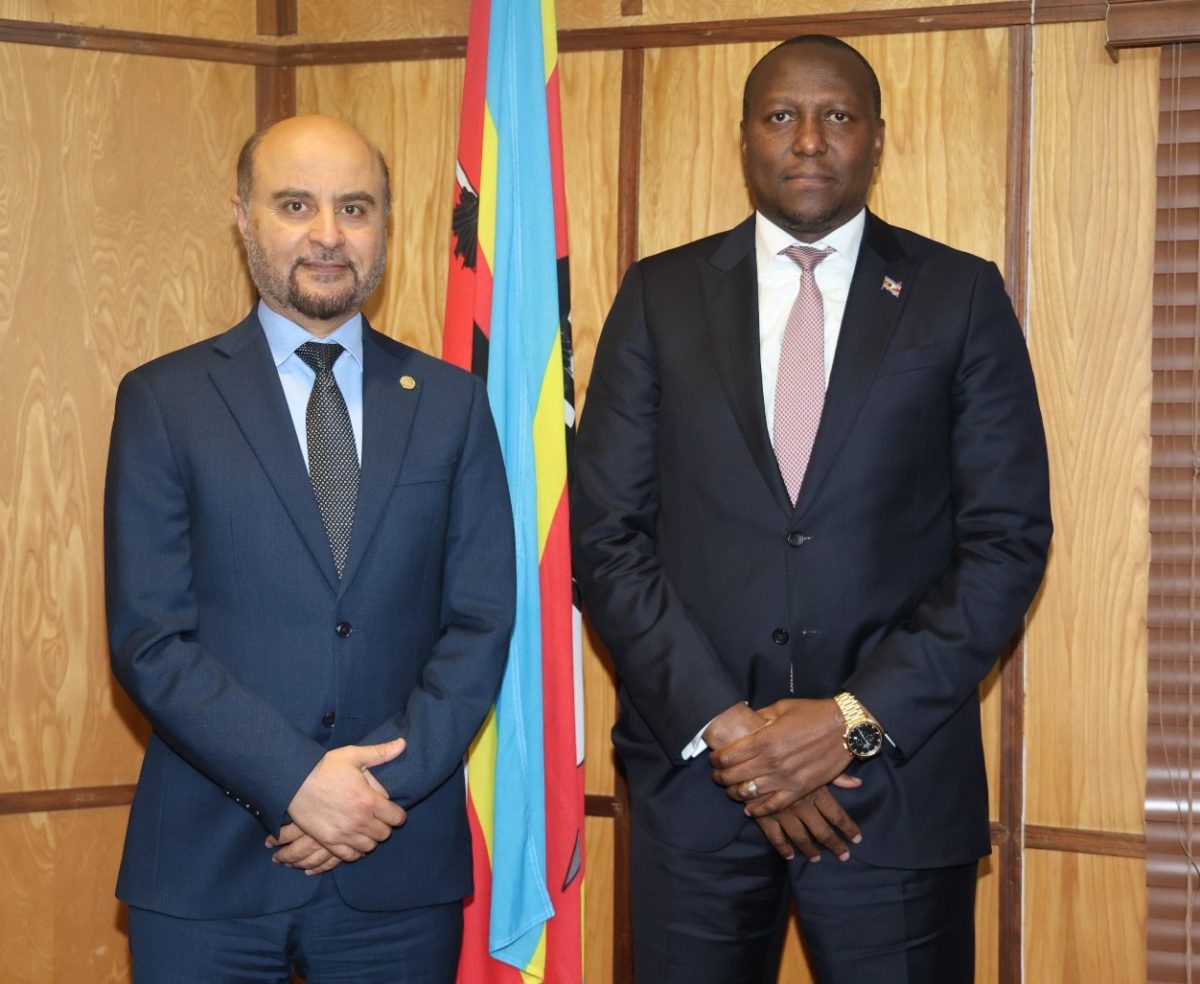
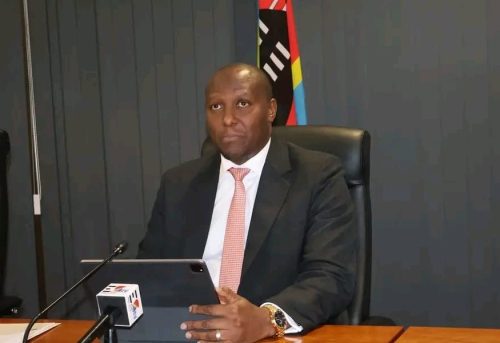
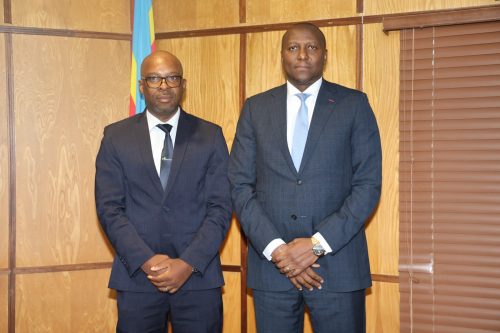
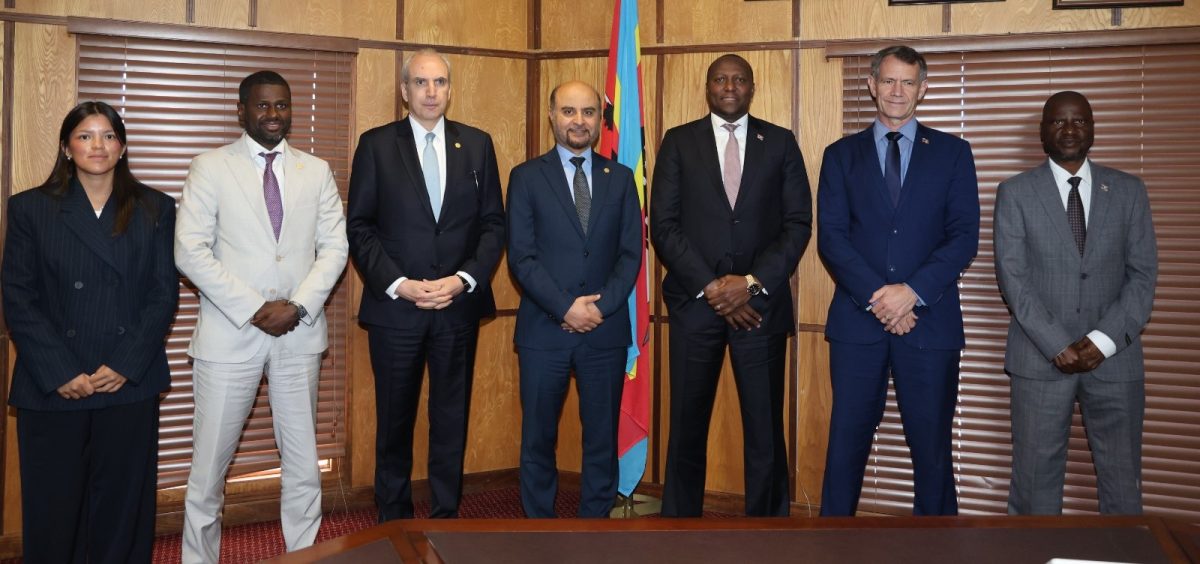
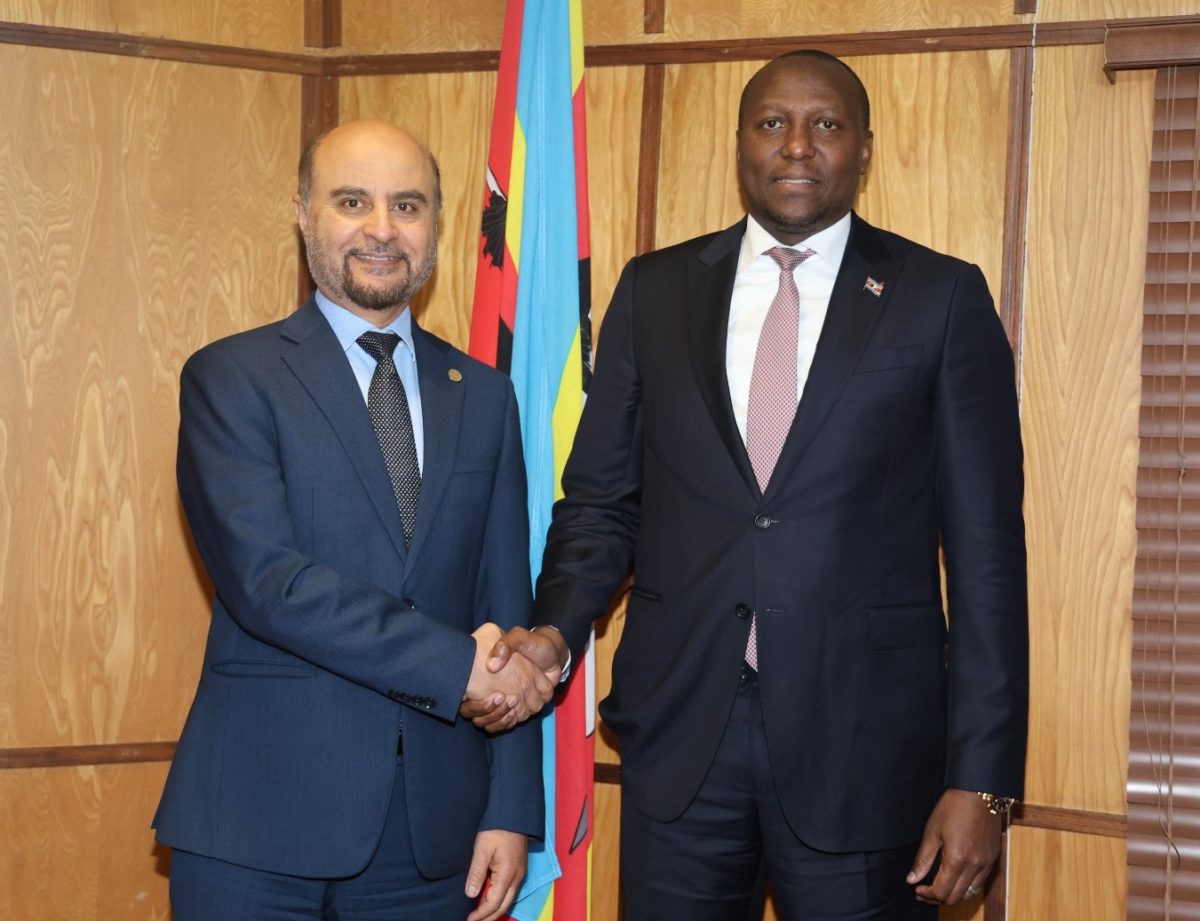
Prime Minister Russell Mmiso Dlamini on Monday, 17 August, received an OPEC Fund delegation led by its President, Dr Abdulhamid Alkhalifa, at the Private and Cabinet Office, where discussions focused on expanding cooperation, particularly in agriculture.
Minister of Finance Neal Rijkenberg, Minister of Agriculture Mandla Tshawuka and senior Government officials also attended the meeting.
Dr Alkhalifa said the Fund and Eswatini had developed a strong relationship and there was room to broaden it, with agriculture identified as a key area for further cooperation.
BILLIONS INVESTED, AGRICULTURE IN FOCUS
OPEC Fund records show that total approvals to Eswatini across agriculture, transport, water and sanitation, finance and other sectors have reached US$137.19 million, approximately E2.2 billion.
Agriculture is already benefiting through the Mkhondvo-Ngwavuma Water Augmentation Programme (MNWAP) Phase 2.
The OPEC Fund approved US$20 million, approximately E323 million, towards the programme in 2023, with the financing agreement signed in December 2024.
The wider MNWAP Phase 2 development has an estimated project cost of US$213.5 million, approximately E3.45 billion, with financing involving Government and development partners.
The programme includes a 38-kilometre pipeline and distribution network and more than 4,100 hectares of irrigation development, with over 35,000 people expected to benefit.
OPEC Fund-backed infrastructure has also previously reached farming communities. In 2010, the Fund approved US$14.16 million, approximately E229 million, for the Lower Usuthu Water Supply Project, targeting about 30,000 people in an area where many households depended on small-scale agriculture.
For farmers, the numbers matter. Reliable irrigation can reduce dependence on unpredictable rainfall, support more consistent production and bring additional land into commercial agriculture.
PM PUSHES BORROWING FOR GROWTH
Prime Minister Dlamini told the delegation that Government wants to increasingly borrow for productive investment rather than budget support.
He said financing should stimulate economic activity, create jobs for emaSwati and generate sustainable economic returns.
Dlamini also raised concerns about international financing and procurement models where significant portions of project spending can benefit foreign companies while leaving limited opportunities for local businesses and workers.
Dr Alkhalifa said the OPEC Fund’s approach was aligned with Eswatini’s vision of borrowing for growth. He added that its procurement policies were flexible and could support greater local participation while maximising the developmental impact of investments.
OPPORTUNITY BEYOND THE FARM GATE
Deeper cooperation could unlock further investment in irrigation, commercial farming, climate-resilient production and agricultural value chains.
The benefits need not stop at the farm gate. Increased agricultural production creates opportunities for agro-processing, storage, transport, mechanisation, agricultural inputs and market development.
For Eswatini, the next test is turning the talks into productive investment.
If additional financing reaches irrigation schemes, farmers and agricultural enterprises, the OPEC Fund partnership could help the country increase production while creating jobs and strengthening local businesses.
In agriculture, that is where borrowed money can become productive money.