
BY: SIBUSISO MNGADI | EDITOR-IN-CHIEF
MBABANE — Eswatini is moving to stop financing its green economy one donor grant at a time. The Government has resolved to transform the modest Eswatini Environment Fund into a “mega fund” capable of mobilising significant climate and development finance — and it is studying Namibia, whose own environment fund has grown into one of the continent’s more successful climate-finance vehicles, as the blueprint.
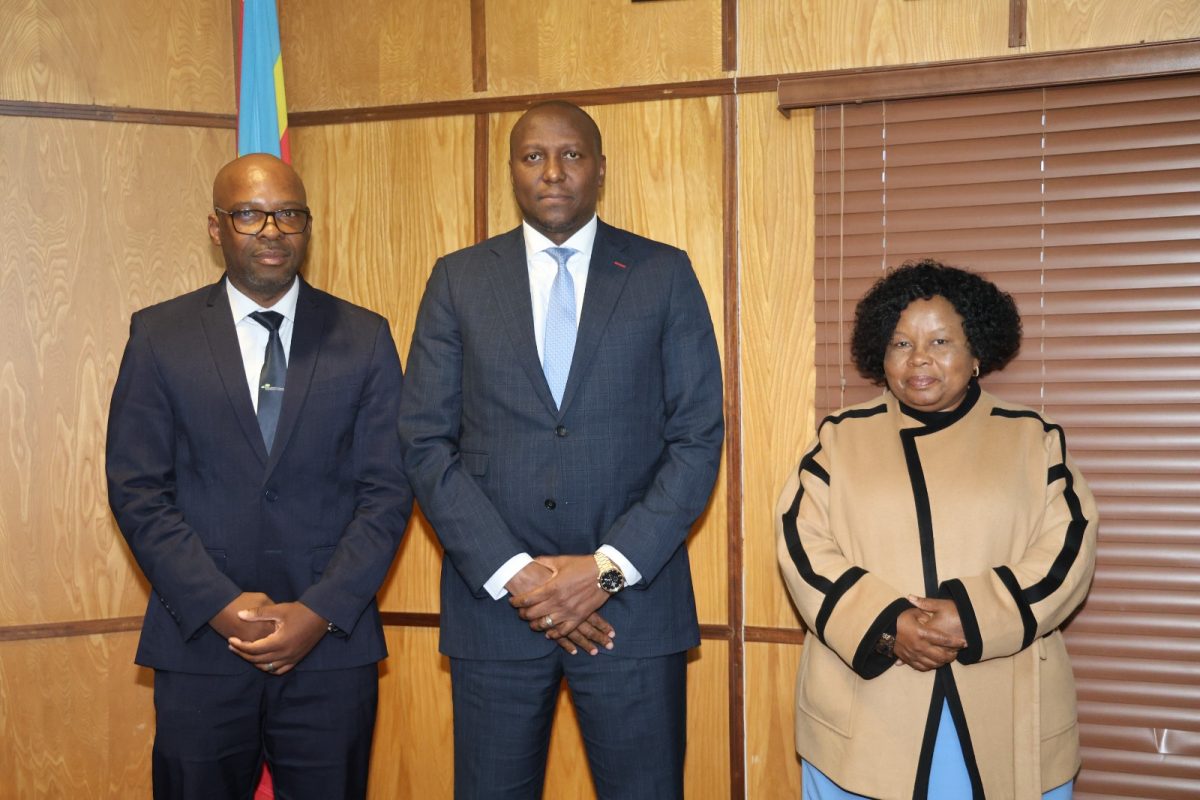
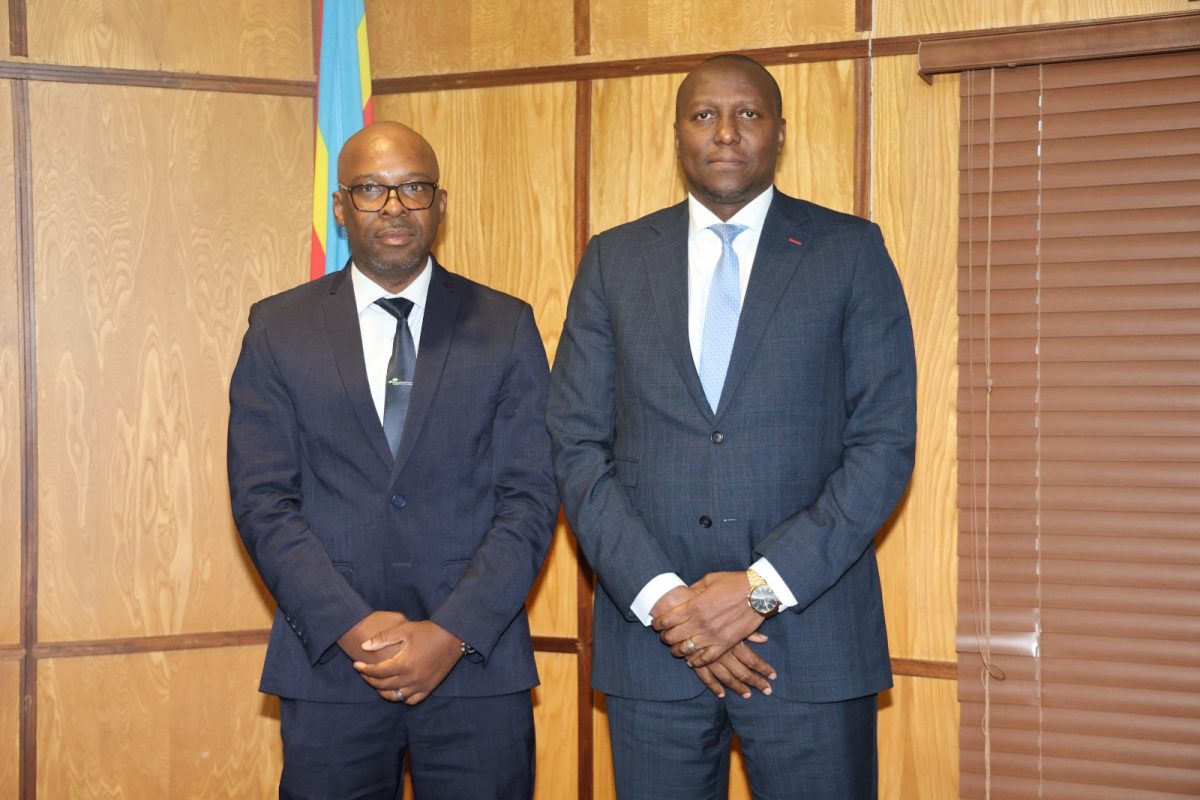
That ambition brought a delegation from the Environmental Investment Fund of Namibia (EIF) to Prime Minister Russell Mmiso Dlamini this week. Led by EIF Chief Executive Officer Benedict Libanda, the team briefed the Prime Minister on how Namibia built and scaled its fund, and shared a preliminary assessment of what a similar model could achieve in Eswatini. The visit follows Cabinet’s approval of the transformation.
The appeal of the Namibian example lies in what a national fund can become. According to the delegation, the EIF has mobilised substantial financing since its establishment and channelled it across sustainable agriculture — with a focus on drought-resistant crops and livestock — alongside renewable energy, biodiversity conservation, waste management, marine projects and carbon markets. Crucially, it does not simply hand out grants: the fund works with commercial banks to de-risk lending, making it easier for ordinary people and businesses to access finance for sustainable projects. Libanda told the Prime Minister the fund had also recently tied up a major financing arrangement running into hundreds of millions of US dollars, blending a portion of grant money with credit extended to businesses.

For Eswatini, the significance is less about the ceremony and more about the mechanism. A well-capitalised environment fund that shares risk with lenders could open credit lines that individual farmers and green entrepreneurs cannot currently reach — for solar-powered irrigation, climate-smart agriculture, or small renewable-energy ventures. In a sector where the binding constraint is often bankability rather than ideas, that is the difference between a project that stays on paper and one that gets built.
Sharing the delegation’s preliminary findings, Libanda said Eswatini held significant opportunity in renewable energy, and in solar in particular, which could anchor a strengthened environmental financing model. The Prime Minister welcomed the insights and said he looked forward to receiving a concept note setting out how Eswatini could build its own version — or a hybrid approach tailored to the Kingdom’s development needs.
The groundwork is already under way. Minister of Tourism and Environmental Affairs Jane Mkhonta-Simelane told the Prime Minister that the Eswatini Environment Fund and the EIF were drafting a Memorandum of Understanding to formalise and strengthen cooperation between the two institutions.
The proposed partnership is expected to lift Eswatini’s capacity to mobilise both domestic and international climate finance, and to unlock investment in renewable energy, sustainable agriculture, environmental conservation and other green opportunities. The harder question — the one that will define whether the mega fund is a milestone or a memo — is whether that capital reaches the farmers, enterprises and communities who need it most, rather than pooling at the top of the system.