
…PM’s tour showcases how strategic financing is moving Eswatini agriculture from subsistence to commercial enterprise
BY: PHESHEYA KUNENE | EDITOR
HLANE – Less than two years after its establishment, the Eswatini Agriculture Development Fund (EADF) is beginning to produce visible results on farms across the country, with beneficiaries expanding production, creating jobs and positioning themselves for commercial growth.
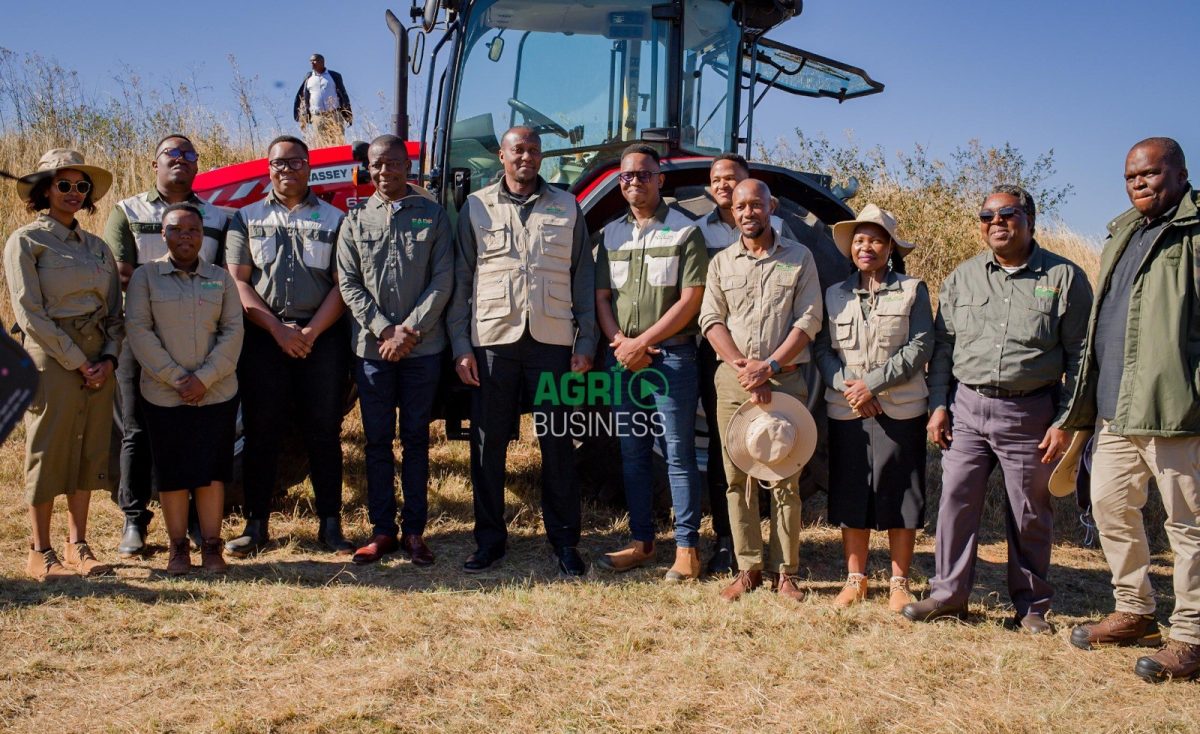
During a tour of EADF-supported projects in the Shiselweni and Lubombo regions, Prime Minister Russell Mmiso Dlamini visited three enterprises that together tell a broader story about the future of agriculture in Eswatini: an 80-hectare maize and bean operation in Sicunusa, a commercial egg production enterprise in Njojane, and a large-scale broiler facility in Hlane.
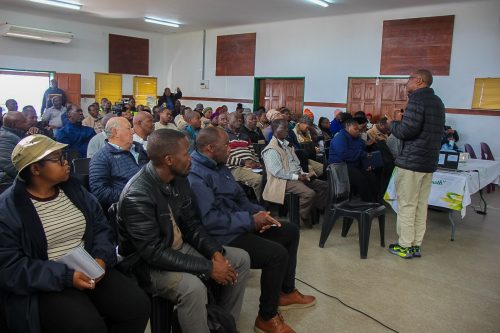
The tour started with a breakfast briefing at Happy Valley Hotel, where EADF Director Nokwazi Mamba-Hlophe presented the Fund’s progress and impact.
She said the Fund was created as a strategic vehicle to unlock agricultural growth, improve productivity and widen access to finance for farmers and agribusinesses.
Mamba-Hlophe said the EADF had already disbursed E42.7 million, supported 79 beneficiaries through direct loans, and financed projects across grains, horticulture and livestock.
“The EADF is not just funding farmers; it is catalysing agricultural growth, supporting business expansion and increasing incomes in farming communities,” Mamba-Hlophe said, adding that the Fund was also driving mechanisation, climate-smart technologies and rural employment.
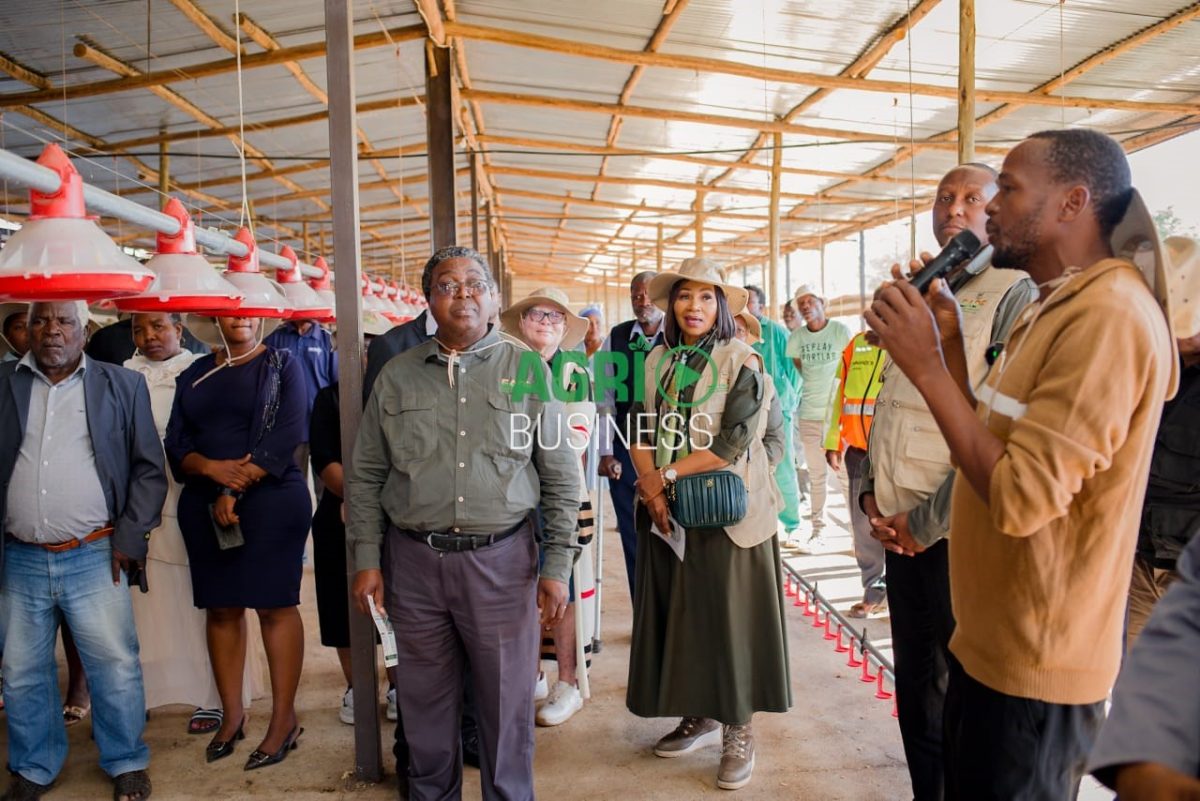
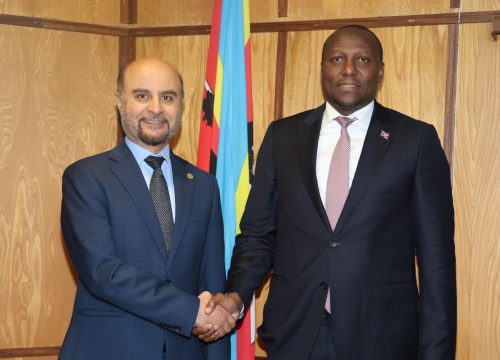
Speaking during the tour, Prime Minister Dlamini said the projects demonstrated how targeted financing could unlock agricultural productivity while advancing food sovereignty, job creation and rural economic development.
“The progress achieved through the Fund in a relatively short period has been both encouraging and inspiring,” he said.
FOUR BROTHERS, ONE VISION
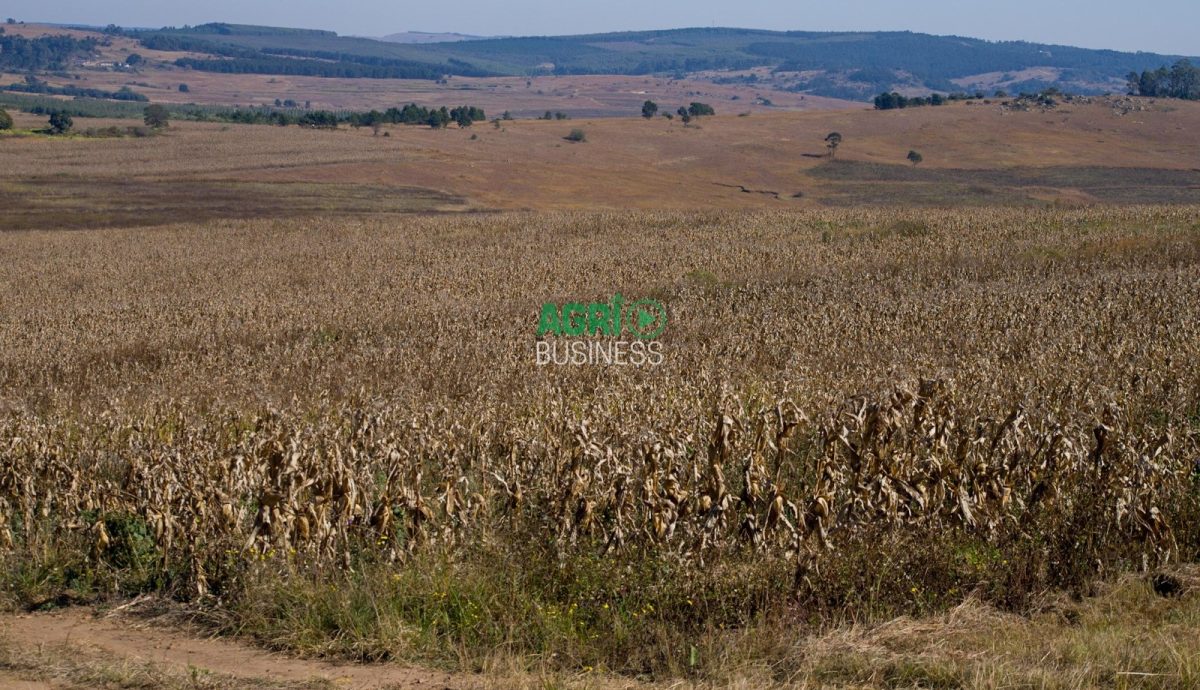
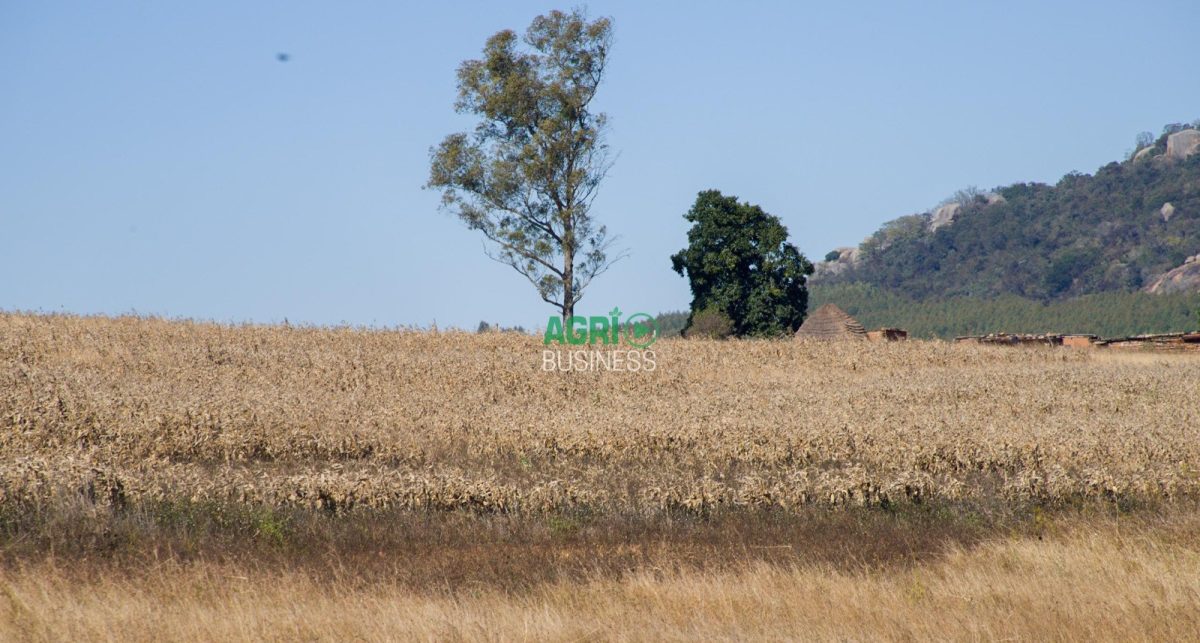
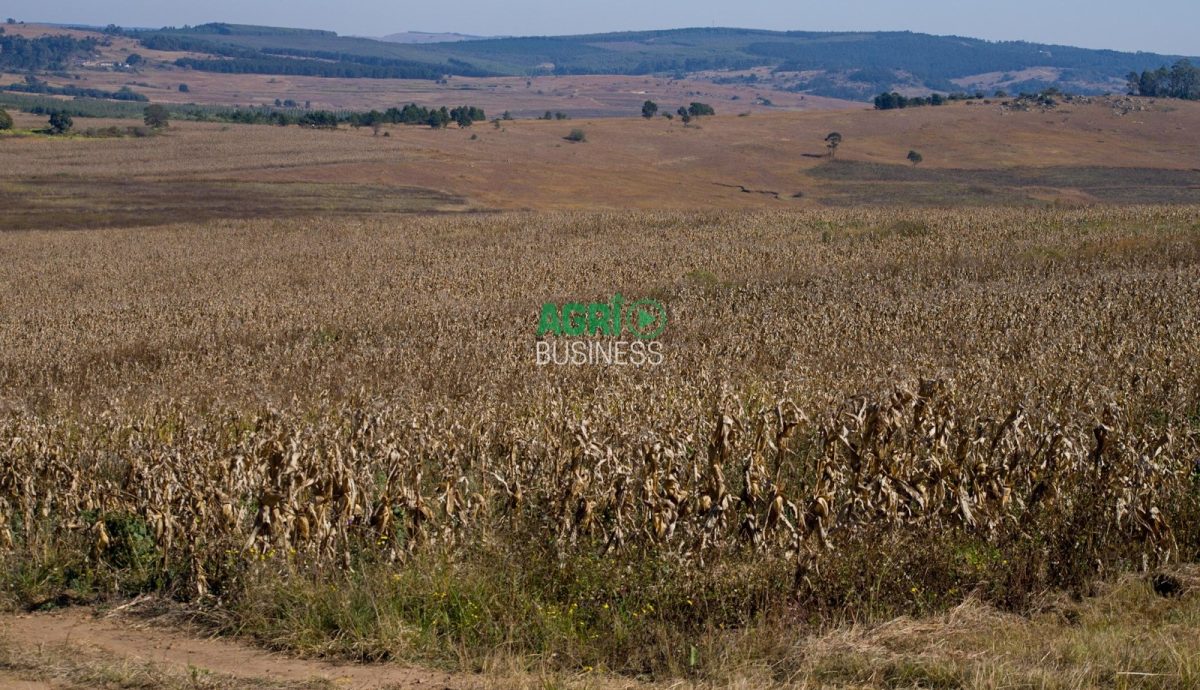
The first stop was Agro-Acres, an 80-hectare maize and bean enterprise operated by four brothers from the Mkhaliphi family under Infinito Pty Ltd.
What impressed visitors was not only the scale of production but also the clarity of vision displayed by the young farmers.
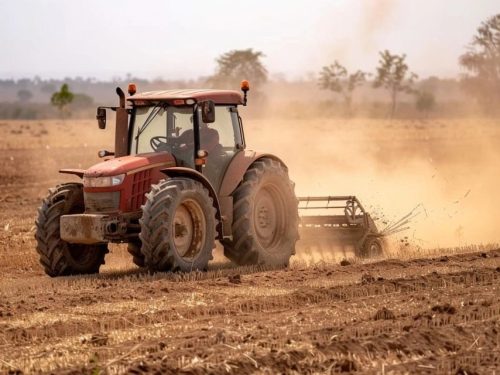
Co-founder Ndumiso Mkhaliphi told the Prime Minister that the enterprise had grown rapidly after receiving more than E2.3 million in EADF support, including a tractor and farming implements.
“Three seasons ago, we harvested barely 3.4 tonnes per hectare on 20 hectares. Today we have expanded to 60 hectares and are producing close to five tonnes per hectare. Our target is seven to eight tonnes per hectare,” he said.
Mkhaliphi said the business currently employs 10 permanent workers and 101 seasonal employees, most of them young people from surrounding communities.
In a speech that drew praise from officials, the young farmer argued that access to finance, rather than collateral, was the missing ingredient preventing many young people from succeeding in agriculture.
“Collateral is not the same as capability. What we lacked was a bridge. Government built that bridge and we crossed it,” he said.
He further challenged policymakers to expand access to agricultural financing through digital application systems, group guarantee schemes and innovative repayment mechanisms linked to grain production.
The Prime Minister described the siblings as a model of what youth participation in agriculture could achieve when ambition is matched with opportunity.
EGGS, INCOME AND BIGGER DREAMS
At Njojane, the delegation visited the poultry enterprise of Zwelithini Felix Nkentshane, who has transformed a modest layers project into a growing commercial operation.
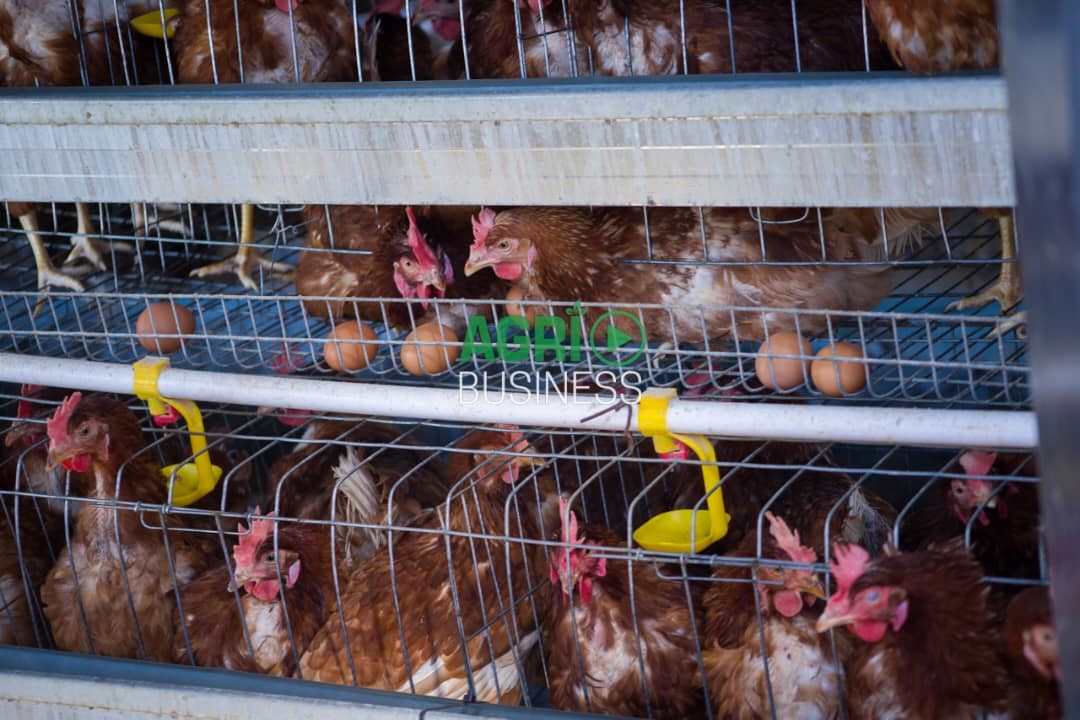
With E361,293 in EADF support, Nkentshane expanded his flock from 400 to 1,600 layers. The enterprise now generates approximately E60,000 in monthly gross income.
Nkentshane said he had already begun repaying the loan and thanked Government and the EADF for giving him an opportunity to grow.
“My dream is to expand this enterprise, export eggs outside Eswatini, employ more people and eventually produce agricultural inputs as well,” he said.
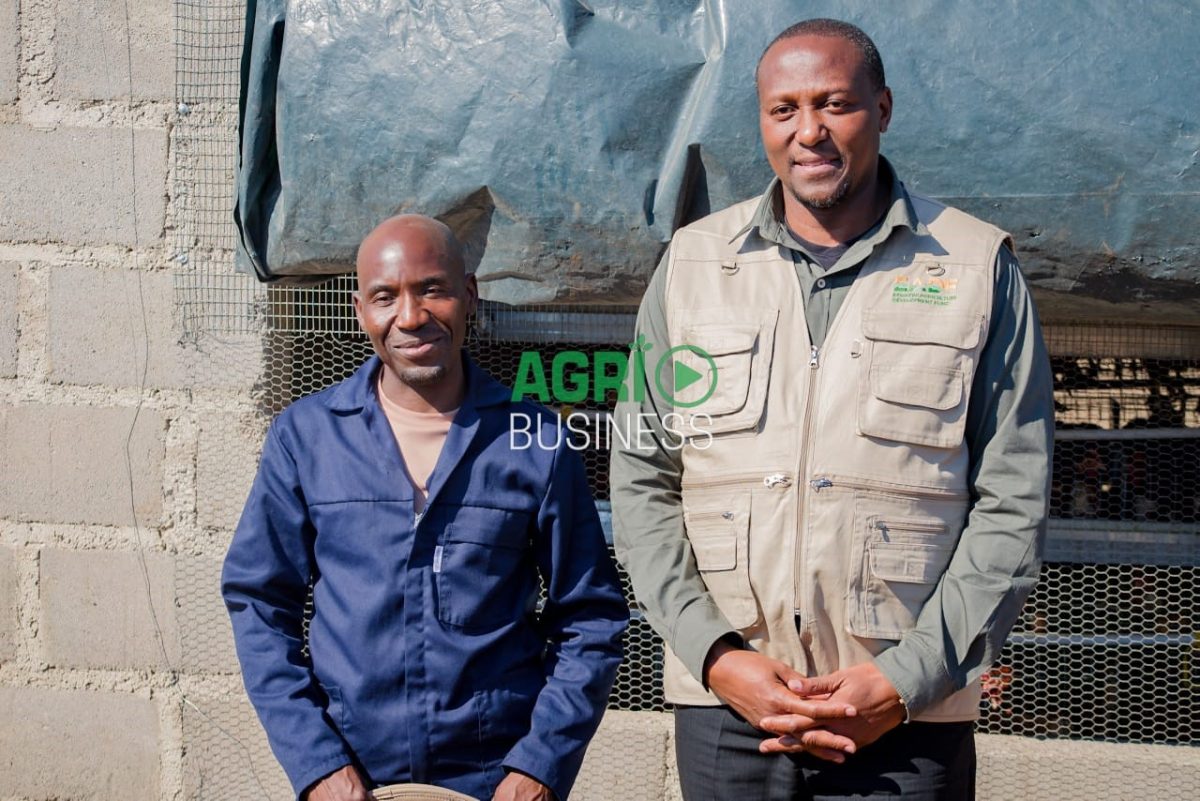
After the visit, the farmer presented the Prime Minister with a goat as a gesture of appreciation.
He also encouraged other farmers to take advantage of the Fund.
“Many farmers have good ideas but lack capital. This funding can help people move from small-scale farming to commercial production,” he said.
MAGAGULA’S POULTRY EMPIRE TURNS HEADS
The final stop at Hlane arguably produced the day’s most captivating discussion.
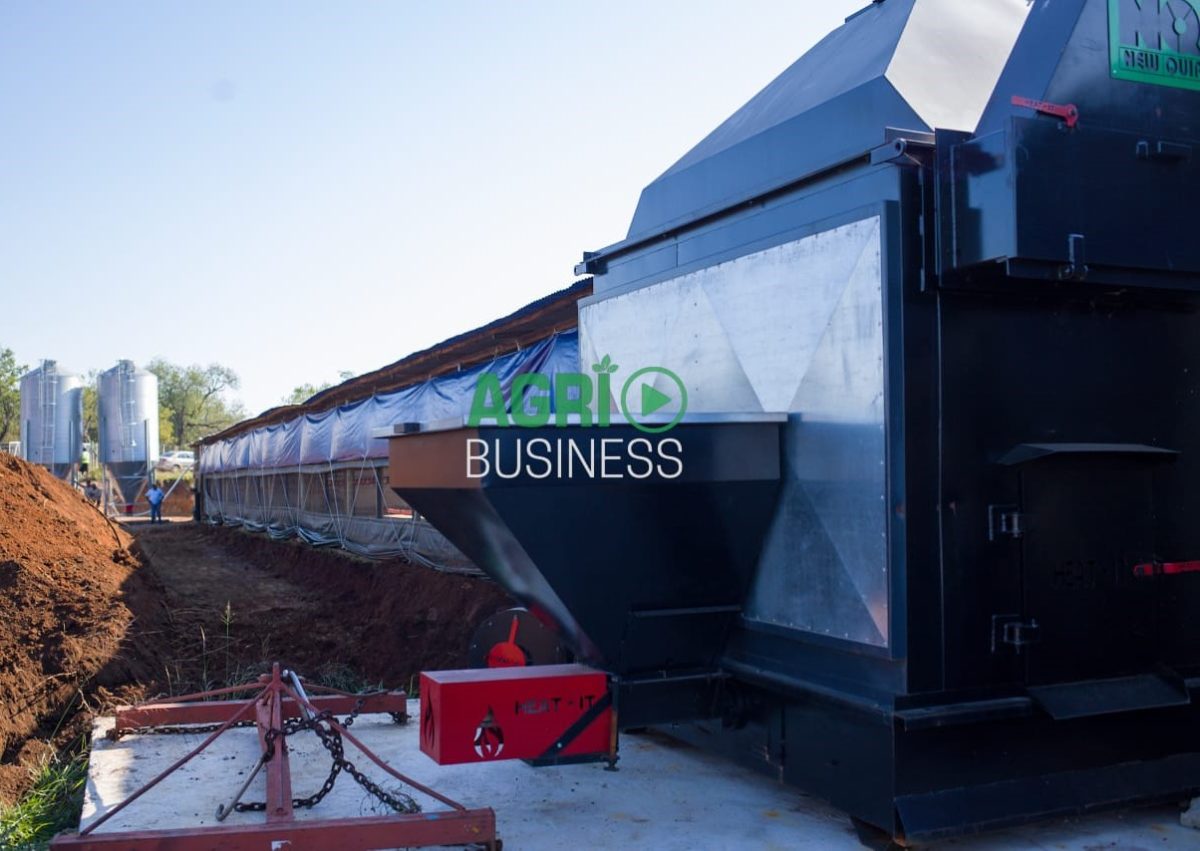
Former Member of Parliament Mduduzi Johannes Magagula guided the delegation through his Imfihlo Yebesutfu Broiler Production project, a highly automated poultry facility supported by E3.9 million in EADF financing.
Magagula’s detailed understanding of poultry production, market dynamics, automation systems and expansion strategies drew visible admiration from members of the delegation.
The facility currently has capacity for 26,000 broilers at a time and forms part of a broader business that has already increased production from 28,000 to 55,000 birds.
His next target is ambitious: 100,000 broilers.
“We are not building this business for ourselves alone. We want it to create opportunities for the people of Hlane and contribute meaningfully to the economy,” Magagula said.
The project has already created employment for about 10 people and supplies poultry to Umbuluzi Chicken.
The former MP said the new state-of-the-art poultry house, valued at more than E4 million, is equipped with automated feeding and drinking systems, climate-control technology and modern production equipment designed to withstand the intense heat conditions of the Lubombo region.
Only one challenge remains.
The facility still requires more than E200,000 for electricity connection before it can become fully operational.
Once connected, Magagula believes the enterprise will significantly increase production and move beyond simply supplying chickens to becoming a larger agribusiness operation.
BUILDING FOOD SOVEREIGNTY
The stories from Sicunusa, Njojane and Hlane offer a glimpse into what policymakers describe as the next phase of Eswatini’s agricultural transformation.
For decades, agriculture has often been associated with subsistence production. The EADF is attempting to change that narrative by financing farmers with commercially viable ideas, modern technology and growth ambitions.
According to EADF figures, supported projects have already created hundreds of jobs while driving adoption of mechanisation and climate-smart technologies.
For the Prime Minister, the lesson from the tour was straightforward.
“The resilience, dedication and entrepreneurial spirit of these farmers are turning investment into impact. They are transforming agricultural enterprises into engines of growth and helping to build a more food-secure, prosperous and self-reliant Eswatini.”
And in the maize fields of Sicunusa, the layer houses of Njojane and the automated broiler units of Hlane, that transformation is already taking shape.