

BY: PHESHEYA KUNENE | EDITOR
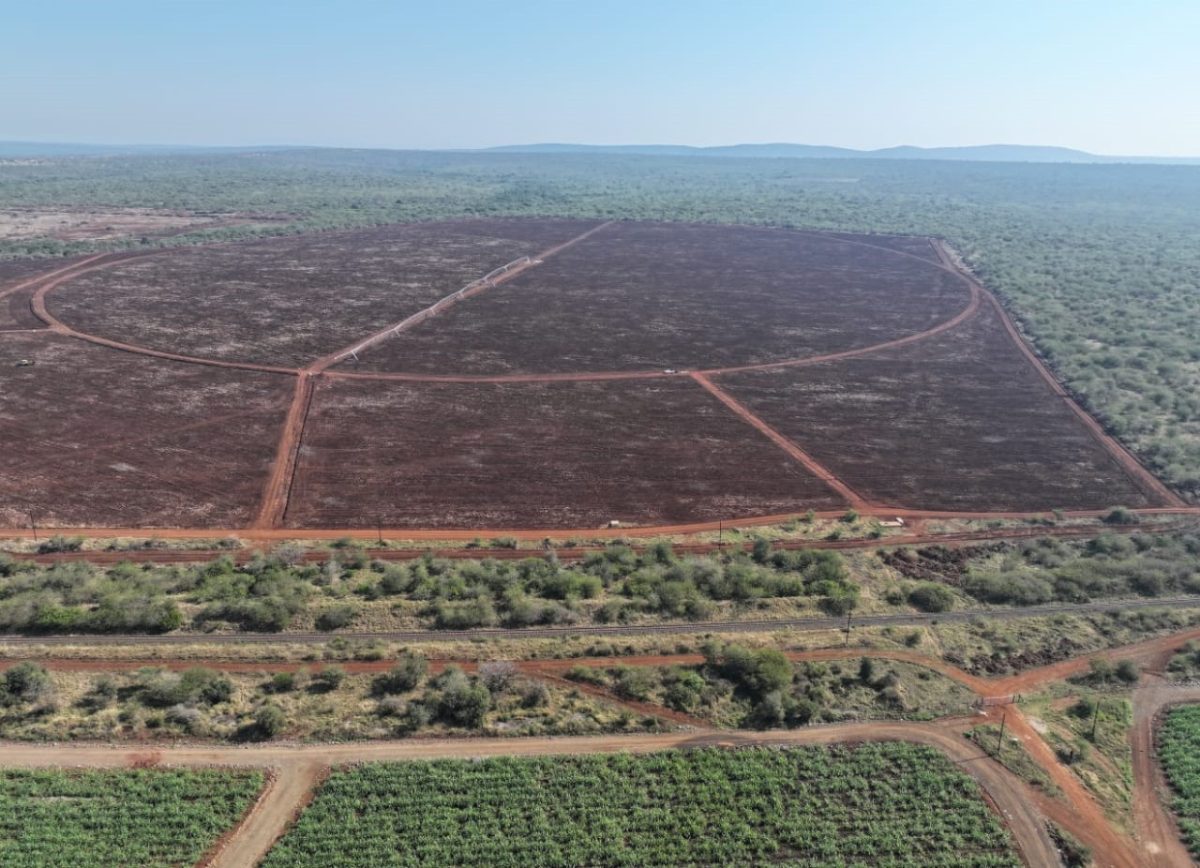
MANZINI – The Lower Usuthu Smallholder Irrigation Project Phase II is moving into its final implementation phase, with an additional 441.5 hectares now under development in a major push expected to bring 219 more emaSwati into commercial agriculture.
The E2.3 billion irrigation investment is one of Eswatini’s most significant rural economic projects, designed to turn underutilised land in the Lower Usuthu region into productive farmland supported by reliable water infrastructure, electricity networks and farmer-owned companies.
The latest developments cover three new schemes: Geleza Ngovuma Farmer Company with 86.6 hectares and 121 shareholders, Kuthula Makubekitsi Farmer Company with 213 hectares and 50 shareholders, and Asidonse Kanyekanye Farmer Company with 70.4 hectares and 48 shareholders.
Together, the schemes complete LUSIP II’s target of establishing 30 farmer companies, a milestone that signals a wider shift from subsistence farming to structured commercial agriculture.
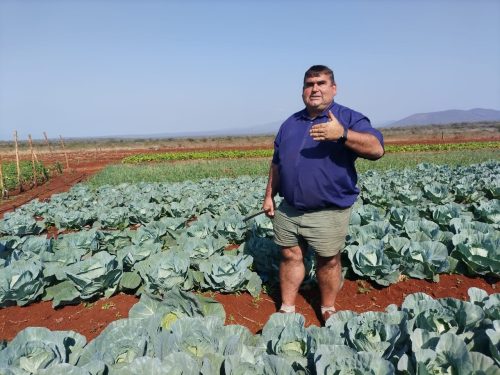
To date, 3,957.47 hectares have already been developed and are under production. This includes 3,180 hectares of sugarcane, 515.65 hectares of bananas and 261.82 hectares of field crops, all managed by 27 operational farmer companies.
When fully completed, LUSIP II is expected to deliver 5,273 hectares of irrigated farmland, comprising 4,000 hectares of sugarcane, 500 hectares of bananas and 773 hectares for alternative crops.
For farmers, this is a game changer. Access to irrigation reduces dependence on rainfall, improves productivity, supports year-round farming and gives rural communities a stronger chance to participate in formal agricultural value chains.
For the economy, the impact is equally important. More irrigated land means higher agricultural output, more jobs, stronger rural incomes and greater participation of emaSwati in commercial farming. It also supports agro-processing, transport, input supply and market linkages around sugarcane, bananas and field crops.
The project has already created more than 2,100 jobs. Over 775 of these have been generated directly by farmer companies, while contractors involved in implementation have created more than 1,375 additional employment opportunities.
EWADE Chief Executive Officer Dr Samson Sithole said the project was delivering economic transformation, not just infrastructure.
“As LUSIP II moves towards completion, we are not merely developing infrastructure or bringing additional hectares under irrigation. We are creating new economic opportunities for emaSwati and extending the benefits of commercial agriculture to more communities,” said Sithole.
He said the additional schemes would bring more households into productive farming enterprises while strengthening rural economies through jobs and income generation.
“The additional schemes currently under development will bring hundreds more households into productive farming enterprises, creating jobs, increasing household incomes and strengthening rural economies. This is exactly the kind of broad-based economic transformation that the project was designed to achieve,” he added.

The Cane Growers Association of Eswatini said the expansion would strengthen the sugar industry while giving more smallholder farmers access to commercial farming opportunities
“LUSIP II has shown that when farmers have reliable access to water, infrastructure and technical support, they are able to participate meaningfully in commercial agriculture. The growth of farmer-owned companies strengthens the sugar industry while creating employment and economic opportunities in rural communities,” the association said.
The association further noted that irrigation remained critical in helping farmers withstand climate shocks and maintain production in a changing climate.
As Eswatini continues to face pressure to increase agricultural productivity, reduce rural poverty and build a more inclusive economy, LUSIP II stands out as a practical model of how irrigation can move farmers from survival farming to business ownership.
In the Lower Usuthu, water is no longer just flowing through canals. It is carrying jobs, income and a new economic future for rural communities.