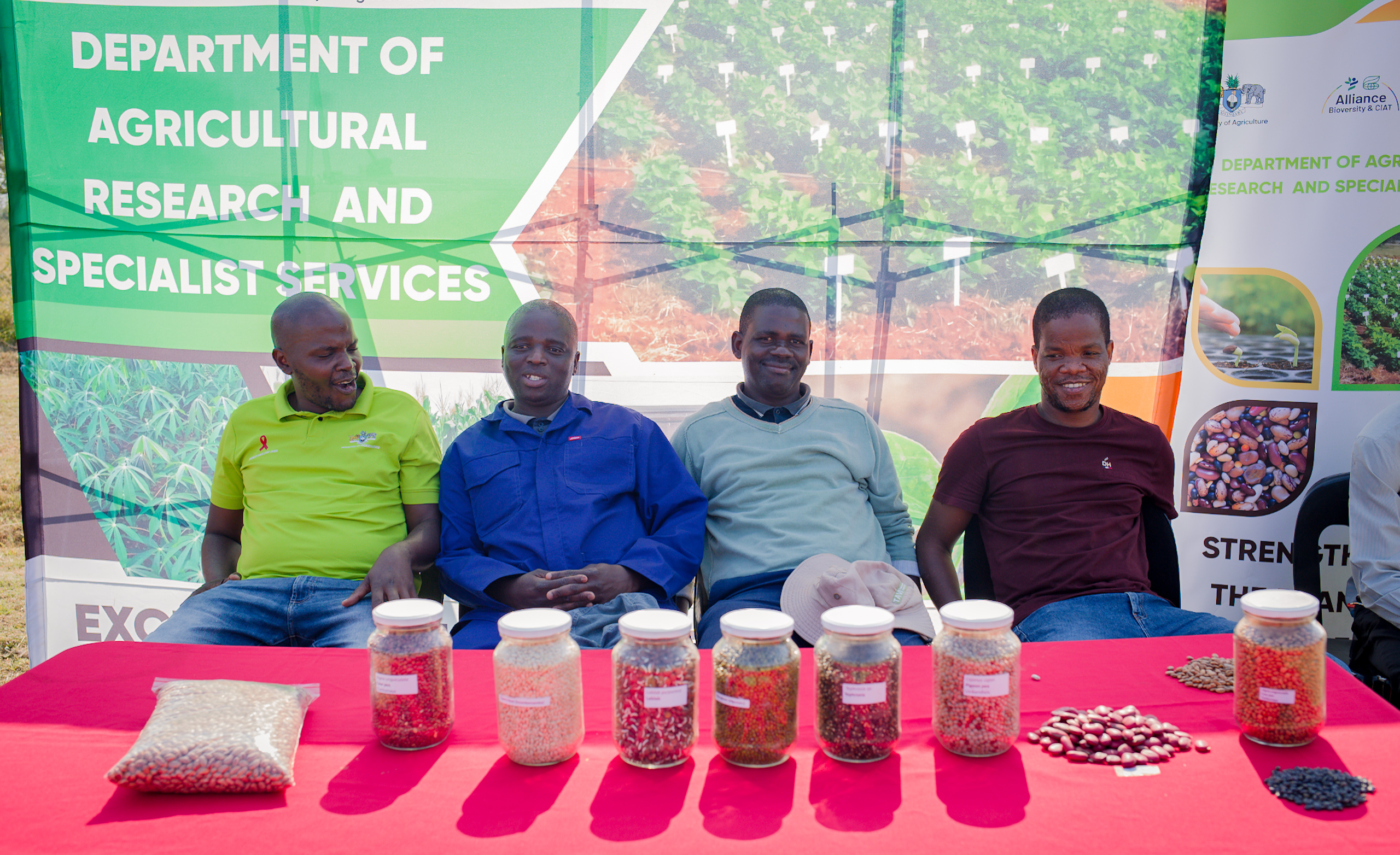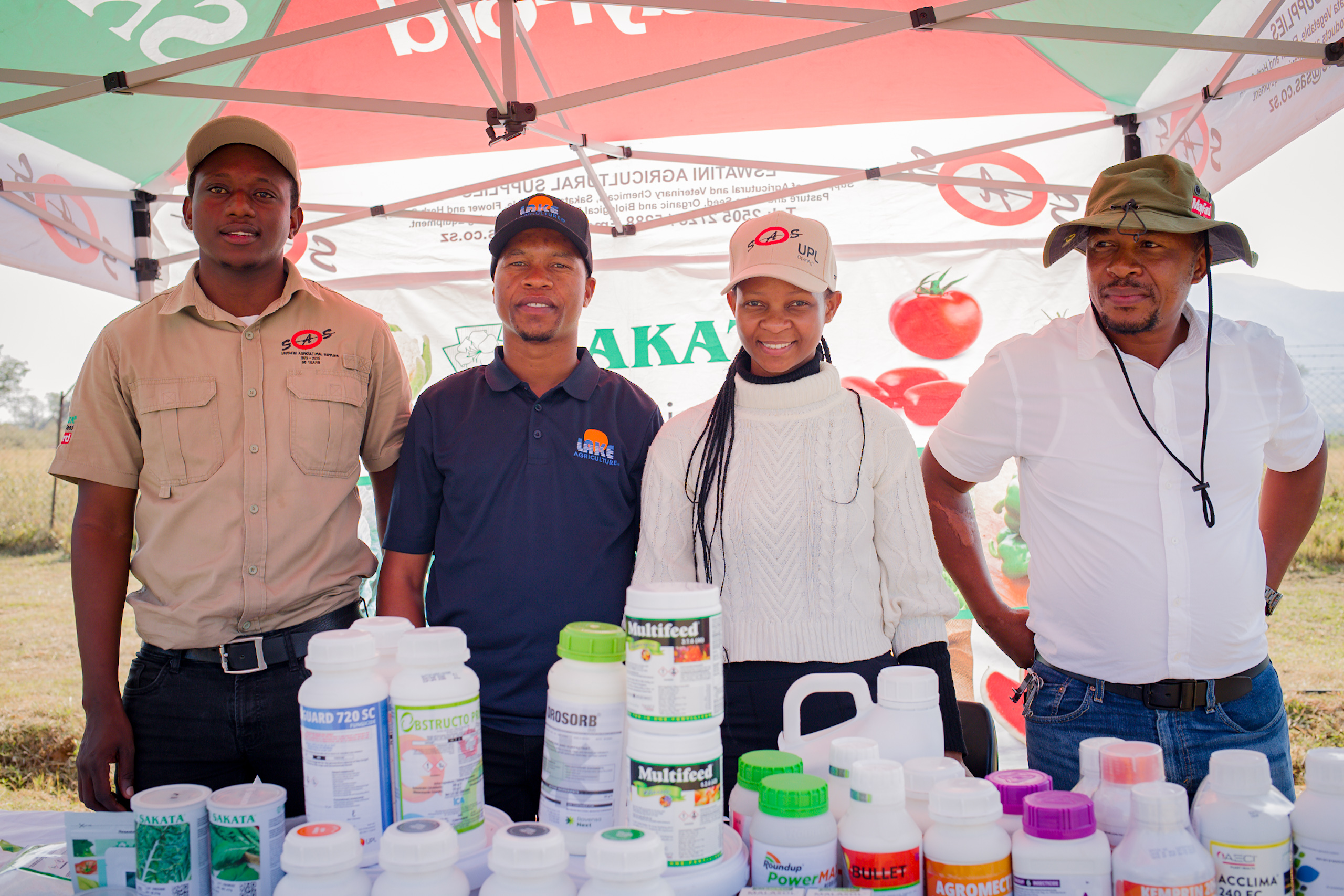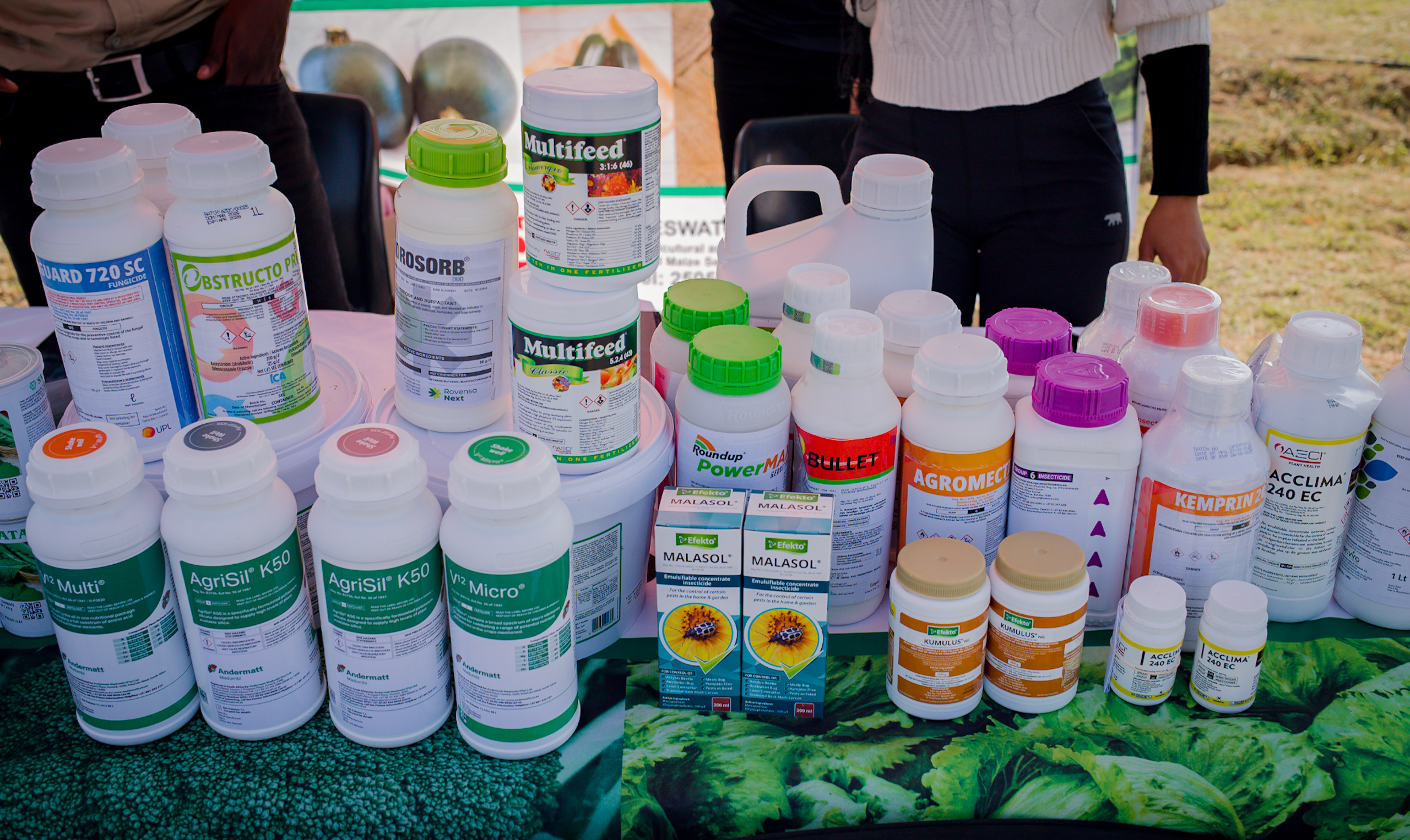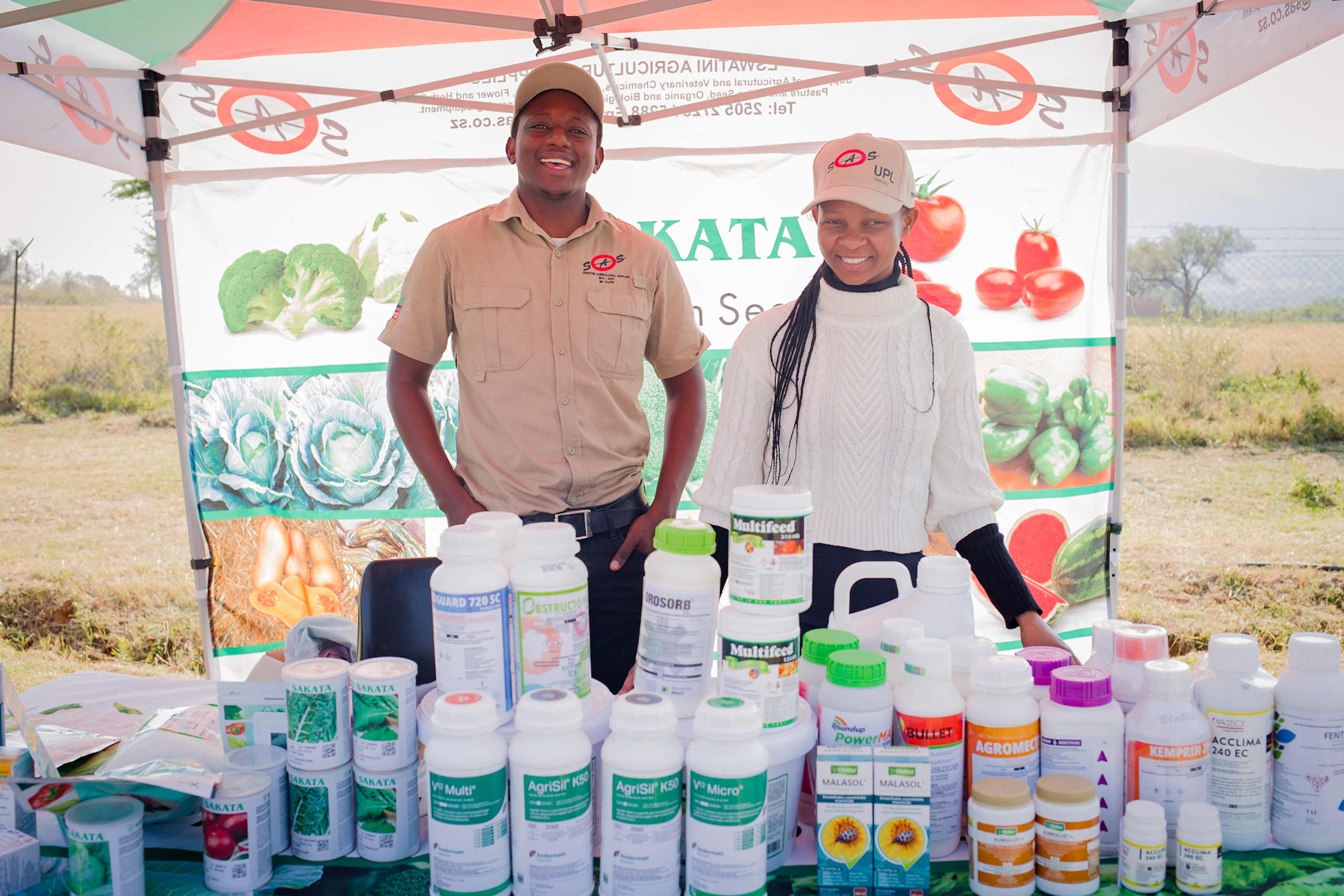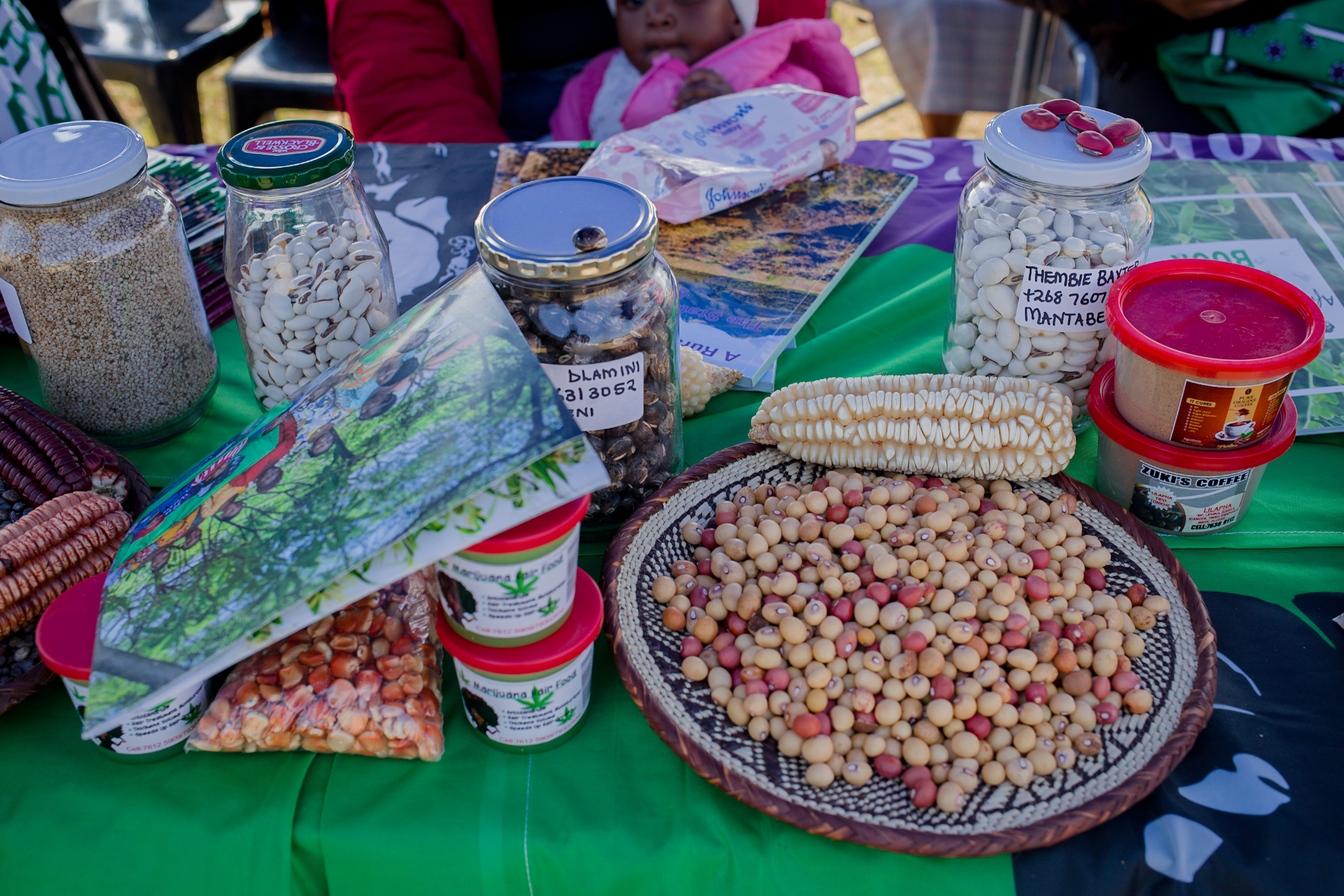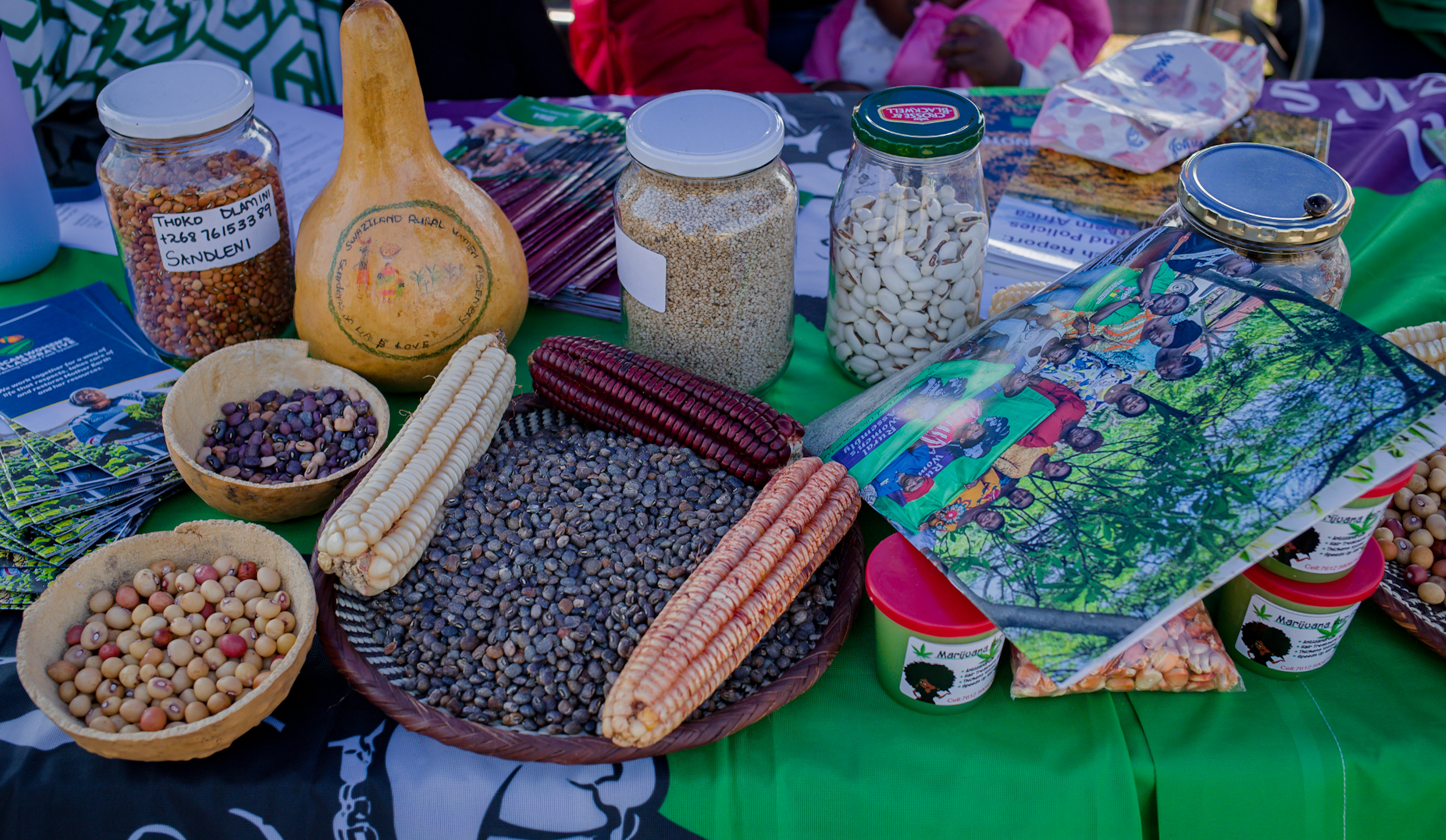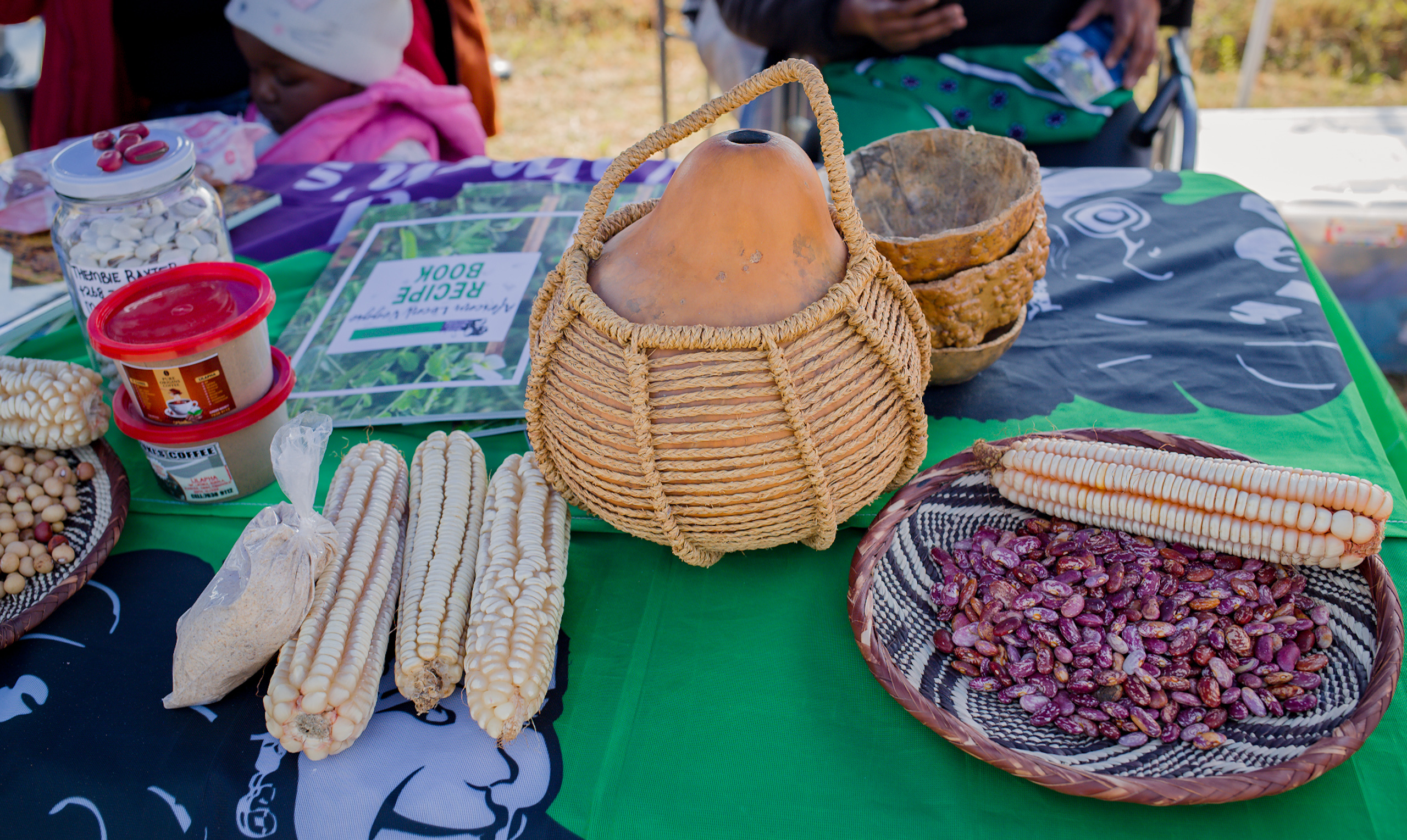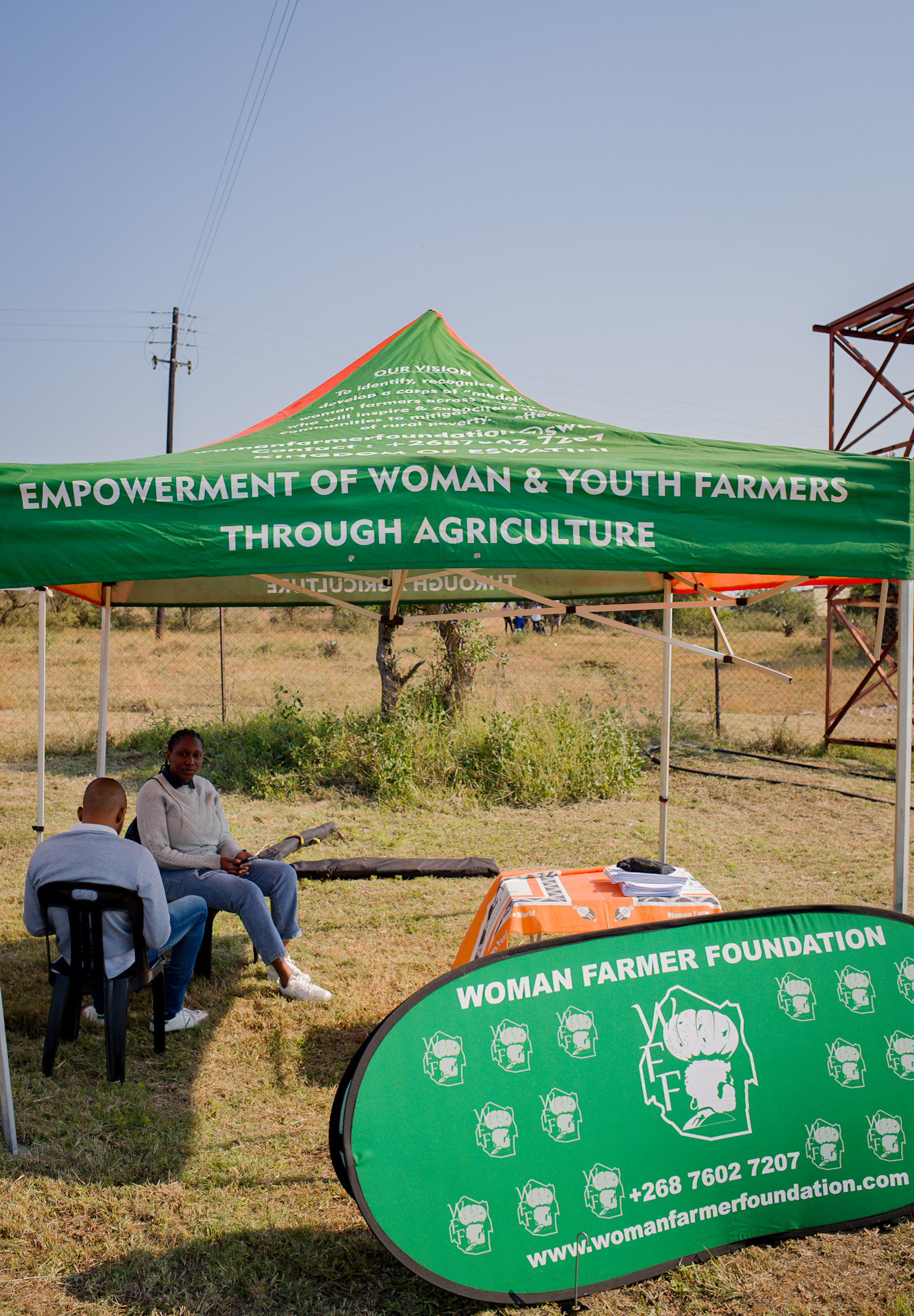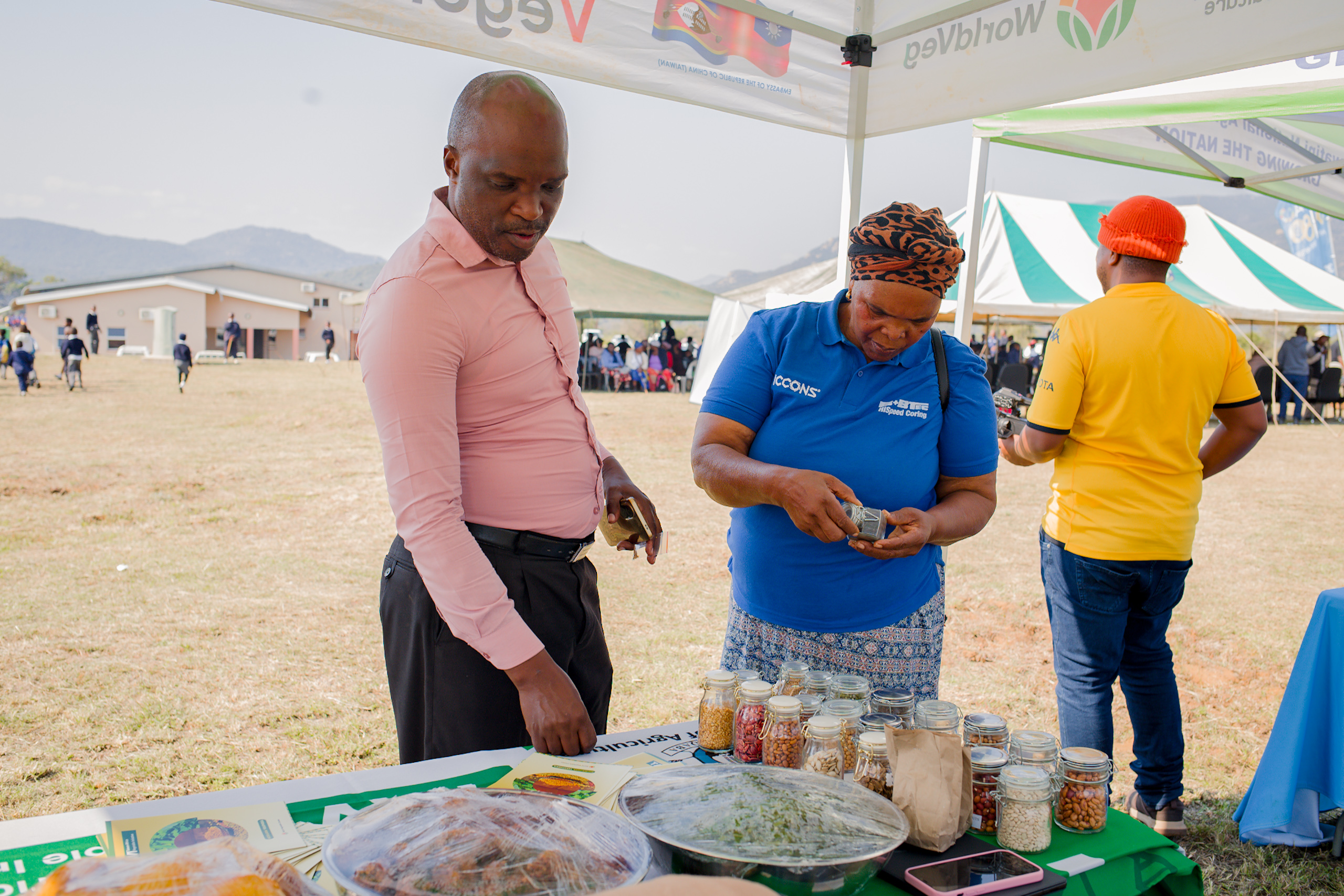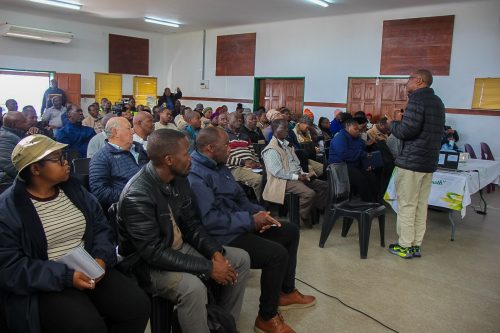


Ministry of Agriculture Senior Technical Officer, Christopher Mtsetfwa delivering his remarks.
BY: SIBUSISIWE NDZIMANDZE | JOURNALIST
GUNDVWINI – Eswatini’s shelves and markets are already carrying pulses, but many of these products are imported, packaged and sold at higher prices while local production remains far below national demand.
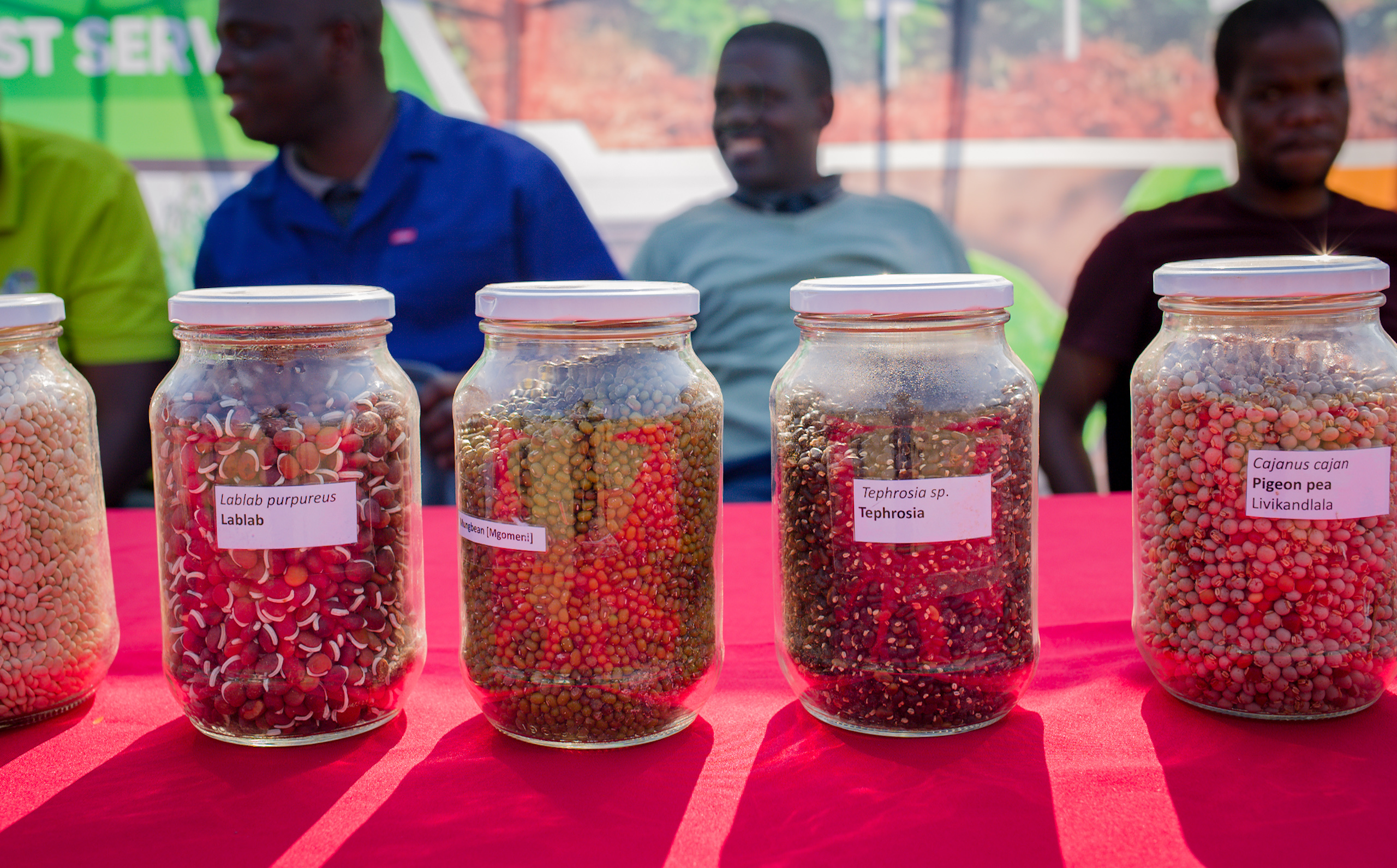
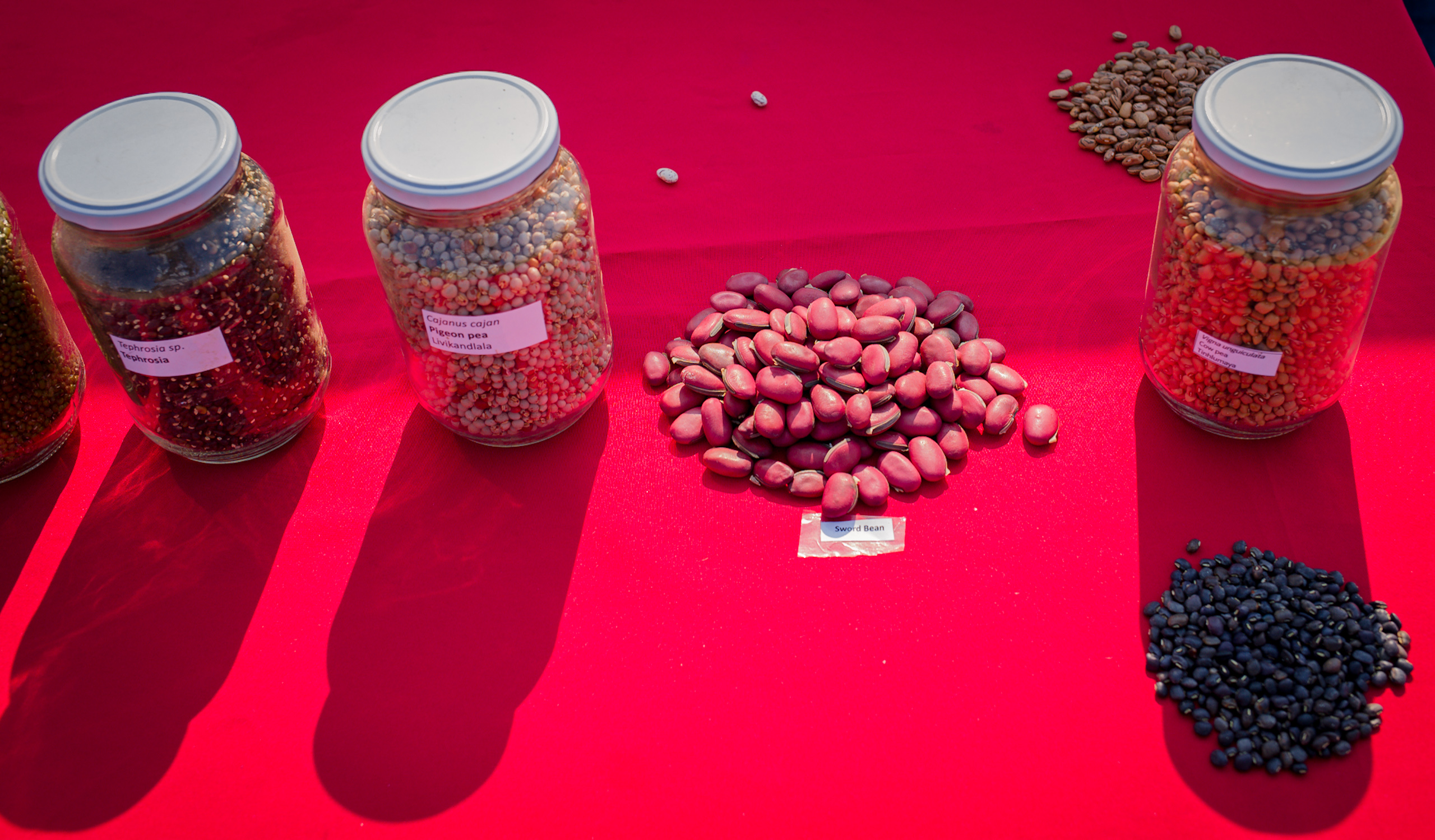
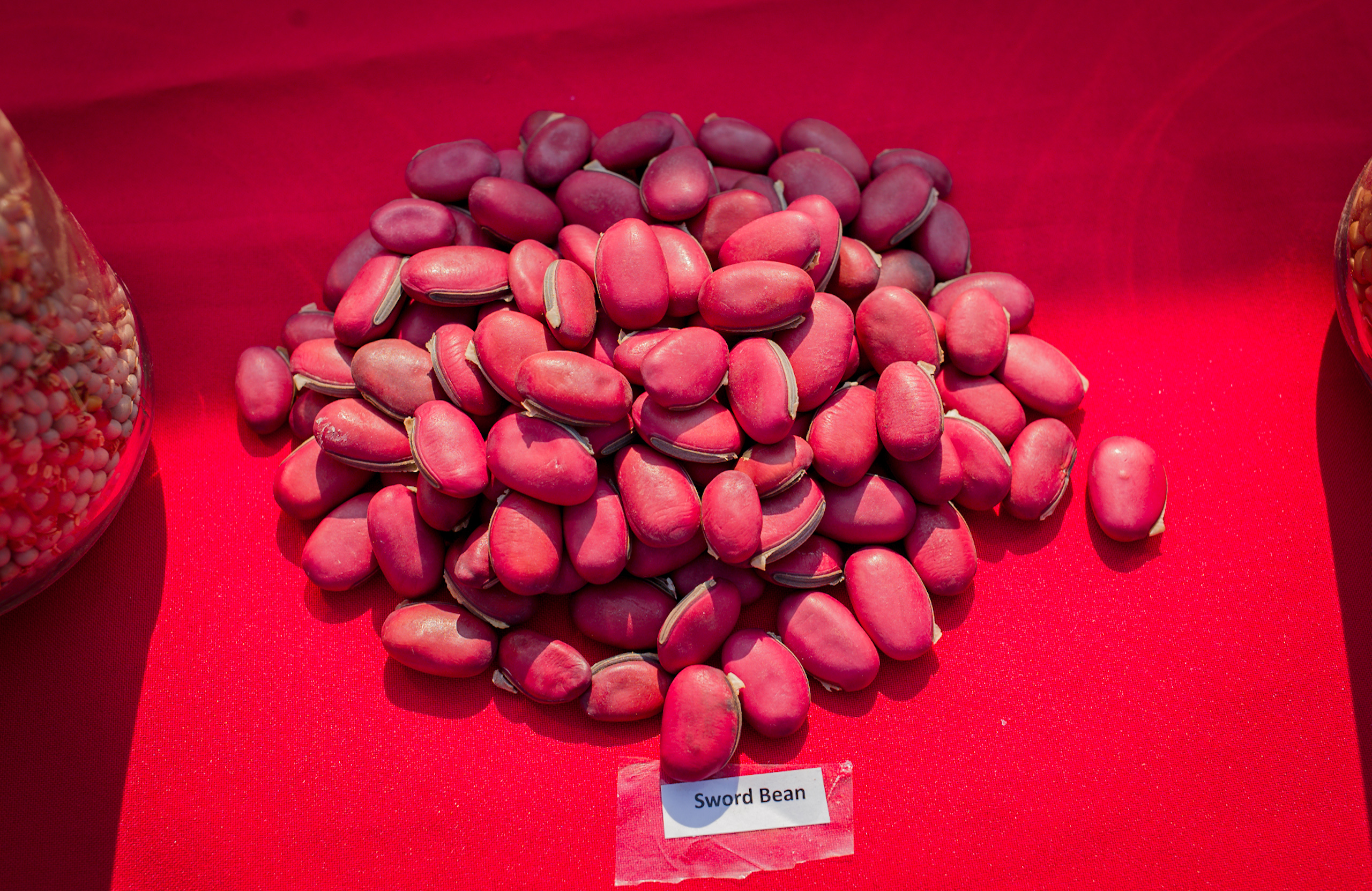
This was the key message during this year’s World Pulses Day commemoration held at Lomveshe Enterprise in Gundvwini, where farmers were encouraged to claim the growing market for pulses such as beans, groundnuts, peas and lentils.
Eswatini produced only 1,040 metric tonnes of beans in 2025, yet the country needs about 7,000 metric tonnes every year. Out of the 1,040 metric tonnes produced, smallholder farmers on Eswatini Nation Land contributed about 450 metric tonnes, leaving about 6,000 metric tonnes to be covered through imports.
Senior Technical Officer in the Ministry of Agriculture, Christopher Mtsetfwa, said the figures show that local farmers have a clear opportunity to increase production and supply a market that already exists.
“We need 7,000 metric tonnes of beans as a country, but what we are producing is still very low, so the gap is closed by imports,” Mtsetfwa said.
The Ministry is now encouraging farmers to increase the production of pulses such as beans, groundnuts, peas, lentils and other legume crops. These crops are rich in plant-based protein, improve household nutrition and are more suitable for dryland farming, making them important crops as farmers face the effects of climate change.
However, increasing production will require farmers to overcome several challenges. Ministry of Agriculture Principal Secretary, Sydney Simelane, who represented Minister of Agriculture Mandla Tshawuka, said more than 80% of smallholder farming remains rain-fed, leaving crops exposed during mid-season dry spells.

Manzini Regional Administrator Prince Gija Dlamini sharing his opening remarks.
He also noted that many available pulse varieties produce less than two tonnes per hectare, showing the need for better climate-resilient and high-yielding seed varieties. Farmers also continue to face erratic rainfall, heatwaves, limited irrigation, poor rural infrastructure, late input subsidies, rising production costs and post-harvest handling challenges.
Lomveshe Enterprise, the host of the commemoration, reflected both the challenges and opportunities facing local farmers. The farmer-owned company, made up of 39 members, operates on 44 hectares and produces bananas, sweet potatoes, vegetables and beans. This season, it cultivated two hectares of beans, one of the key pulse crops, taking advantage of the available off-take market through the National Maize Corporation (NMC).
Enterprise Chairperson, Ernest Gamedze, said Lomveshe has managed to survive climate shocks and market challenges because it continues to practise crop diversification.
“Farming is the way to go. People can earn a living from farming as long as they get the right knowledge, from planting the crop to maintaining it and taking it to the market,” Gamedze said.
The enterprise started in 2018 with banana production, but has since diversified into other crops to ensure continuous production throughout the year.
Gamedze said the farm has faced serious challenges, including poor road infrastructure, extreme weather events linked to climate change, late input subsidies and rising production costs. He said climate change has affected the enterprise before, with storms hitting the farm three times and forcing it to restructure. Poor roads, he added, sometimes discourage buyers from collecting produce from the farm.

Ministry of Agriculture Principal Secretary Sydney Simelane listening attentively on the proceedings of the event.
Despite these setbacks, Lomveshe continues to rebuild its production capacity. The enterprise received E3.9 million in support from the Eswatini National Industrial Development Corporation (Enidc), which helped it procure inputs and continue farming. It currently supplies beans to the National Maize Corporation, while its bananas are sold locally and exported when quality standards and market conditions allow.
For the Ministry of Agriculture, enterprises such as Lomveshe show that farmers can take advantage of the pulse market if they plan properly, diversify production, use good agronomic practices and produce with the market in mind.
Mtsetfwa said farmers should not plant without knowing where they will sell. Before planting, they must understand who will buy their produce, the required volumes, the quality specifications and the price per tonne.
He said this helps farmers plan their production cycles and strengthens their ability to access agricultural finance from institutions such as the Eswatini Agricultural Development Fund (EADF).
He said last year, NMC bought beans at E27,615 per tonne, giving farmers an indication of the crop’s market value when preparing their production plans. He added that the Ministry wants farmers to improve bean productivity from the current average yield of about 600kg per hectare to at least one tonne per hectare, with improved seed varieties capable of producing up to two metric tonnes per hectare.
Mtsetfwa also said the season at Lomveshe showed how climate conditions affect production. The area experienced too much rainfall in January and February, followed by a heatwave. As a result, the beans were planted on 11 March, but the use of two bean varieties is expected to help reduce risk and support a harvest.
Eswatini National Agricultural Union (ESNAU) Chief Executive Officer, Tammy Dlamini, said pulses are not new to Eswatini and should be treated as crops with real commercial and food security value.
“These plants have always been grown here in Eswatini, and the imported seeds do not always perform well in the country,” Dlamini said.
He said farmers must be supported across the full pulse value chain, from access to suitable seed varieties to market linkages and post-harvest handling.

Mbuso Lokotfwako, Lesibovu Agricultural Enterprise Managing Director delivering his remarks representing farmers.
He added that pulses are already available in Manzini Market and in upper-end markets, but many are imported, packaged and sold at higher prices, creating an opportunity for local producers to supply the same market.
To address the issue of suitable seed access, Malkerns Research Station Research Officer, Nicholas Manana, said farmers who want to grow pulses can visit the station for assistance.
“Farmers who are interested in growing pulses can come to Malkerns Research Station, where they can access suitable seed varieties and receive guidance on the best options for local production,” Manana said.
Market access remains one of the strongest solutions to increasing production. National Maize Corporation Officer, Mangaliso Sihlongonyane, said NMC buys beans from January to December and encouraged farmers to work with extension officers to meet market and quality standards.
“We buy beans from January to December, but farmers must bring dry beans, not wet beans, because quality is very important,” Sihlongonyane said.
He said NMC buys according to kilogrammes supplied, not the number of bags delivered. He added that NMC accepts every variety of beans planted by farmers and is currently buying beans at E21,875 per tonne.
Principal Secretary Simelane, speaking on behalf of Minister Tshawuka, said World Pulses Day was an important farmer learning platform and a reminder that pulses can support national food sovereignty, nutrition and rural livelihoods.

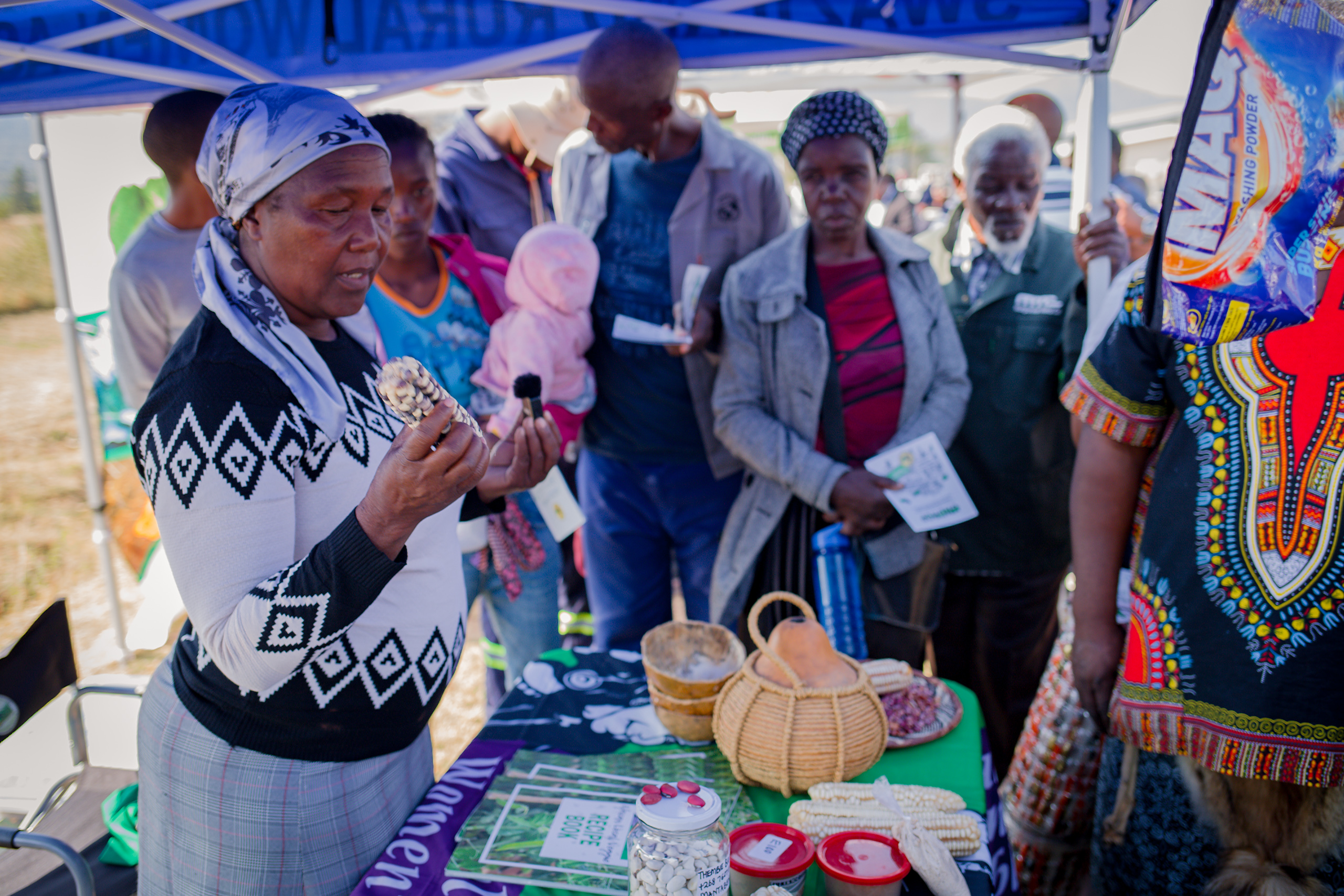
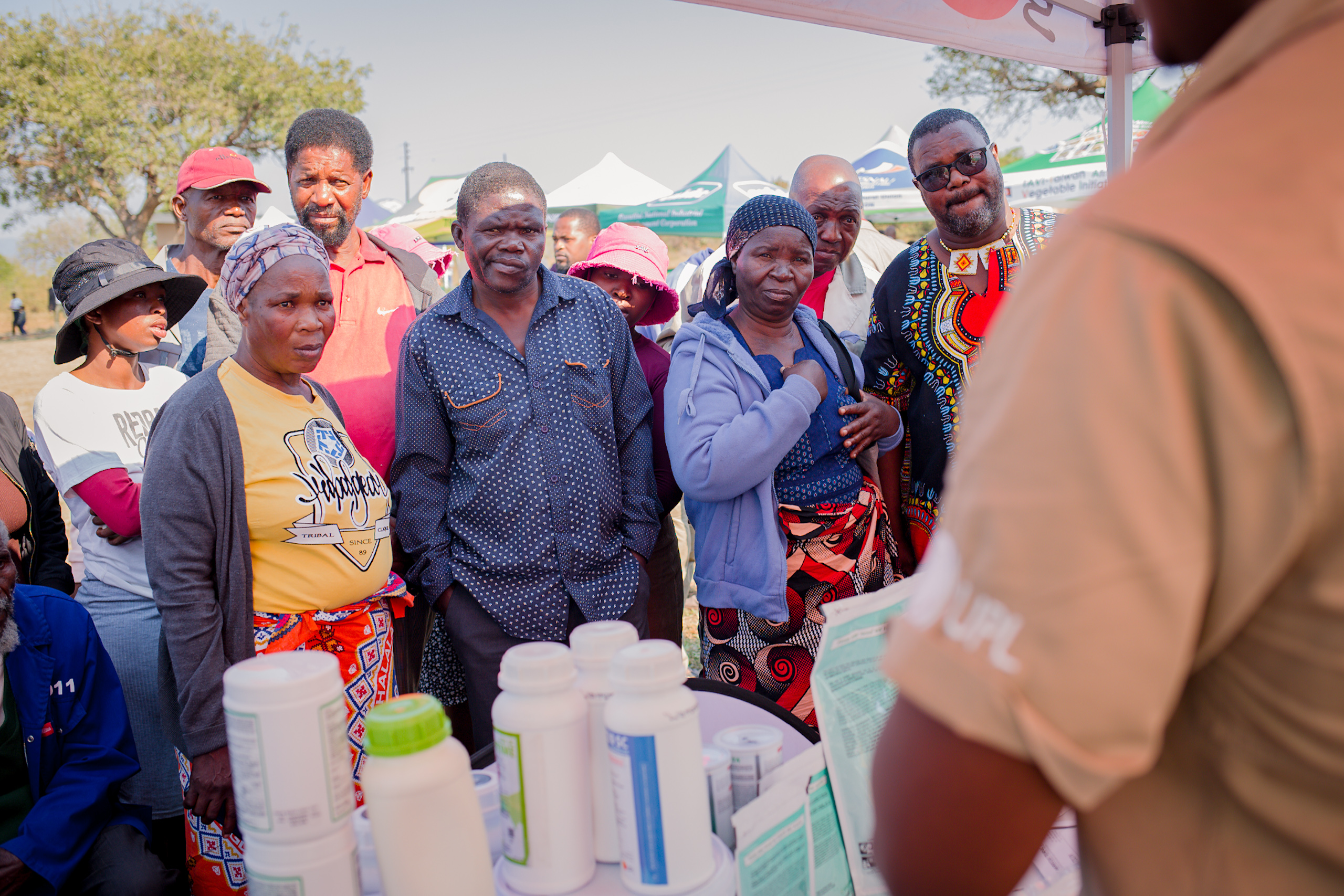
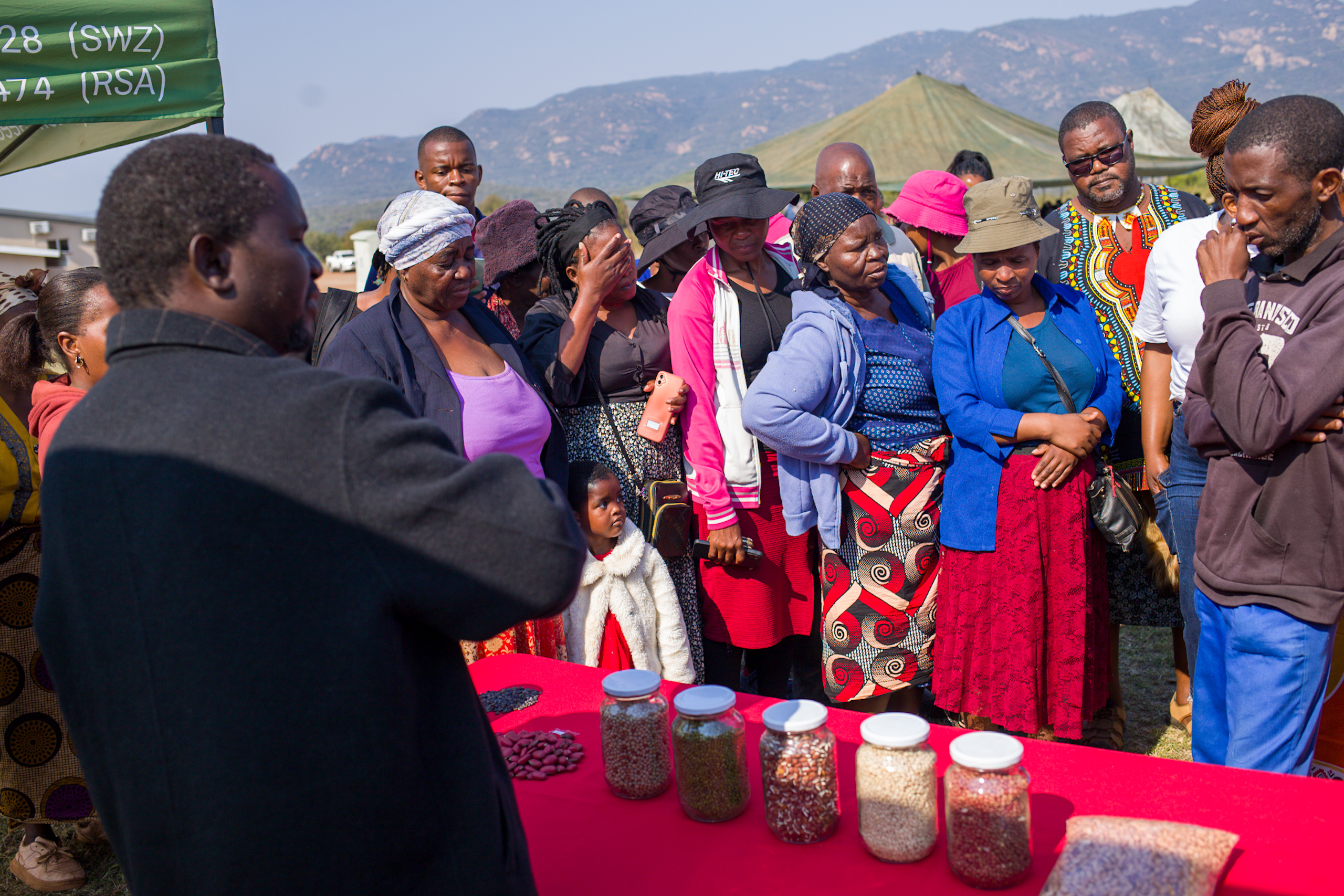
Farmers came in numbers to commemorate the World Pulses Day with the Ministry of Agriculture.
“Producing more pulses locally strengthens our food systems and supports rural economies, improving household incomes,” he said.
World Pulses Day is normally celebrated on 10 February and was designated by the United Nations General Assembly in 2018. The day builds on the success of the International Year of Pulses, which was marked in 2016, and this year’s theme is “Pulses of the World: From Modesty to Excellence.”
The commemoration carried a practical message for farmers: the market for pulses already exists, but local producers need stronger support to compete with imported products. With improved rural infrastructure, timely input support, suitable seed varieties, strong extension services, proper post-harvest handling and reliable markets, farmers can increase production, improve yields and claim a bigger share of the pulse market.
At Lomveshe, pulses such as beans are no longer just modest crops. They are becoming part of a bigger national answer to food security, farmer income and agricultural transformation.