
…TAVI workshop expands from 42 schools to national agricultural training, seed improvement and food security
BY: PHESHEYA KUNENE | EDITOR
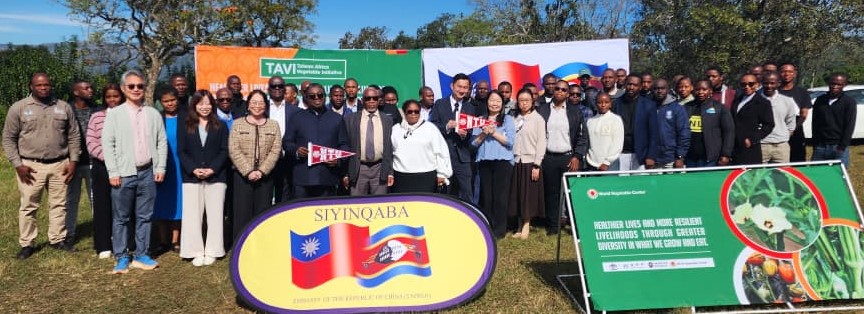
MALKERNS – National Taiwan University (NTU) has donated state-of-the-art biotechnology laboratory equipment to the University of Eswatini (UNESWA) as part of a wider push to strengthen crop improvement, food security and agricultural research.
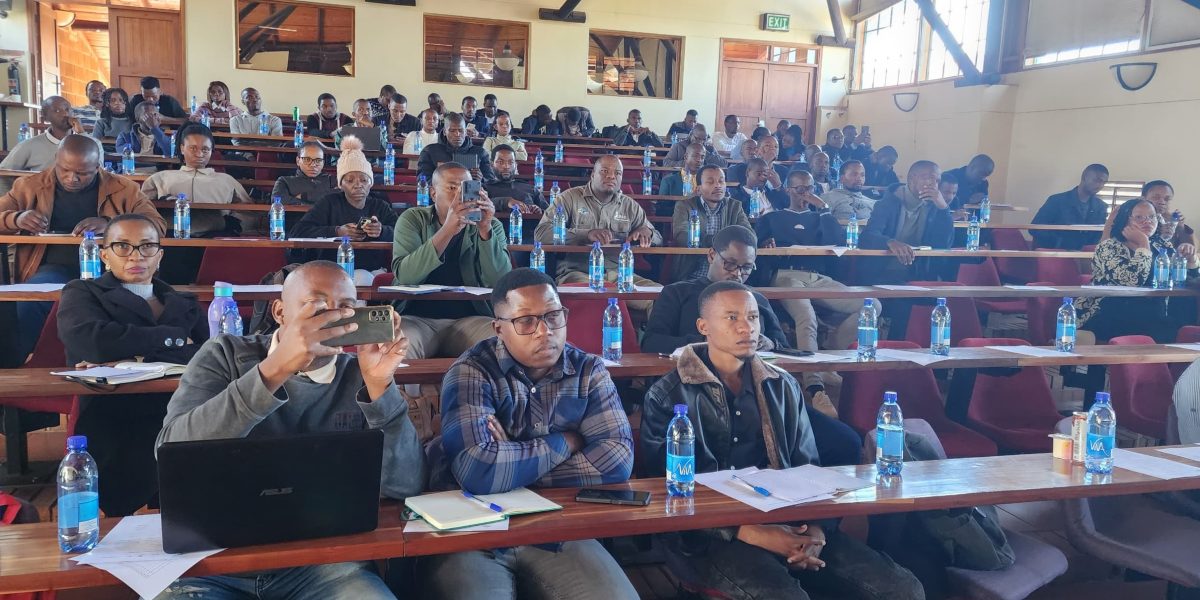
The donation was made during the official opening of the TAVI Genetic Diversity, Crop Improvement and Food Security Workshop at Malkerns Research Station. The two-week training brings together students, researchers and agricultural professionals to learn modern technologies used in plant breeding, DNA analysis, seed improvement and agricultural biotechnology.
The programme marks a significant step for the Taiwan–Africa Vegetable Initiative (TAVI), which has already benefited 42 schools through school gardening, nutrition and agricultural development programmes. The initiative is now expanding beyond schools to strengthen research, innovation and productivity across the wider agricultural sector.
TAVI Project Manager Dr. Sophia Chan said the workshop was designed to expose students to new agricultural technologies while building long-term research capacity.
“Sustainable agricultural development depends on knowledgeable farmers, skilled professionals and strong institutions. This workshop is helping build that capacity,” she said.
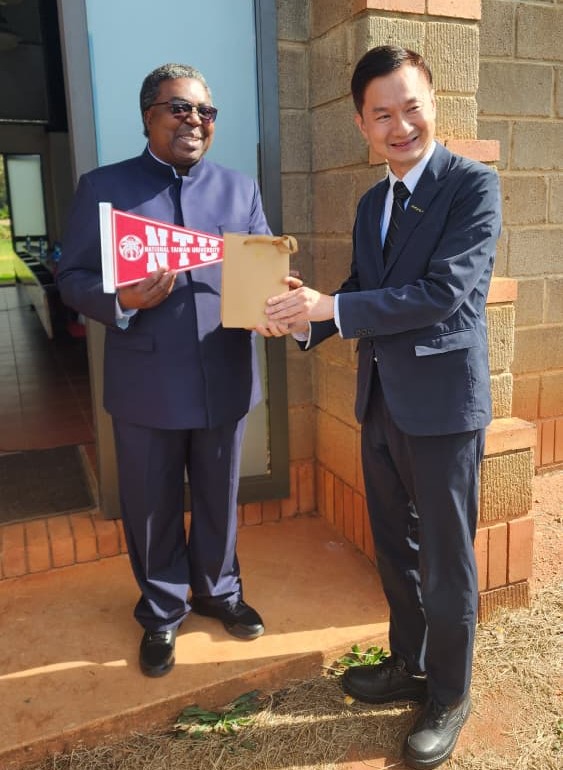
A major highlight was NTU’s donation of advanced laboratory equipment, teaching materials and training resources to UNESWA’s Luyengo Campus, the country’s main agricultural training centre. The equipment will support DNA analysis, seed research, biotechnology training and crop improvement studies.
NTU Associate Vice President for International Affairs, Kuo Hsin Yang, said the equipment would help students understand and apply scientific methods that are increasingly used in agriculture worldwide.
“This equipment will improve students’ practical skills and support research that can contribute to the transformation of agriculture in Eswatini,” he said.
Speaking on behalf of the Ministry of Agriculture, Under Secretary for Technical Services Buhle Vincent Dlamini said the initiative supports Government’s 2023–2028 strategy to modernise agriculture through science, technology and commercial crop development.
“The focus is now shifting towards commercialising improved seeds and crop development. This knowledge will benefit the entire agricultural sector through improved food security, innovation and job creation,” he said.
Dlamini also welcomed opportunities for qualifying students to pursue Master’s and PhD studies at NTU, saying the programme creates pathways for developing the next generation of agricultural scientists.
UNESWA officials said the donation would strengthen practical teaching, research and innovation at Luyengo Campus long after the workshop has ended. They said the equipment will expose current and future students to modern scientific tools used in genetics, biotechnology, molecular biology and plant breeding.
Among the participants is Zimbabwean Master’s student Tatenda Chikasha, who is studying Plant Breeding and Seed Systems at Eduardo Mondlane University in Mozambique.
“The topics covered here are directly linked to my research work. I expect to gain valuable knowledge and practical skills,” he said.
For Eswatini, the significance of the programme lies beyond the laboratory. As farmers face climate change, pests, diseases and pressure to produce more food, biotechnology is increasingly becoming an important tool for improving seed quality, strengthening food sovereignty and building a more resilient agricultural sector.
The message from Malkerns was clear: the future of agriculture will still begin with the seed, but it will increasingly be shaped by science.