…Eswatini consumes about 84 million litres of milk and dairy products a year, but local producers supply only about 21 million litres.
BY: PHESHEYA KUNENE | EDITOR
MANZINI – Eswatini Dairy Board (EDB) has urged more livestock farmers and entrepreneurs to enter the dairy processing industry, warning that the country continues to import most of the dairy products consumed locally.
According to figures shared during the training, Eswatini consumes about 84 million litres of milk and processed dairy products annually. Local production accounts for only about 21 million litres, leaving roughly 60 million litres to be imported.
This import gap is estimated at over US$23 million, which is approximately E374 million at current exchange rates.
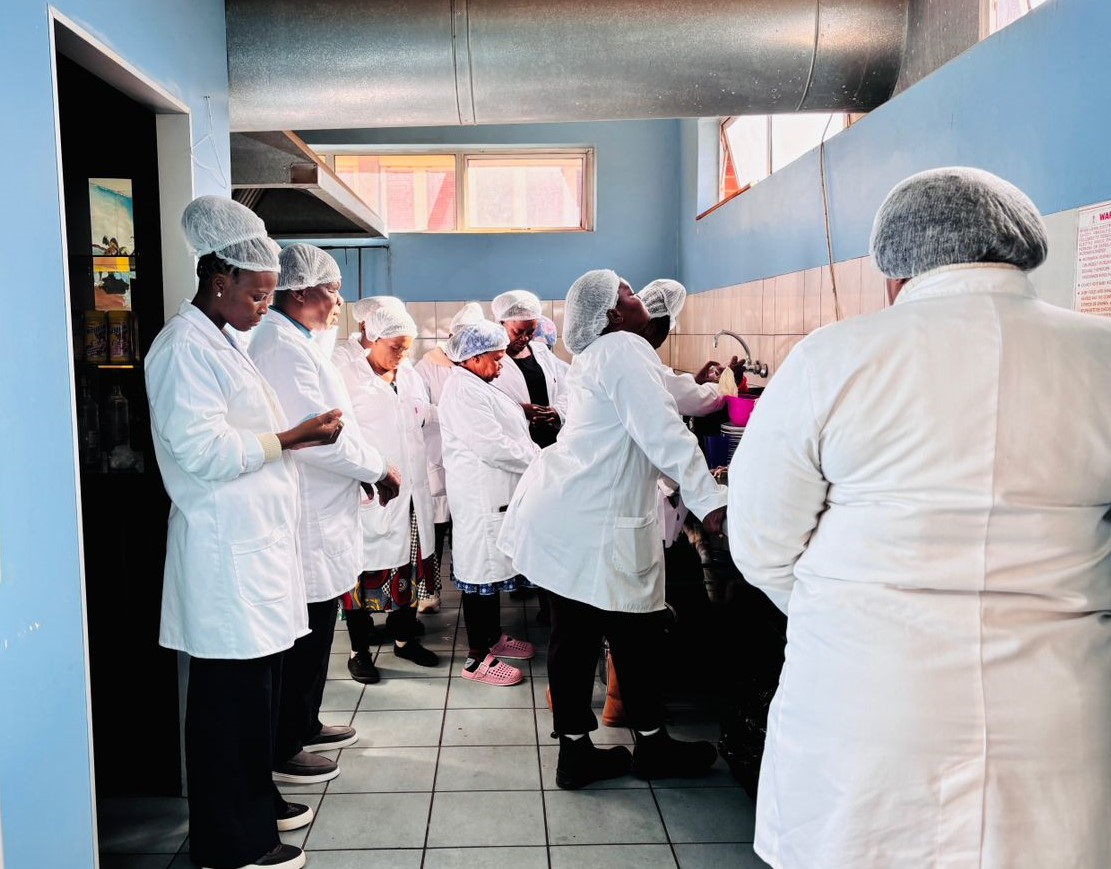
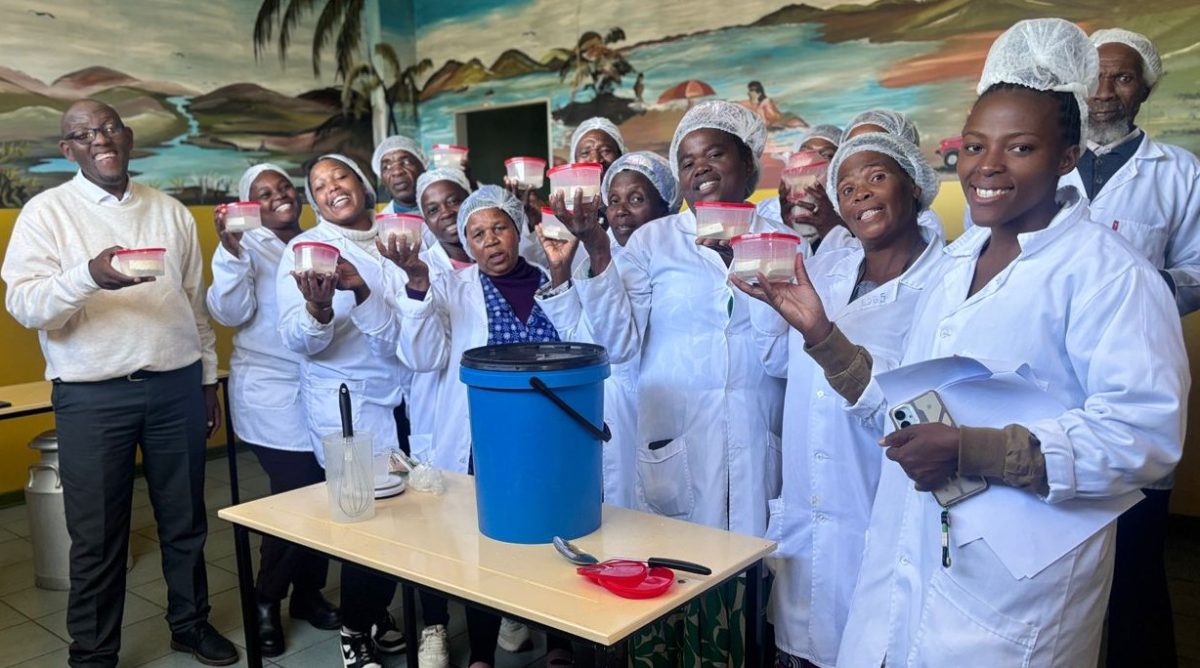
The call was made during a week-long dairy products processing training hosted by EDB in collaboration with the Eswatini National Agricultural Union (ESNAU), and supported by the European Union (EU) and International Trade Centre (ITC).
The first group of farmers was trained in Manzini on how to process raw milk into marketable dairy products, including emasi, yoghurt, feta cheese, cheese, butter and ice cream.
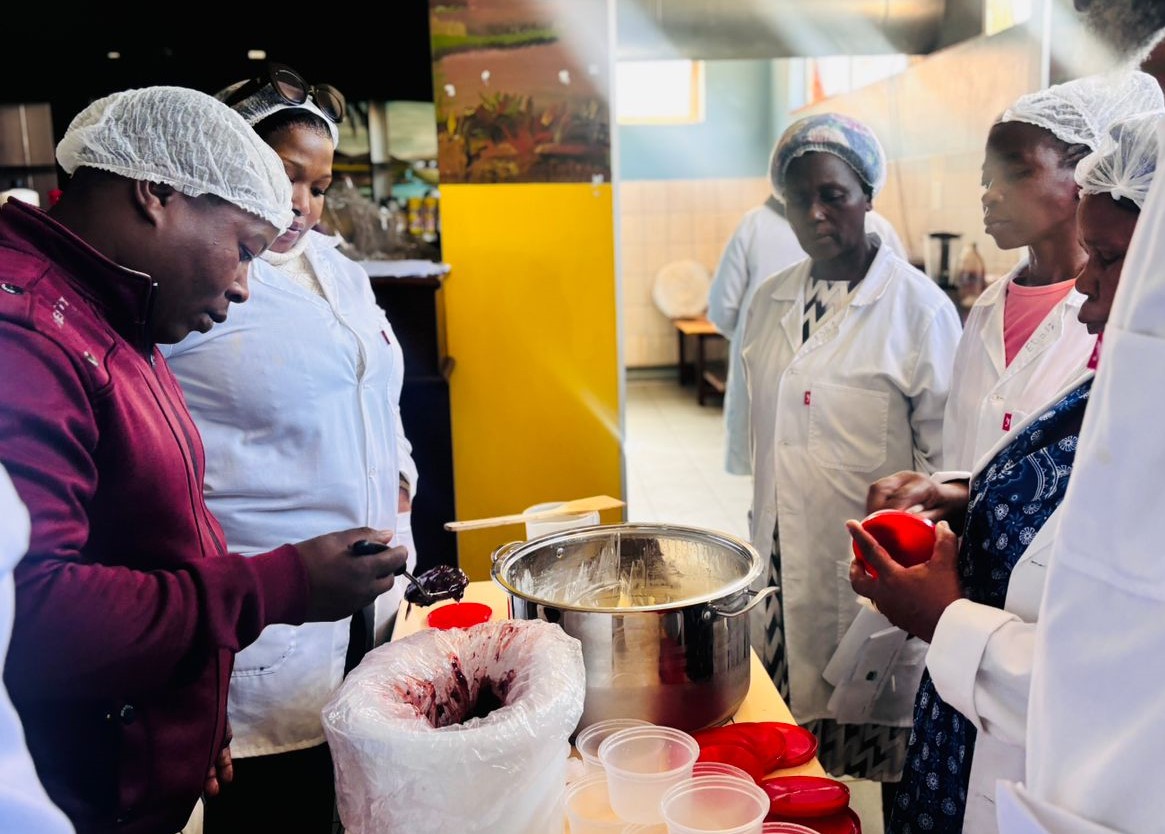
The training combined theory and practical work, with participants learning about hygiene, temperature control, fermentation, curd formation, whey separation, brining, packaging, labelling, storage and transportation.
EDB’s Bandzile Mdluli said the market was already there and farmers should not delay.
“The demand is there. Farmers must come to the party, produce more and process more products,” Mdluli said.
He said farmers should not wait until they own large herds before entering the sector.
“Do not wait until you have your own livestock. You can buy milk from other farmers and start processing,” he said.
On the final day, participants were taught packaging, labelling, storage and transportation by EDB’s Sicheme Dlamini.
Farmers learnt that packaging is not just about appearance. It protects the product, extends shelf life and builds consumer trust.
They were taught to consider product type, storage conditions, transport needs, available materials, consumer preference, container size and marketing channels.
Labels must include the product name, production and expiry dates, manufacturer details, contact information, mass of contents and batch number for traceability.
One of the trainees, Bongani Gina, an elderly livestock farmer from Lavumisa, said the training had opened his eyes to the bigger potential of milk.
“This training has shown me that there is more value in milk than simply selling it raw. I am going home ready to start processing,” he said.
Gina said he plans to start with liquid yoghurt and ice cream, adding that the milk he produces at home will now be put to better use.
Another participant, Hlobisile Magagula of Luhlekweni in Lavumisa, said the training came at the right time for her farming business.
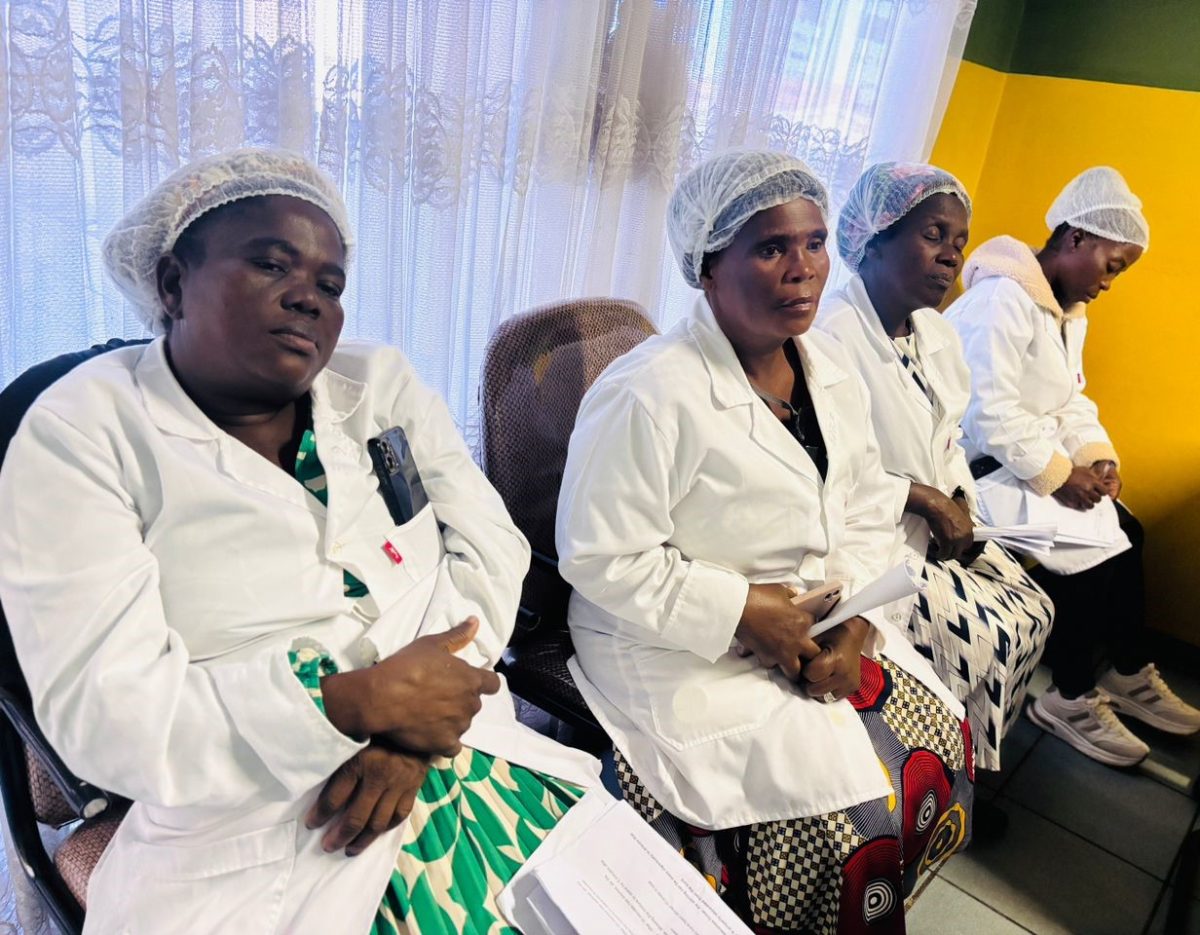
A dedicated livestock farmer with more than 35 cattle, goats and pigs, Magagula also produces vegetables and field crops.
She said her family already produces milk and sells it to community members, but the training had shown her how to turn that milk into higher-value products.
EDB said it remains available to train more farmers and producers, but expressed concern that many people attend training while only a few go on to open dairy processing businesses.
Farmers were encouraged to seek funding from agricultural finance institutions, invest in livestock care, improve feeding systems and establish proper feedlots to produce more and better-quality milk.
ESNAU CEO Tammy Dlamini said the programme is part of efforts to develop farmers, especially in rural communities.
He said farmers had been identified, recruited and trained in stages to help them build commercial businesses, not just attend workshops.
“We want farmers to use these skills to start businesses and develop their communities,” Dlamini said.
ESNAU’s Thandoluhle Dlamini also encouraged women in agriculture to collaborate, shine and take up space in the sector.
For EDB, the message was simple: Eswatini’s dairy market is hungry, imports are filling the gap, and local farmers must now process, package and sell.
The milk is there. The market is there. What is needed now is business.