

BY: PHESHEYA KUNENE| EDITOR
MANZINI — Eswatini is preparing for the possible adoption of genetically modified organisms (GMOs) while stepping up calls for local seed production to strengthen food security, reduce import dependence and build a more climate-resilient agricultural sector.
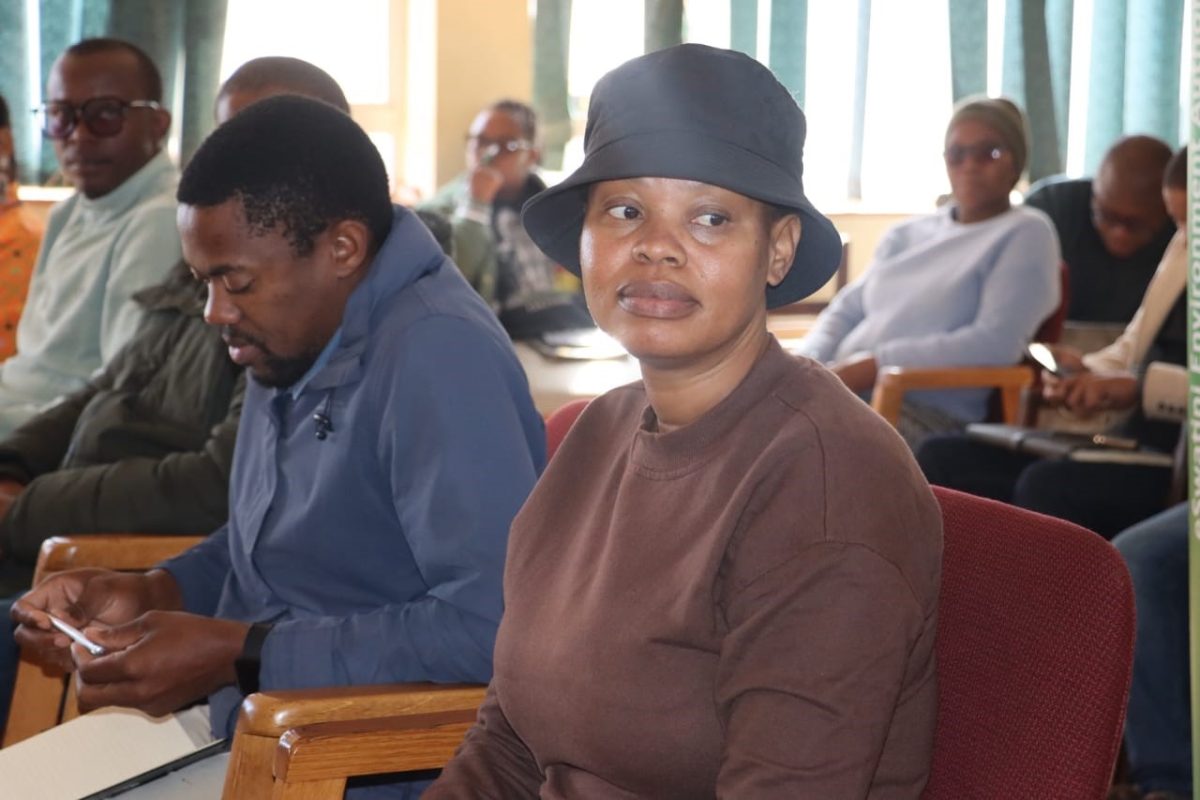
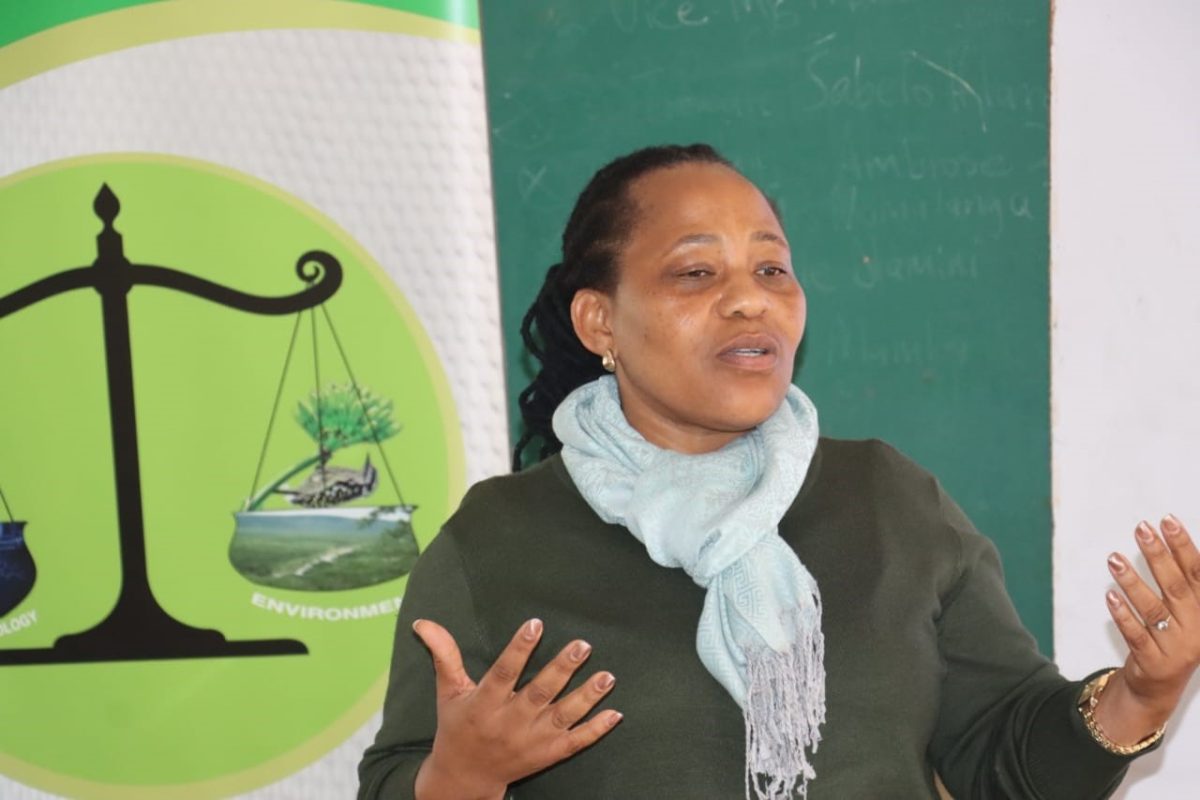
The dual focus emerged during a series of Regional Biosafety Awareness Workshops organised by the Eswatini Environment Authority (EEA), where agricultural extension officers, researchers and government officials were trained on biosafety, biotechnology and seed regulation.
The workshops, held across the country’s four regions, are part of the government’s efforts to strengthen the institutional capacity needed before any decisions are taken on the commercial adoption of genetically modified crops.
Speaking during the workshops, EEA officials stressed that Eswatini’s approach is guided by science, transparency and precaution.
“Our responsibility is to ensure that biotechnology is introduced, managed and monitored within a robust regulatory framework that protects both human health and the environment. Capacity building is therefore essential before any biotechnology applications can be effectively implemented,” officials told participants.
The Authority said the Biosafety Act is designed to regulate the responsible use of modern biotechnology while safeguarding biodiversity, human health and the environment.
Preparing agriculture for a changing climate
The workshops come at a time when agriculture is facing increasing pressure from climate change, prolonged droughts, erratic rainfall and destructive pests such as the fall armyworm.
Officials said these challenges are forcing countries to explore new technologies capable of improving productivity while reducing production risks.
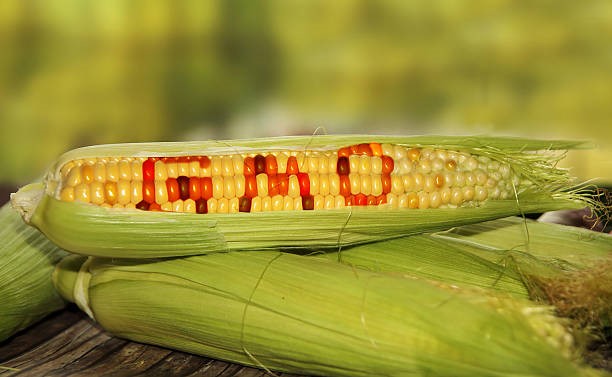
Globally, biotechnology has largely focused on developing crops with traits such as insect resistance and herbicide tolerance. Research presented during the workshops showed that genetically modified crops can reduce pesticide use, lower production costs, improve drought tolerance and increase yields when managed responsibly.
However, the EEA emphasised that genetically modified crops are not a one-size-fits-all solution.
During the Lubombo workshop in Siteki, participants were told that a crop variety suited to the cooler conditions of Piggs Peak may not perform in Siteki’s hotter and drier climate. As a result, scientific research, environmental assessments and official technical guidance remain essential before any crop variety is recommended for cultivation.
The Authority said this is why agricultural extension officers are being equipped with specialised knowledge. Should genetically modified crops eventually be approved, these officers will become the country’s frontline biosafety advisers, helping farmers identify approved varieties, comply with biosafety regulations and apply appropriate stewardship practices.

Understanding GMOs
One of the key objectives of the workshops was to address misconceptions surrounding genetically modified organisms.
Addressing participants during the Shiselweni workshop in Nhlangano, EEA Biosafety Registrar Calsile Mhlanga explained that many crops consumed today are already the result of centuries of selective breeding rather than genetic modification.
“Bananas, watermelons and grapes used to be full of seeds, but consumer choices forced farmers to change them through selection,” Mhlanga said.
He explained that today’s larger, sweeter carrots evolved through selective breeding and natural mutations from thin, bitter wild carrots.
Unlike traditional breeding, which selects desirable characteristics over several generations, genetic modification introduces a specific gene, such as one responsible for drought tolerance or insect resistance, directly into a plant’s DNA under controlled laboratory conditions.
According to Mhlanga, developing a genetically modified crop typically takes between 10 and 15 years, involving laboratory research, confined field trials, environmental risk assessments and multiple regulatory approvals before commercial release.
He stressed that biotechnology complements rather than replaces good farming practices.
“Farmers must still choose varieties that are suitable for their local climate and soil conditions, follow recommended stewardship practices and comply with biosafety requirements,” he said.
He also urged farmers to purchase seed only from authorised suppliers and verify through agricultural extension officers that any genetically modified varieties are officially approved for use in Eswatini.
Local seed production under the spotlight
Beyond biotechnology, the workshops highlighted Eswatini’s continued dependence on imported seed, a challenge experts say threatens both food security and farming profitability.
Speaking during the Nhlangano workshop, Sandile Makama, an Agricultural Officer with the Ministry of Agriculture’s Seed Quality Control Services based at the Malkerns Research Station, called for greater investment in domestic seed production.
“Let us produce our own seeds. Let us be self-sufficient and stop relying entirely on imports,” Makama said.
He warned that geopolitical tensions and disruptions to international supply chains continue to drive up seed prices while limiting the availability of popular seed varieties.
Makama noted that some widely used varieties, including 711, are currently unavailable despite strong demand from farmers.
He proposed that multinational seed companies license local producers to multiply seed within Eswatini, allowing the country to improve availability, strengthen quality assurance and reduce dependence on imported seed.
Makama also cautioned extension officers against misleading seed labelling after reports that some farmers had confused 701 seed with the preferred 711 variety.
“Extension officers must remain vigilant. Farmers depend on your technical guidance to ensure they purchase approved seed varieties. Incorrect labelling and unapproved seed can undermine productivity and create unnecessary confusion,” he said.
He added that as biotechnology advances, rigorous scientific research, effective seed certification and continuous biosafety monitoring will become increasingly important in protecting Eswatini’s biodiversity and agricultural future.
Balancing innovation with regulation
While biotechnology offers opportunities to improve agricultural productivity, officials emphasised that any future adoption of genetically modified crops will be governed by strict scientific and regulatory oversight.
Eswatini already has experience in biotechnology regulation through the approval of Bt cotton, which followed years of confined field trials and comprehensive scientific assessment.
Under the Biosafety Act, every GMO application must undergo detailed risk assessment by the National Biosafety Advisory Committee before recommendations are submitted to the Eswatini Environment Authority for consideration.
Officials said the country’s regulatory system is designed to ensure that every application protects human health, biodiversity and the environment before any commercial approval is granted.
International organisations, including the World Health Organization (WHO) and the Food and Agriculture Organization (FAO), maintain that genetically modified foods approved through rigorous scientific assessment are as safe for human consumption as conventional foods. However, they also emphasise that every genetically modified organism must be assessed individually under strong national regulatory systems.
Looking ahead
The Regional Biosafety Awareness Workshops demonstrate that Eswatini’s biotechnology agenda extends beyond introducing genetically modified crops.
They are equally about building scientific capacity, strengthening biosafety regulation and developing a more resilient national seed system capable of supporting long-term food security.
For the EEA, the message throughout the workshops was consistent: biotechnology should be guided by science, not speculation.
As climate change continues to reshape agriculture, informed farmers, well-trained extension officers, credible regulation and stronger local seed production will be just as important as technological innovation in securing Eswatini’s agricultural future.
The question posed repeatedly during the workshops captures the challenge ahead:
“Do you know whether the seed variety growing on your farm is officially registered and approved for use in Eswatini?”
For a country preparing for the next chapter in agricultural innovation, knowing the answer may be the first step towards sustainable, productive and climate-resilient farming.