


…Eswatini’s forests are being written into law with sharper teeth.
BY: PHESHEYA KUNENE | EDITOR
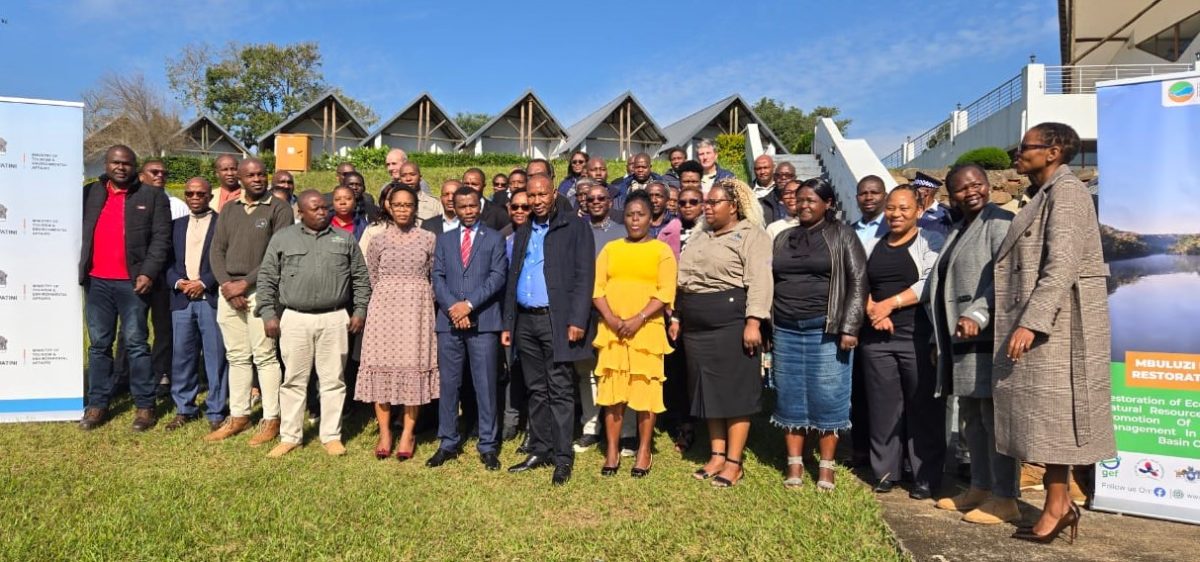
EZULWINI — The proposed Forestry Bill, validated at Sibane Sami Hotel on Wednesday,3 June 2026, seeks to strengthen penalties, protect natural forests, safeguard farmlands and secure critical landscapes such as the Mbuluzi River Basin from illegal cutting, wildfires and land degradation.
The Bill, developed through the Ministry of Tourism and Environmental Affairs, the Forestry Department and the Eswatini National Trust Commission (ENTC), is supported through the Mbuluzi Ecosystems Restoration Project (MERP), a GEF-funded initiative implemented by UNEP. It is designed to modernise forest governance while balancing conservation, agricultural productivity and economic development.
Representing Minister of Tourism and Environmental Affairs Jane Mkhonta-Simelane, Minister of Housing and Urban Development Apollo Maphalala described the Bill as a commitment to protect the country’s natural heritage and ensure forests continue to support livelihoods, biodiversity, water resources and future generations.
“Let us legislate out of national interest, not personal interest,” Maphalala told stakeholders, warning that legislation influenced by private interests often results in weak laws that later require repeated amendments.
The Bill introduces a stronger framework for sustainable forest management, community woodlots, urban and peri-urban forestry, industrial forestry development and agroforestry.
For farmers and landowners, the proposed law could encourage the integration of trees into farming systems, improve soil conservation, protect water catchments and create additional income opportunities through tree-based enterprises and emerging carbon market opportunities.
The validation process also addressed several concerns raised by stakeholders during earlier consultations. Definitions have been revised to align with international FAO standards, confidentiality provisions strengthened, and contentious sections refined or moved into regulations.
Some provisions, including the proposed Forest Fund, have been held in abeyance pending further policy decisions.
One of the most debated issues was enforcement. Stakeholders argued that existing fines are too low to deter offenders involved in illegal logging, destruction of forests and other environmental crimes. In response, the Bill strengthens offences and penalties while placing fines in amendable schedules, allowing government to adjust them more easily as circumstances change.
The legislation also introduces schedules covering commercial tree species, invasive plants, controlled species, banned pesticides and international forestry agreements, creating a more comprehensive regulatory framework for the sector.
Maphalala further warned against the illegal cutting and sale of indigenous trees and called on communities to help prevent wildfires as the country enters the dry winter season.
“The illegal cutting and selling of indigenous trees poses a severe threat to biodiversity and long-term ecosystem health,” he said.
ENTC Director of National Parks, Saneliso Makhanya, described the validation workshop as a major milestone after more than a year of consultations involving government, industry players, communities, conservation organisations and development partners.
“Today’s validation represents the result of a long, collaborative process,” Makhanya said, adding that the next stage will focus on finalising the Bill and developing regulations that will give practical effect to its provisions.
Beyond regulating trees, the proposed Forestry Bill seeks to shape how land is managed, how farms protect natural resources and how Eswatini safeguards the forests, rivers and landscapes that underpin both its economy and environmental future.