

BY PHESHEYA KUNENE – EDITOR
MANZINI – Eswatini’s record fuel prices are driving up farming costs and threatening winter production, with further increases expected after South Africa confirmed a sharp fuel price hike effective Wednesday, May 6.
Diesel prices, now hovering around E25.20 per litre after April’s increase, are placing immediate pressure on the agricultural sector, raising the cost of production, transport, processing, and ultimately food prices, at a time when farmers are entering a critical, irrigation-dependent winter season.
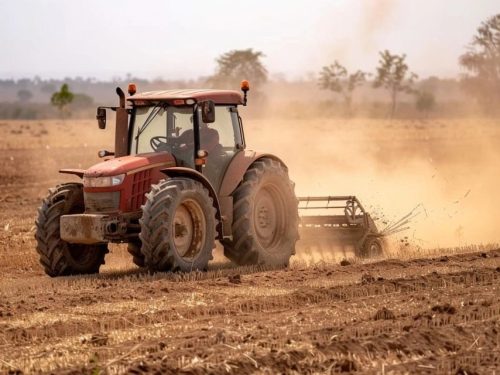
The impact is direct and compounding. Fuel is a core input across the agricultural value chain, powering tractors, irrigation systems, processing machinery, and transport logistics. With diesel accounting for an estimated 12 to 18 percent of total farm operating costs, the latest increases are eroding already thin profit margins, particularly for smallholder farmers.
Principal Secretary in the Ministry of Agriculture Sydney Simelane said the rising cost of fuel presents a structural threat to agricultural productivity.
“Fuel is a critical input in agriculture, from land preparation to harvesting and distribution. When fuel prices rise at this scale, the entire cost structure of farming is affected. The immediate risk is reduced production, particularly for winter crops that depend heavily on irrigation,” said Simelane.
He said the ministry was closely monitoring the situation, particularly as winter crops such as vegetables and wheat require consistent water supply supported by diesel-powered pumping systems.
“As costs increase, farmers are forced to make difficult decisions, often reducing planting area or input application. This has direct implications for yields, food supply, and national production targets,” he said.
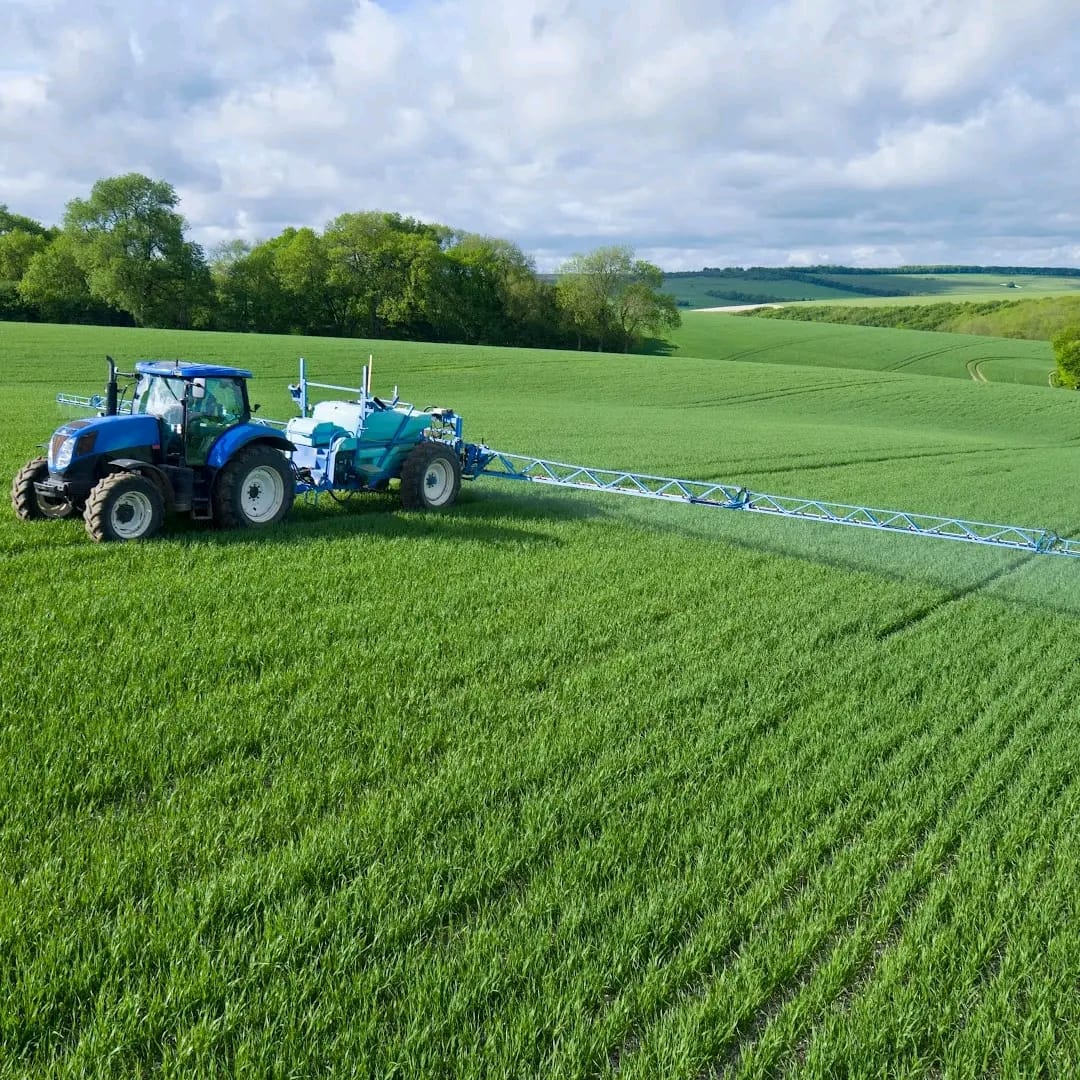
The fuel shock extends beyond the farm. Higher diesel costs are inflating transport expenses for both inputs and outputs, raising the cost of moving fertiliser, seed, and produce across the country and into export markets. For a small, import-reliant economy like Eswatini, the effect is amplified.
The pressure is particularly acute in the sugar industry, one of Eswatini’s largest export earners. The country produces approximately 600 000 to 700 000 tonnes of sugar annually, with over 70 percent exported to regional and international markets, including the European Union and regional SACU markets. Sugar accounts for roughly 15 to 20 percent of Eswatini’s export earnings, making it highly sensitive to cost fluctuations.
Production economics in sugarcane farming are heavily fuel-dependent. Industry estimates show that fuel and energy account for between 10 and 15 percent of total cane production costs, covering land preparation, irrigation pumping, haulage, and harvesting. With diesel prices rising sharply, the cost per hectare, which can range between E35 000 and E50 000 for irrigated sugarcane, is expected to increase significantly.
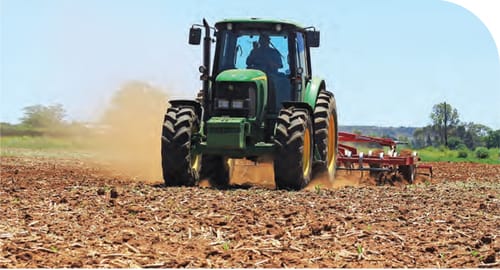
Transport and logistics present an additional burden. Cane haulage to mills and refined sugar distribution to export corridors rely almost entirely on diesel-powered trucking. A sustained increase in fuel prices is expected to raise transport costs by at least 8 to 12 percent across the value chain, directly affecting mill gate prices and export competitiveness.
Processing costs are equally exposed. Sugar milling is energy-intensive, with factories relying on a combination of electricity and fuel-based systems. While bagasse provides partial energy substitution, rising fuel prices continue to affect operational efficiency, maintenance, and downstream distribution.
Economist Sanele Sibiya said the fuel price escalation reflects a broader global supply shock with direct domestic consequences.
“Supply disruptions linked to geopolitical tensions are tightening global oil supply and driving international prices upward. For Eswatini, this translates into a higher import bill and rising domestic fuel prices. That feeds directly into agricultural costs, from tractor operations to logistics,” said Sibiya.
He added that the impact extended to fertiliser, particularly nitrogen-based inputs linked to global energy markets.
“The same regions affected by geopolitical tensions are key suppliers of nitrogen products used in fertiliser. This creates a dual shock, higher fuel costs and higher fertiliser costs, both of which constrain farmer productivity and reduce yields,” he said.
Sibiya warned that sustained increases in fuel prices would drive inflation across the food system.
“Fuel is embedded in every stage of production and distribution. As costs rise, there is a general markup across the value chain, from farm to retail. The result is higher food prices and increased pressure on household incomes,” he said.
Government has attempted to cushion the impact through a E334 million intervention from the Strategic Oil Reserve Fund. However, analysts caution that such measures may only offer temporary relief in the face of sustained global volatility.
For farmers, the pressure is already translating into operational decisions.
Local processor Dr Hlongwane, who produces peanut butter and cooking oil in Mbabane using both imported and locally sourced peanuts, said rising fuel costs were affecting both production and procurement.
“Fuel costs are affecting us at every level, from importing raw materials to distributing finished products. Transport costs have increased significantly, and that directly affects pricing and margins. Even sourcing locally is no longer insulated from these pressures,” he said.

He said the situation was particularly challenging for processors operating within tight margins.
“When input costs rise across fuel, packaging, and logistics, you are forced to either absorb the cost or pass it on to the consumer. Neither option is sustainable in the long term,” he said.
Businesswoman, farmer and processor Sonia Paiva, founder of The Woman Farmer Foundation and co-founder of Eswatini Kitchen, said the current environment was exposing structural weaknesses in the agricultural value chain.
“What we are seeing is the true cost of dependency on imported inputs. Fuel affects production, processing, and market access. For smallholder farmers, especially women and youth, this creates barriers to participation and growth,” said Paiva.
She said there was an urgent need to strengthen local production systems and build resilience.
“This is the moment to invest in local value chains, climate-smart agriculture, and sustainable practices that reduce reliance on external shocks. Without that shift, farmers will continue to operate at the mercy of global volatility,” she said.
The broader outlook remains uncertain. While official inflation stood at around 3.6 percent in March 2026 before global tensions escalated, economists warn that fuel-driven cost pressures are likely to push food prices higher in the coming months.
With winter production underway and global oil markets remaining volatile, the agricultural sector now faces a difficult season defined by rising costs, constrained production, and increasing uncertainty. For Eswatini’s farmers, the equation is tightening, higher fuel costs, higher input prices, and lower margins, with little room to absorb further shocks.