
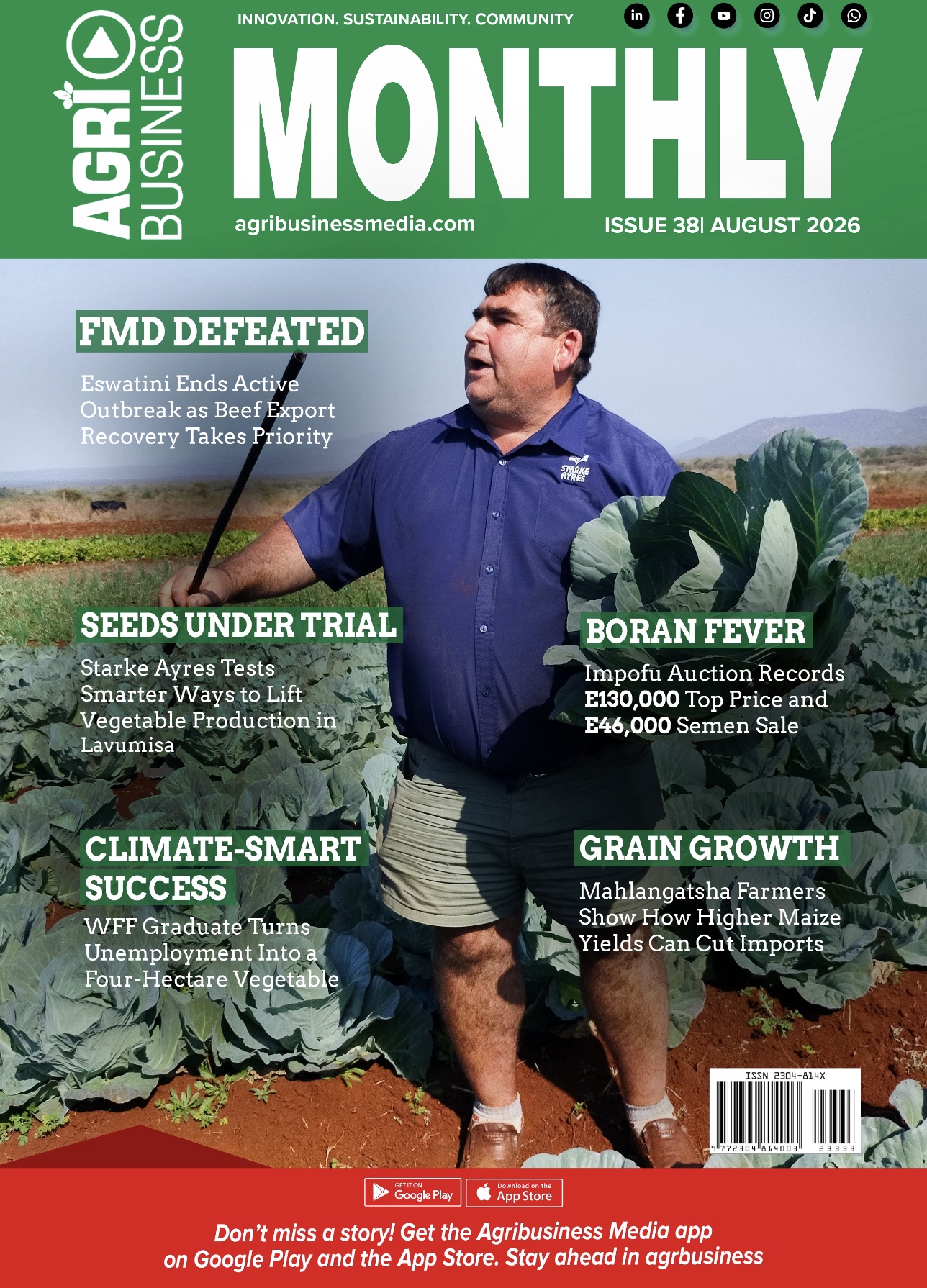
BY: PHESHEYA KUNENE | EDITOR
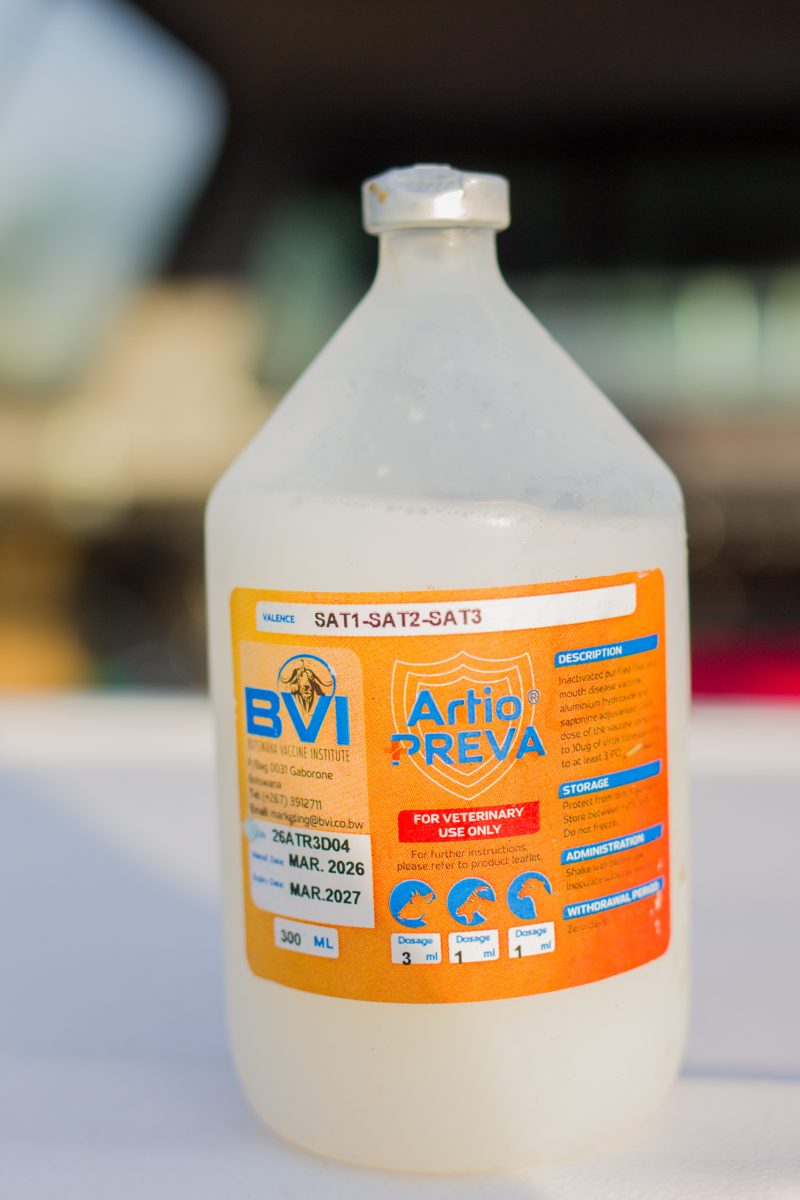
MANZINI – Prime Minister Russell Mmiso Dlamini has urged strict national compliance with Foot and Mouth Disease (FMD) control measures as Eswatini surpasses 236 000 vaccinated cattle, representing over 40 percent of the national herd, amid an intensified containment campaign.
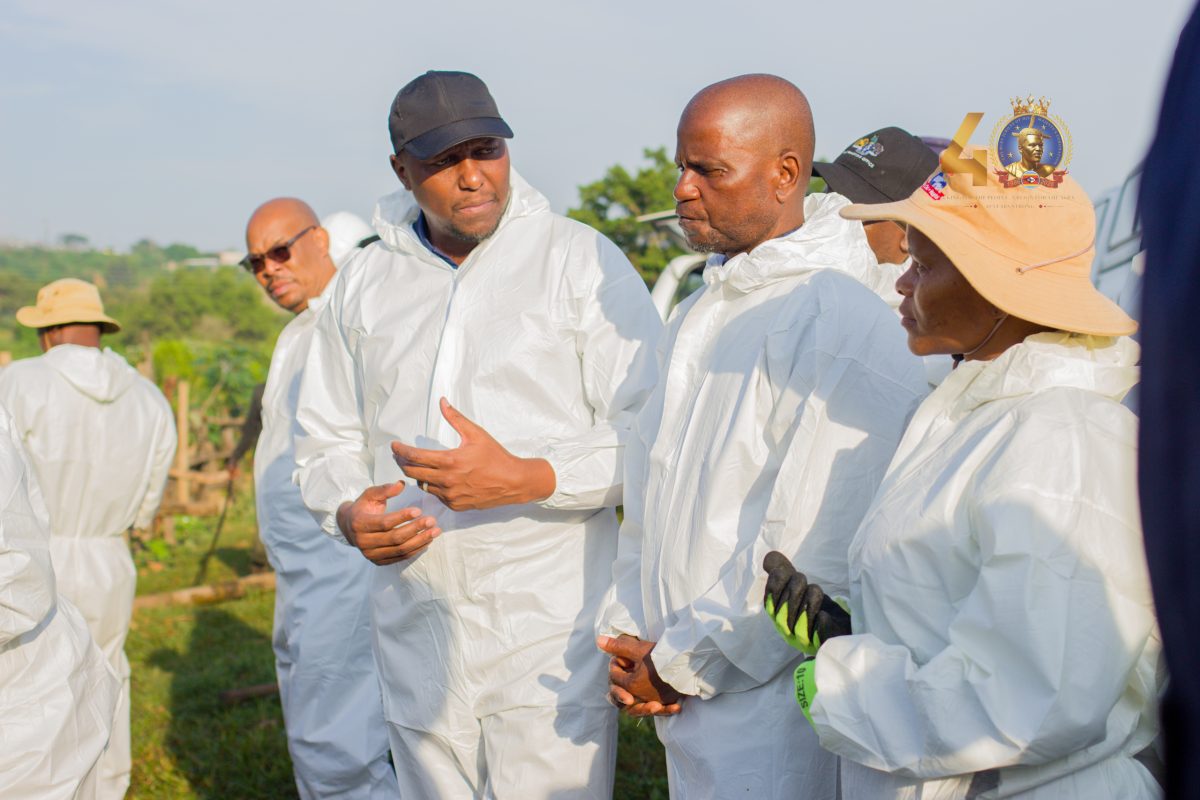
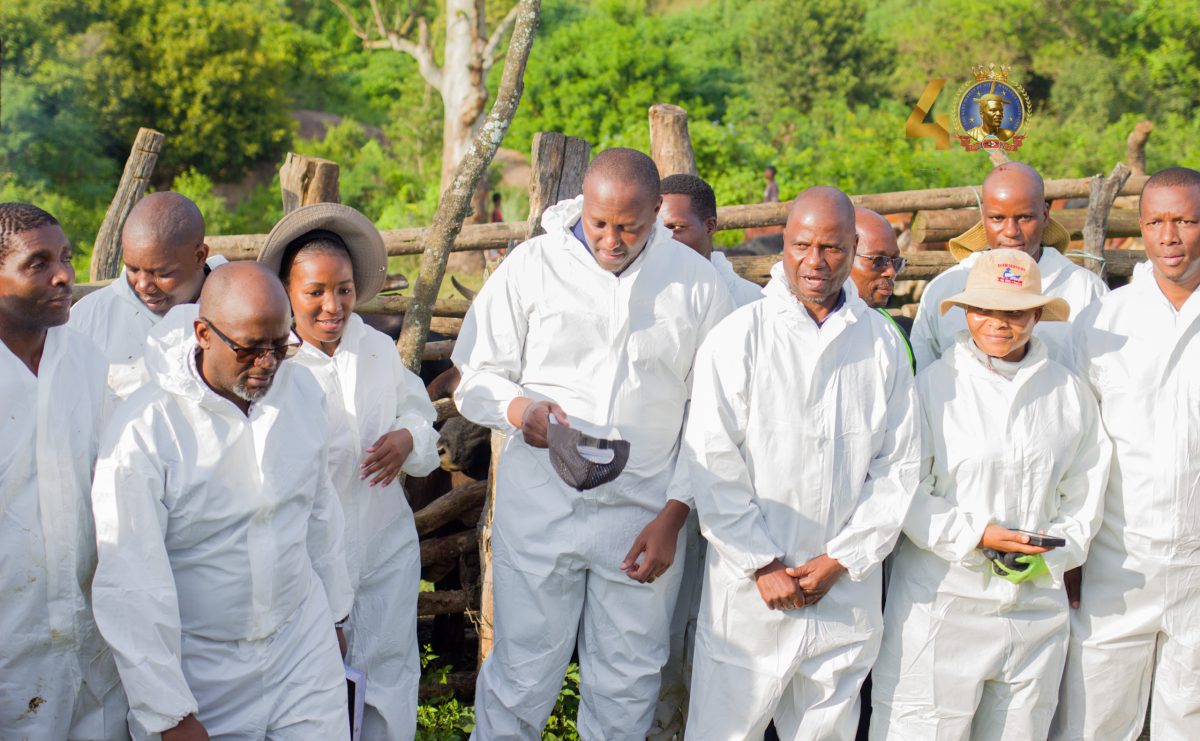
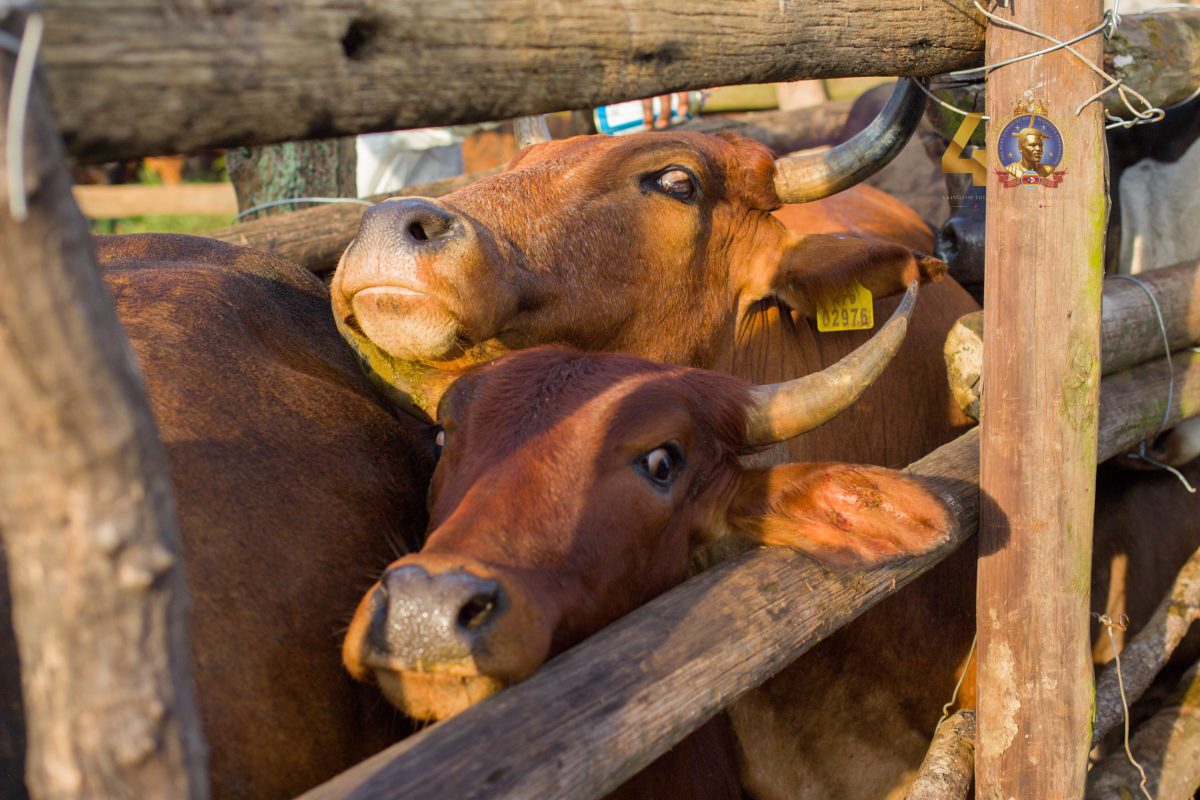
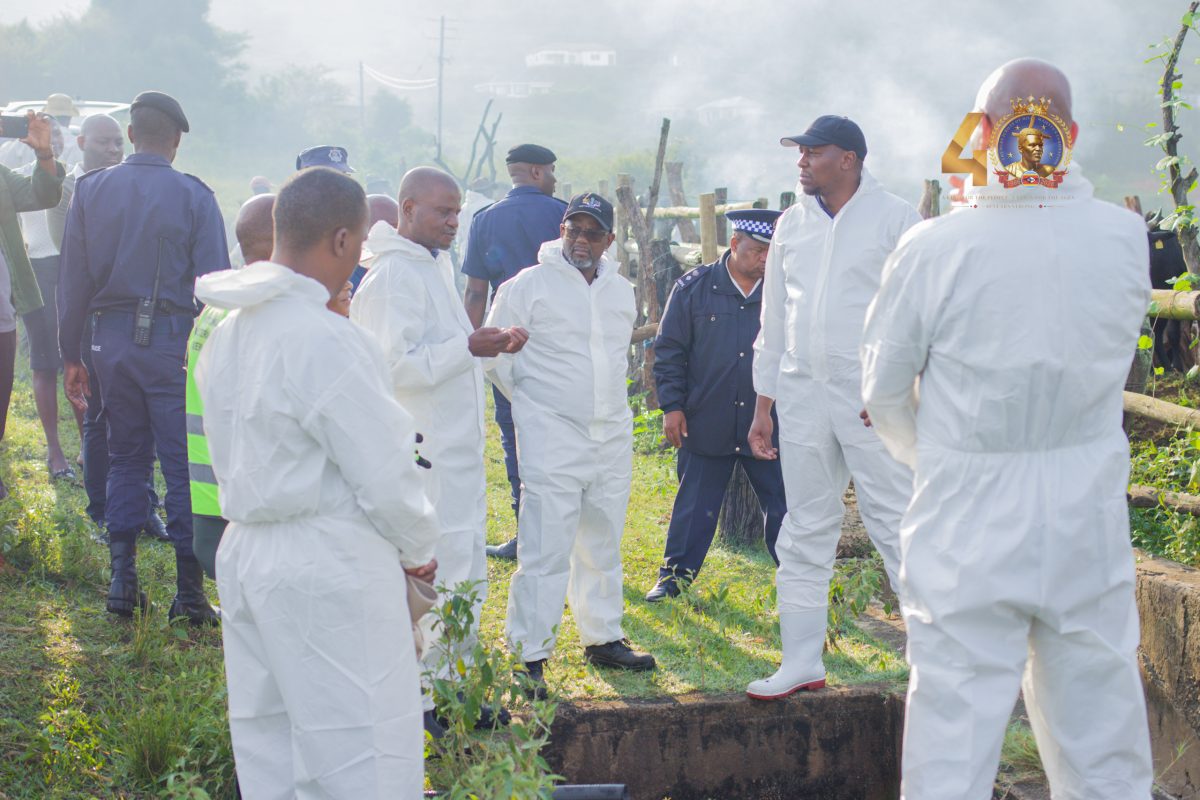
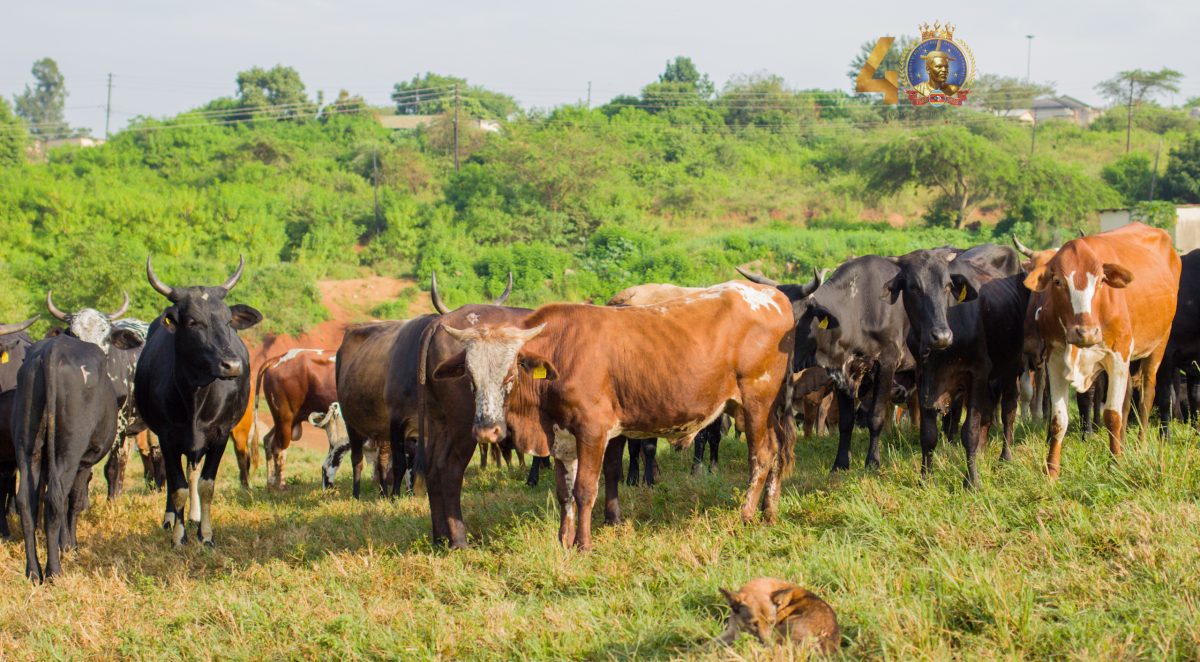
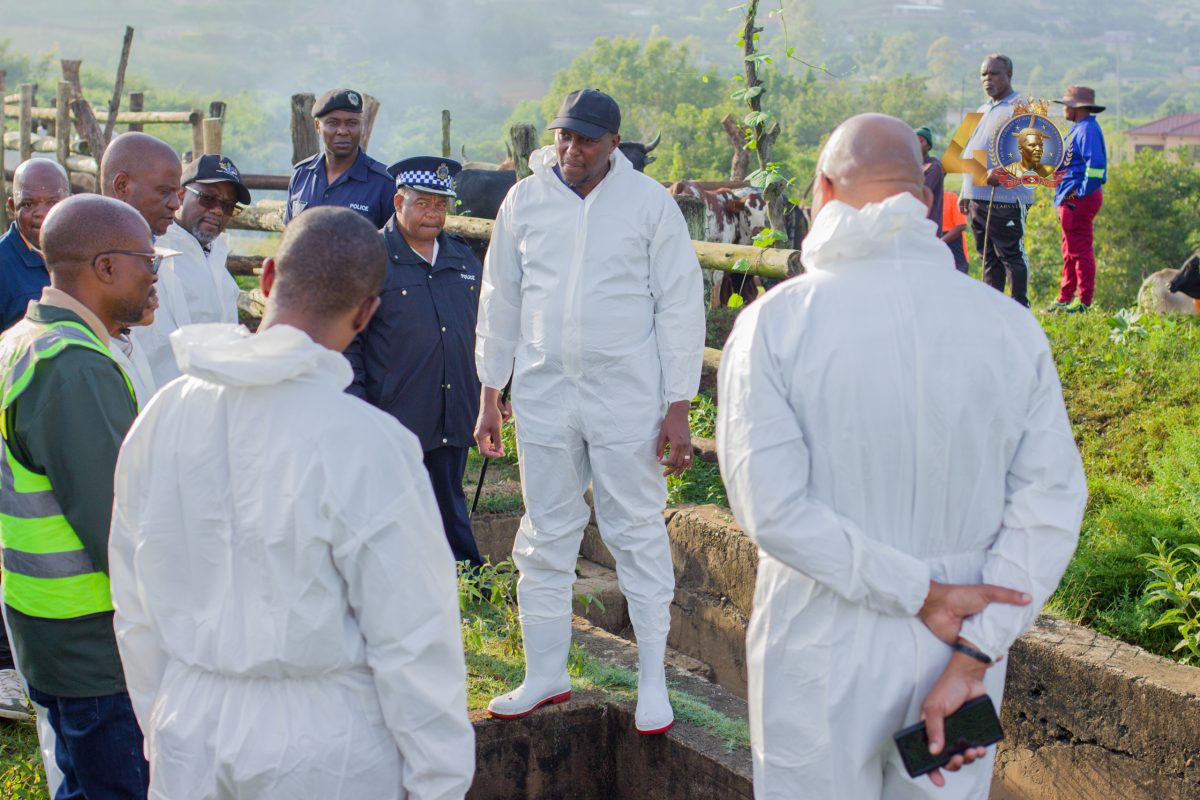
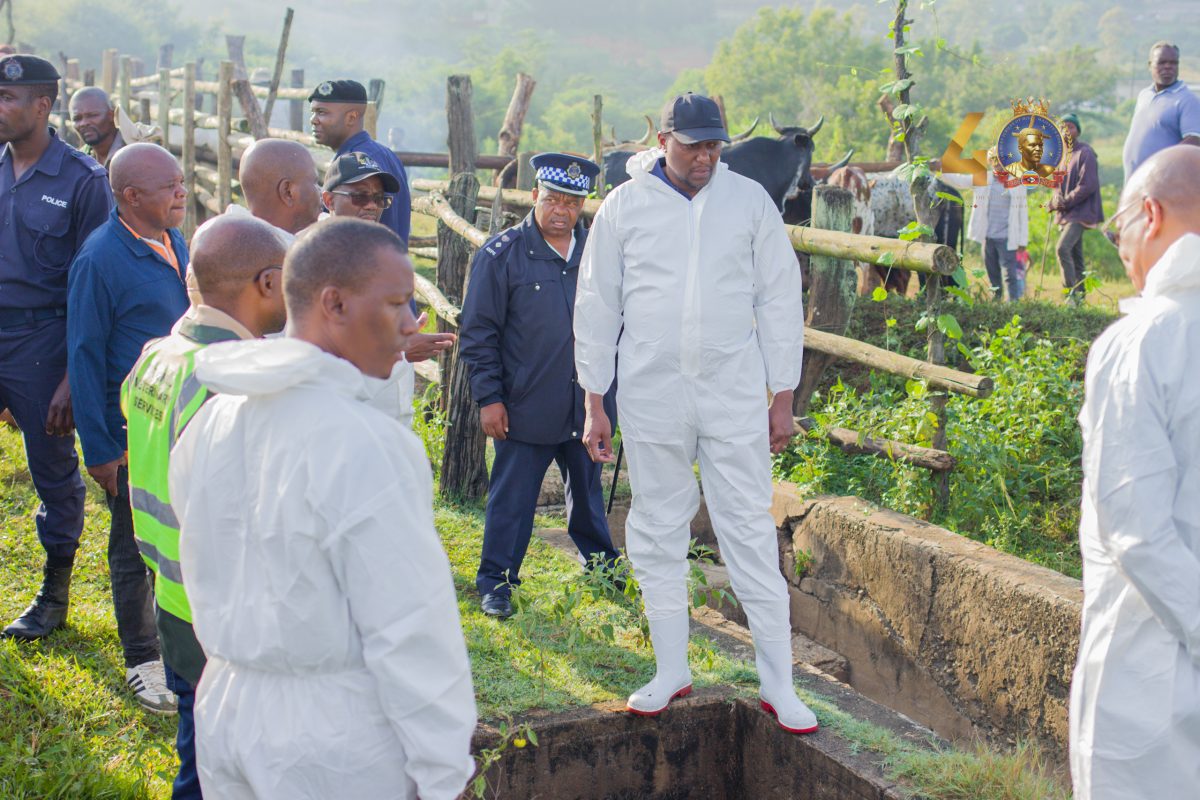
The Prime Minister made the remarks during an oversight visit to Mzimnene Dip Tank in Ngwane Park, where about 700 cattle received their second dose under the ongoing nationwide vaccination programme. The site remains FMD-free, with authorities emphasising that vaccination is a preventive measure aimed at protecting the herd from infection.
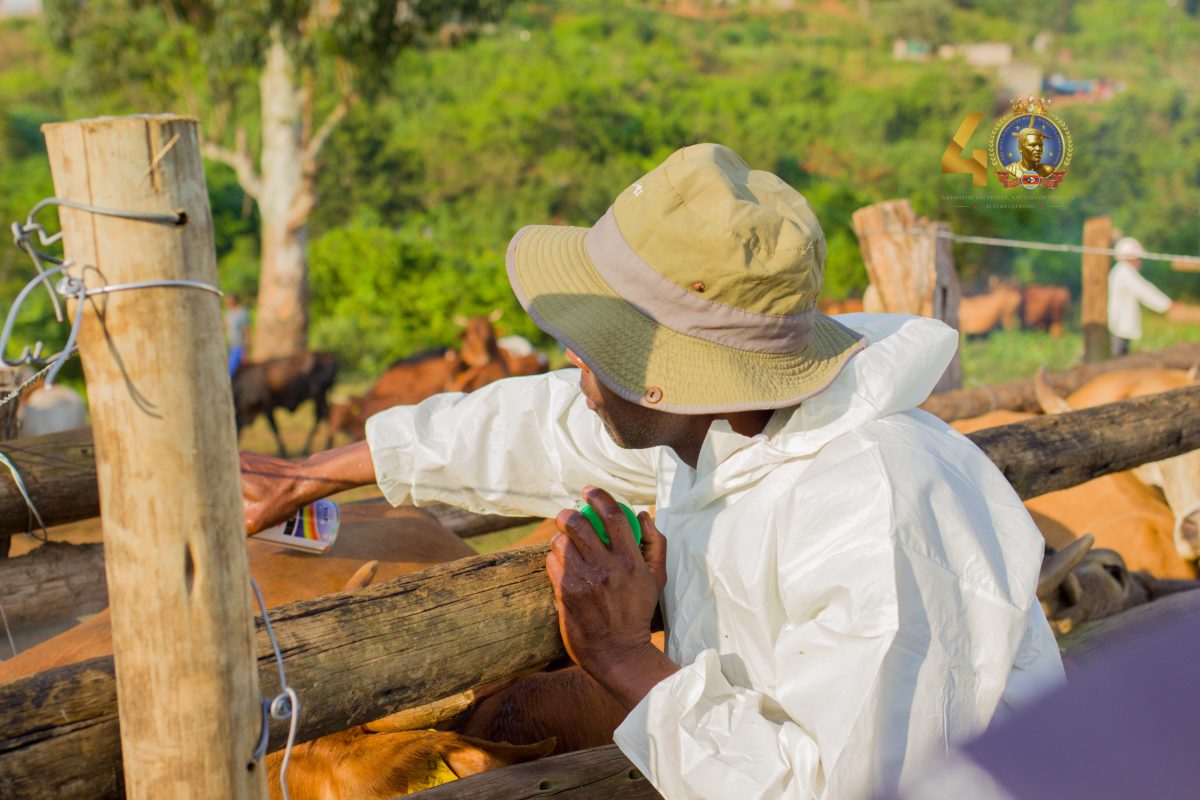
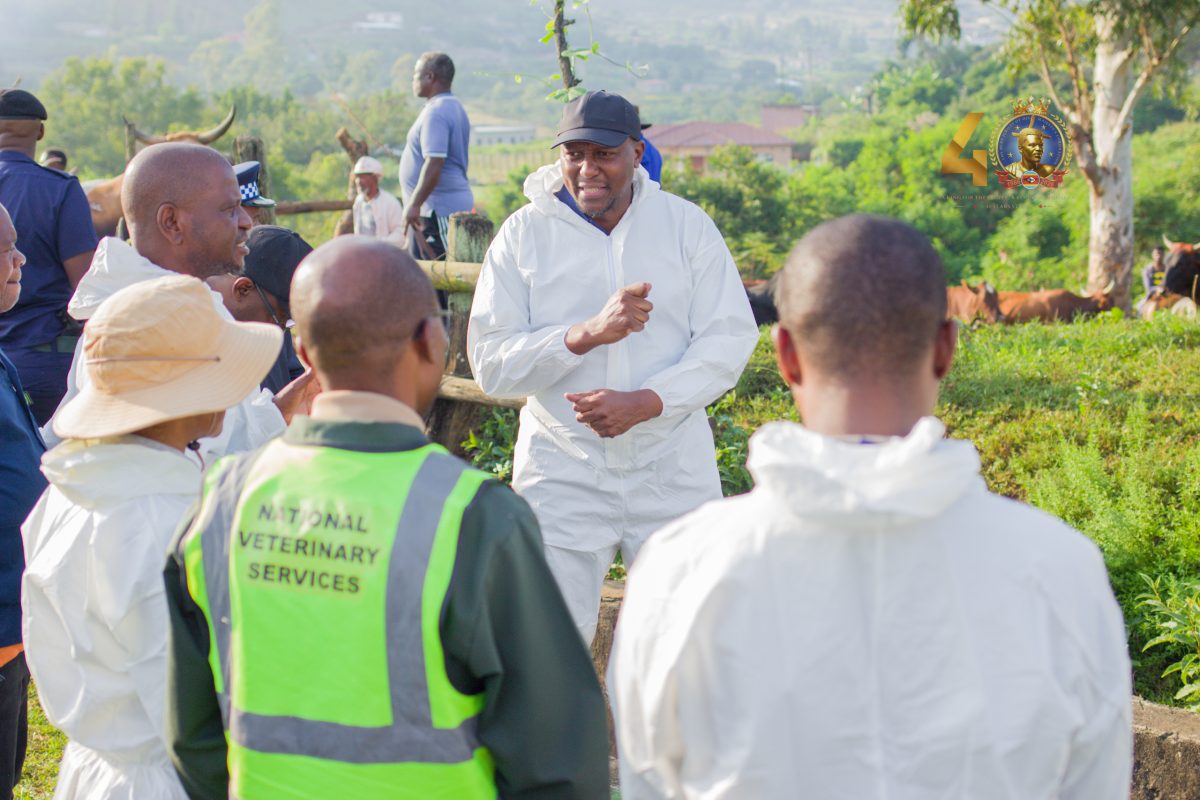
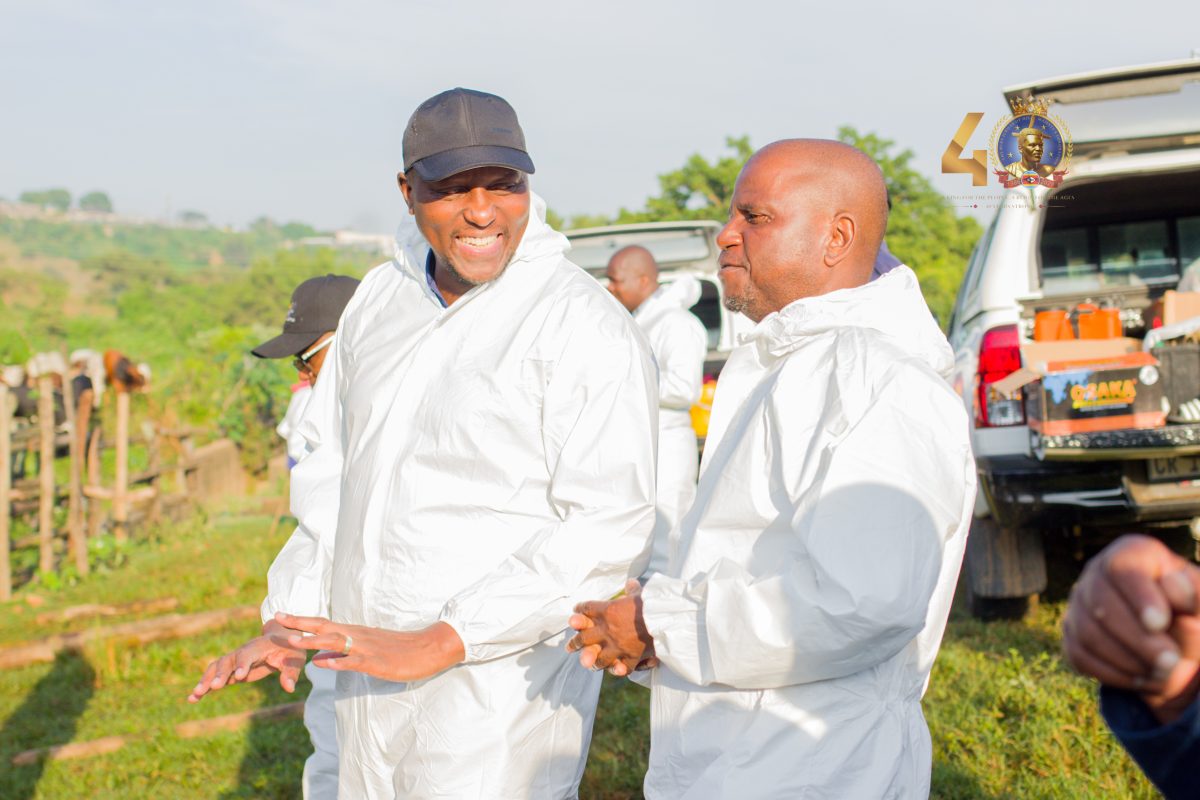
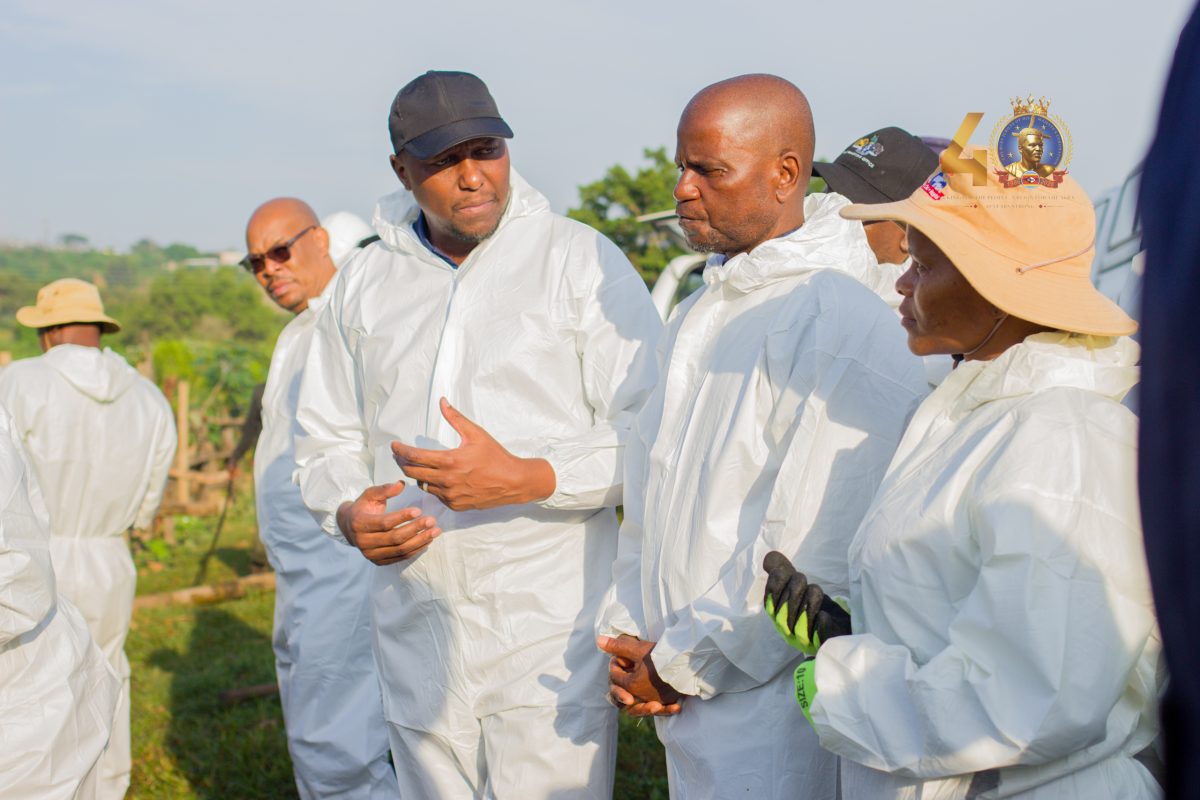
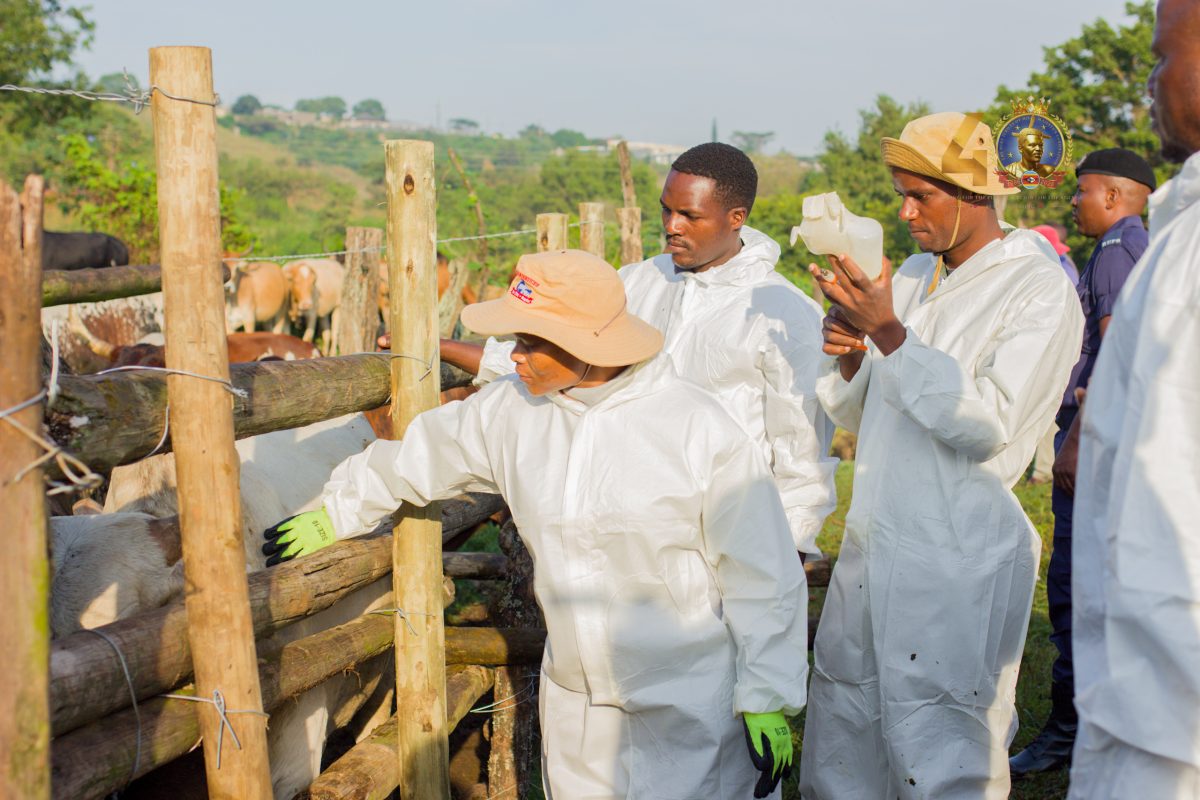
Dlamini, dressed in full protective gear, was briefed by Minister of Agriculture Mandla Tshawuka and veterinary teams on field operations, including correct vaccine administration techniques. Veterinary expert Dr Pride Shongwe demonstrated the importance of selecting precise injection points to ensure vaccine efficacy and animal safety.
Addressing farmers and officials, Dlamini said Government was intensifying efforts to contain the disease but warned that non-compliance, particularly illegal livestock movement, continues to undermine progress.
“Government is doing everything within its power to eradicate this disease. However, if it persists, it will largely be due to our own actions. Reckless movement of livestock undermines the progress we are making,” he said.
He added that cattle remain a critical economic asset, warning that continued export restrictions have already resulted in job losses and reduced incomes within the beef value chain.
Eswatini’s beef exports to international markets, including the European Union, remain suspended following the outbreak, placing additional pressure on farmers and processors.
The Prime Minister further noted that the vaccination campaign had reached a critical milestone, with approximately 40 percent of cattle having received second doses. He expressed confidence that, with continued cooperation, the country could achieve full coverage in the coming months.
Meanwhile, Tshawuka confirmed that the country is working to restore its export status, stating that the vaccination programme is expected to conclude by the end of June, subject to adequate vaccine supply and compliance levels.
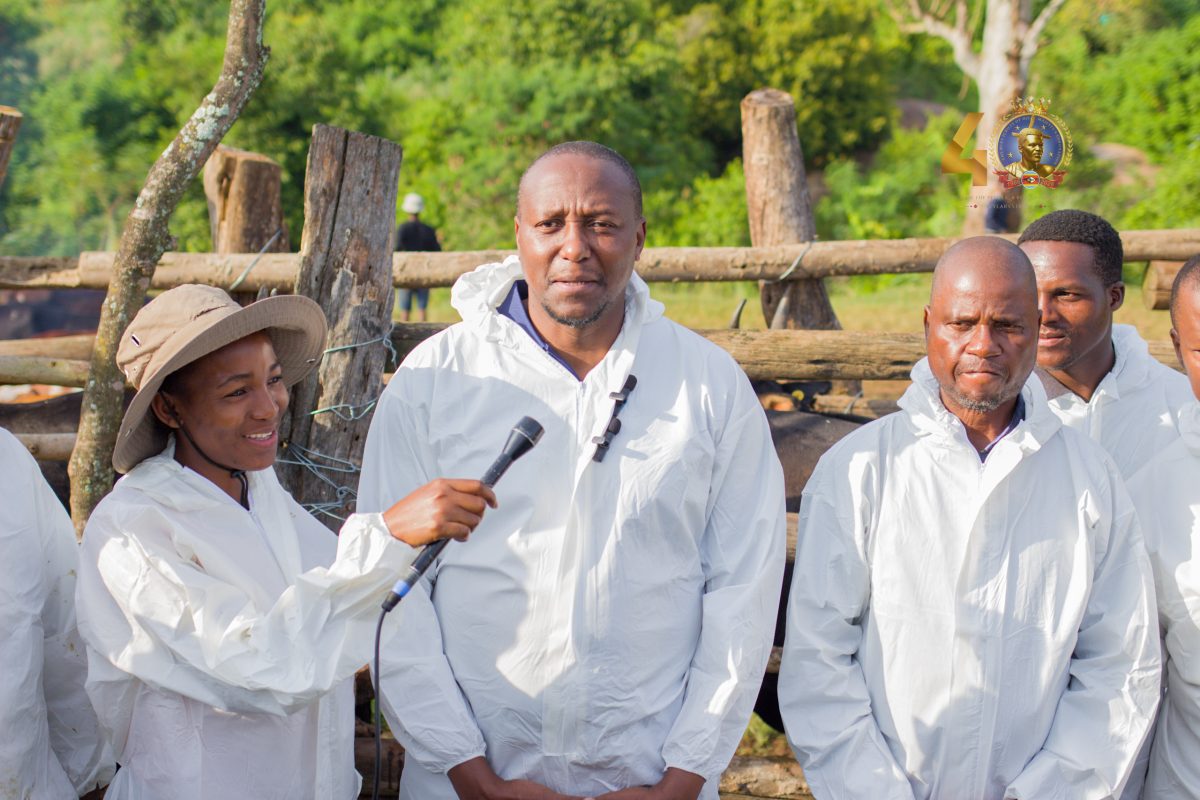
“We have made significant progress, but restoring exports and protecting livelihoods will depend on strict adherence to all control measures,” he said.
The Minister also raised concern over biosecurity breaches, revealing that approximately 70 metres of cordon fence had been stolen along the Lavumisa border. He warned that such incidents increase the risk of cross-border livestock movement and potential reinfection, particularly given ongoing outbreaks in neighbouring countries.
At Mzimnene Dip Tank, about 700 cattle received their second dose in a controlled, FMD-free environment, reinforcing the preventive nature of the programme.
From an industry perspective, the FMD outbreak has exposed structural weaknesses in livestock management, including gaps in compliance, traceability, and coordinated disease control. At the same time, it has underscored the economic importance of the sector, with cattle serving as both a store of wealth and a key driver of rural livelihoods.
Dlamini concluded by calling for a unified national response, urging farmers to utilise dip tanks, cooperate with veterinary officers, and adhere strictly to movement regulations.
“The success of this fight depends on all of us. Without full cooperation, the disease will continue to spread. But with discipline and collective action, we will overcome it,” he said.