
BY: PHESHEYA KUNENE | EDITOR
MANZINI – Authorities are moving to tighten hygiene, storage and certification requirements in the growing aquaculture sector as stakeholders work to build a fish industry capable of supplying consumers safely and competing in larger markets.
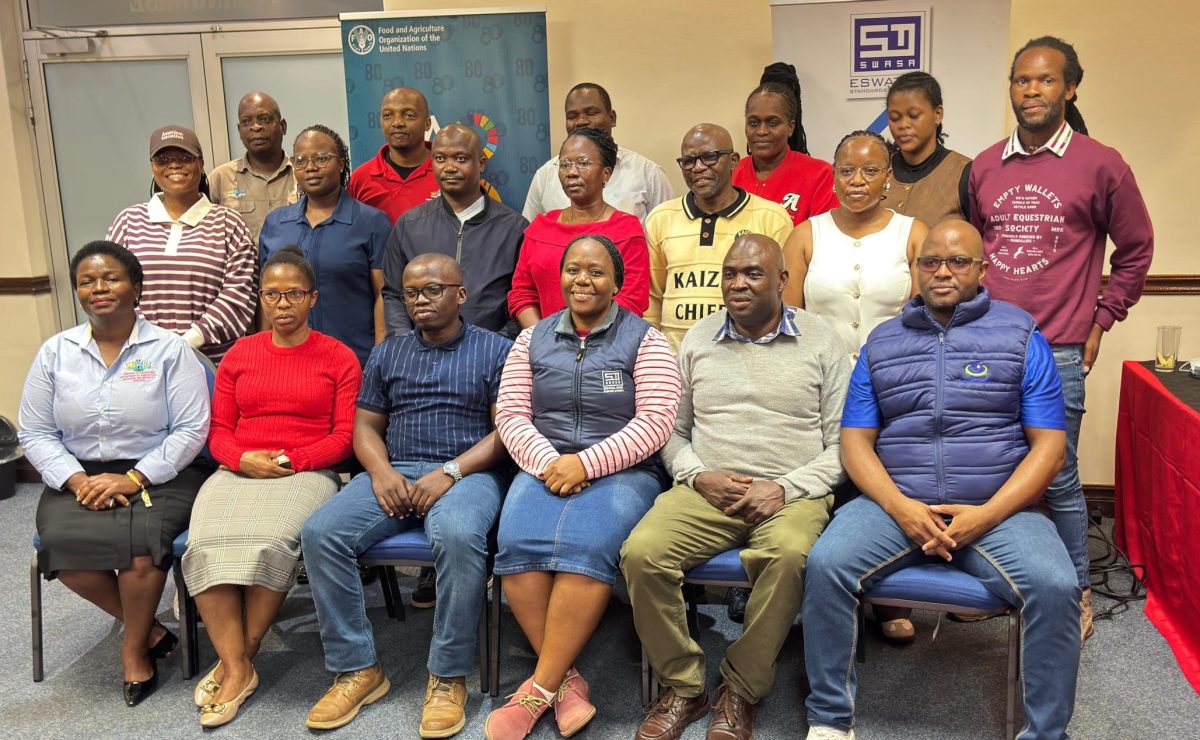
These issues dominated discussions on the second day of the Fish, Fisheries and Aquaculture Technical Committee meeting convened by the Eswatini Standards Authority (ESWASA), in collaboration with the Ministry of Agriculture and with support from the Food and Agriculture Organization (FAO).
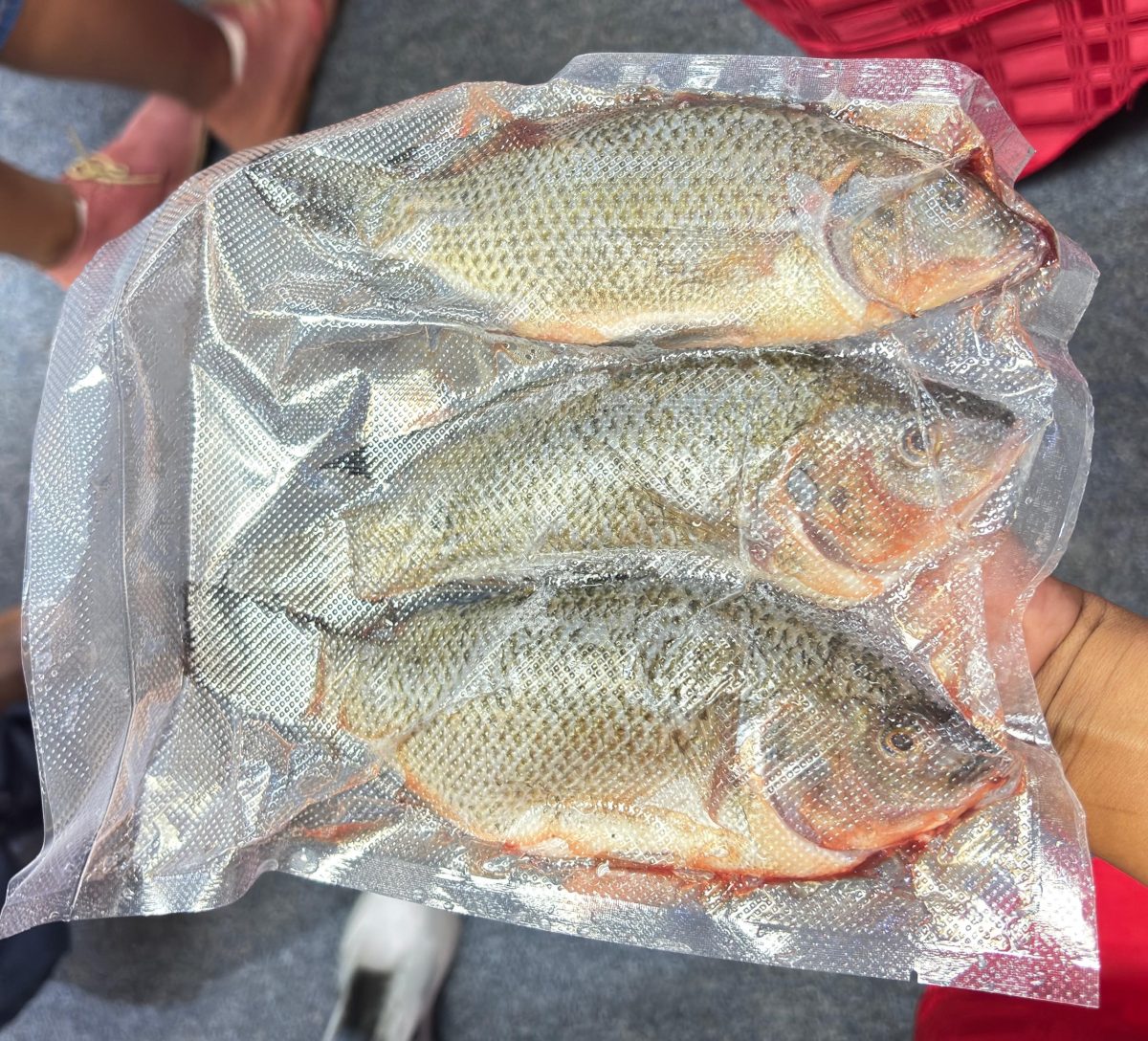
The committee reviewed draft standards covering personal hygiene, storage vessels, fishing nets, packaging materials, freshwater fish specifications and certification systems for fish and fishery products.
At the centre of the discussions was a simple concern: poor handling and weak sanitation practices can undermine consumer confidence, threaten public health and limit market opportunities for farmers.
Mandla Ndlovu, Acting Regional Health Officer in the Ministry of Health’s Environmental Health Department, urged fish farmers, traders and processors to treat hygiene as a business priority rather than a regulatory burden.
He warned that fish products failing to meet health standards are often removed from shelves and destroyed, resulting in avoidable losses for farmers and businesses.
“Fish must be handled, stored and sold under proper sanitation and health precautions to remain safe for consumption,” he said.
The draft standards seek to address those risks by establishing requirements for hygienic fish handling, storage conditions, packaging materials and traceability systems. Certification was also identified as a critical component for ensuring that fish products meet food safety and quality requirements.
Assistant FAO Representative Howard Mbuyisa welcomed the standards review process but stressed that regulations alone would not transform the sector.
He said implementation, supported by adequate funding and investment, would ultimately determine whether the standards deliver meaningful results.
According to Mbuyisa, a stronger fish industry could help reduce dependence on imported fish, expand export opportunities, create jobs and contribute to economic growth.
The discussions come as aquaculture gains prominence within the country’s agricultural development agenda. Supported by significant investment from the Republic of China (Taiwan), the country has established the Advanced Aquaculture Research and Production Centre at Malkerns and is pursuing initiatives aimed at expanding commercial fish production, improving processing capacity and strengthening the value chain.
Industry stakeholders note that fish contributes around 20 percent of animal protein consumed globally, while Africa’s fisheries and aquaculture economy is valued at billions of dollars annually. For the local sector, capturing even a small share of that opportunity will require products that meet recognised standards.
The draft standards will now proceed to a 60-day public review period before returning to the technical committee for amendments and final voting.
For a sector seeking to move from small-scale ponds to commercial production, the message from the workshop was clear: growth will depend not only on producing more fish, but on producing fish that consumers can trust.