
BY SIBUSISO MNGADI | EDITOR-IN-CHIEF
The E2.2 billion allocation to the Ministry of Agriculture in the 2026/27 National Budget is more than just a spending increase — it is a strategic signal.
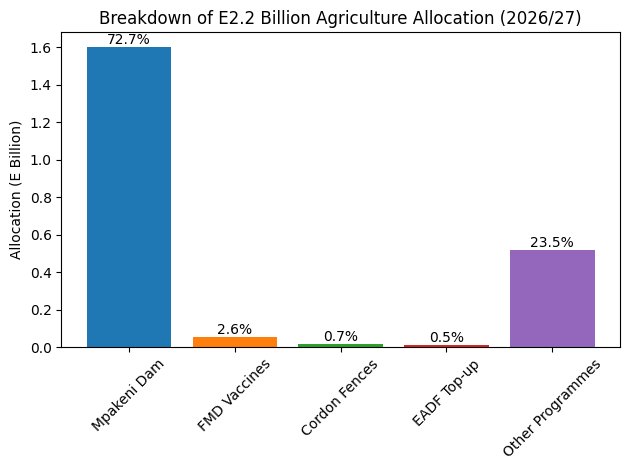
At face value, the 33 percent rise from last year’s E1.65 billion suggests agriculture is climbing higher on Government’s economic priority list. But a closer look reveals that nearly E1.6 billion — approximately 73 percent of the total allocation — is directed toward one project: the Mpakeni Dam under the Mkhondvo–Ngwavuma Water Augmentation Programme (MNWAP).
This tells us something important. Government’s strategy is not primarily about short-term subsidies or input support. It is a long-term structural bet on irrigation-led agricultural transformation.
For farmers, the implications are layered.
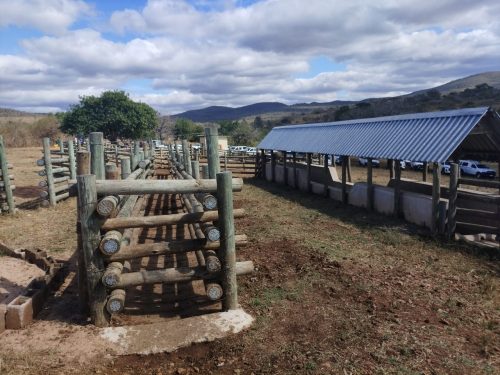
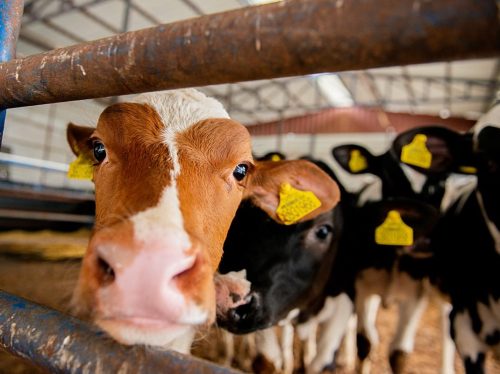
In the immediate term, livestock producers are likely to feel the most direct impact. Following the disruption caused by Foot and Mouth Disease (FMD), the allocation of E57 million for vaccines and E15 million for cordon fence rehabilitation reflects a serious attempt to restore biosecurity and market confidence. If implemented effectively, this could stabilise cattle markets and reopen regional trade pathways that are critical to rural incomes.
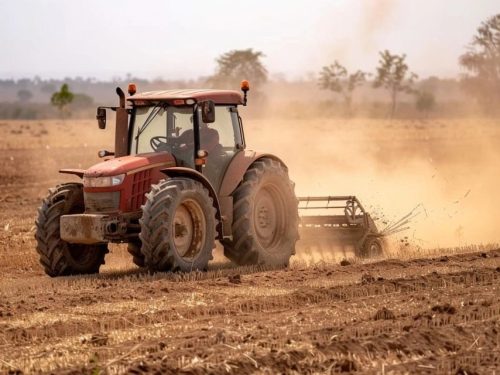
Maize farmers also stand to benefit from continued support under the Hamba Ubuye Revolving Fund. Input financing and improved procurement prices through the National Maize Corporation provide short-term income support and contribute to national food sovereignty. However, these interventions, while important, represent a fraction of the total agriculture vote.
The dominant story is irrigation.
By channeling E1.6 billion into Mpakeni Dam, Government is effectively prioritising water security as the foundation for agribusiness growth. In a country increasingly vulnerable to erratic rainfall and climate shocks, this is a rational economic decision. Irrigation reduces production risk, increases yield predictability and strengthens the bankability of farming enterprises. It also lays the groundwork for scaling horticulture, high-value crops and agro-processing industries.
The long-term payoff could be substantial. Expanded irrigation corridors can attract private investment in packhouses, cold chains, seed multiplication, fertiliser distribution, logistics and export markets. In that sense, this budget is less about immediate consumption and more about future productive capacity.
Yet there is a strategic tension. With such a large share of funds tied to infrastructure, the remaining allocation must stretch across veterinary services, extension, research, administration, mechanisation support and farmer finance. The risk is that infrastructure outpaces farmer readiness, market linkages and institutional capacity.
Smallholder transformation through SAPEMP and youth integration under the EYEOP programme offer promising complementary pillars. But their success will depend on execution discipline and coordination.
Agriculture’s share of the total national budget stands at just over 6 percent — still below the 10 percent benchmark envisioned under the Malabo Declaration. Even so, the 33 percent increase signals movement in the right direction.