

…Heavy rains, humid fields and rising pest pressure; how growers can still produce premium market heads
BY PHESHEYA KUNENE- EDITOR
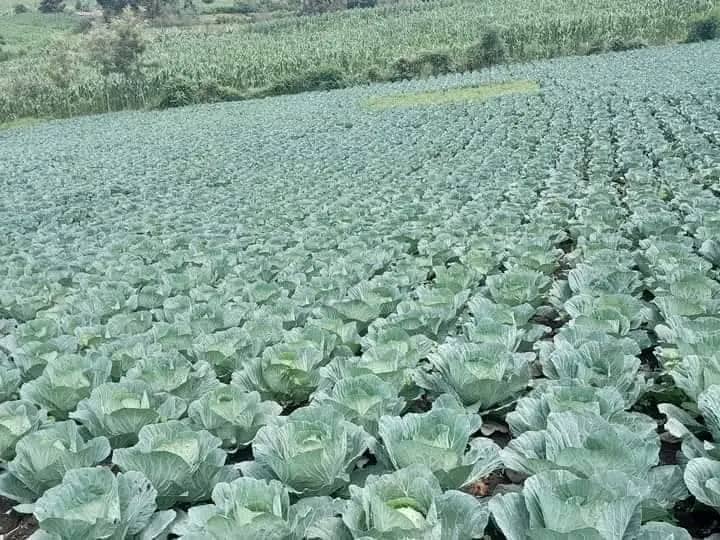
MANZINI - Cabbage has become one of Eswatini’s most reliable and commercially competitive vegetable crops, forming a backbone of rural livelihood systems and urban food supply chains.
From Siphofaneni and Lugongolweni to Sidvokodvo, Malkerns and parts of northern Hhohho, the crop drives a quiet but powerful economy: feeding local households, supplying municipal markets, stocking supermarkets, supporting school feeding contracts and anchoring informal vendors in towns and bus ranks. Demand remains consistent throughout the year, and prices often strengthen during periods of low supply, especially after climatic shocks.
However, the rainy season brings a complex mix of challenges. While moisture supports vegetative growth, excess rain, humidity and cloudy conditions create perfect conditions for fungal diseases, bacterial infections and explosive pest populations. Waterlogging, nutrient leaching and hail damage further stress the crop. This season, rainfall patterns have intensified across Eswatini, making cabbage production a high-stakes enterprise that requires sharper monitoring, disciplined spraying and integrated management.
This guide provides Eswatini-tailored, step-by-step instructions to help farmers protect their fields, safeguard yields and maintain marketable quality, even when the weather turns unpredictable.
WHY THE RAINY SEASON IS HIGH-RISK FOR CABBAGE
Cabbage responds quickly to good moisture, but excessive rain causes:
Faster spread of fungal diseases (Alternaria, Downy Mildew, leaf spots).
High pressure from diamondback moth (DBM), already notorious for pesticide resistance in Southern Africa.
Rapid multiplication of aphids, whiteflies and thrips.
Increased slug and snail damage.
Nutrient loss from leaching, especially nitrogen.
Waterlogging stress and stunted head formation.
Farmers who follow a strict scouting and spray program can still harvest firm, clean, market-preferred heads.
THE RAINY-SEASON SPRAY PROGRAM (LOCALIZED FOR ESWATINI)
8–12 week cabbage cycle, tighten intervals to 7 days under heavy rainfall.
WEEK 0 — TRANSPLANTING
Sprays:
Protectant fungicide (mancozeb or chlorothalonil).
Neem oil or insecticidal soap if aphids/thrips spotted.
Agronomy tips:
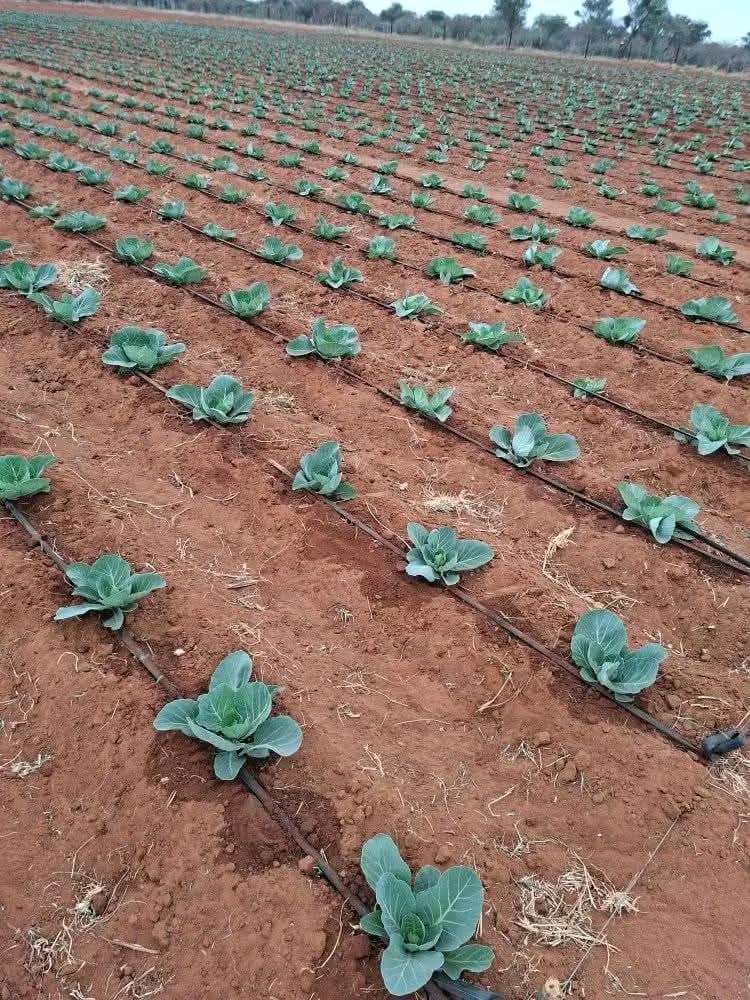
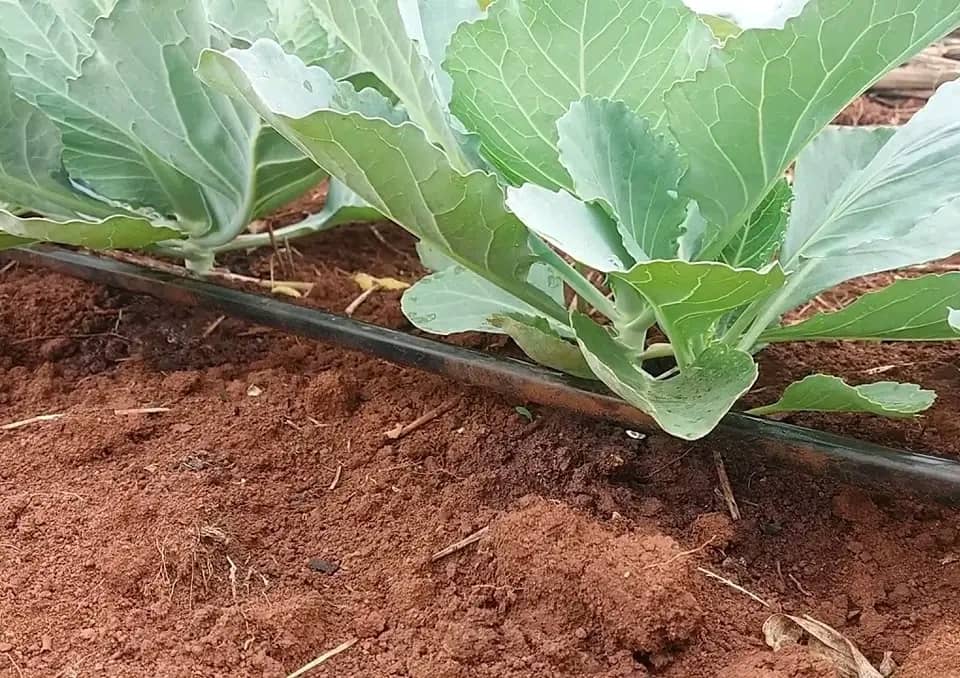
Use raised beds to prevent waterlogging.
Apply mulch to reduce soil splash.
Maintain correct spacing for airflow.
WEEK 1–2 — EARLY VIGOUR STAGE
Scout: underside of leaves for caterpillars and tiny white eggs.
If caterpillars found:
Use Bt (Bacillus thuringiensis) or spinosad.
These biopesticides are highly effective on DBM, gentle on predators and delay resistance.
Disease pressure high?
Repeat mancozeb within 7–10 days.
WEEK 3–4 — ACTIVE GROWTH STAGE
Rotate fungicides: mancozeb → chlorothalonil → azole/SDHI-type.
Treat aphids/whitefly using insecticidal soap / neem.
If severe → use a registered systemic but avoid pyrethroids (DBM in Eswatini already resistant).
WEEK 5–6 — WRAPPING & HEADING
Caterpillars:
Repeat Bt or spinosad if larvae reappear.
If damage continues → switch to another insecticide group (rotate MOA).
Bacterial problems (e.g., Black Rot):
Apply copper bactericide.
Remove infected plants immediately.
WEEK 7–HARVEST — MARKET QUALITY STAGE
Scout every 3–7 days.
Continue fungicides if rains persist (7–14 day intervals).
Spray only when necessary to protect final head quality.
Respect Pre-Harvest Intervals (PHI) — usually 7–14 days for synthetics; shorter for biopesticides.
QUICK REFERENCE TABLE — ESWATINI RAINY SEASON
Stage Action Reason
Transplant Protectant fungicide; neem Prevent early leaf disease & aphids
7–14 days Scout; Bt/spinosad; repeat fungicide Caterpillars peak early
14–28 days Fungicide rotation; soap/neem Prevent resistance & control sucking pests
28+ days Maintain schedule; protect forming heads Heavy rain = fungal outbreaks
PHI stage Stop synthetic sprays Comply with food safety norms
KEY PESTS IN ESWATINI: WHAT WORKS BEST
- Diamondback Moth (DBM)
Eswatini farmers widely report DBM outbreaks and resistance.
Best options:
Bt
Spinosad
Rotation with other selective insecticides
- Aphids, Whitefly, Thrips
Soap, neem, horticultural oil
Improve nitrogen management (overuse attracts aphids)
- Slugs & Snails
Copper bands, mulch management
Slug pellets following label instructions
COMMON CABBAGE DISEASES DURING RAINFALL
Alternaria & Leaf Spots
Mancozeb or chlorothalonil
Wider spacing for ventilation
Downy Mildew
Use metalaxyl-type fungicides
Improve drainage; avoid overhead irrigation
Black Rot (Bacterial)
Copper sprays
Remove infected leaves
Rotate brassicas (avoid planting cabbage after cabbage)
RESISTANCE MANAGEMENT (CRITICAL FOR ESWATINI FARMERS)
Never spray the same chemical repeatedly.
Rotate Mode of Action (MOA) groups weekly or by cycle.
Use biopesticides first.
Avoid unnecessary pyrethroids.
This is the only way to avoid DBM resistance destroying your crop.
SPRAYING BEST PRACTICES (FIELD EFFICIENCY)
Spray early morning or late afternoon.
Avoid spraying before rain (needs 4–6 hours drying).
Maintain uniform coverage — don’t overspray.
Use correct nozzles for cabbage foliage.
Clean sprayers daily to prevent nozzle blockage.
SAFETY GUIDELINES FOR FARMERS
Wear gloves, mask, gumboots, long-sleeved clothing.
Follow PHI and REI.
Store chemicals securely away from children.
Use only Eswatini-registered products.
Avoid spraying near flowering crops to protect bees.
NON-CHEMICAL IPM PRACTICES TO REDUCE SPRAYING
Soil & Water Management
Raised beds
Furrows for drainage
Regular weeding
Cultural Practices
Remove and burn diseased leaves
Rotate crops
Remove plant debris after harvest
Exclusion Tools
Early-season row covers
Netting to reduce moth egg-laying
Biological Control
Encourage ladybirds, lacewings, parasitoid wasps
Reduce broad-spectrum insecticides that kill beneficials
MONITORING & FARM RECORDS — THE SECRET TO BETTER YIELDS
Farmers should record:
Pest levels weekly
Weather conditions
Spray dates & products used
Plant growth progress
Yield outcomes
These records help determine what works — and help improve the next season.
FINAL WORD: FARMERS CAN STILL WIN IN THE RAINY SEASON
While this rainy season has intensified challenges across Eswatini, farmers who follow a disciplined scouting routine, implement a structured spray program, and adopt integrated pest management will protect their crop and still secure strong marketable heads. With cabbage prices often rising during periods of low supply, farmers who stay vigilant stand to benefit significantly.