
…A chance encounter with an avocado tree changed Fezile Hlophe-Vilakati’s life. Today, the former hairdresser earns more than E300 000 a season from commercial fruit farming and is proving that Eswatini’s next agricultural success story could be growing in its orchards.
BY: PHESHEYA KUNENE | EDITOR
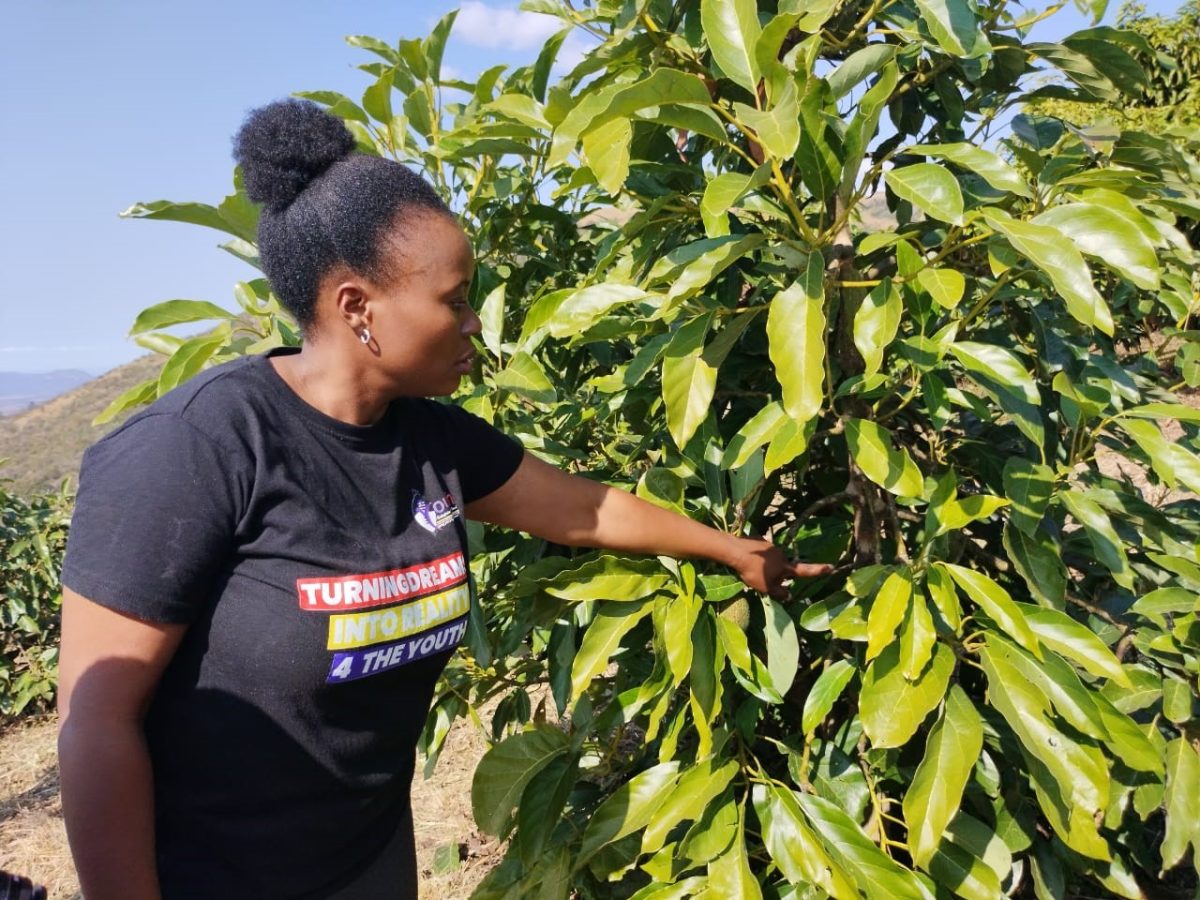
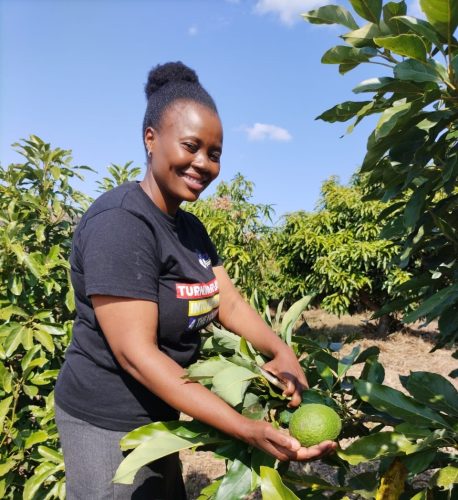
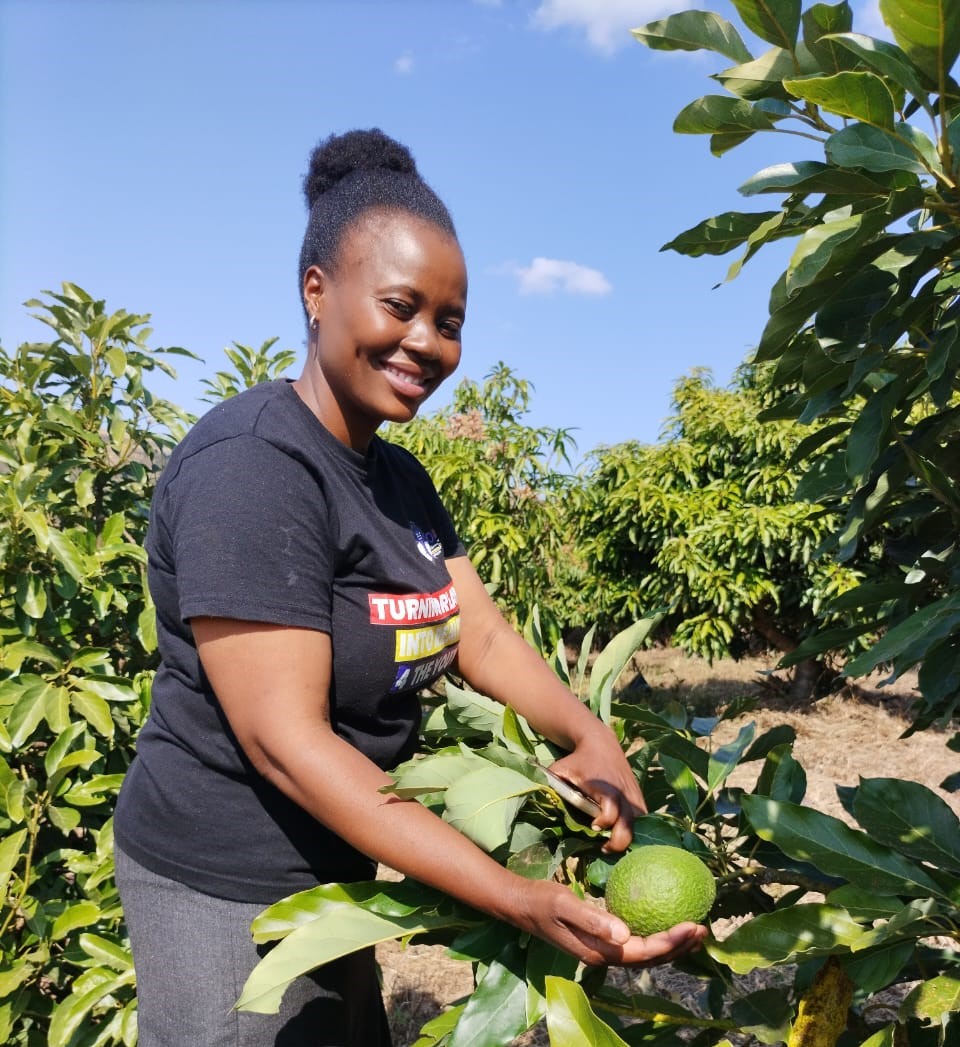
NTONDOZI,NDINDA — Eswatini’s next horticulture success story is taking shape in Ntondozi, where commercial avocado farmer Fezile Hlophe-Vilakati is turning fruit trees into a profitable agribusiness.
The avocado trees standing neatly across four hectares of land are more than a successful harvest. They are proof that one bold decision can change the course of a life.
Just a few years ago, 37-year-old Fezile Hlophe-Vilakati spent her days styling hair. Today, she walks through rows of avocado, banana and mango trees, managing a commercial fruit enterprise that generates more than E300 000 per season.
Her business, Life is Green Production, now boasts 450 avocado trees, over 1 000 banana plants and more than 75 mango trees. Yet none of it came easily.
The business began with an investment of about E48 000 in seedlings, irrigation equipment and orchard establishment. At the time, many viewed fruit trees as a slow investment that would take years to pay off. Hlophe-Vilakati saw something different, an opportunity to build wealth one tree at a time.
Ironically, the idea was born inside a salon.
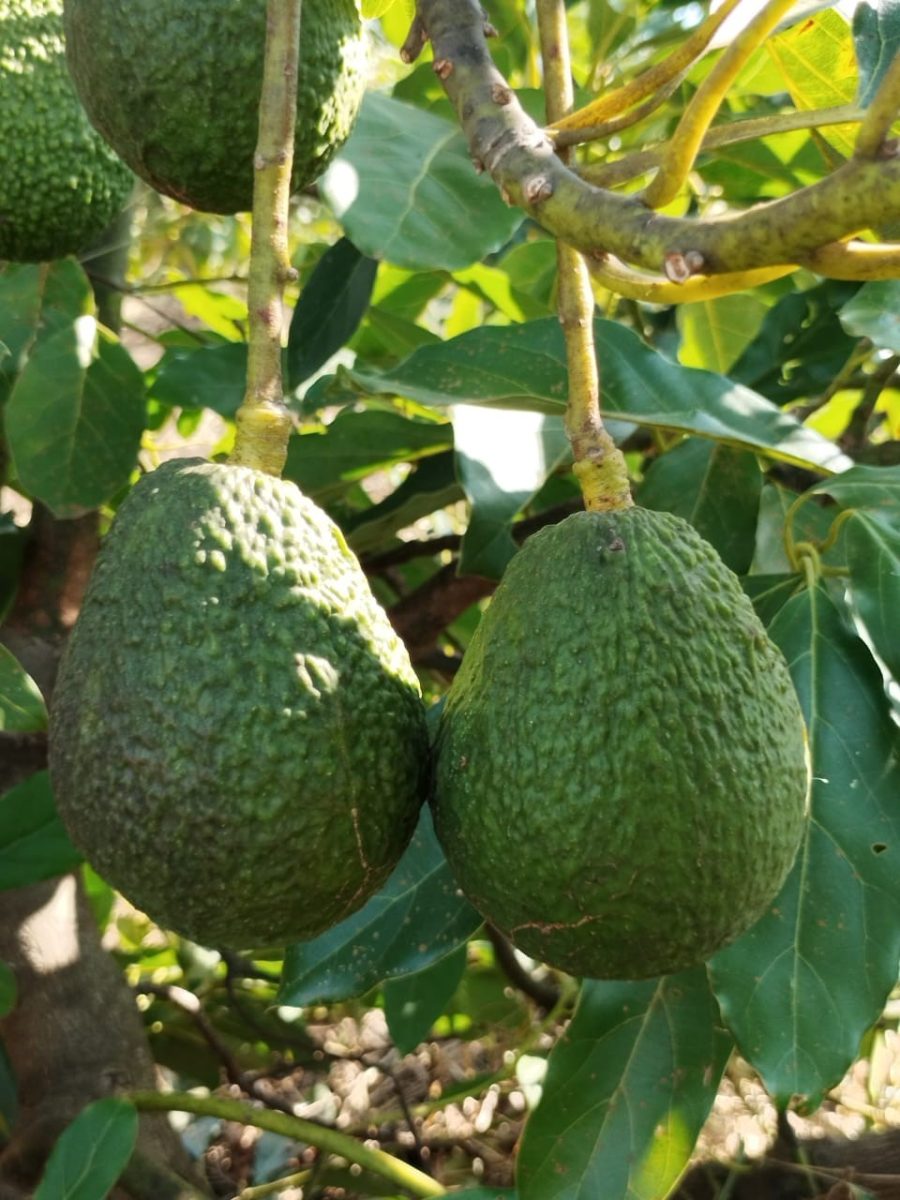
While working as a hairdresser, she noticed avocado trees loaded with fruit at a client’s home. Curious about their commercial value, she began asking questions, researching orchard farming and saving money from her salon income to buy her first seedlings. When her mother-in-law allocated her land, she took the leap into agriculture and never looked back.
“I realised these weren’t just trees,” she recalls. “They were a business waiting to grow.”
Support from the Youth Enterprise Revolving Fund (YERF) helped her expand the enterprise, but she says finance alone does not produce success.
“Farming teaches patience,” she says. “You invest today knowing the rewards may only come years later. You have to keep learning, improving and believing in the business.”
That philosophy is evident throughout the orchard.
Every tree is carefully pruned to improve sunlight penetration and air circulation. Irrigation schedules are closely monitored, fertiliser programmes are followed throughout the season, and pests and diseases are controlled before they become costly problems. Nothing is left to chance.
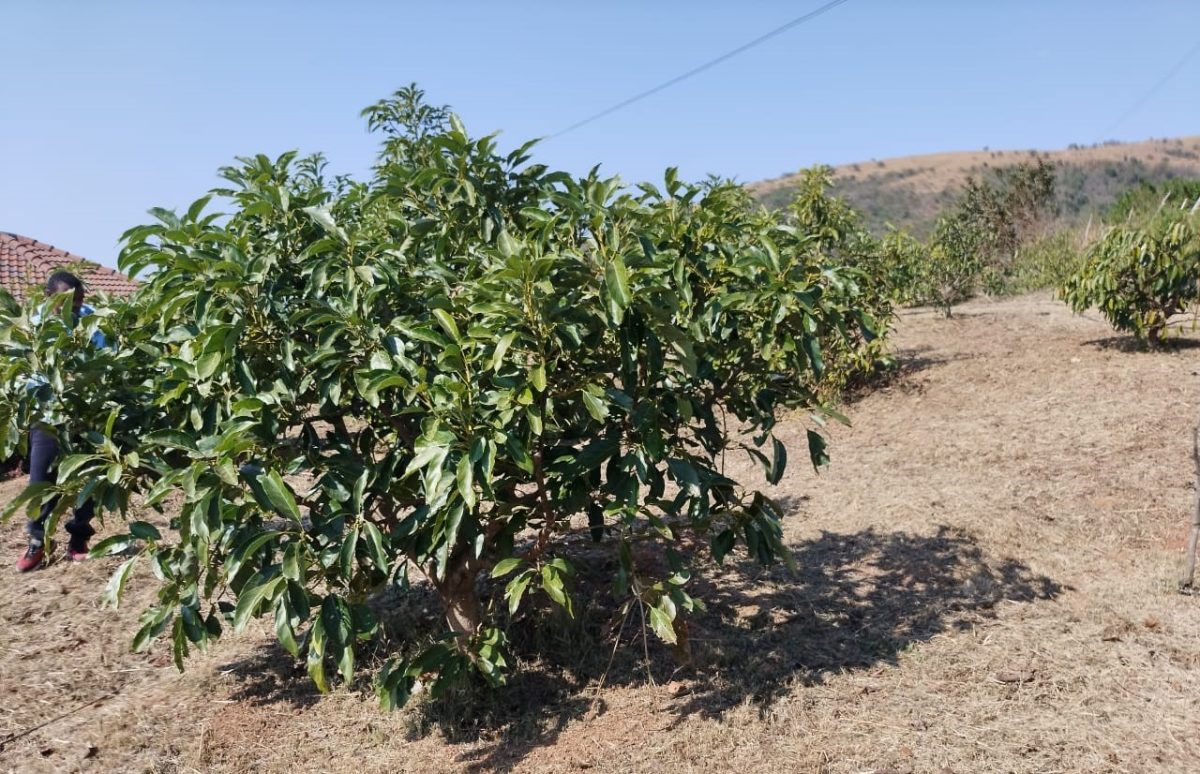
Under favourable conditions, a mature avocado tree can produce as many as 400 fruits in a season. With local prices ranging between E5 and E10 per fruit, every healthy tree represents a valuable business asset rather than simply another crop in the field.
But farming has also taught her that success can disappear overnight.
Earlier this season, violent winds and hailstorms tore through the orchard, destroying an estimated 75% of her crop and leaving losses of about E315 000. For many farmers, such a setback would have been enough to abandon expansion plans.
Not Hlophe-Vilakati.
Instead of retreating, she is planning bigger investments. Her next goals include acquiring more land, increasing avocado production, entering export markets and eventually processing avocados into high-value products such as avocado oil.
“The dream doesn’t end with selling fresh fruit,” she says. “I want to build a business that creates more value and more opportunities.”
Her ambitions mirror the growing potential of Eswatini’s horticulture sector.
Across the world, avocados have become one of the fastest-growing fresh produce commodities as consumers increasingly demand healthier foods. That global appetite is opening new opportunities for countries capable of producing quality fruit consistently.
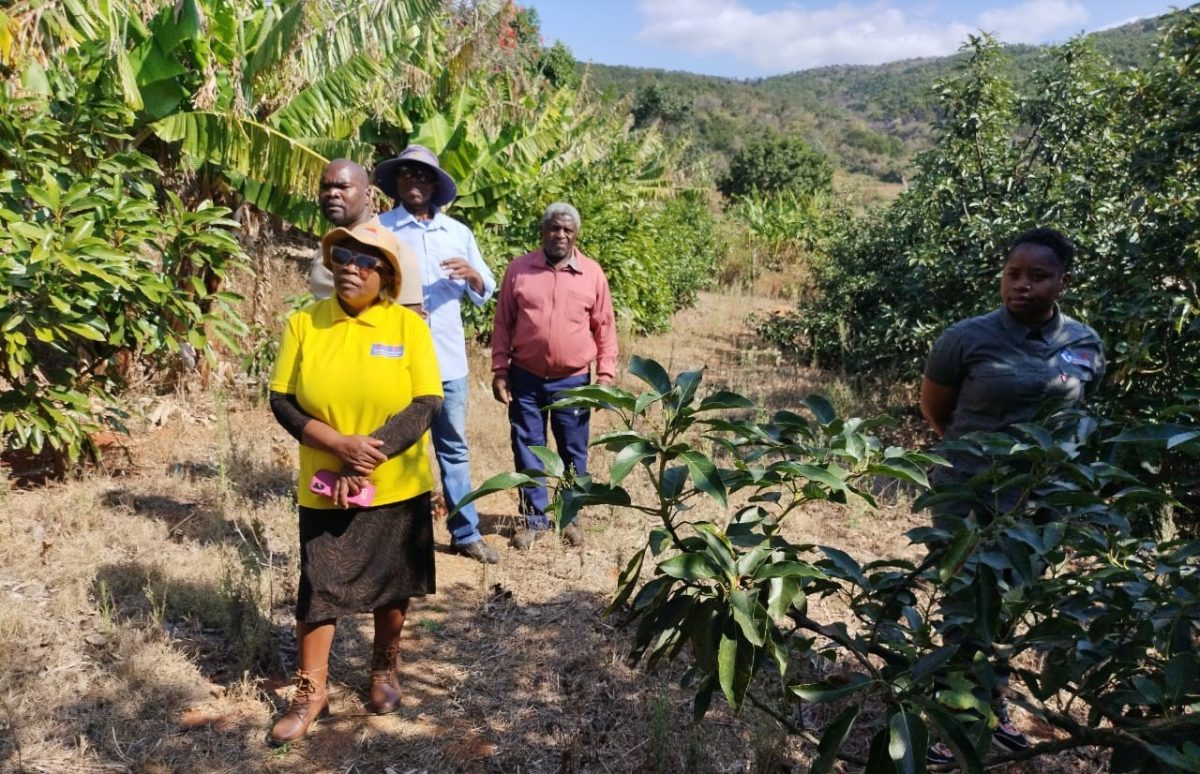
Eswatini is already part of that market. In 2023, the country exported approximately 503 000 kilograms of fresh avocados, valued at about US$481,150, with South Africa, the Netherlands and France among its principal export destinations. While modest by regional standards, those figures demonstrate that international markets are already accessible to local producers who meet quality requirements.
For agricultural economists, stories like Hlophe-Vilakati’s illustrate something bigger than individual success. They demonstrate how commercial horticulture can strengthen rural incomes, create employment, reduce dependence on imported produce and diversify Eswatini’s agricultural exports.
Yet she believes the greatest harvest is not measured in tonnes or earnings.
It is inspiring other young people, especially women, to see agriculture differently.
“I want young people to understand that farming is a business,” she says. “If you are willing to learn, stay disciplined and work hard, agriculture can change your life.”
As rows of avocado trees continue to mature in Ntondozi, they tell a story that reaches far beyond one farm. They speak of resilience after devastating losses, determination in the face of uncertainty and the growing confidence that Eswatini’s future in agriculture may not only lie in traditional crops, but also in high-value horticulture capable of competing on regional and international markets.
For Fezile Hlophe-Vilakati, every new season is another reminder that the smallest seedling, when backed by vision, patience and hard work, can grow into a thriving business.