
Eswatini Dairy Board CEO Dr Tony Dlamini
BY: SIBUSISO MNGADI | EDITOR-IN-CHIEF
Eswatini’s dairy sector sits at a glaring paradox. Despite strong domestic demand, local production satisfies barely 15% of national milk needs. The remaining 85% is imported, draining valuable foreign currency.
The conventional narrative blames technical shortcomings: poor fodder management or fragile cattle breeds. But this diagnosis misses the primary bottleneck: who owns and controls the value chain?
Rural smallholders on Swazi Nation Land (SNL) who sell raw or sour milk (emasi) through informal markets are not avoiding formal channels out of reluctance.
They are making a rational economic choice. Under the current market structure, formalizing means handing over raw milk to centralized private processors at dictated farm-gate prices, absorbing all the biological and climatic risk while capturing zero processing or retail surplus.
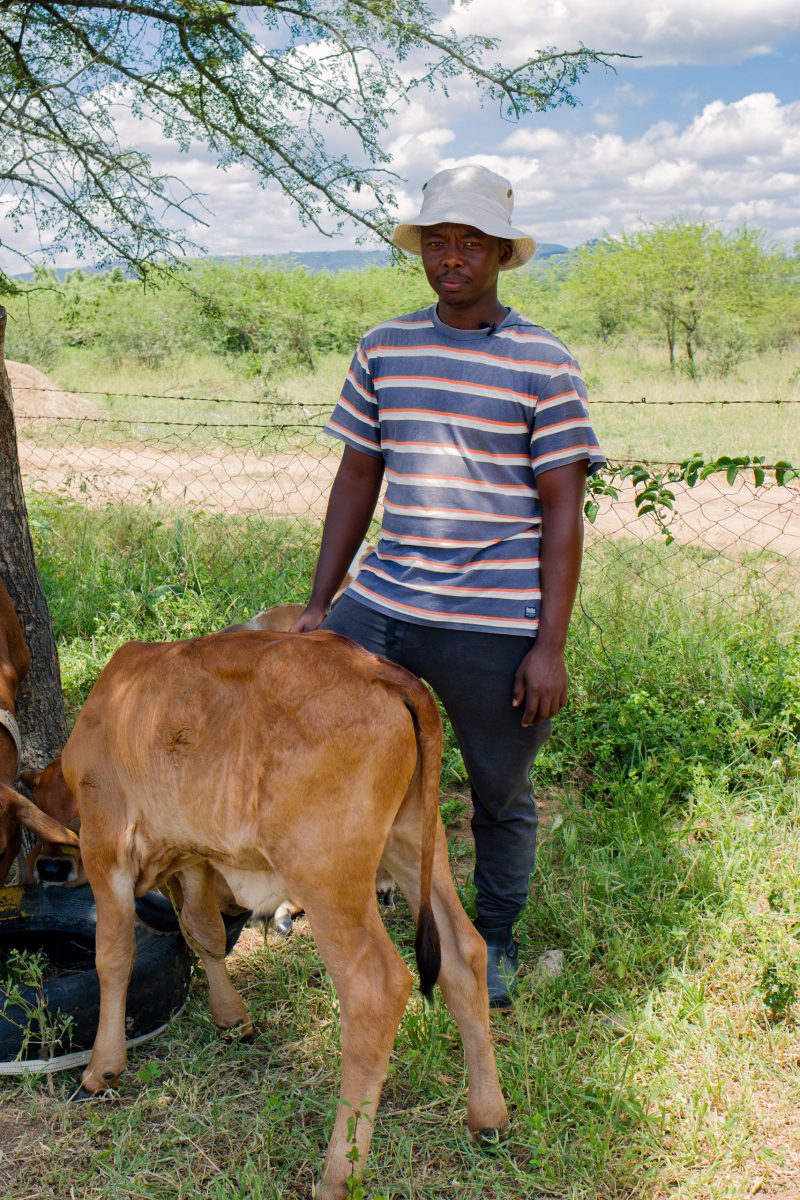
Melusi dairy farmer
The Fallacy of the Corporate Estate Model
For decades, policy interventions have tried to replicate South Africa’s capital-intensive dairy estate model. This fundamentally misinterprets Eswatini’s agrarian reality.
Our land tenure system means most rural producers operate on SNL, where individual land titles do not exist to secure commercial bank loans for mega-estates.
Top-down, estate-centric ventures, most visibly illustrated by institutional capital missteps like the Sidvokodvo dairy farm, attempted a corporate model that collapsed under heavy operational overheads and fragile exotic cattle.
Instead of forcing smallholders into becoming contract farmers for corporate estates, Eswatini should look to its own sugar industry.
The expansion of smallholder cane growers proved that SNL can be aggregated effectively through communal structures. However, dairy must go one step further: smallholders must co-own the processing plants.
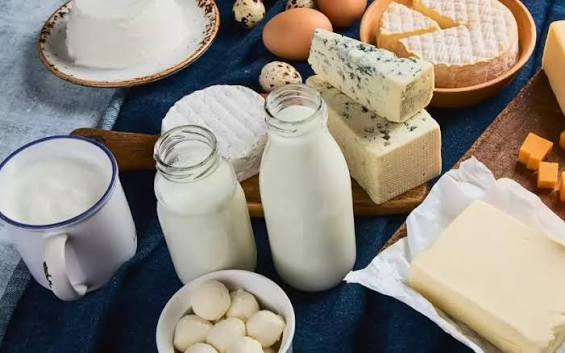
Dairy products
The AMUL Blueprint and Institutional Capital
The world’s most successful model for smallholder dairy integration is India’s AMUL cooperative model. Under this framework, village collection units handle daily milk aggregation, while primary producer societies jointly own regional processing plants and retail brands.
When smallholders hold direct equity in processing infrastructure, retail margins flow back to the rural economy as dividends, higher farm-gate prices and Research and Development funding.
Funding for these processing hubs should not depend on speculative foreign investment. Eswatini’s domestic institutional capital, such as the Public Service Pensions Fund (PSPF) and the Eswatini National Provident Fund (ENPF), should fund cooperatively-managed processing hubs, anchoring rural production with the incentive of owning part of the equity.
The Geopolitics of Aid: Beef vs. Sovereign Food Systems
This structural exclusion also carries a geopolitical dimension. As academic Mahmood Mamdani observed, foreign “development partners” routinely prioritize export commodities aligned with external trade interests over indigenous food sovereignty.
In Eswatini, millions in donor funding have historically poured into safeguarding the beef export quota to the European Union.
Consequently, veterinary policy prioritizes strict biosecurity to protect beef exports. When regional Foot and Mouth Disease (FMD) outbreaks occur, live cattle imports are frozen to shield beef exports, leaving milk producers stranded without replacement stock.
The Way Forward
Before discussing climate-adapted breeds like the Girolando or Sahiwal, we must fix the industry’s architectural flaw:
1. Mandate Cooperative Equity: Reorganize public dairy support around district producer cooperatives that hold equity in processing infrastructure.
2. Deploy Local Institutional Capital: Utilize pension and provident funds to finance shared cold-chain and processing assets owned by local producer unions and pension funds.
3. Align Veterinary Protocols: Bypass beef biosecurity conflicts by importing certified genetic material (semen/embryos) of hardy composite breeds to upgrade local herds on SNL safely.
4. Leverage Development Assistance: Development partners such as the Indian High Commission have consistently expressed their willingness to help develop Eswatini’s dairy sector, but they need concrete proposals and MoUs from the government.
Eswatini’s milk deficit is not an inevitability; it is the result of economic exclusion. Real empowerment will come when Swazi smallholders own part of the value chain from the grazing field to the retail shelf.