

Government, farmers and agribusinesses to converge in Siteki as Ministry pushes for higher production, stronger markets and greater adoption of modern farming technologies.
BY: PHESHEYA KUNENE I EDITOR
MANZINI — The Ministry of Agriculture will host Eswatini’s first National Farmers’ Day on 30 July 2026, bringing together farmers, agribusinesses, financiers, researchers and development partners to address production, markets and the future of the country’s agricultural sector.
The inaugural event, to be held at Siteki Bus Rank under the theme “Growing with Smallholder Farmers: Meeting Market Demand and Improving Livelihoods,” comes at a time when farmers are battling rising production costs, changing weather patterns, animal disease outbreaks and increasing competition in regional and international markets.
The Ministry believes the gathering will provide practical solutions by connecting farmers directly with buyers, banks, insurers, input suppliers, machinery companies, researchers and government institutions under one roof.
Speaking during a Ministry-led grain farmers’ tour in Mahlangatsha Rural Development Area, Acting Director Nikiwe Dlamini urged farmers, particularly those from Lubombo Region, to attend the inaugural event in large numbers.
She said the programme would provide farmers with an opportunity to exchange ideas, build business relationships, access information on modern farming technologies and engage directly with institutions that provide finance, markets and technical support.
Dlamini also encouraged farmers to compete for the various awards that will be presented during the event, including an E10 000 prize for the farmer judged to have produced the best crop using outstanding farming practices. Assessment teams are already visiting shortlisted farms ahead of the awards.
She further announced that National Farmers’ Day will become an annual event rotating between regions, with Manzini expected to host the 2027 edition.

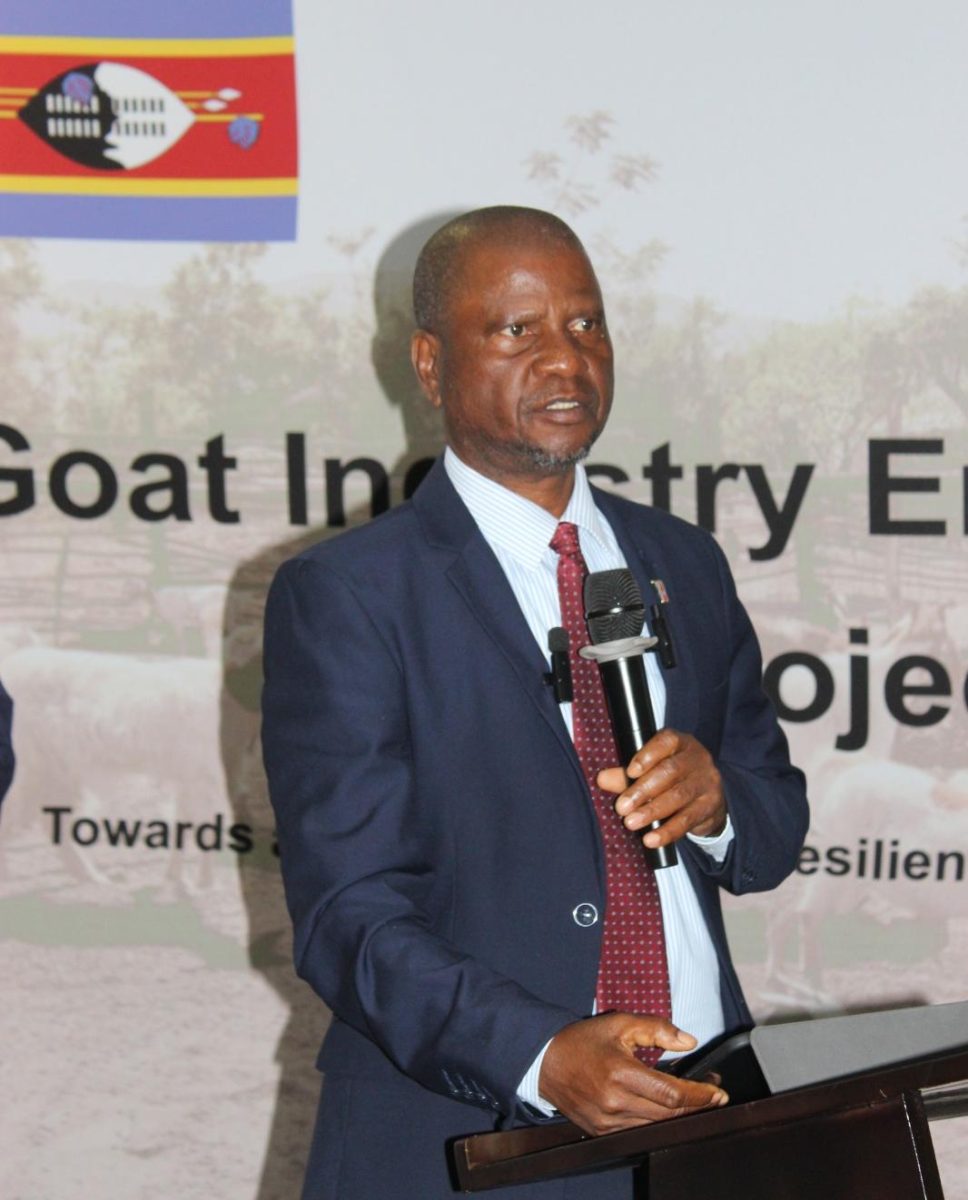
The inaugural National Farmers’ Day was officially announced by Minister of Agriculture Mandla Tshawuka, who called on farmers, agricultural organisations, financial institutions, private companies, researchers and development partners to participate fully.
According to the Minister, the event is intended to open discussions on increasing agricultural production, improving market access, expanding mechanisation, strengthening climate-smart farming and improving access to finance and agricultural technologies.
He said bringing the country’s agricultural players together would help identify practical solutions to challenges affecting farmers while creating stronger partnerships across the agricultural value chain.
The programme will feature exhibitions by seed and fertiliser suppliers, machinery dealers, banks, insurance companies, government agencies, universities, NGOs and technology providers. Demonstrations on climate-smart agriculture, mechanisation, drones, irrigation systems and digital farm management are also expected to form part of the programme.
For many farmers, access to reliable markets remains as important as production.
The event therefore seeks to strengthen links between producers, processors, retailers and buyers while exposing farmers to value addition opportunities that can increase farm incomes.
Agriculture remains one of Eswatini’s most important economic sectors, contributing significantly to employment, exports and rural livelihoods.
The sugar industry, the country’s largest agricultural export earner, continues to support thousands of jobs and generate billions of Emalangeni annually. However, growers continue to face pressure from fluctuating global sugar prices, increasing input costs, energy prices and changing trade conditions.
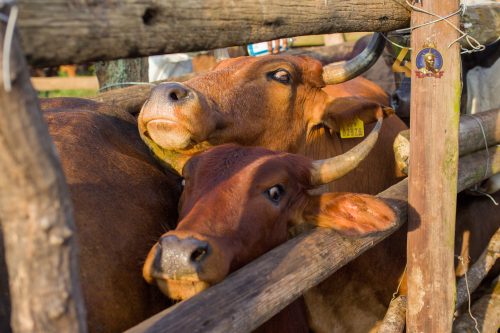
The beef industry is gradually recovering following the Foot and Mouth Disease outbreak that disrupted exports and affected market confidence over recent months. While the country’s successful vaccination campaign has restored optimism, producers continue to emphasise the importance of disease surveillance, biosecurity and maintaining international animal health standards to protect export markets.
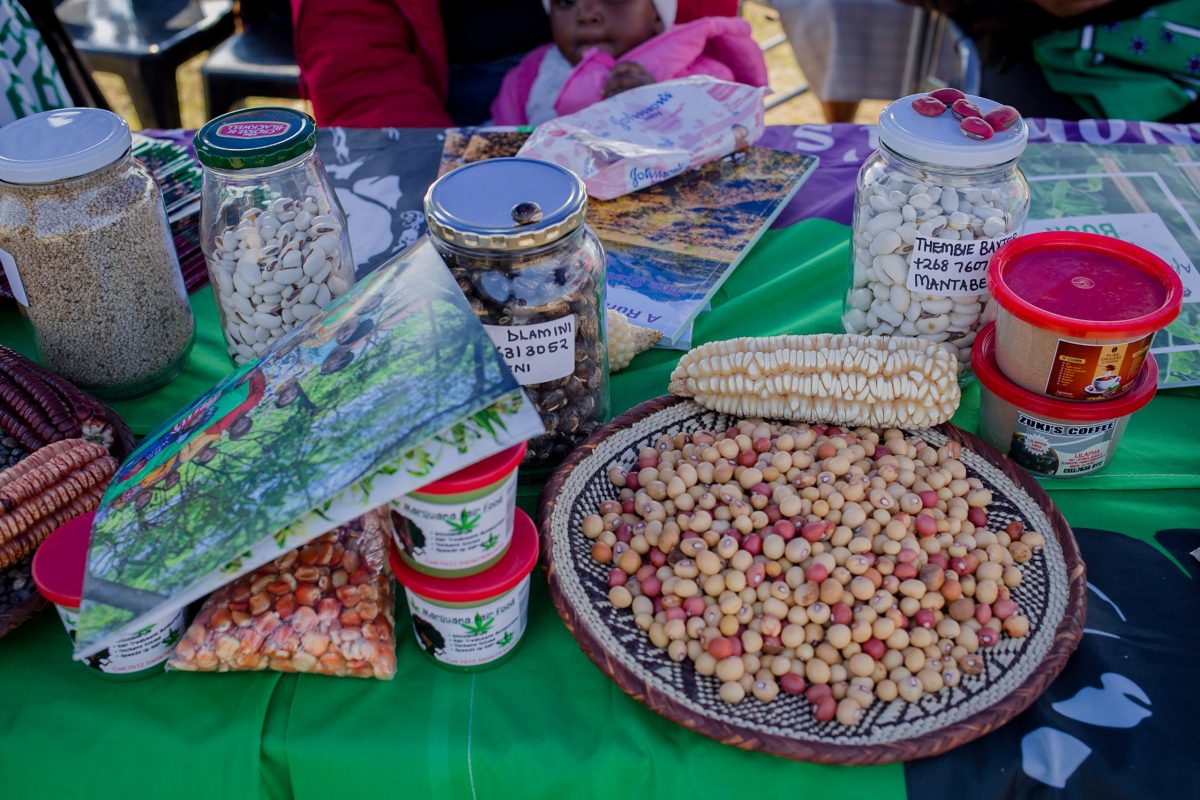
In the grain sector, farmers continue to contend with erratic rainfall, prolonged dry spells, severe storms, high fertiliser prices and increasing fuel costs, all of which have affected production costs and profitability.
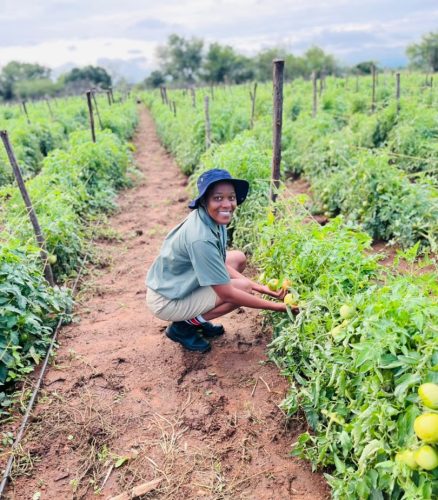
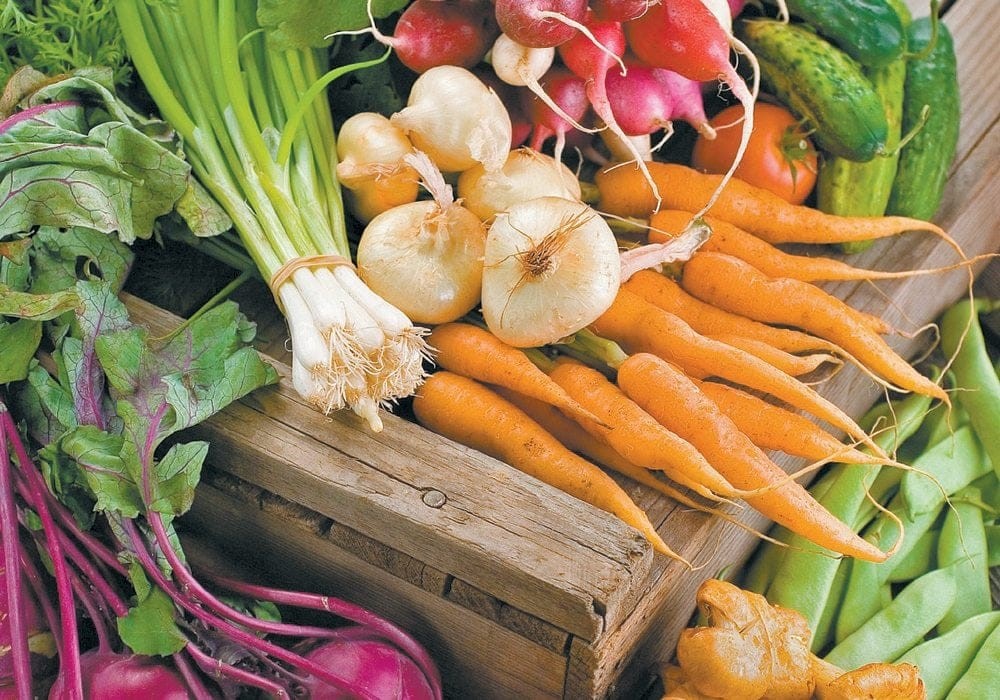
Vegetable producers are facing similar pressures.
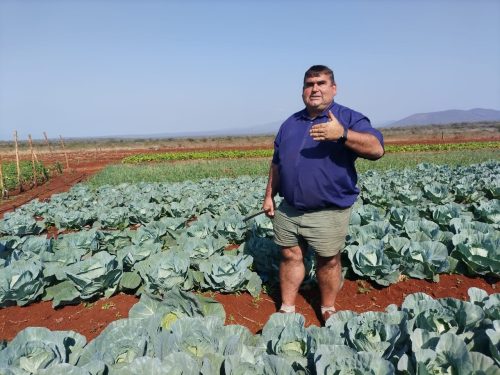
Increasing pest infestations, crop diseases, expensive agricultural inputs and competition from imported produce continue to squeeze margins, despite growing demand for locally produced vegetables.
Beyond Eswatini’s borders, global agriculture continues to feel the effects of climate change, supply chain disruptions and geopolitical conflicts that have pushed up the cost of fertilisers, grain, fuel and agricultural chemicals. International organisations, including the Food and Agriculture Organization and the World Bank, have repeatedly warned that these factors continue to threaten food production and food security, particularly in developing countries.
Agricultural economists argue that improving productivity, adopting climate-smart farming methods, embracing mechanisation and strengthening farmer organisations will be critical if countries such as Eswatini are to remain competitive.
The Ministry hopes National Farmers’ Day will contribute towards those objectives by encouraging knowledge sharing, promoting innovation and strengthening collaboration across the sector.
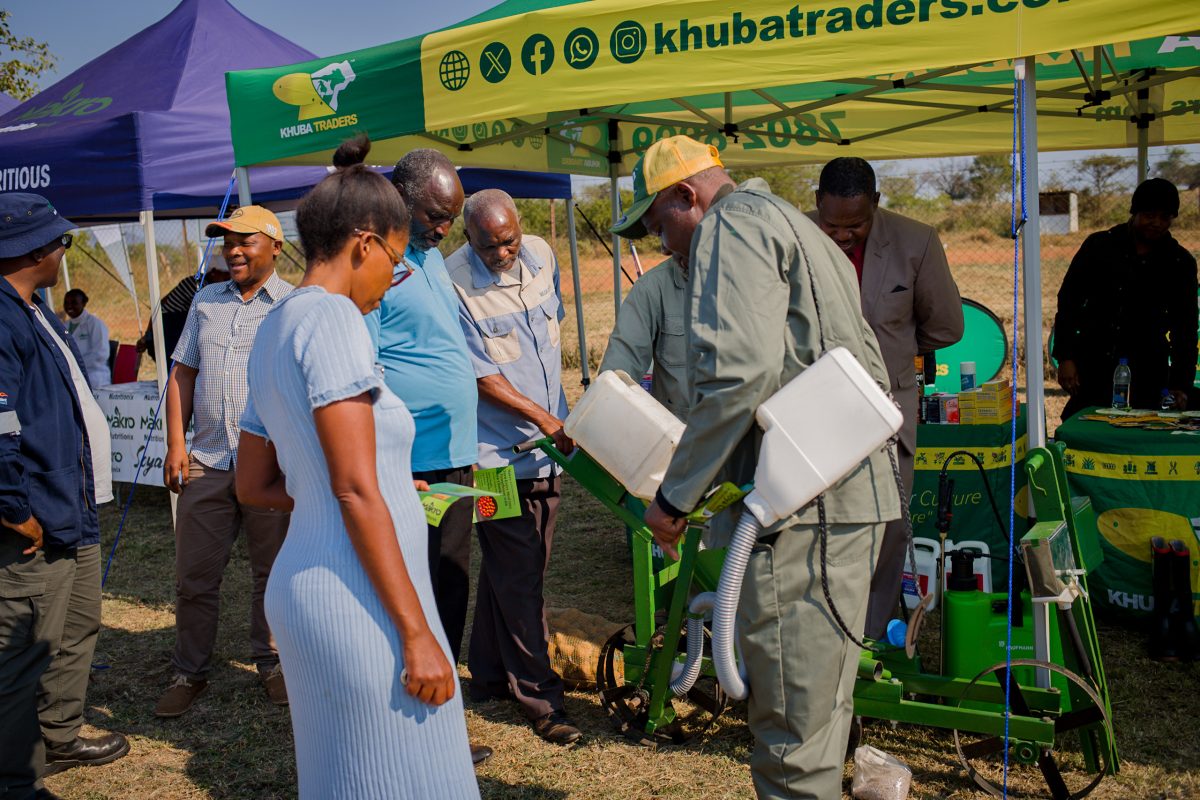
Speaking on behalf of organised farmers, Eswatini National Agricultural Union (ESNAU) Chief Executive Officer Tammy Dlamini encouraged farmers to attend the inaugural event in large numbers.
He said the gathering provides an opportunity for farmers to showcase their work, engage directly with policymakers and service providers, exchange experiences with fellow producers and identify new business opportunities.
He also encouraged farmers to participate in the competitions and exhibitions, saying recognition of excellence motivates producers to adopt better farming practices and improve productivity.
Beyond the exhibitions and awards, the Ministry expects the discussions held during the event to help shape future interventions aimed at improving production, strengthening market access and building a more resilient agricultural sector.
If successful, the inaugural National Farmers’ Day could become an important annual meeting point where farmers, government, researchers, financiers and agribusinesses review progress, share practical solutions and identify opportunities to grow one of Eswatini’s most important economic sectors.