
BY: PHESHEYA KUNENE | EDITOR
LUYENGO — The University of Eswatini’s Luyengo Campus is using new laboratories, greenhouse technology and field research to support the country’s emerging coffee industry, as Eswatini Coffee urges more farmers to enter a market where demand is rising but supply remains limited.
The work, led by the Horticulture Department through the ARISE Project, is giving fresh energy to the university by turning research into practical farming solutions for students, farmers and agribusinesses.
Backed by the European Union, African Union, African Academy of Sciences, PELUM and industry partner Eswatini Coffee, the project links biotechnology, agroecology and commercial farming. It focuses on coffee, sweet potatoes and other crops that can strengthen food security, improve farmer productivity and open new value chains.
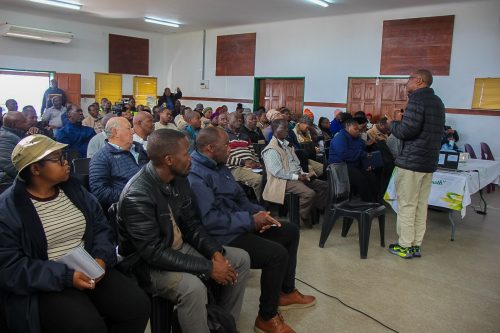
During a field visit by Agribusiness Media for its ASILIMENI MASWATI programme, researchers demonstrated how coffee moves from laboratory propagation to greenhouse conditioning, field planting and processing.
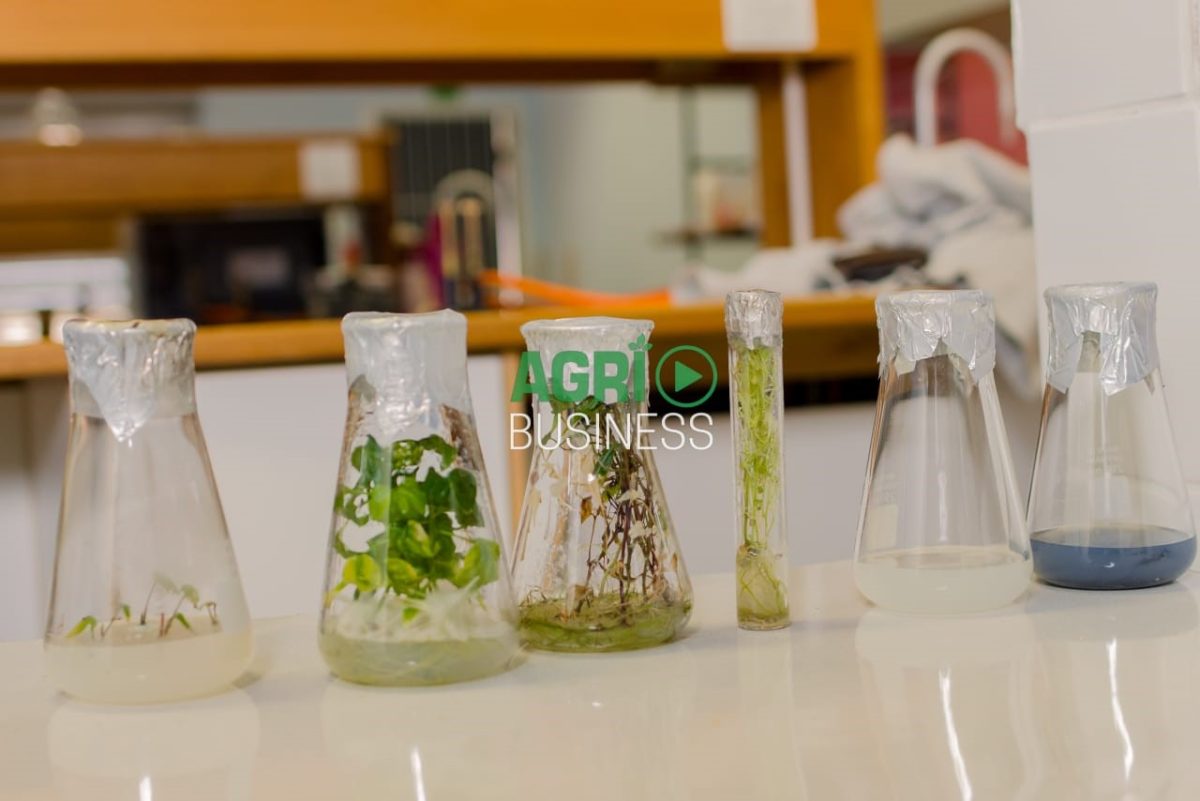
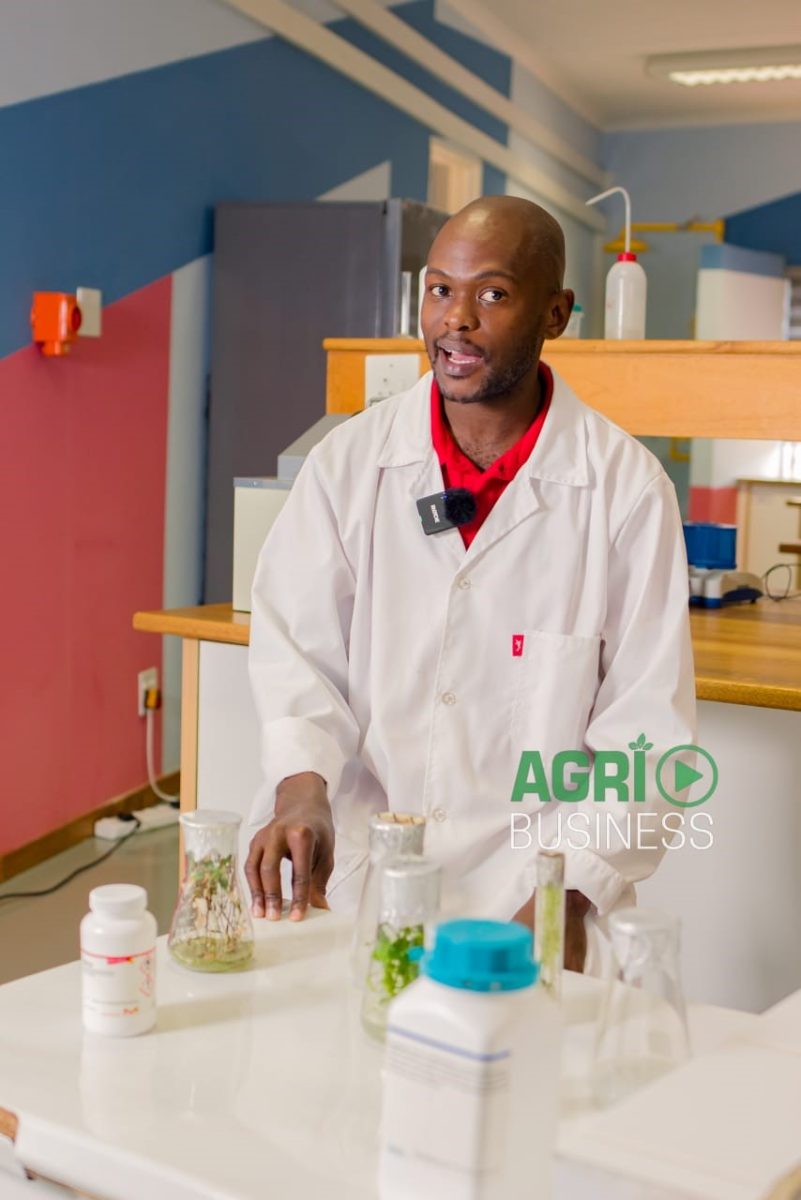
Mfihlakalo Zukiswa Zikalala, Horticulture Laboratory Technologist and ARISE Research Assistant, said the process begins with plant tissue culture, where plant parts are regenerated into complete plants.
“The novelty of plant tissue culture is hinged on the totipotency of cells, which means any plant part can be taken and regenerated back into a whole plant,” said Zikalala.
“At Luyengo, we use explants from crops such as sweet potatoes, Irish potatoes and bell peppers and regenerate them into new plantlets. This improves efficiency, productivity and yield.”
The laboratory helps produce clean, uniform and disease-free planting material, giving farmers better seedlings and reducing crop losses.
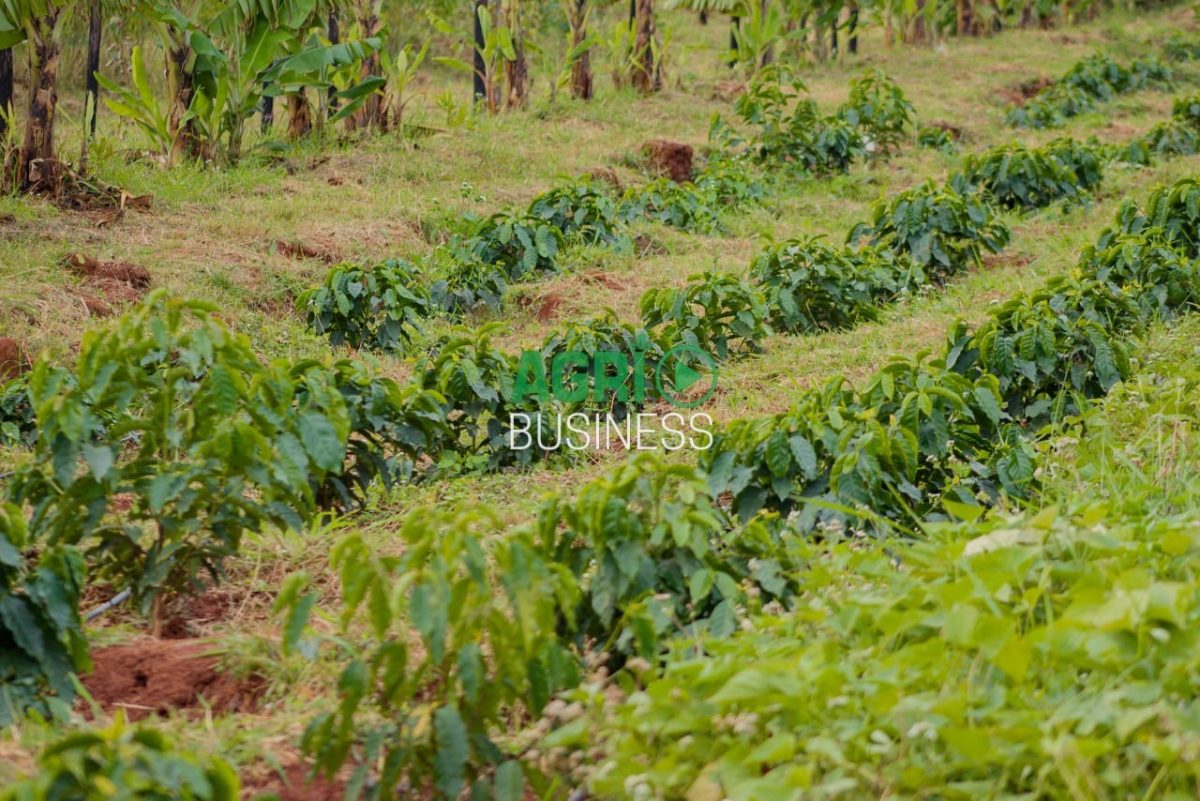
Dr. Celimphilo Shakes Mavuso, Lecturer in Horticulture and Principal Investigator of the ARISE Project, said Luyengo is studying coffee under shade and open-field conditions to determine the best production systems for local farmers.
“Our research covers propagation, micro-propagation, nursery establishment, harvesting, drying and roasting. We are looking at the entire coffee value chain,” he said.
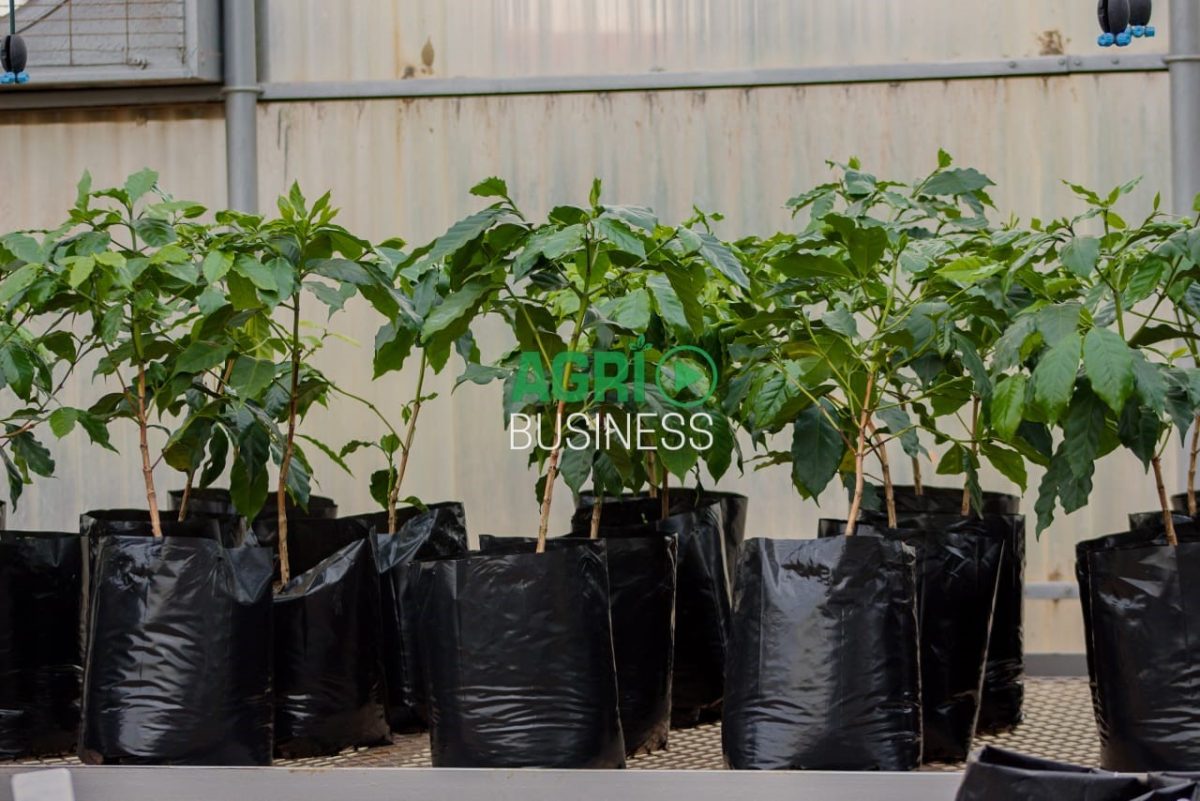
The department is also using state-of-the-art equipment, including controlled growth chambers and an automated growth tent valued at about E50,000, to improve plant development before seedlings are taken to the field.
Master’s student Benanile Thandiswa Maphanga said her research focuses on coffee mother plants and plant conditioning under controlled light and temperature.
“My research focuses on coffee mother plants and the conditioning of coffee plants. We use tissue culture techniques and controlled environments to improve plant development before field establishment,” she said.
She said sanitation remains critical because contamination can destroy plant material in the laboratory.
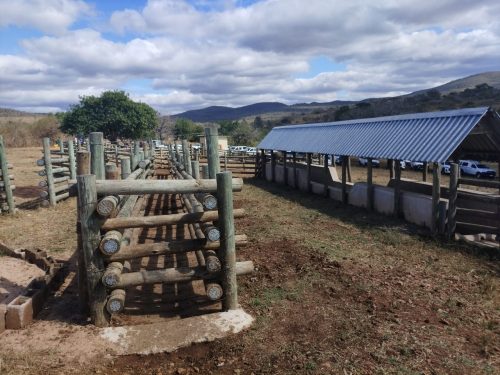
The partnership with Eswatini Coffee has established a coffee demonstration site and depot at Luyengo, turning the campus into a living classroom for students, researchers and farmers.
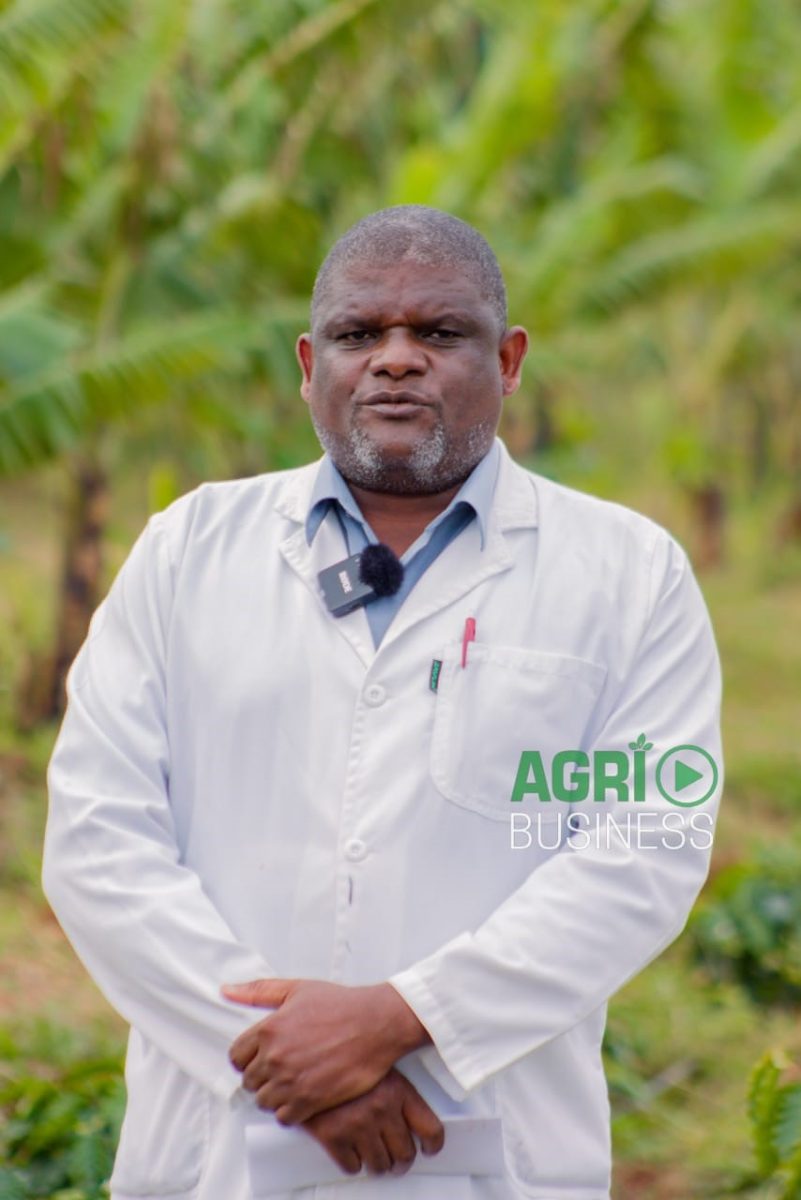
Patrick D. Dupont, Director of Eswatini Coffee, said the collaboration brings industry experience into the university while allowing science to guide the growth of the sector.
“This initiative takes agroecology out of the classroom and into a live learning environment,” said Dupont.
“The university brings scientific expertise while we bring industry experience.”
Dupont said the market for locally grown Arabica coffee already exists, but production is still too low. A buyer in Mozambique has submitted a Letter of Intent for 20 tonnes of Green Arabica Coffee beans after tasting local samples.
“The challenge is that demand is growing faster than production. We need more farmers, more coffee trees and greater volumes of high-quality coffee,” he said.
Coffee is planted from nursery-raised seedlings and, with proper management, starts producing meaningful harvests after about three years. The cherries are harvested, pulped, dried, roasted and processed for local and export markets.
Dupont said the value chain is wide, covering seedlings, nurseries, outgrower production, harvesting, pulping, drying, roasting, packaging, branding and export trade. He urged farmers to see coffee not only as a crop, but as a business with multiple income opportunities.
Researchers say Arabica coffee can perform well in cooler areas, especially under shade-based agroforestry systems that protect soil, retain moisture and reduce heat stress.
Beyond coffee, the ARISE Project is also working on sweet potatoes and other crops as part of a wider climate-smart agriculture agenda.
For UNESWA, the project is becoming a symbol of revival. It is placing the Luyengo Campus back at the centre of practical agricultural research, while giving students hands-on skills and farmers access to science-backed solutions.
From expensive laboratory equipment to coffee fields and farmer training, the Horticulture Department is showing that a university can do more than teach agriculture — it can help build the industries that will feed and employ the future.