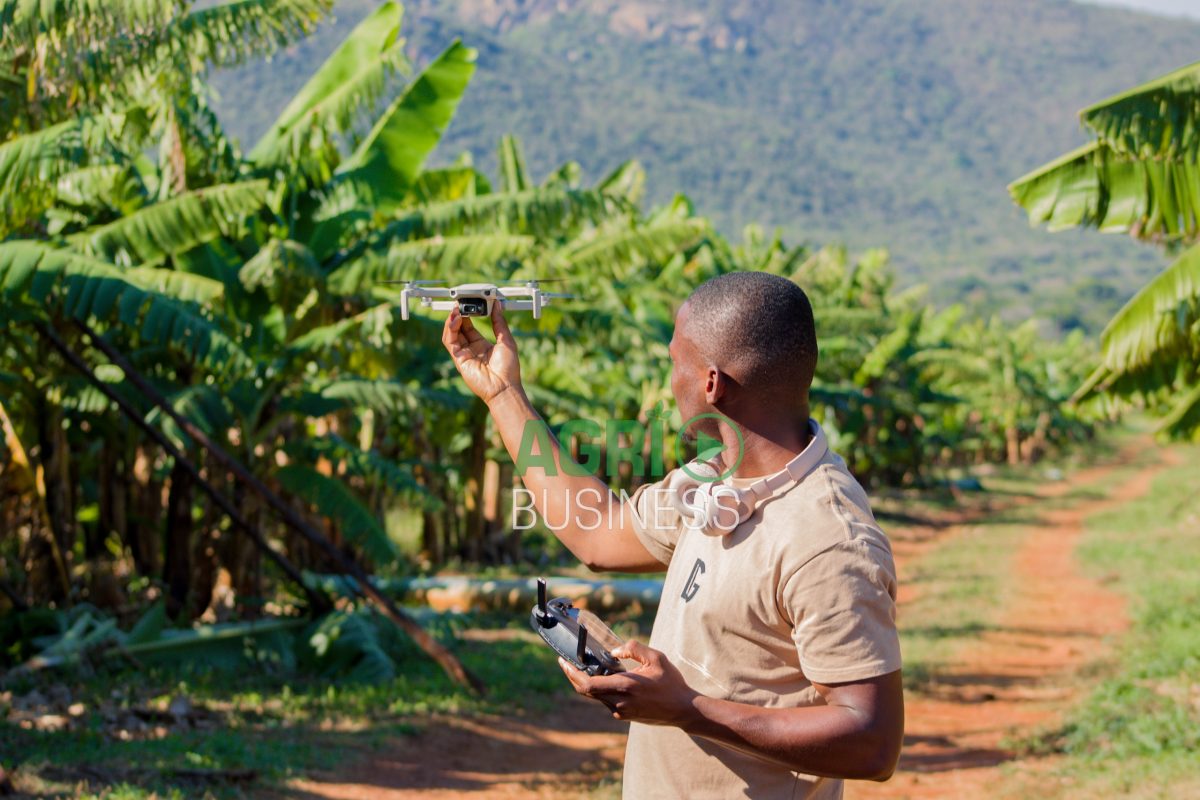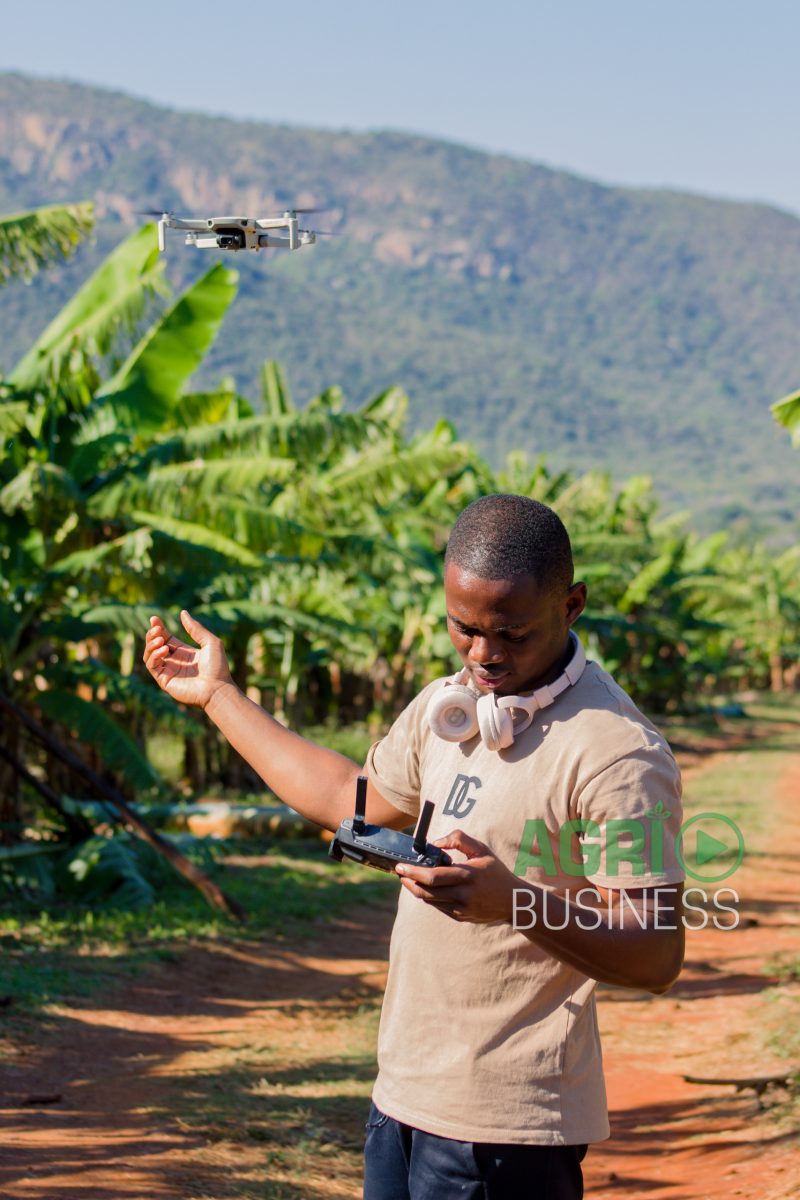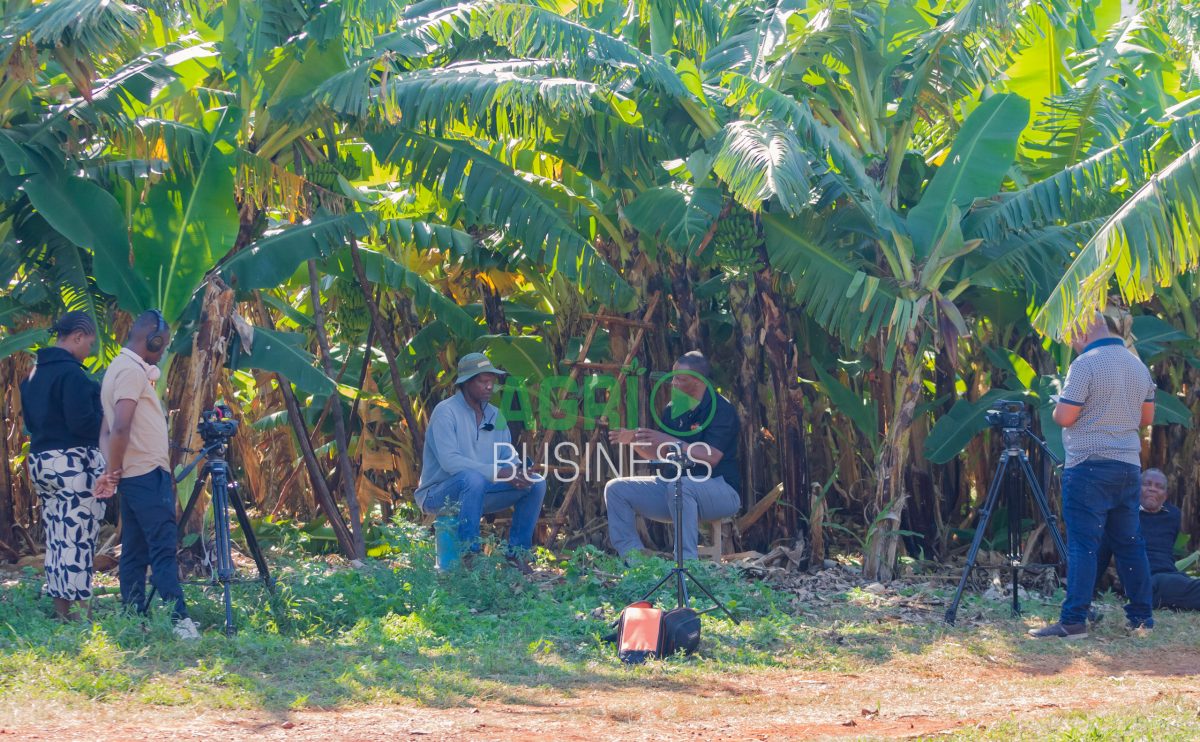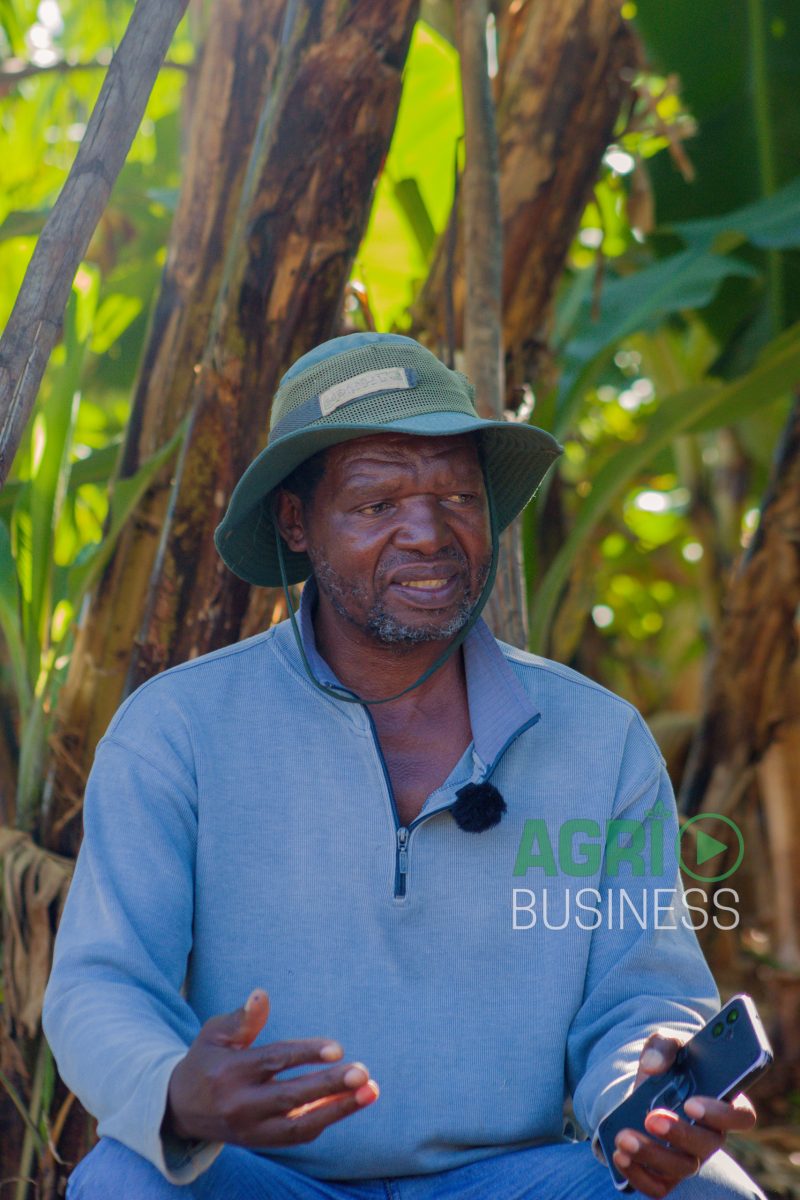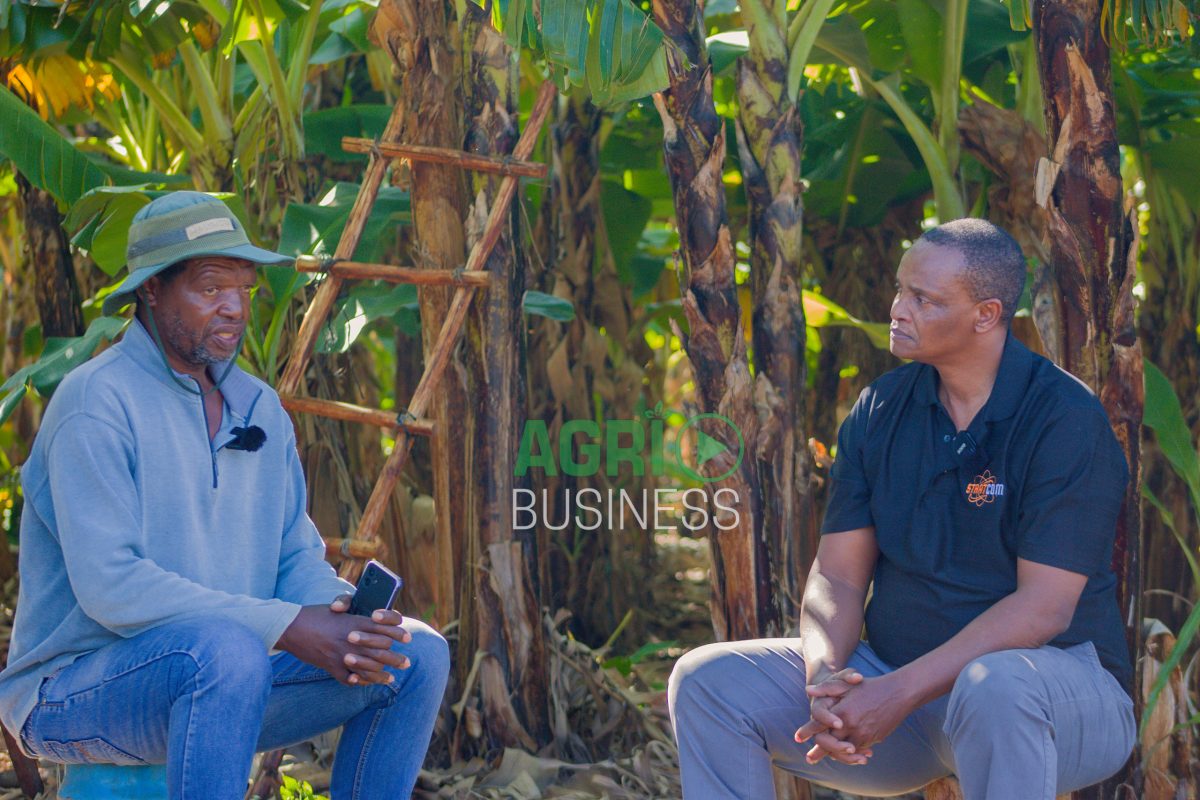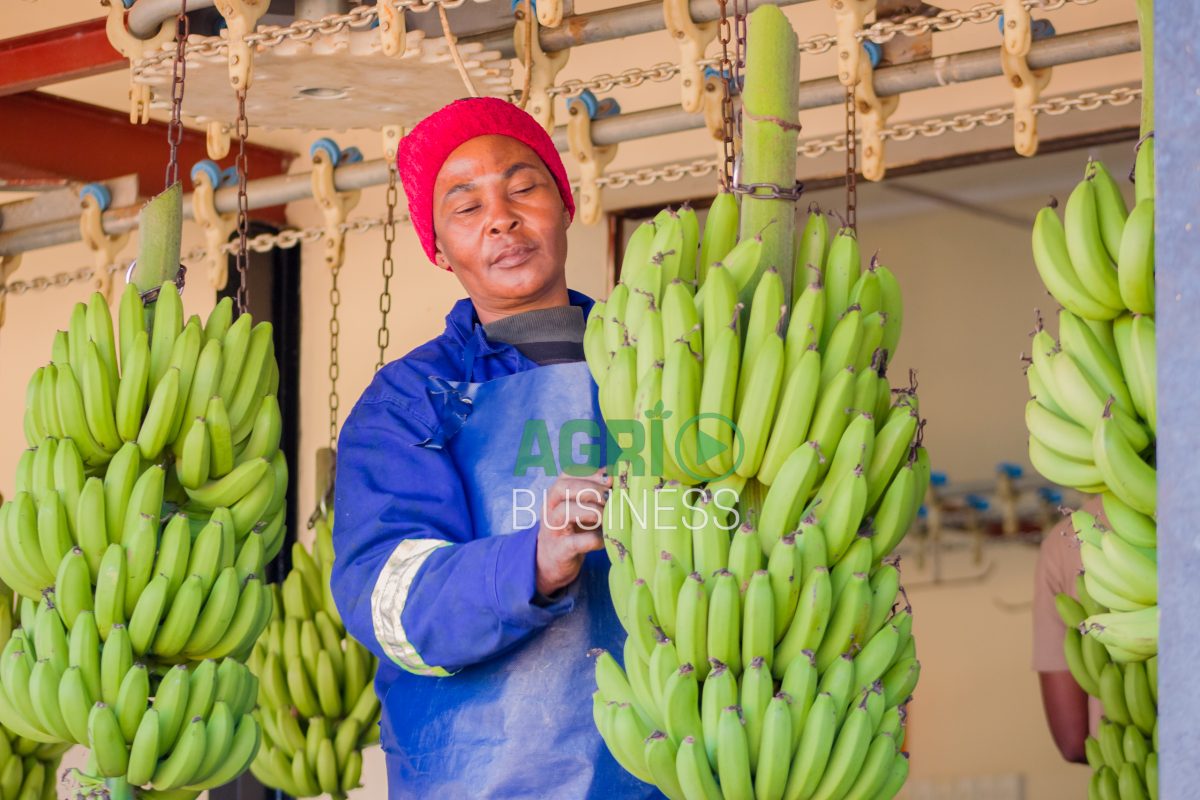

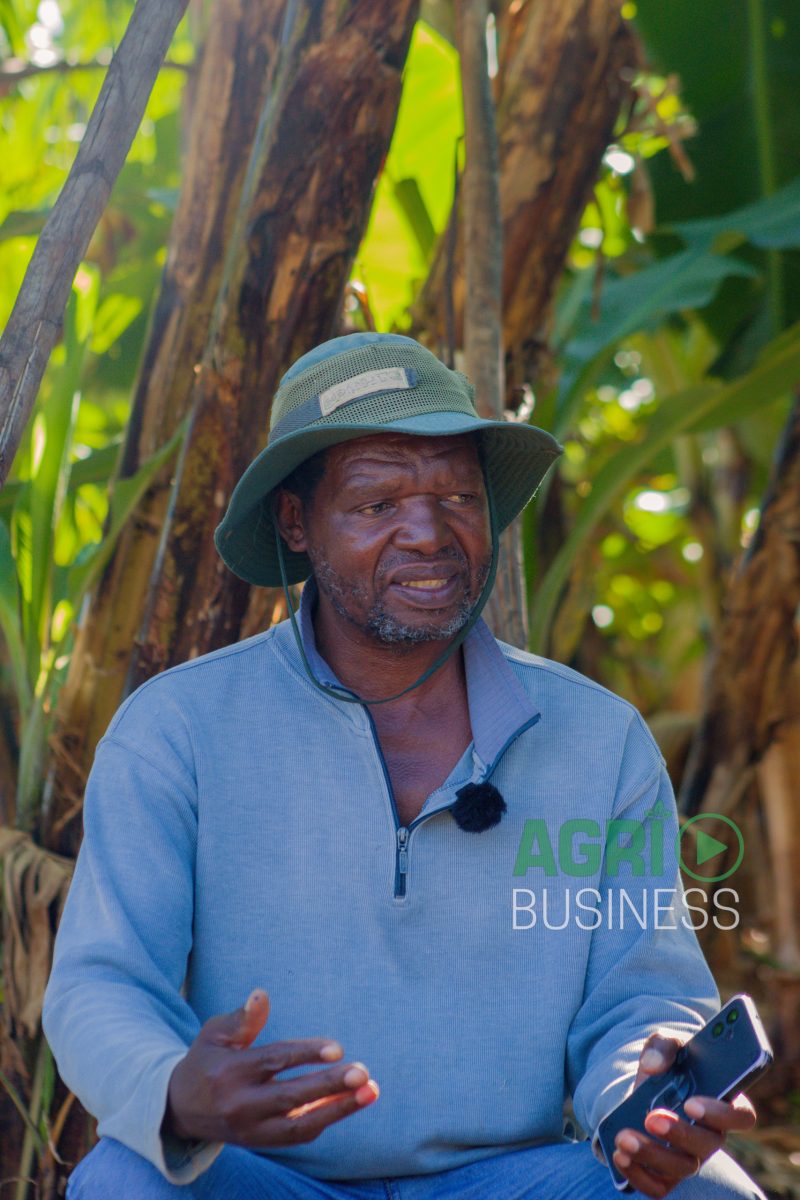
Lomveshe Enterprise Chaiperson Ernest Gamedze during an interview with Agribusiness Media team.
BY SIBUSISIWE NDZIMANDZE | JOURNALIST
GUNDVWINI — It started with a government grant, grew with E1.6 million worth of banana seedlings from Taiwan, and was stabilised by a E3.9 million loan from a national development finance institution. Today, Lomveshe Enterprise stands as one of Eswatini’s most compelling examples of what community agriculture can become when the right institutions show up at the right time.
The enterprise, located in Gundvwini in the Manzini Region, was established in March 2017 with startup support from Eswatini Water and Agricultural Development Enterprise (EWADE) and the Ministry of Agriculture. From the beginning, the founding members drawn from the surrounding community had ambitions that went beyond subsistence. They wanted a commercial farming operation.
What they needed was capital.
Seedlings from Taiwan, Land from the Community
The first major external intervention came from the Taiwan International Cooperation and Development Fund (ICDF), which provided E1.6 million worth of banana seedlings a contribution that gave Lomveshe its identity as a banana enterprise. Soil tests had already confirmed that Gundvwini’s pH levels were well-suited to banana cultivation, and with quality planting material in the ground, the operation began to take shape.
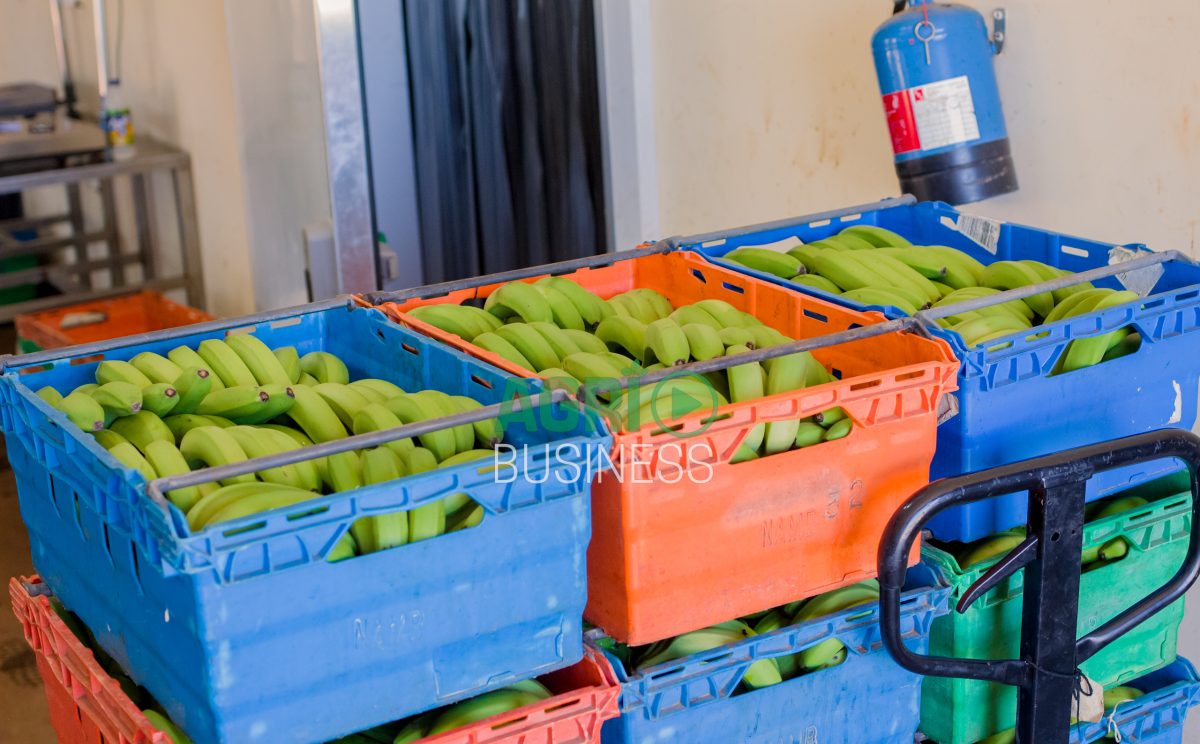
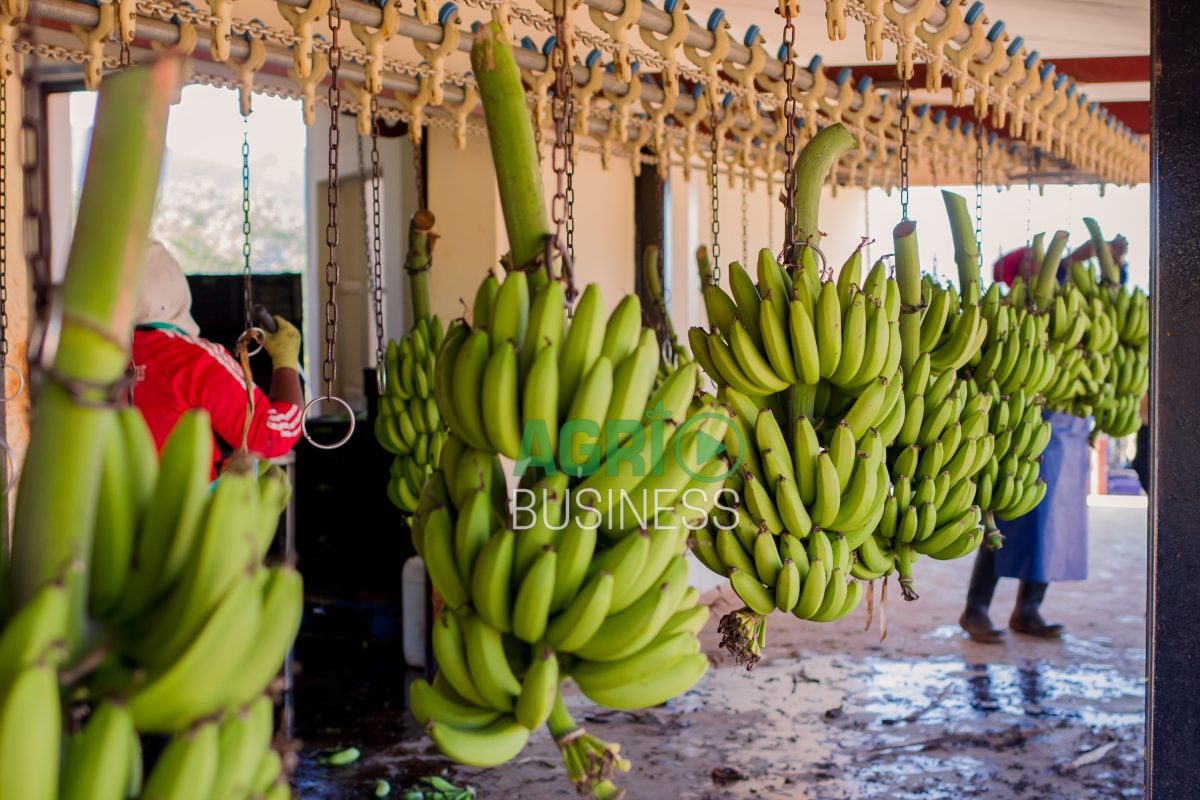
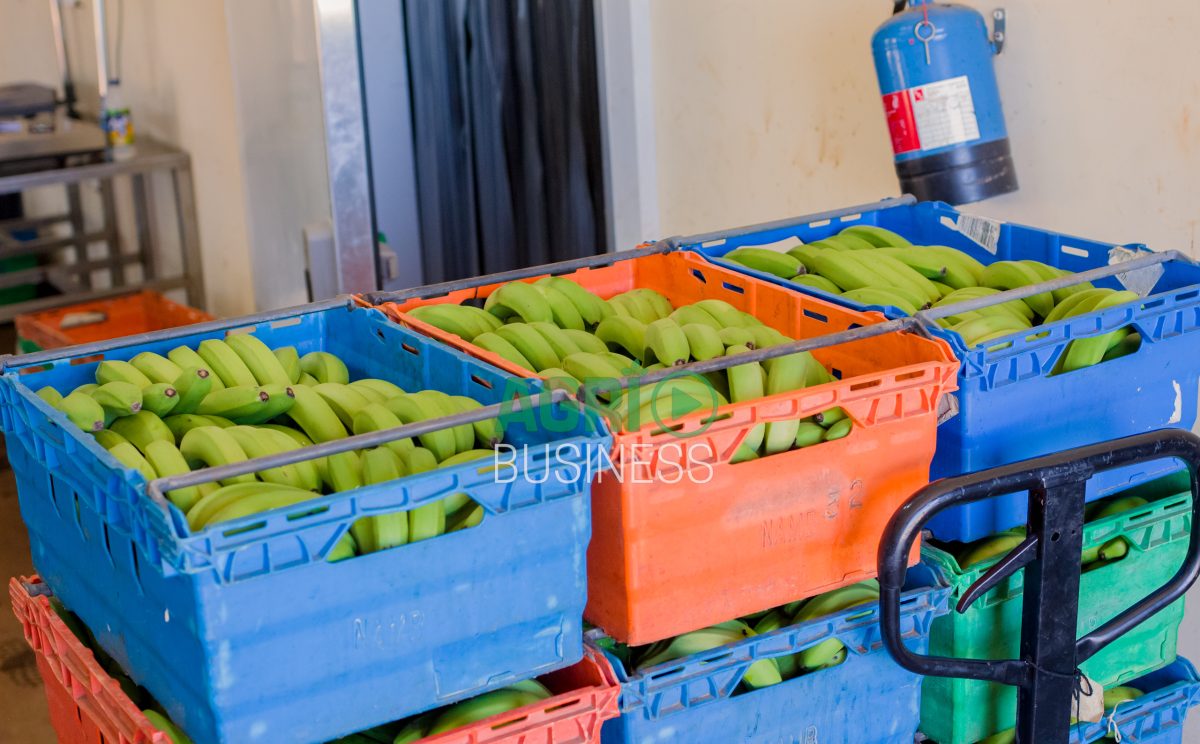
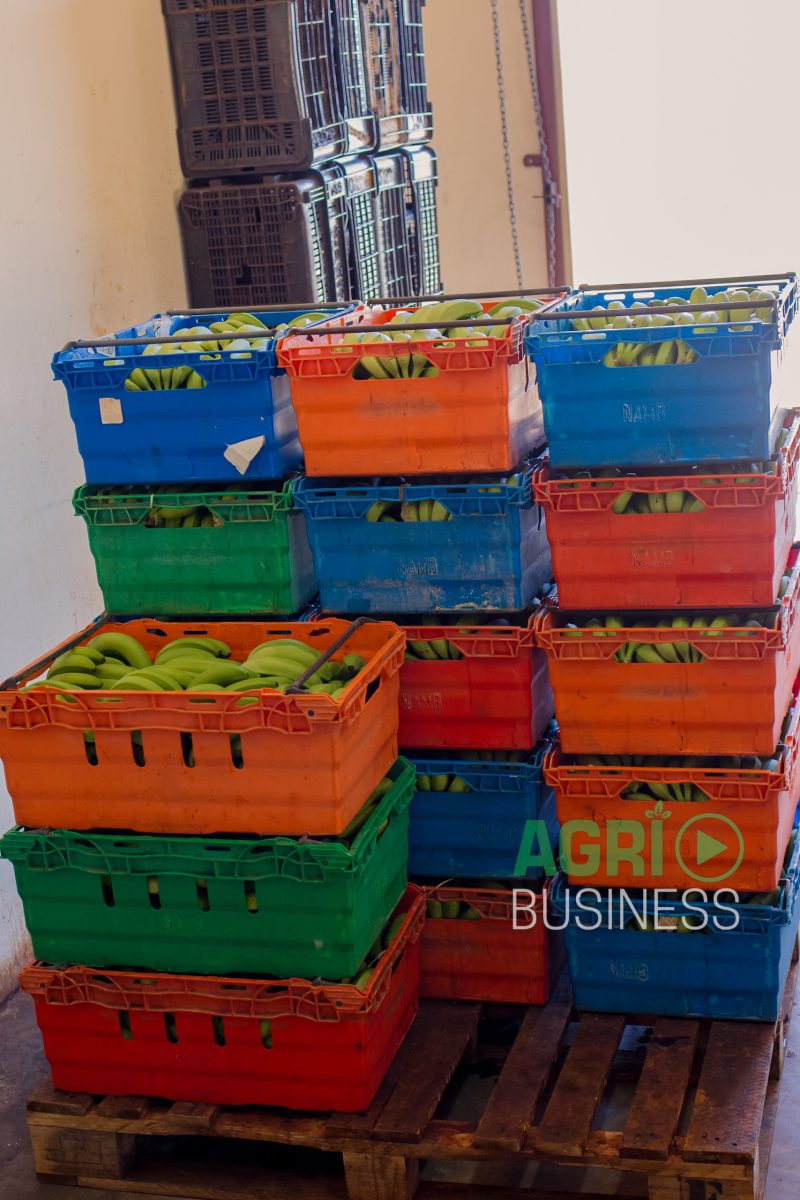
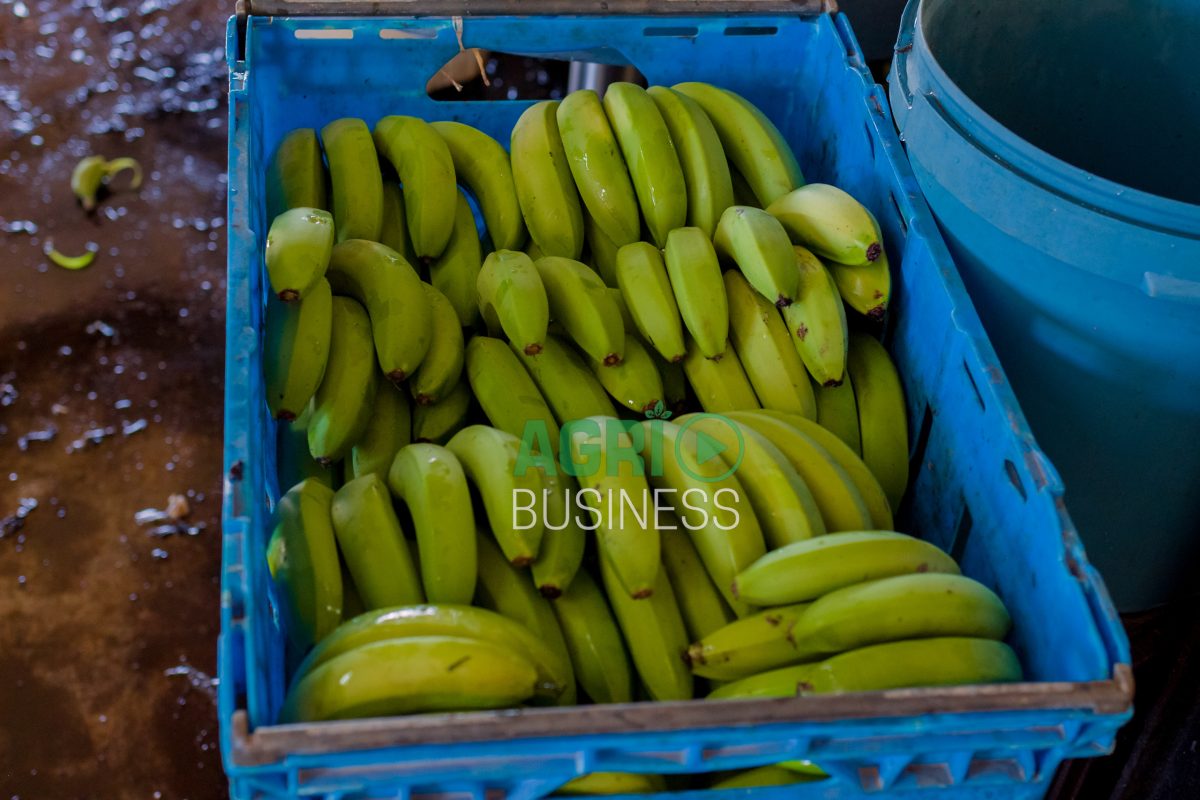
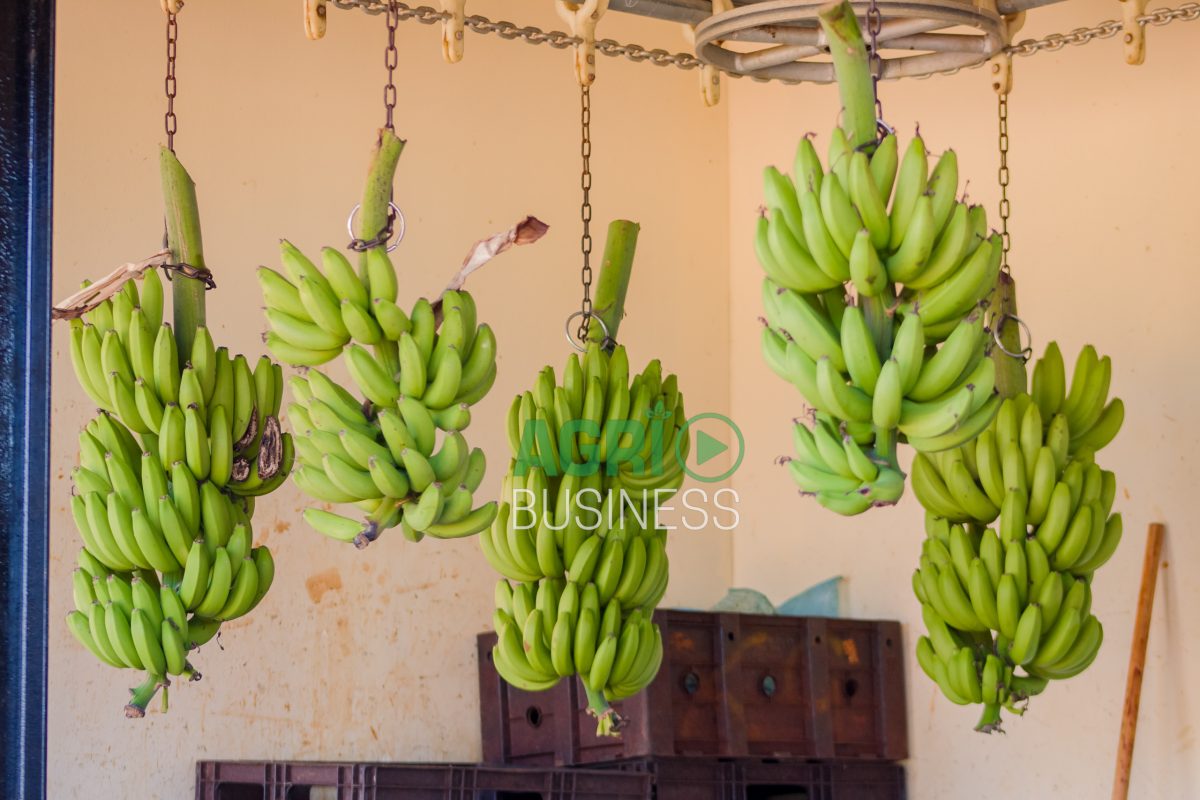
Packaged banana ready for maeket.
The Ministry of Agriculture reinforced this foundation by financing approximately 70 percent of critical infrastructure through a grant programme covering irrigation systems, fencing, water pump engines, land preparation and the construction of a packhouse. Together, these early interventions transformed community land into the beginnings of a commercial farm.
The ENIDC Loan That Changed Everything
In 2018, Eswatini National Industrial Development Corporation (ENIDC) extended a E3.9 million loan to Lomveshe Enterprise an injection that Chairperson Ernest Gamedze describes as pivotal.
“The partnership with ENIDC has been important for us because it strengthened the company and helped us continue operating,” Gamedze said.
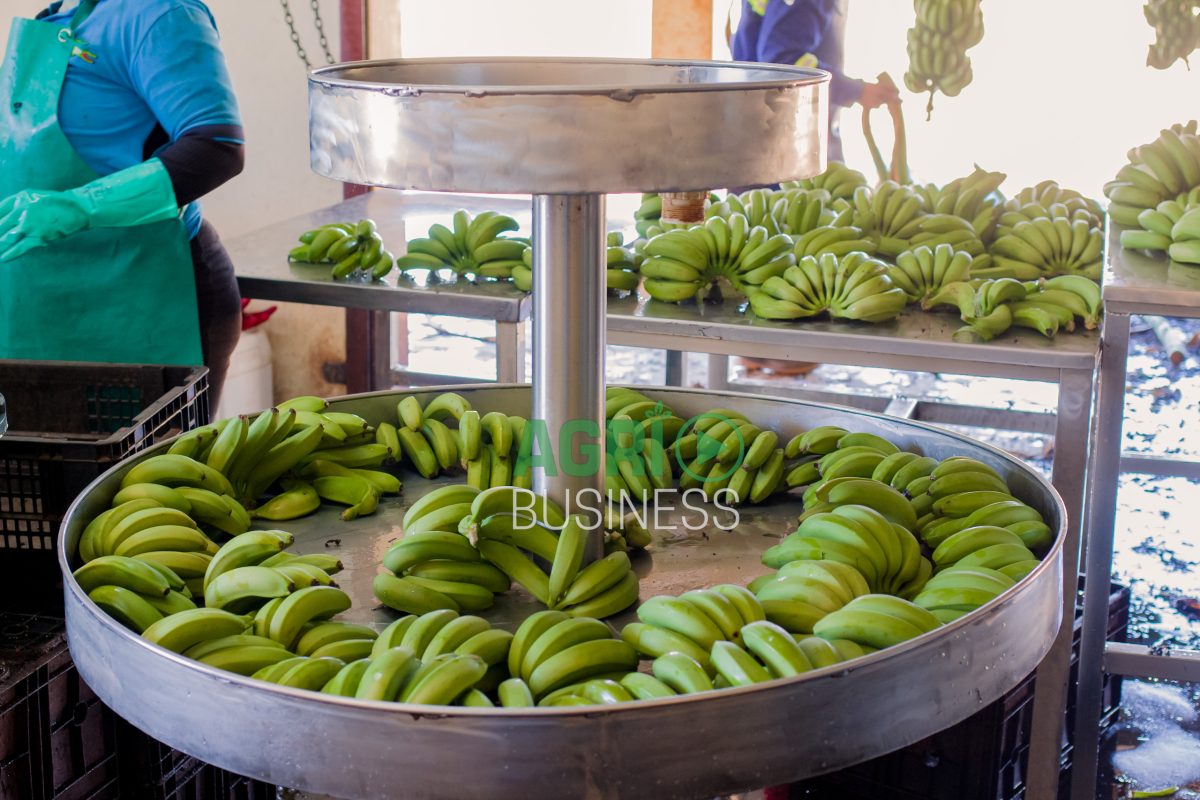
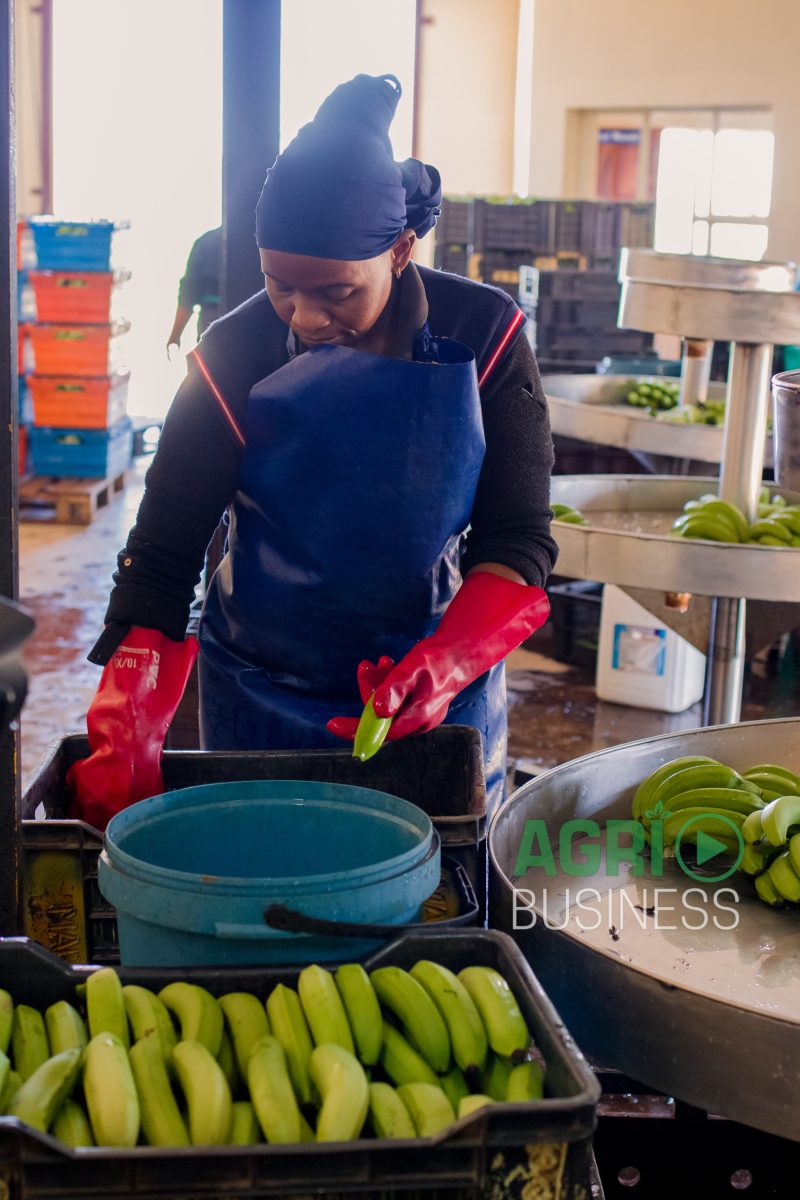
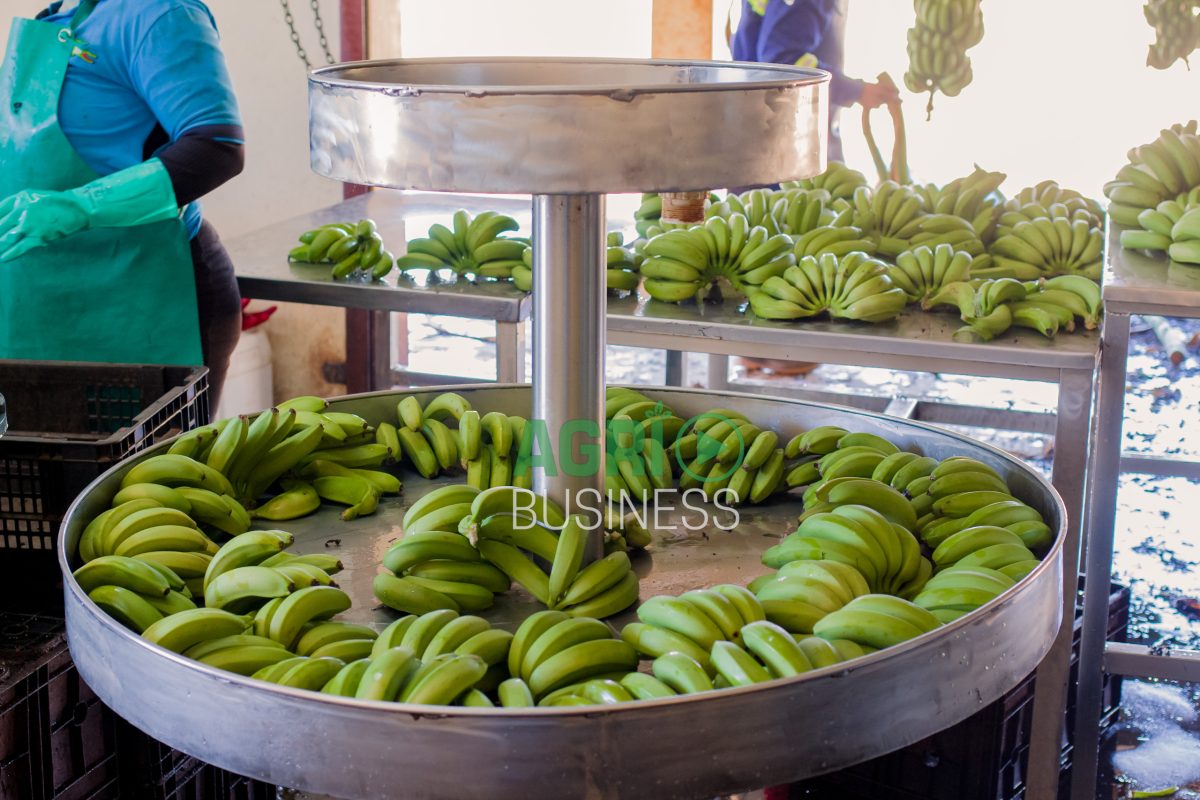
Banana at the pack house ready for market.
The relationship with ENIDC deepened over time. The development finance institution subsequently reinvested in the enterprise, becoming a shareholder and active partner in its long-term growth.
39 Members, 44 Hectares
The enterprise today is owned by 39 active shareholders, community members who have stayed the course through hailstorms, cold seasons, rising electricity costs and the attrition that inevitably follows when farming proves harder than anticipated. The group started with more than 90 members. Many fell away. Those who remained built something worth holding onto.
Across 44 hectares, the enterprise now supplies bananas to local vendors, the National Marketing Board (NAMBoard) and export markets. Diversification has also begun beans on two hectares, alongside dragon fruit, sweet potatoes and vegetables, but bananas remain the backbone.
“When managed properly, bananas can produce between 30 and 40 tonnes per hectare,” said Gamedze.
Maintaining those yields requires sustained effort. The plantation runs on a micro-jet irrigation system fed by nearby Usuthu river, with watering scheduled three times a week and a combination of organic and commercial fertilisers applied to maintain fruit quality. Banana suckers must be managed carefully, and fruit-bearing plants are propped with wooden supports to prevent them from collapsing under the weight of developing bunches.
Setbacks That Tested the Business
The enterprise’s resilience has been tested repeatedly. Severe hailstorms struck in 2020 and again in 2022. An unusually cold season followed in 2023. In each case, the enterprise’s insurance offered no cover for natural disaster losses, forcing it to absorb the financial impact while operational costs continued.
“Production was affected, but our expenses did not stop. We still had electricity costs, loan repayments and operational expenses,” Gamedze said.
Electricity remains a persistent burden pumping water from the river over a considerable distance is costly, compounded by a poorly designed pump station that frequently requires excavation to restore flow. Theft has added further pressure.
A Message for Young Eswatini
Despite the challenges, Gamedze is clear-eyed about what Lomveshe represents not just for its 39 members, but for a generation of young EmaSwati who may be dismissing agriculture as an option.
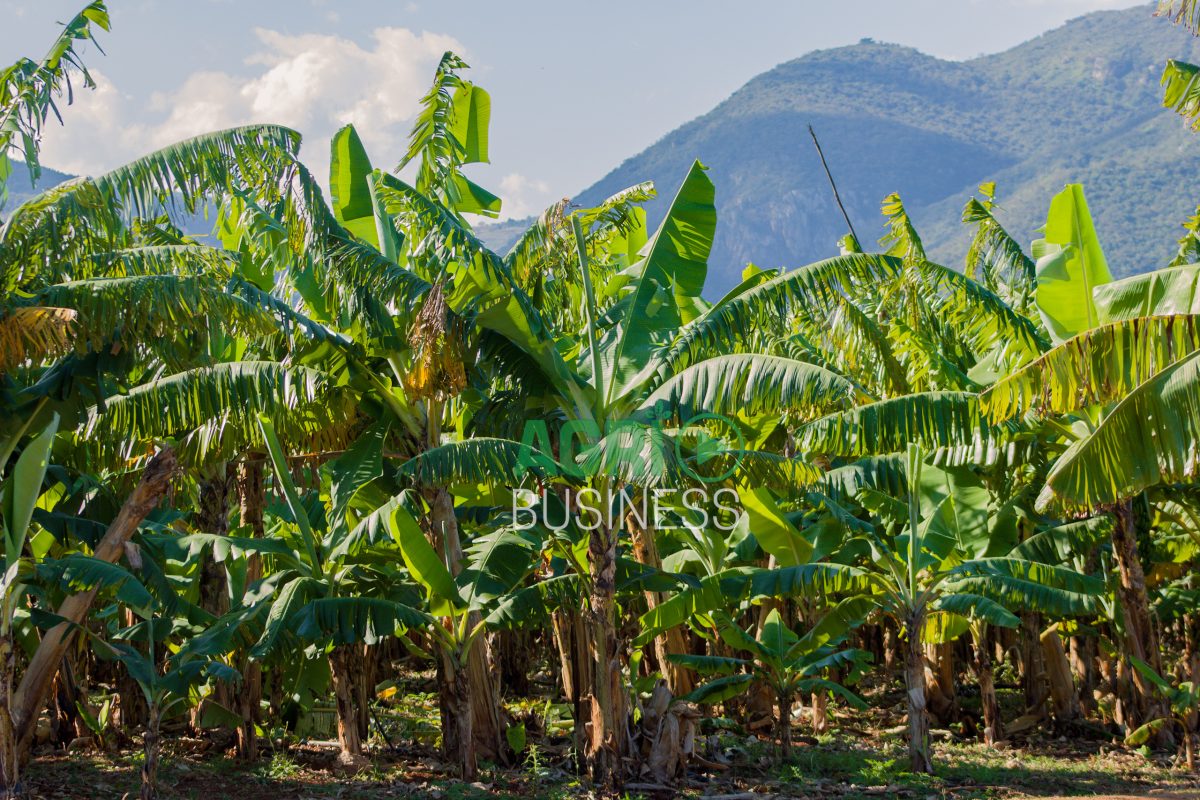
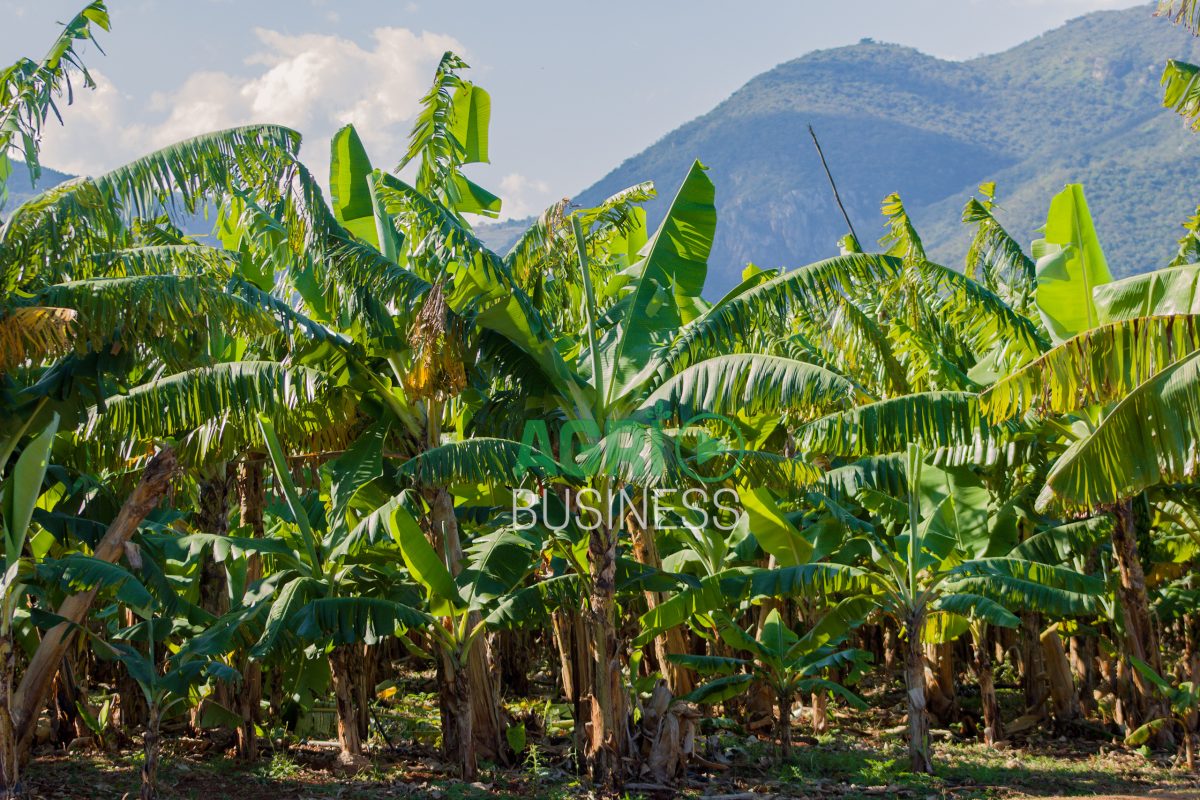
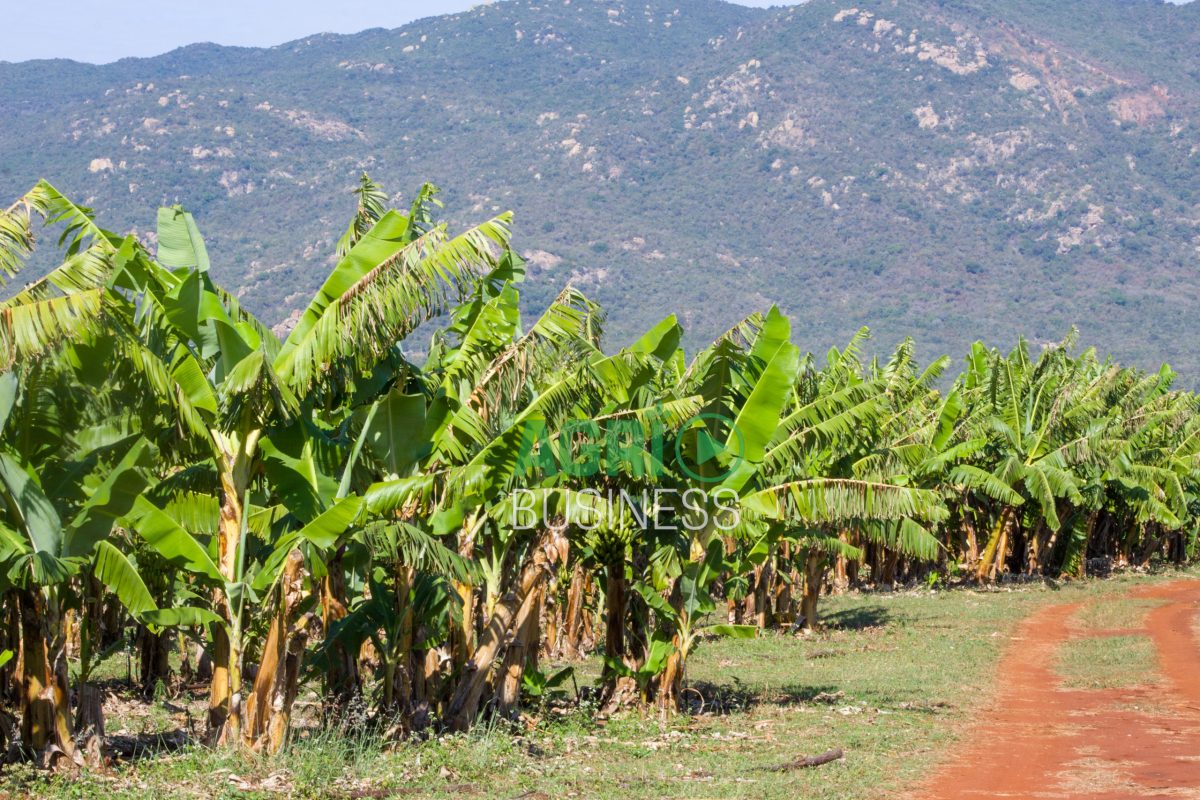
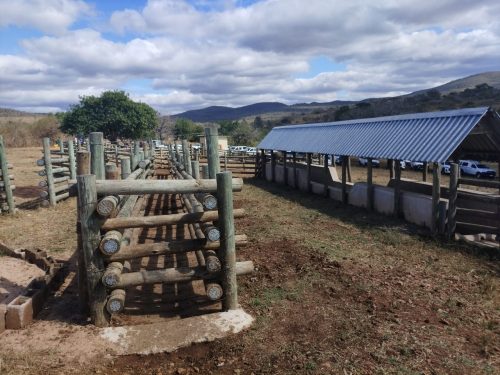
44-hectare of land where Lomveshe Enterprise produces banana.
“Young people should not look down on farming because it involves working with soil,” he said. “They must be willing to learn from experts and use the land available to them productively. Life is in farming.”
For Gamedze and the members who remain, the enterprise’s story is proof that community agriculture properly supported, properly structured and stubbornly maintained can become a resilient agribusiness capable of creating jobs, generating income and anchoring rural economic development.
The 39 who stayed are living that proof.