BY: PHESHEYA KUNENE | EDITOR
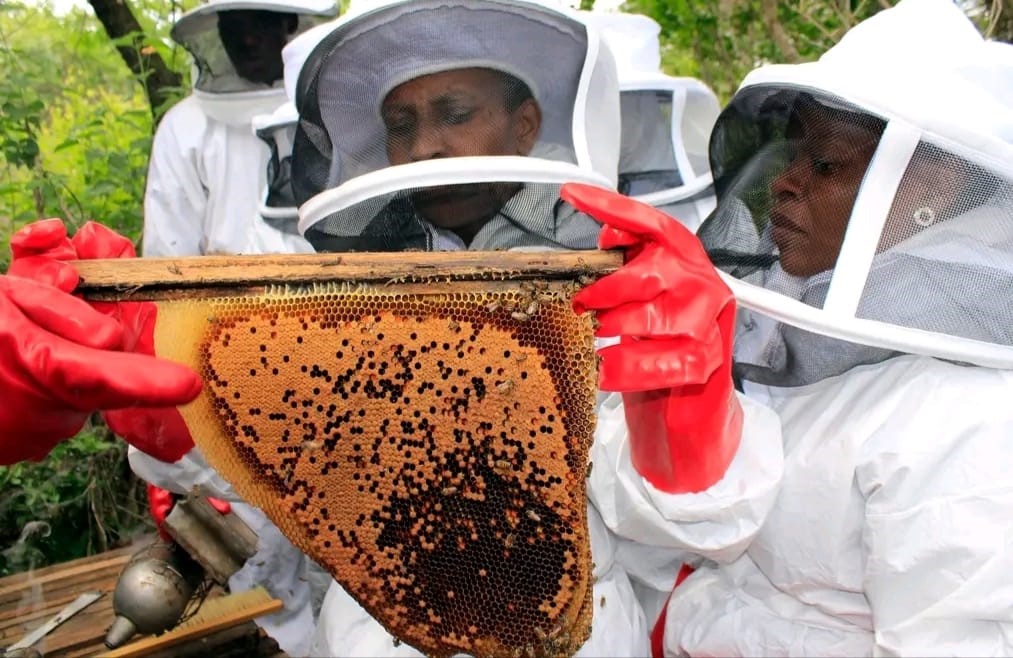
MBABANE – Stakeholders have validated a proposed E230 million investment plan aimed at expanding local honey production, tightening quality controls and reducing the country’s reliance on imported products.
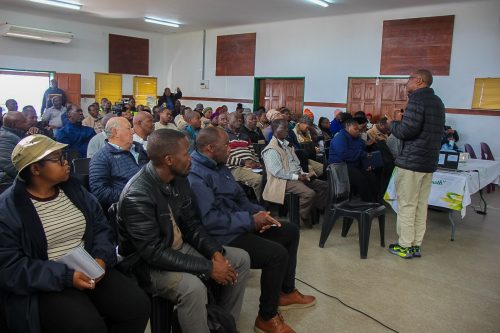
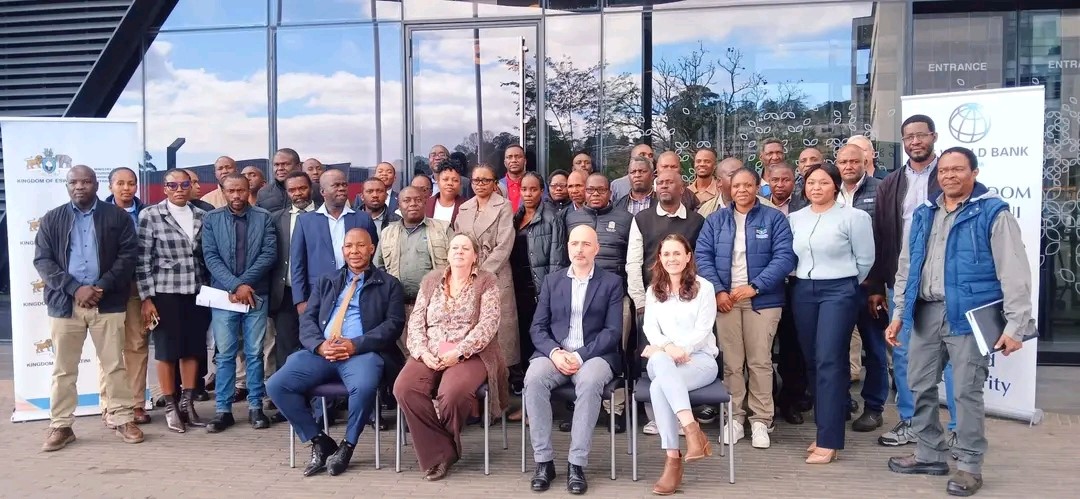
The plan was presented during the World Bank-supported PROGREEN Value Chain Validation Workshop held in Mbabane on Thursday, where government, development partners, technical experts and industry players discussed the future of honey and other forest-based value chains.
The proposed Sector Development Programme Agreement for honey seeks to address a widening gap between rising demand and limited reliable local supply. According to findings presented at the workshop, between 30 and 40 per cent of honey sold on the local market is imported, adulterated or incorrectly labelled, mainly from South Africa, India and China.
Stakeholders warned that poor-quality imports were distorting prices, weakening consumer trust and making it difficult for genuine local producers to compete in formal retail markets.
Under the proposed programme, E58 million would be allocated to infrastructure development, including four certified honey-processing hubs, cold rooms and six community information centres. A further E74 million would support production and hive expansion through improved hives, new apiaries and climate-resilient systems.
The plan also provides E36 million for extension services, training and institutional support, E30 million for market development, branding, export readiness and traceability systems, and E32 million for finance and programme management.
The financing model proposes a 30 per cent public contribution, estimated at E69 million, while the remaining E161 million is expected to come from private investors and public-private partnerships. However, presenters noted that funding sources and implementation timelines still needed to be clarified.
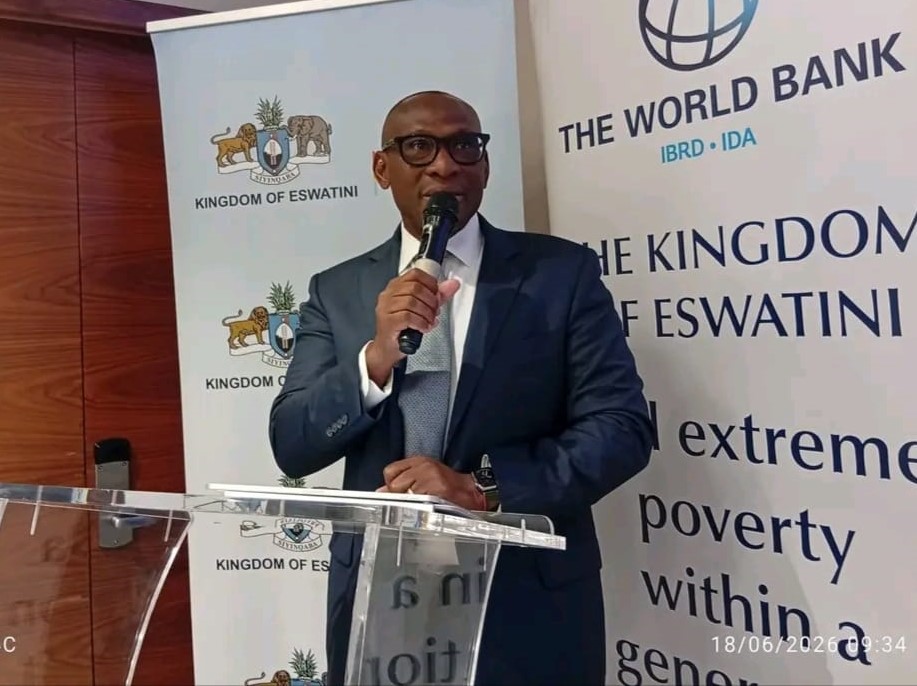
Minister of Tourism and Environmental Affairs Jane Mkhonta-Simelane said forest-based value chains had the potential to support rural livelihoods, attract investment and create jobs if managed sustainably.
She said forests should not only be viewed as conservation assets, but also as economic resources that could unlock opportunities for communities and enterprises.
“From timber and bark to honey and related bee products, the development of forest-based value chains can create meaningful benefits for communities, private enterprises and the nation,” she said.
The workshop also heard that the domestic formal retail market remains the most immediate opportunity for local honey producers. Supermarkets and specialty stores continue to stock significant volumes of imported honey, despite growing demand for authentic local products.
South Africa was identified as the most practical short-term export market, while longer-term opportunities exist in the European Union and United States. However, access to these premium markets would depend on compliance with strict requirements, including traceability, residue monitoring, certification, laboratory testing and proper labelling.
For smallholder farmers, the business case remains promising. A 10-hive operation can be established with relatively modest capital and is projected to generate more than E40,000 in net profit over five years. Hives can remain productive for up to 10 years, while the labour required allows beekeeping to be combined with other farming activities.
Local honey farmer Mhlonishwa Dlamini said producers were struggling to compete with cheaper products that consumers often mistake for genuine honey.
“Many people look at price first and do not understand the difference between pure honey and syrup-based products. Genuine honey takes time and investment to produce, but some imported products are sold at prices we simply cannot match,” he said.
Dlamini said stronger regulation, consumer education and improved access to processing facilities would help unlock the sector’s potential.
“If fake honey is removed from the market and farmers are supported with training and equipment, honey can become a serious income source for rural communities,” he said.
The sector also faces governance challenges. Presenters noted that the repeal of the Importation of Bees Act left the industry without a clear legal framework, with responsibilities spread across several government institutions.
The roadmap proposes the development of a National Apiculture Policy, formal honey standards, stronger import controls, improved inspections, market surveillance and a national hive registration system to support traceability.
World Bank Country Representative Ikechi Okore said protecting forests remained critical, noting that the forestry sector supports more than 8,000 jobs in the country.
Stakeholders said the proposed investment could turn honey into a competitive rural enterprise, but warned that weak coordination, unclear funding and poor enforcement could limit its impact.
The validation meeting concluded with calls for clear leadership, stronger regulation, investment in research and development, and practical support for producers to ensure the proposed E230 million plan moves from paper to production.