

BY PHESHEYA KUNENE – EDITOR
EZULWINI – The Eswatini Standards Authority (ESWASA) has intensified efforts to formalise hides and carcass standards as the country moves to curb losses, unlock value from livestock by-products and accelerate plans to establish a local tannery, following an estimated E1 million loss linked to the Foot and Mouth Disease crisis.
The intervention comes as more than 15 000 hides were lost over the past 11 months, with over 4 000 hides reportedly stockpiled in Hhelehhele for more than six months due to export disruptions.
Director of Ngwane Enterprise, Jonathan van Staden, said the crisis exposed structural weaknesses in the hides value chain.
“We lost over 15 000 hides, translating to about E1 million in losses. Borders were closed and exports halted, and that immediately affected prices and operations,” he said.
“We collect hides across Eswatini and export to South Africa, including Polokwane, but the FMD restrictions disrupted the entire chain.”
He noted that the average price per hide has dropped to about E80, reflecting depressed demand and quality concerns.
“Animal husbandry remains the biggest challenge. If we improve quality at farm level, we can compete regionally and access better markets,” he added.

Standards to address quality and market gaps
ESWASA convened a Technical Committee (TC 31) meeting on meat, carcass and hides standards with stakeholders including government, abattoirs, farmers, processors and exporters, with technical support from the International Trade Centre (ITC).
ESWASA Standards Development Officer Milagrosa Mondlane said the absence of harmonised national standards has resulted in inconsistent pricing and weak competitiveness.
“The sector operates without a uniform and enforceable framework for assessing meat and carcass quality. This leads to inefficiencies across the value chain,” she said.
The proposed standards will introduce structured classification systems for carcasses and hides, covering defects such as disease-related damage, branding, contamination, flaying errors and poor curing practices. The framework is expected to improve transparency, pricing and compliance with food safety requirements.
Wake-up call for farmers
Chairperson of the Eswatini Leather Cooperative, Robert Shabangu, said the reforms should shift farmer focus beyond meat production.
“Farmers must realise that value is not only in the meat. The hide is a critical asset that can drive the leather industry,” he said.
“If we improve livestock care and handling, we can supply high-quality hides for leather production, create jobs and expand exports.”
He added that improved standards would strengthen the value chain.
“This will improve the value chain in Eswatini. High-quality hides will allow local processors to produce competitive leather products and access international markets,” he said.
Chief Executive Officer of the Eswatini National Agricultural Union, Tammy Dlamini, said farmers support the initiative but expect implementation.
“As farmers, we support efforts that bring transparency and fair pricing. This must be implemented in a way that delivers real value to farmers,” he said.
“When pricing is linked to quality, farmers will improve production practices. That is how we build a competitive livestock sector.”
Livestock and feedlot farmer Phetsile Sithole said improving hide value would change farmer behaviour.
“Farmers have long focused on meat because hides bring little return. If pricing improves and markets open, farmers will invest more in animal care and handling,” he said.
Tannery plan gains support
Stakeholders identified the establishment of a domestic tannery as critical to unlocking value. Currently, most hides are exported raw to South Africa for processing, limiting local earnings.
Van Staden said local processing would significantly increase returns.
“We are exporting raw materials and importing finished products. A tannery would allow us to process locally, create jobs and increase export value,” he said.
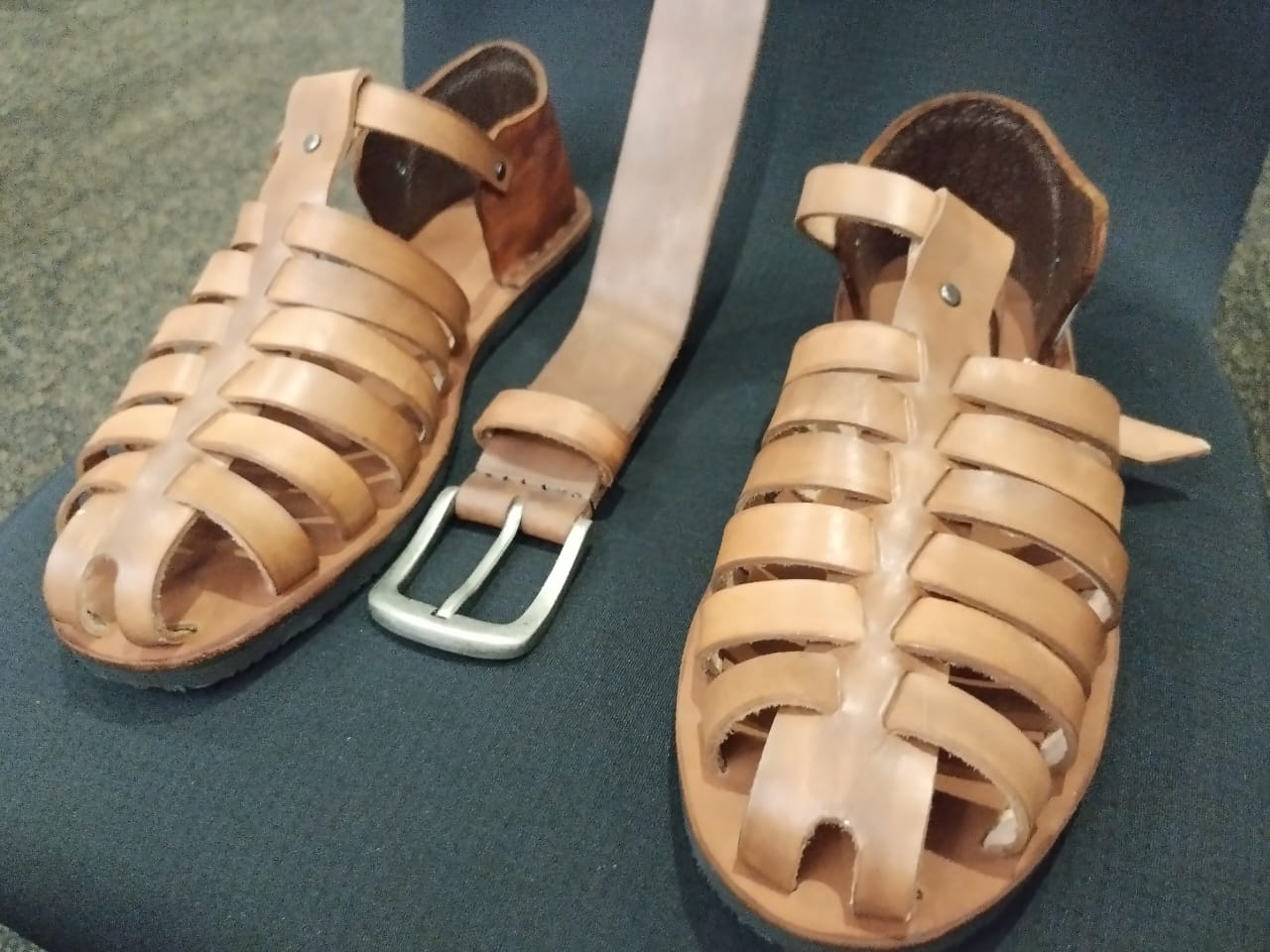
Industry players noted that a tannery would enable Eswatini to move up the value chain into leather manufacturing, producing goods such as footwear, upholstery and accessories.
Regional trade and industry outlook
Southern Africa’s hides and skins sector is dominated by South Africa, which slaughters over two million cattle annually and exports processed hides to markets including China, Italy and Turkey. Export volumes to Asia reached about 17 000 tonnes in 2024, highlighting the scale of the regional industry.
In contrast, Mozambique and Eswatini largely export raw hides with limited processing, often at lower value due to quality constraints and weak grading systems.
Eswatini’s livestock sector remains central to rural livelihoods and contributes significantly to agricultural output. However, limited value addition means much of the economic benefit is lost, as finished leather products are imported while raw hides are exported.
Why standards matter
Experts say improving hide quality through better animal husbandry, disease control and proper curing methods such as salting or sun-drying can significantly increase value. High-grade hides fetch premium prices and are essential for industrial leather production.
The introduction of national standards, combined with investment in a tannery, is expected to:
Improve farmer incomes through quality-based pricing
Reduce waste and post-slaughter losses
Strengthen export competitiveness
Create jobs in leather processing and manufacturing
Build resilience against shocks such as FMD
Institutional role and next steps
ESWASA, established under the Quality and Standards Act of 2003, is mandated to develop and enforce national standards, ensure product quality and support trade competitiveness through certification, testing and industry capacity building.
The ITC is supporting the initiative by providing technical tools and expertise to help align local standards with international market requirements.
The draft standards will be subjected to a 60-day public consultation process before finalisation and gazetting.
Analysts say effective implementation, coupled with investment in processing infrastructure, could reposition Eswatini’s livestock sector from a raw commodity supplier to a competitive player in the regional leather industry.
For farmers, the shift is clear: improve livestock management, protect hide quality and unlock value beyond meat.