
BY PHESHEYA KUNENE – EDITOR
MANZINI – A projected E50 million market for traditional African vegetables, with demand exceeding 1.5 million kilograms annually, is reshaping Eswatini’s agricultural outlook, as farmers are urged to transition from subsistence production to a more disciplined, market-oriented system.
Deliberations at the TAVI Phase II Inception Workshop laid bare a compelling reality, demand is no longer speculative but established, and supply remains the missing link. Stakeholders say this imbalance presents a rare, near-term commercial opportunity for smallholder farmers willing to scale.
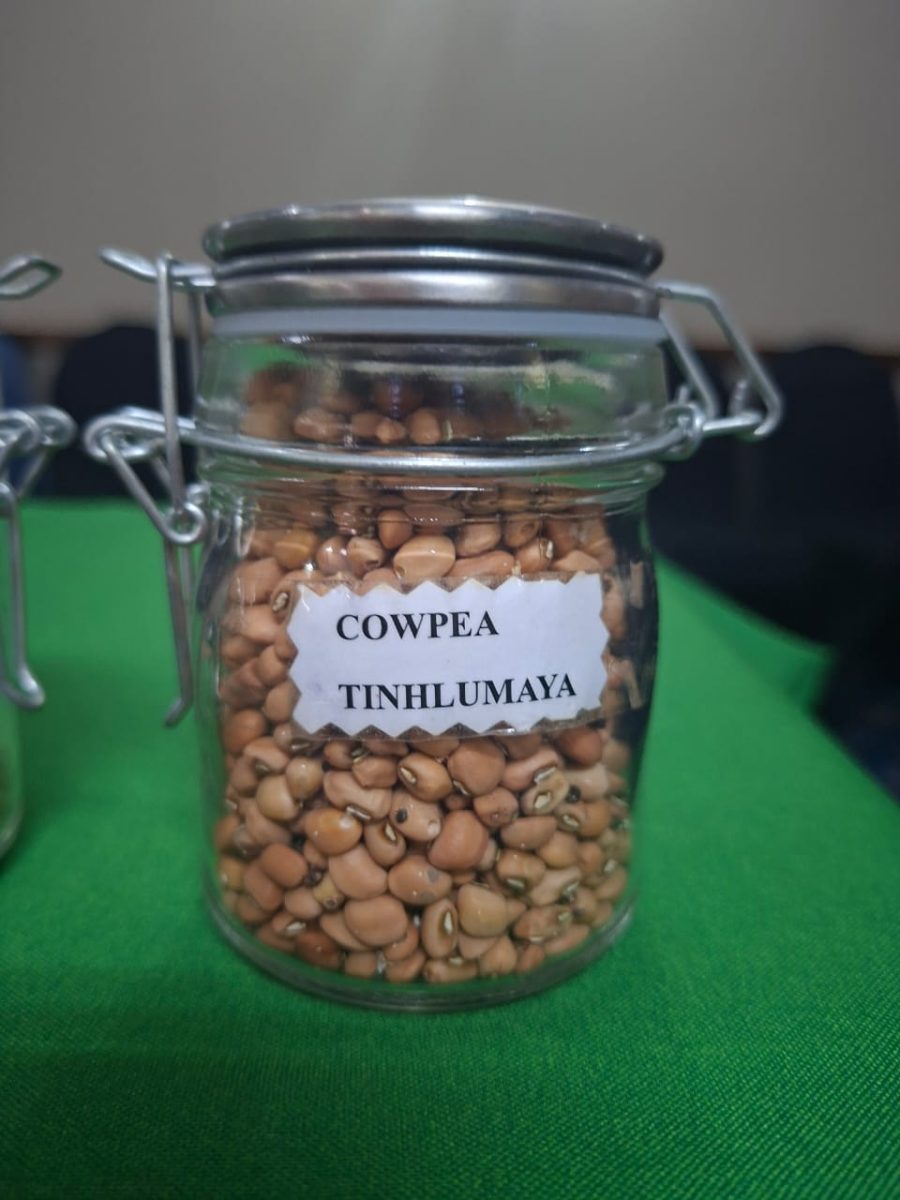
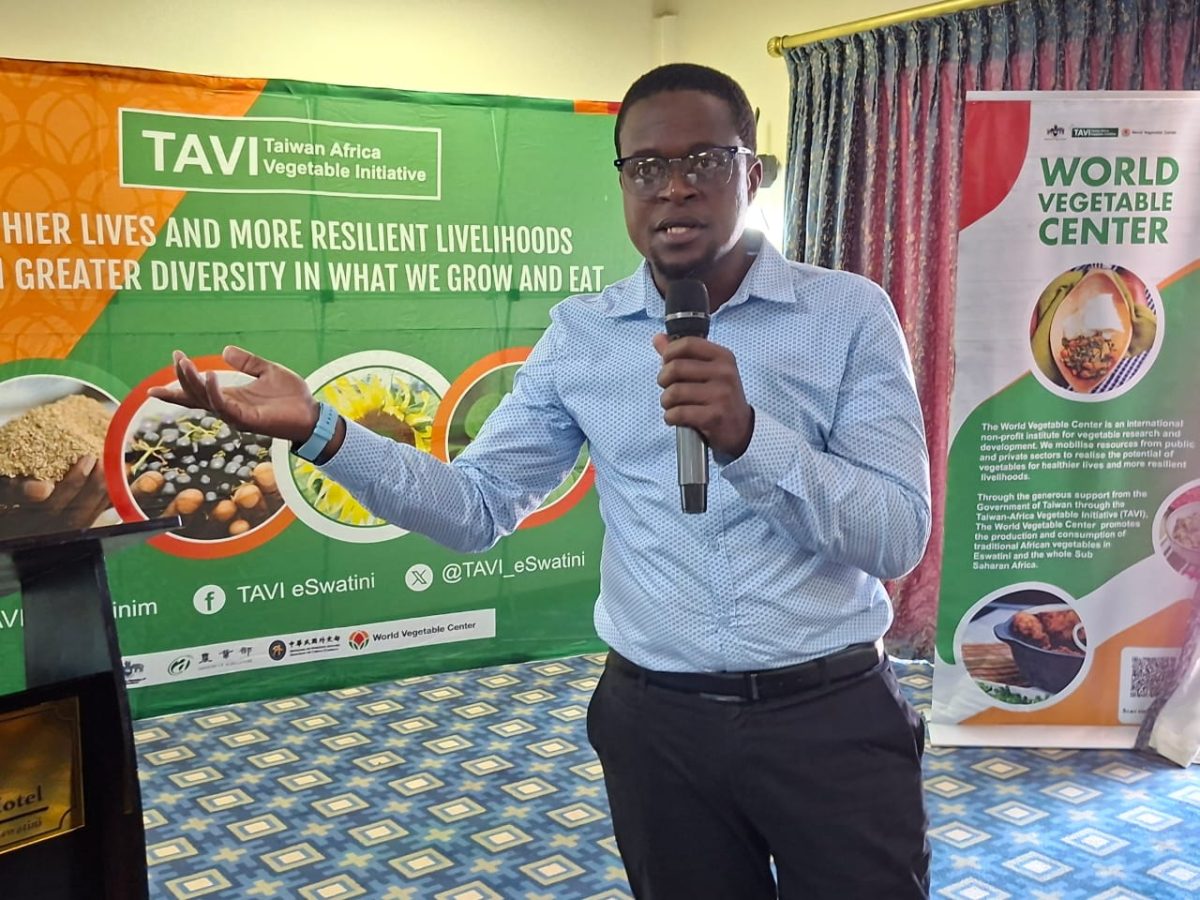
According to Mcebo Mnisi of the World Vegetable Center, the country is already sitting on a sizeable and structured market for crops such as pumpkin leaves, amaranth and okra, commodities long regarded as informal but now gaining recognition as viable commercial products.
“We are no longer searching for demand, it already exists,” Mnisi said, framing the shift as a move from “growing for the pot to growing for the pocket,” as farmers are encouraged to respond to clear market signals.
Supporting data presented at the workshop indicates that Eswatini’s total vegetable demand stands at approximately 41.5 million kilograms per year, with an estimated 82 percent production gap, a deficit that continues to be filled through imports. In effect, the country is importing produce that can be competitively grown locally, a dynamic the TAVI initiative seeks to reverse.
At the centre of this transformation is the national school feeding programme, which has quietly evolved into a reliable anchor market. More than 80 farmers are already supplying 42 schools, reaching over 22 800 learners with nutrient-rich traditional vegetables. For participating farmers, returns are tangible, with some earning upwards of E19 000, signalling early but meaningful income gains.
Beyond immediate earnings, the programme is recalibrating the economics of smallholder farming. Agriculture remains the backbone of rural livelihoods in Eswatini, yet has historically been characterised by low productivity, weak market linkages and minimal value addition. TAVI’s intervention introduces a different model, one that integrates production, seed systems, market access and institutional support into a coherent value chain.
Opening the workshop, Sydney Simelane described the initiative as a strategic lever to modernise traditional agriculture, with government and partners prioritising the establishment of dedicated seed production facilities, strengthening of the national genebank and the rollout of quality-assured seed systems.
This includes the development of a commercial seed production framework, demonstration farms in Malkerns, and structured capacity-building programmes supported by production manuals. The initiative is targeting at least 84 farmers organised into 10 groups, with a modest but symbolic production target of three tonnes in the current year, a baseline intended to unlock future scale.
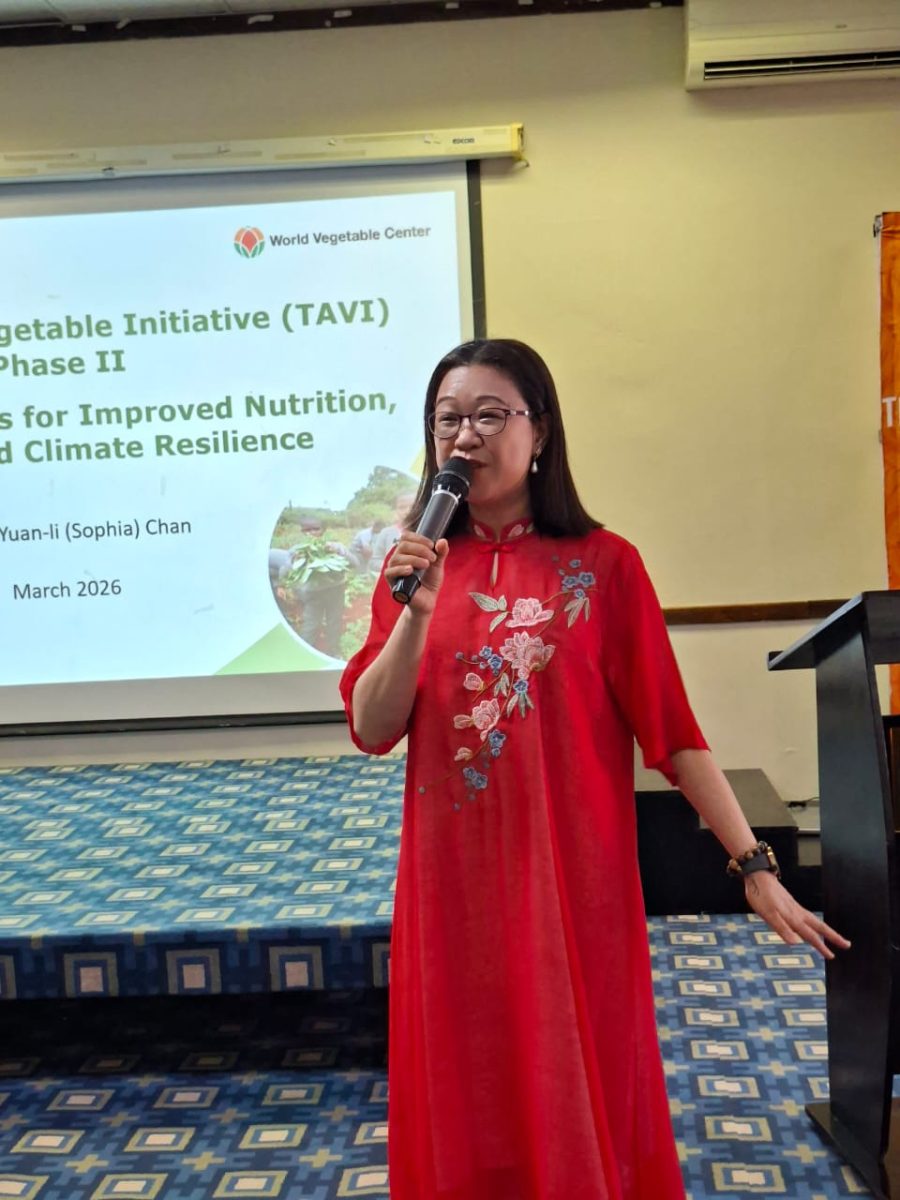
Project Manager Sophia Chan said the second phase of the initiative is deliberately shifting focus toward commercialization and consumption, ensuring that traditional vegetables are embedded both in diets and in markets.
“We are promoting utilization alongside commercialization, so that farmers benefit economically while communities benefit nutritionally,” she said, adding that the project provides technical support, starter kits and improved seed access.
The broader value chain is also under scrutiny. Post-harvest losses, estimated at up to 50 percent, continue to erode farmer income. Planned interventions, including cold storage, solar drying technologies and improved logistics, are expected to reduce waste and unlock additional value, while creating pathways for processing and value addition.
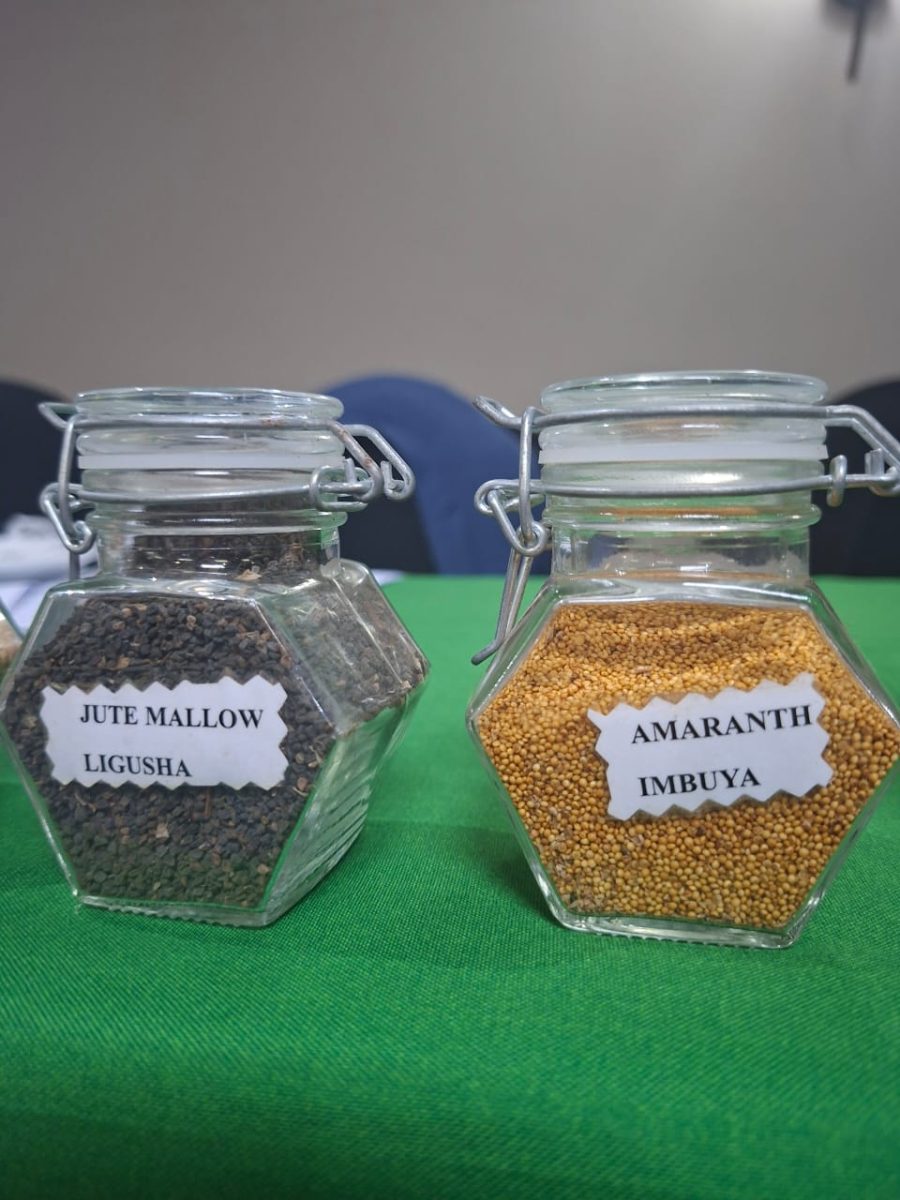
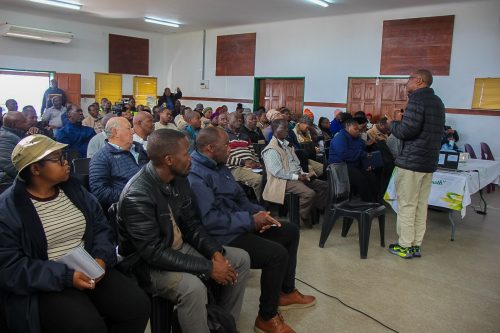
Crucially, farmers themselves appear ready to respond. Those attending the workshop expressed strong interest in expanding production, signalling willingness to collaborate and meet the three-tonne target set for the year, an early indication of confidence in the emerging market structure.
Financial backing from Taiwan has further strengthened the initiative, with funding steadily increasing in recent years, reinforcing long-term sustainability. The programme has already reached over 10 percent of the national population, with a deliberate focus on vulnerable groups, particularly schoolchildren.
In policy terms, the initiative aligns with broader national priorities, improving food security, reducing import dependency and enhancing climate resilience through crops naturally adapted to local conditions.
What is emerging, therefore, is more than a development project. It is the early architecture of a formalised industry built on crops once marginalised, now repositioned as climate-smart, nutrient-dense and commercially viable.
With demand quantified, institutions aligned and farmers beginning to organise around production, the E50 million market is no longer an abstract figure. It is a live opportunity, one that could redefine the place of traditional African vegetables in Eswatini’s agricultural economy.