
…Former corporate accountant Nokuthula Precious Simelane has transformed a small-scale poultry venture into a commercial broiler operation in Malkerns, generating up to E190 000 in gross revenue per production cycle, as local farmers move to close Eswatini’s persistent chicken supply gap.
BY: PHESHEYA KUNENE | EDITOR
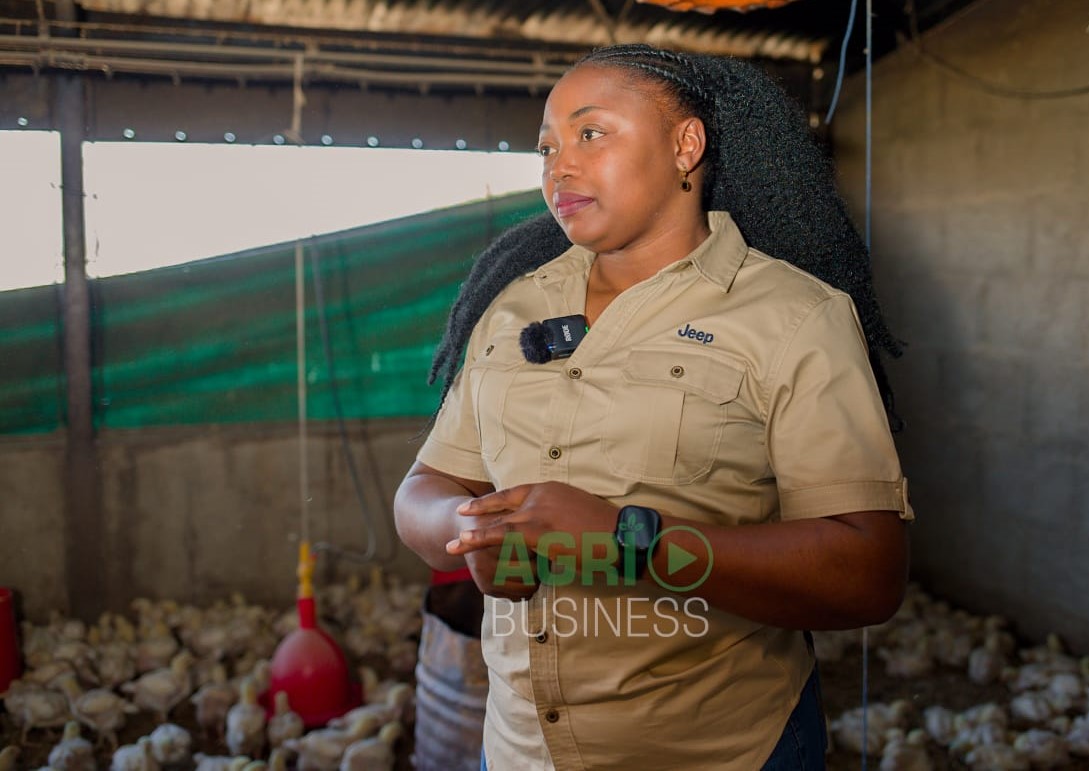
MALKERNS—Trading her corporate balance sheets for a high-stakes agricultural venture, 38-year-old qualified accountant and hard-working businesswoman Nokuthula Precious Simelane has built a thriving poultry operation netting E190 000 in gross monthly income per production cycle.
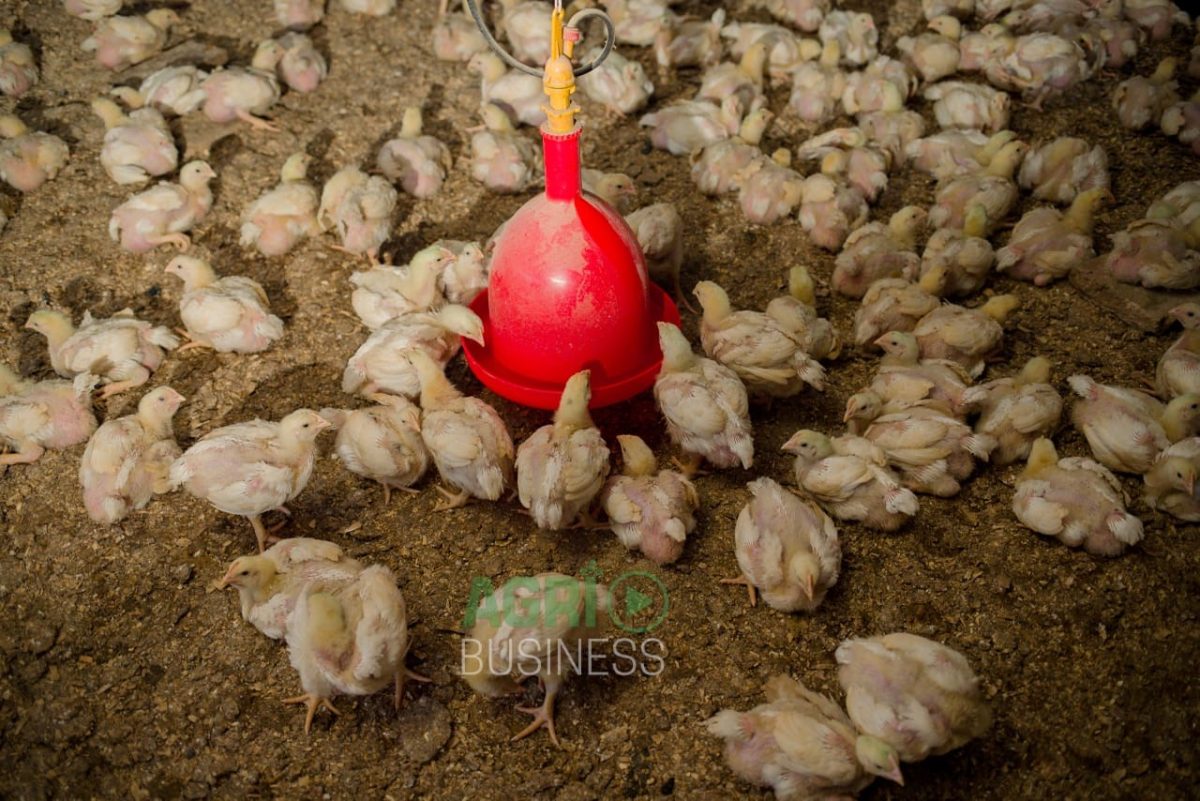
Operating from a massive rented facility, she currently rears a flock of 3,100 chickens with aggressive plans to expand production to 6,000 birds to satisfy Eswatini’s insatiable local demand.
Walk into the sprawling facility here in the heart of Eswatini’s agricultural belt, and you are greeted by two things: the symphonic chirping of thousands of healthy broilers, and a blinding, infectious smile.
Meet Nokuthula Precious Simelane. She is the epitome of the modern African agribusiness pioneer, bubbly, ever-smiling, and unapologetically passionate about two things: family and making cold, hard cash through top-tier farming. But behind that warm, family-oriented exterior lies the razor-sharp mind of an educated professional who has swapped corporate boardroom spreadsheets for the relentless data tracking of a commercial poultry shed.
“Farming isn’t a hobby; it’s a numbers game,” Simelane says with a chuckle, her eyes scanning the facility. “If you don’t treat your chicken shed like a corporate balance sheet, the market will liquidate you.”
From Boardroom to Broilers
Simelane’s journey is a masterclass in calculated risk. Born in the rural Ncabaneni chiefdom, poultry was woven into her childhood. Her parents ran a modest backyard poultry project, teaching her the basic mechanics of animal husbandry. Yet, her early career took her down a path of financial numbers and formal employment.
The corporate world, however, could not extinguish her entrepreneurial itch. In 2020, operating as a sole trader, she began nurturing small batches of day-old chicks, fattening them up, and selling them to local buyers. But scaling a business requires capital, an asset notoriously difficult for smallholders to secure.
Due to market friction and cash-flow bottlenecks, her early operations were plagued by inconsistency.
The turning point came in late 2025. Recognizing the need to professionalize, Simelane approached the Eswatini Agricultural Development Fund (EADF). By November 2025, her meticulous business plan secured a critical E250,000 capital injection, covering everything from production inputs and equipment to marketing logistics.
“The initial plan was to stock 4,000 chickens at a different location,” Simelane recalls. “But time was running out, and that facility wasn’t ready. I refuse to let minor setbacks stop me. I quickly pivoted and found this massive facility in Malkerns.”
The rented structure boasts a total capacity of over 6000 chickens. Currently, Simelane is playing it smart, utilizing exactly half the facility to protect her margins.
“I started with a production of 3,100 birds, and I am now executing my fourth consistent cycle since receiving the EADF funding,” she says.
By retailing each high-quality chicken at a competitive price of E90, this disciplined approach nets her a staggering E190,000 in gross income per production cycle.
The Macroeconomics of Chicken: Eswatini’s Import Dilemma
Simelane’s aggressive expansion comes at a critical macroeconomic juncture for Eswatini. Data from national livestock reports estimates domestic chicken consumption at 22,205.69 tonnes, stacked against a local broiler production of just 17,104.04 tonnes.
This substantial domestic deficit means supermarkets and commercial buyers are forced to rely heavily on volatile, high-tariff imports, bringing in thousands of tonnes of processed poultry and mechanically deboned meat (MDM) from South Africa annually to bridge the gap.
For data-driven local farmers like Simelane, this import dependence is a goldmine waiting to be tapped under national import-substitution policies. However, moving from backyard seller to commercial supplier requires specialized skills.
Poultry farming demands rigorous biosecurity management, precise feed-conversion ratio (FCR) calculations, and strict climate control, especially during the unforgiving winter seasons.
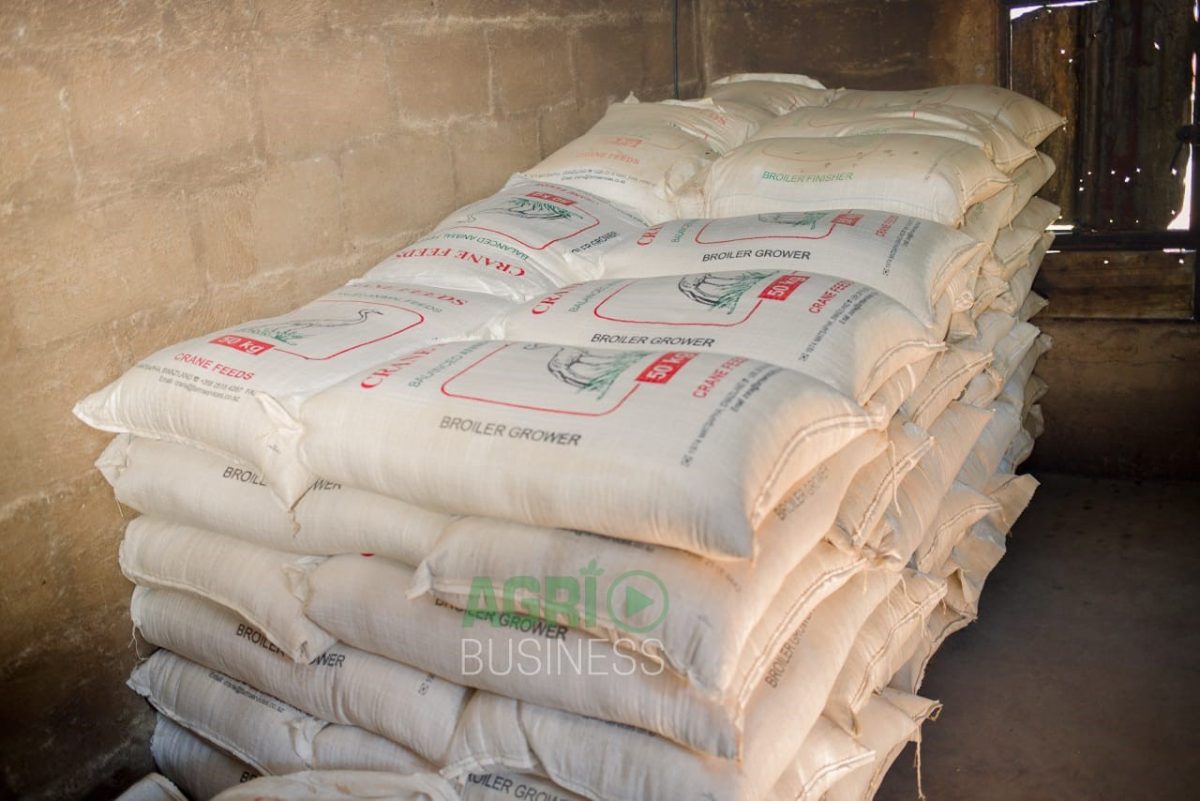
“What sets us apart is an absolute refusal to compromise on quality,” Simelane notes fiercely. “The market can tell when you cut corners on feed or hygiene. High quality is our brand.”
Currently, Simelane’s operation runs with one permanent employee, supplemented by casual laborers during peak harvesting periods.
Her premium birds have already penetrated major commercial markets, supplying Easy Buy Supermarket in Mbabane, forestry giant Montigny, and various local butcheries and restaurants. She is also currently finalizing supply deals with retail giant OK Foods and exploring a strategic partnership with Umbuluzi Chicken.
Capital Expenditure and the Mozambican Horizon
True to her accounting background, Simelane is already plotting her next capital expenditure (CapEx) phase to maximize margins. Renting a facility and outsourcing transport, she notes, introduces unnecessary variable costs into her income statement.
“My immediate future plan is to build my own structure and invest in dedicated company transport to slash logistics costs,” she explains.
“Once the winter season passes and we secure our targeted local volumes, we will fully scale the operations to exploit this facility’s full 6,000-bird capacity.”
But her vision does not stop at the borders of Eswatini. Simelane is already conducting market research on the Mozambican export market, where foreign buyers have already expressed keen interest in her poultry. To achieve this, she plans to construct a private, state-of-the-art abattoir and processing plant to package and brand her own chicken portions for domestic and international shelves.
As she prepares for her next harvest, the bubbly accountant has a poignant message for the younger generation looking for employment: “Agribusiness is open for business, but it requires discipline. You must be energetic, ready for challenges, and willing to work hard. Never give up.”
On the evidence of her current balance sheet, Nokuthula Precious Simelane is not just talking the talk, she is proving that local agriculture rewards those with a sharp commercial eye.