
BY: SIKHONA SIBANDZE | JOURNALIST
MANZINI – Eswatini’s farmers stand to benefit from stronger drought and flood preparedness following the official handover of two Italian Government-funded climate resilience projects valued at over E99 million.
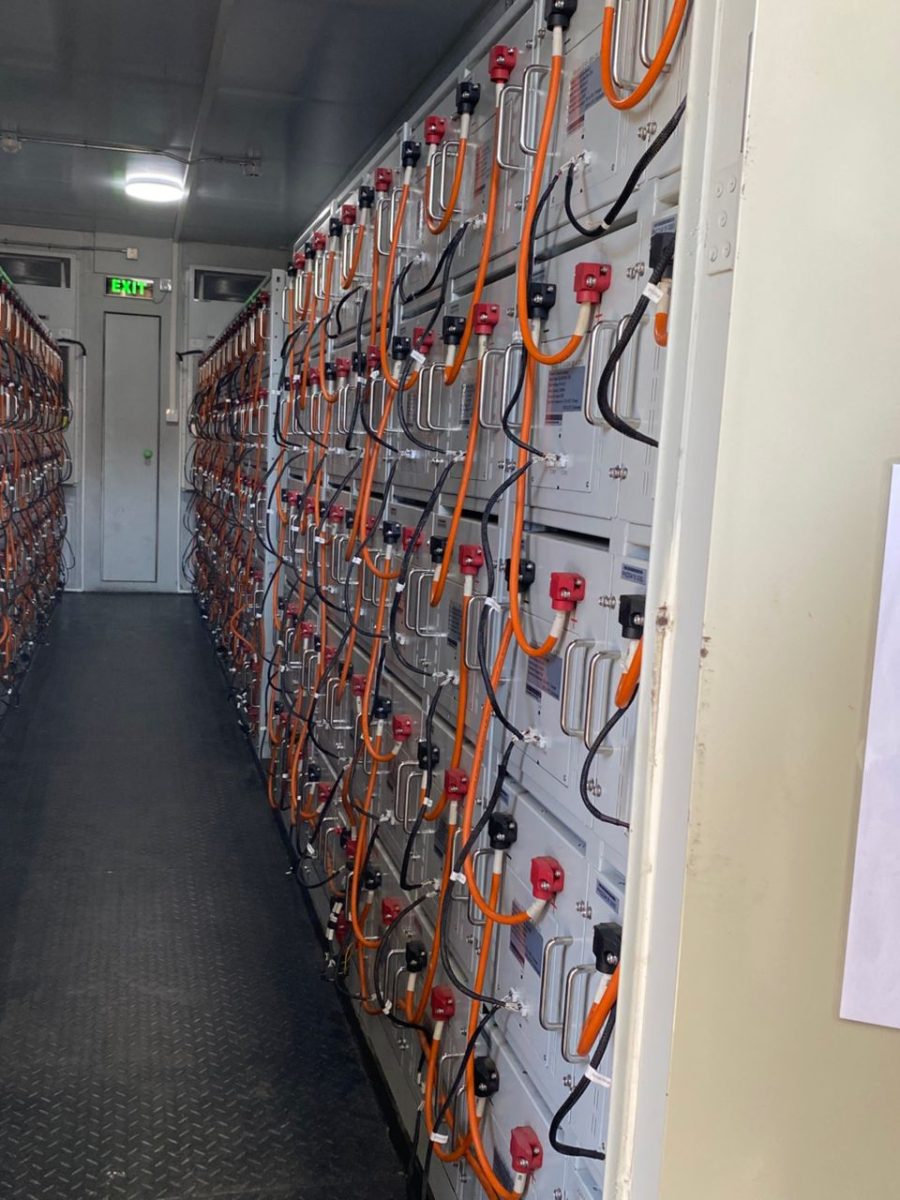
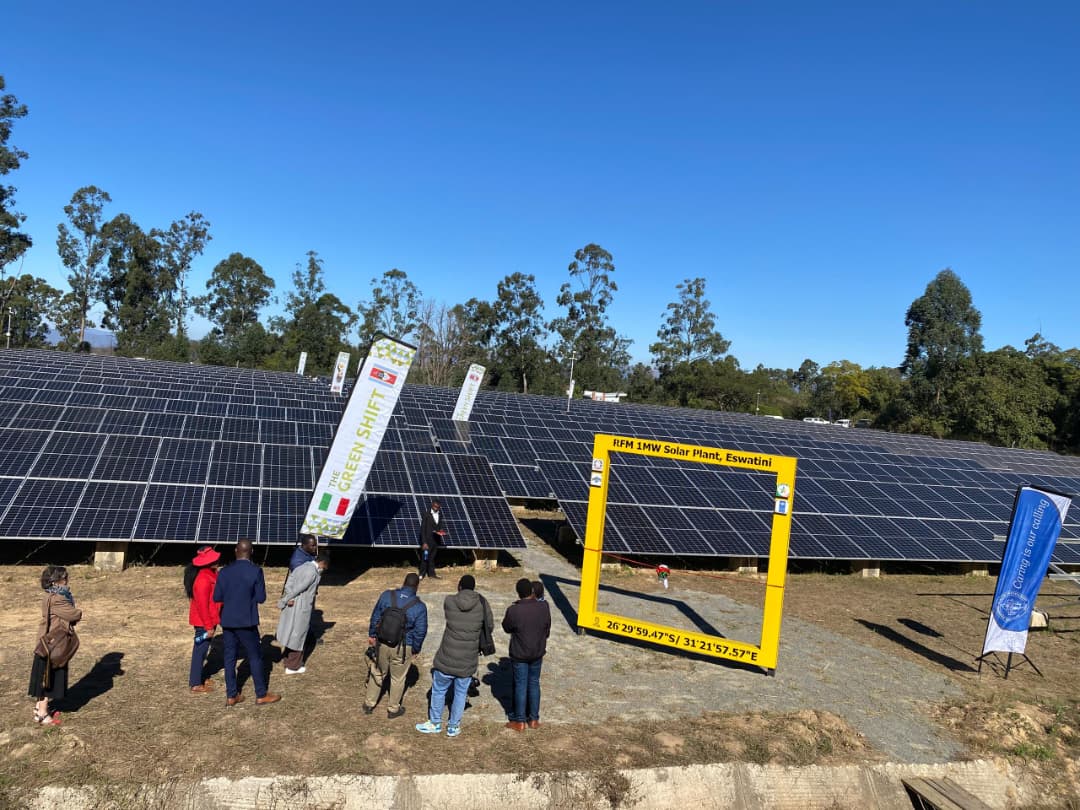
Funded by the Government of Italy and supported by the United Nations Development Programme (UNDP), the projects comprise a €2.2 million (about E44 million) one-megawatt solar photovoltaic plant at Raleigh Fitkin Memorial (RFM) Hospital and a US$3.4 million (about E55 million) national Early Warning System designed to strengthen weather forecasting, river monitoring and disaster preparedness.
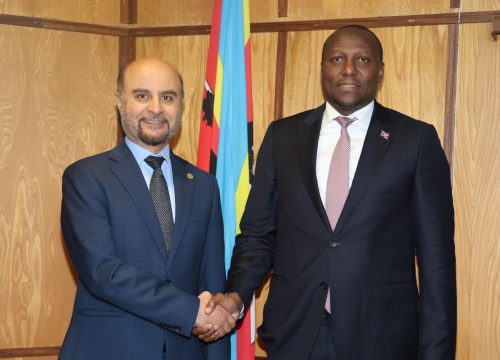
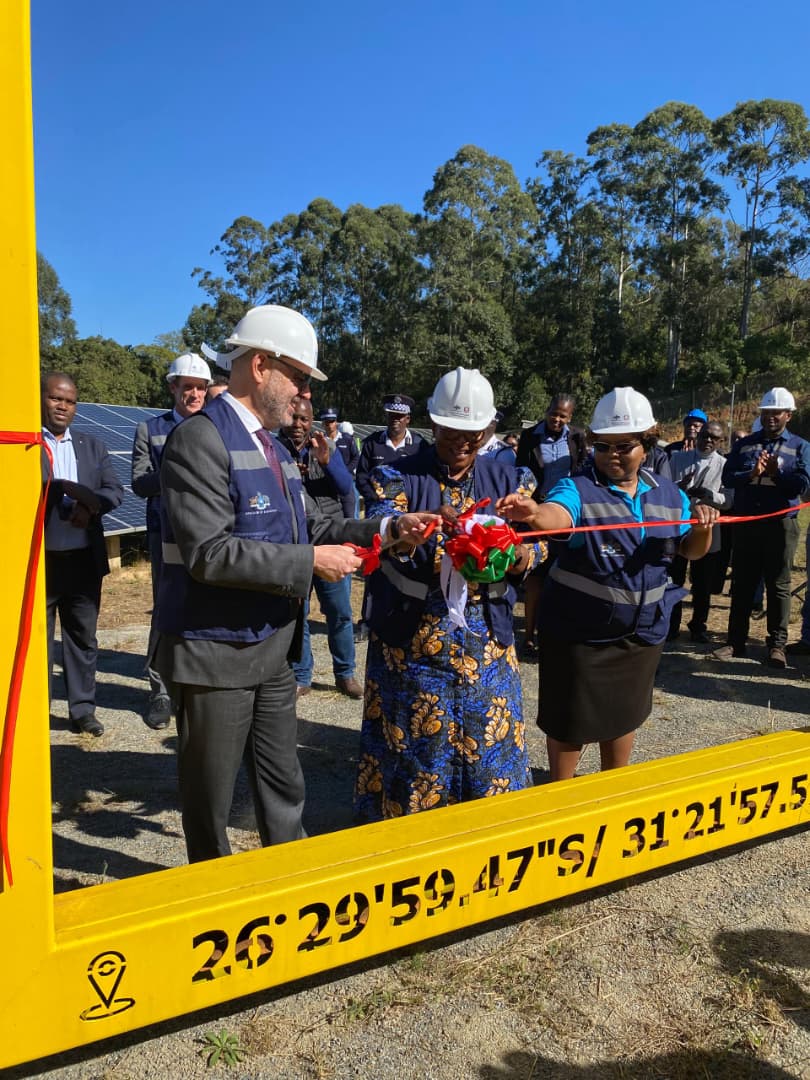
Implemented under the Italy–Eswatini Climate Change and Environment Cooperation Programme, the projects were officially handed over by Deputy Prime Minister Thulisile Dladla, on behalf of Prime Minister Rt. Hon. Russell Mmiso Dlamini, during the launch of the renewed phase of the cooperation programme at RFM Hospital.
The event was attended by an Italian delegation led by Ambassador H.E. Gabriele Annis and Jacopo Betti of the Italian Ministry of Environment and Energy Security, alongside Eswatini Government officials, UNDP representatives, RFM Hospital leadership and other stakeholders.
A direct message for agriculture
For a country where farmers continue to battle unpredictable rainfall, droughts, floods and rising production costs, the handover carried a direct message: reliable climate information and affordable energy are becoming essential tools for food security.
Speaking on behalf of the Prime Minister, Dladla said the handover marked the completion of the Greening of Raleigh Fitkin Memorial Hospital and the Enhancement of the Early Warning Systems projects, adding that the partnership between Eswatini and Italy reflected a shared commitment to sustainability, resilience and prosperity.
She noted that the cooperation had grown from earlier investments in solar energy, hydrometeorological observation systems, weather and climate prediction systems and the training of climate experts into a broader programme covering biodiversity conservation, renewable energy and sustainable development.
Dladla recalled that about a decade ago, the Southern African region endured a severe El Niño drought whose effects were heavily felt by farmers and local businesses, many of whom are still recovering from those losses.
“The enhanced Early Warning System is therefore expected to strengthen national preparedness should similar climate shocks occur again,” said Dladla.
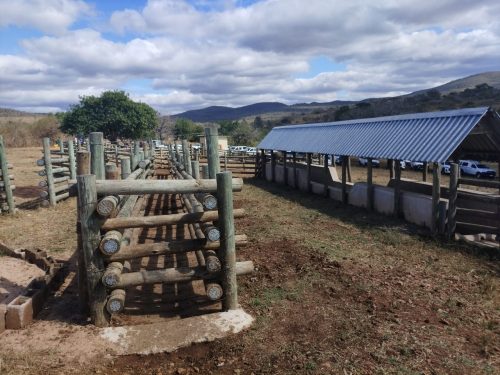
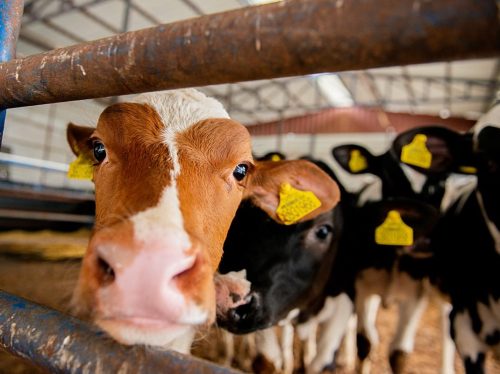
For farmers, this is the heart of the project. Timely drought warnings can help growers adjust planting dates, manage irrigation water, protect livestock and build feed reserves. Flood warnings can help irrigation schemes protect pumps, canals, fields, bridges and other rural infrastructure before disaster strikes.
Three ministries, one delivery
Minister of Tinkhundla Administration and Development Sikhumbuzo Dlamini, speaking on behalf of Minister of Tourism and Environmental Affairs Jane Mkhonta-Simelane, said the projects were delivered through collaboration between the Ministry of Tourism and Environmental Affairs, the Ministry of Natural Resources and Energy and the Ministry of Health.
“The project implementation has been a success, courtesy of smooth and seamless collaborations between the three beneficiary ministries,” he said.
Dlamini said Italy’s support had arrived at a critical time, as the region continues to face limited electricity supply and rising energy costs. The solar project, he said, included a 1MW solar plant with battery storage, electric washing and drying machines, an electric boiler, efficient lighting, efficient heat exchangers and air-conditioning systems – and enabled the elimination of the hospital’s coal-fired boiler.
The programme supports several United Nations Sustainable Development Goals, including SDG 2 (Zero Hunger), SDG 3 (Good Health and Well-being), SDG 6 (Clean Water and Sanitation), SDG 7 (Affordable and Clean Energy), SDG 9 (Industry, Innovation and Infrastructure), SDG 13 (Climate Action) and SDG 17 (Partnerships for the Goals).
“A statement of solidarity”
UNDP Resident Representative Henrik Franklin said the handover marked a milestone in Eswatini–Italy cooperation and demonstrated what was possible when international support is aligned with national priorities.
“This investment is not only financial. It is a statement of solidarity with the people of Eswatini,” Franklin said.
He said the Early Warning Systems Project was strengthening national climate preparedness through investments in automated weather stations, river-flow gauges, forecasting systems and related technical capacity. The real value of the work, he added, would be seen in communities receiving warnings and in sectors becoming better able to plan for droughts, floods and other climate risks.
Government noted that Eswatini contributes less than 0.007 percent of global greenhouse gas emissions and remains a net carbon sink, yet still recognises climate change as a major development concern.
The handover sends a clear message: climate resilience is now part of protecting farmers, food security, rural livelihoods, public health and national development. The two projects may not plant crops or feed livestock directly, but they strengthen the systems farmers depend on – reliable climate information, river monitoring, disaster alerts, clean energy, healthy communities and capable institutions.