
BY: PHESHEYA KUNENE | EDITOR
MBABANE — Eswatini has opened the 2026/27 grain planting season with E65 million committed to farm input support, putting Government’s subsidy programme at the centre of efforts to raise domestic production as farmers confront rising input costs and the threat of a strong El Niño.
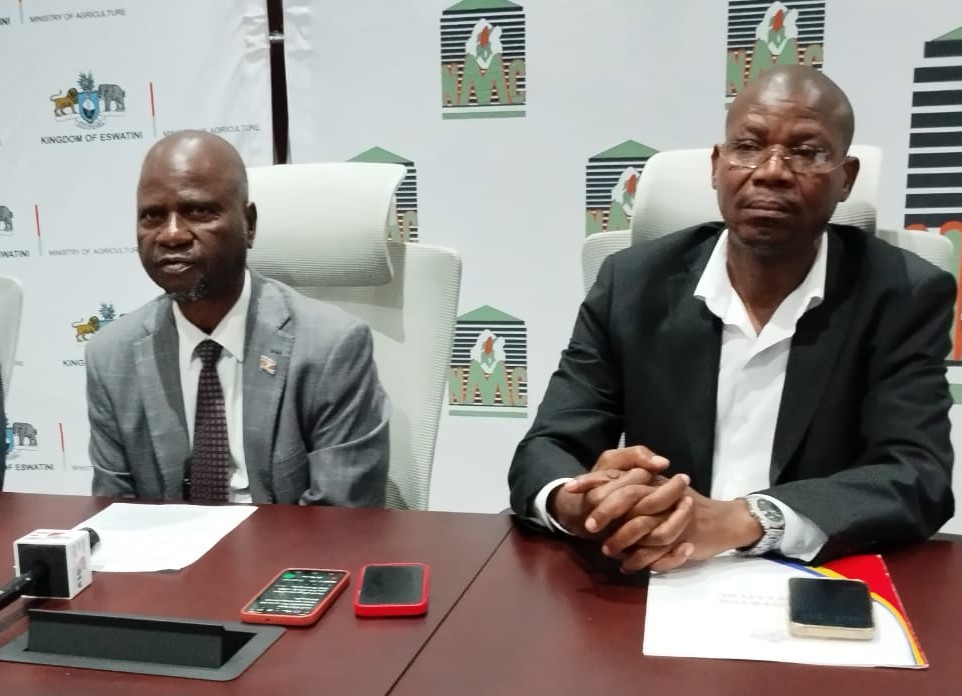
Agriculture Minister Mandla Tshawuka announced that the Government will maintain its 50% contribution towards qualifying input packages, but access will be more tightly controlled through farmer vetting.
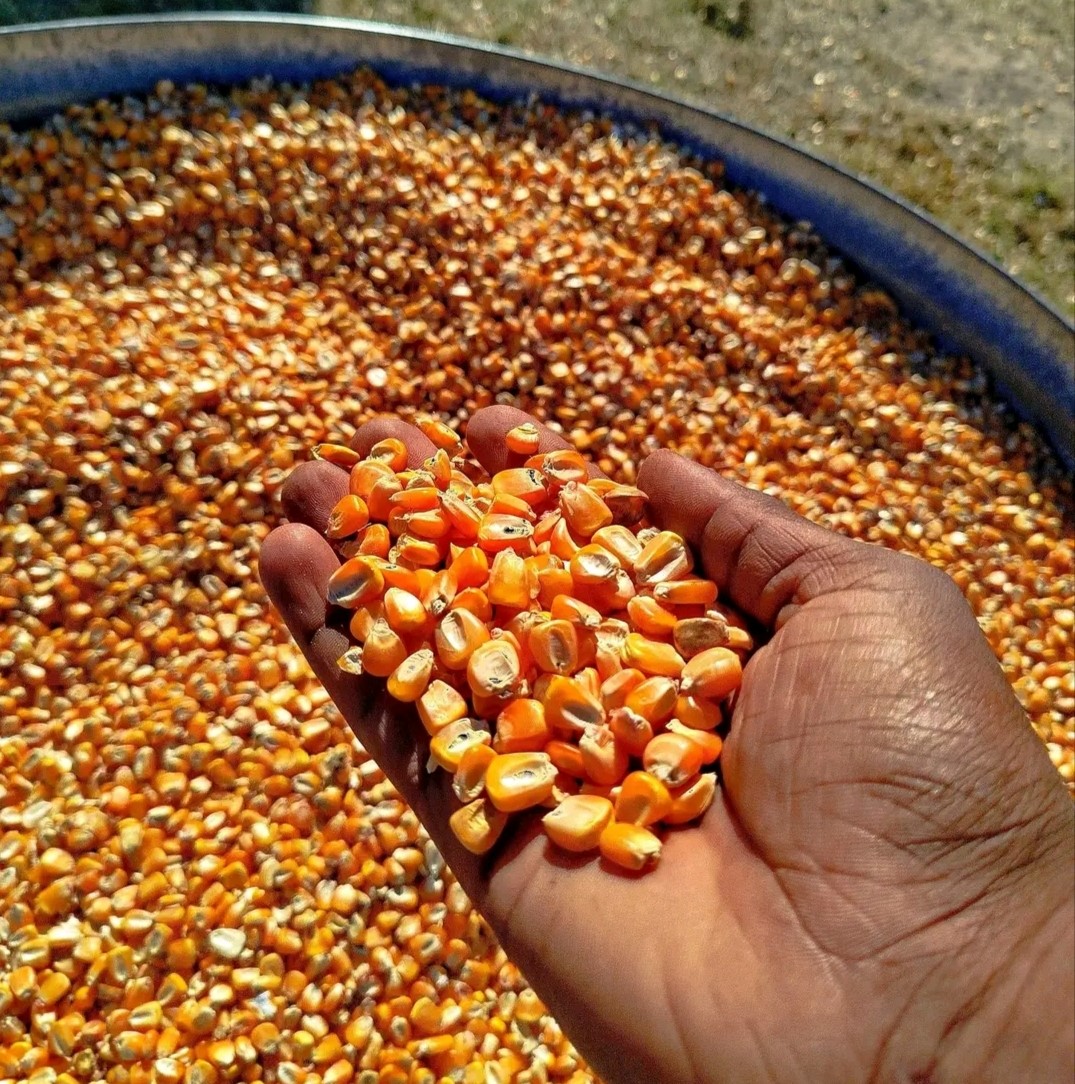
Applications open on 19 August 2026. Farmers will contribute E6,700 per hectare for maize, E6,700 for beans and E3,576 for sorghum. Half-hectare packages will cost E3,350 for maize or beans and E1,788 for sorghum.
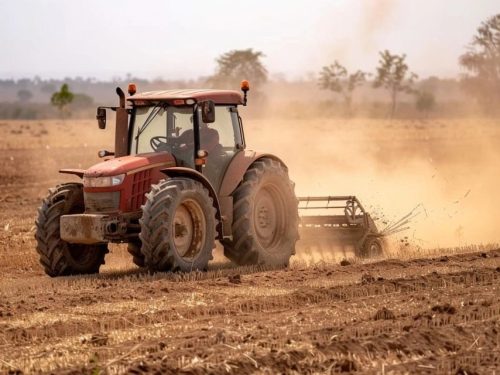
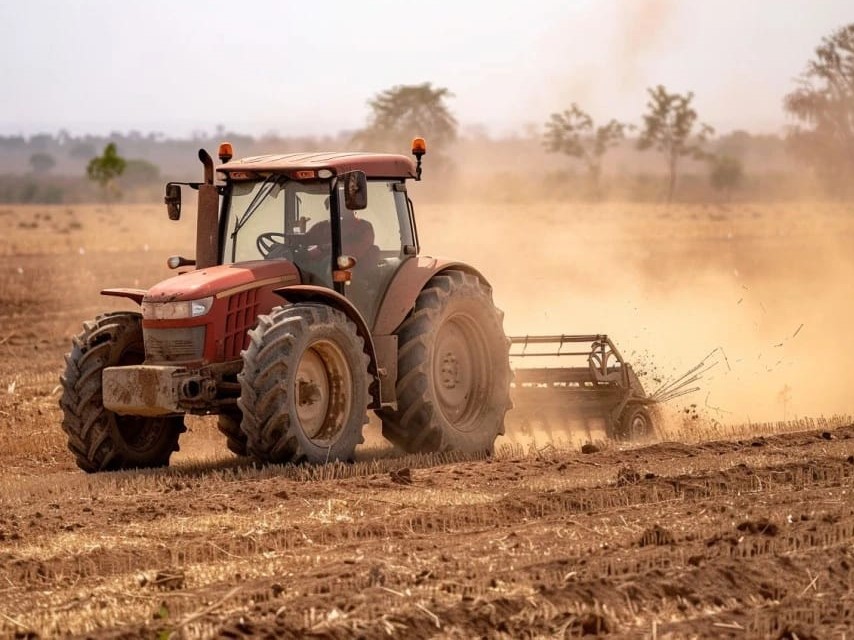
Subsidised tractor hire remains E400 per hour for the farmer, despite the full cost rising from E580 to E607.
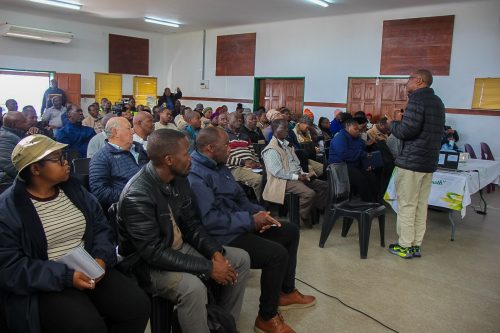
The changes matter because timing has repeatedly emerged as a weakness in the subsidy system. Earlier this year, farmers at LaMgabhi told Tshawuka that delayed inputs and tractors had resulted in missed planting windows and reduced their ability to farm commercially.
No more first come, first served
The subsidy will no longer operate simply on a first-come, first-served basis.
Farmers must register, undergo vetting and wait for confirmation from the National Maize Corporation (NMC) before paying. Those earning E12,000 or more per month will not qualify under the eligibility criteria announced by the Government.
NMC is introducing a mobile application to allow farmers to register and apply remotely, potentially reducing repeated journeys to Rural Development Areas.
The E65 million allocation is substantial, but it cannot finance every farmer. NMC CEO Velaphi Vilane has therefore encouraged producers capable of financing themselves to explore other options, leaving public support for those who need it most.
El Niño changes the equation
This season is not only about putting more hectares under crops. It is increasingly about how those hectares are farmed.
International forecasts point to a potentially powerful El Niño. The US Climate Prediction Center has put the probability of a very strong event at above 90%, while FAO has identified Southern Africa among regions where El Niño-linked agricultural drought requires early preparation.
Tshawuka has consequently urged farmers to adopt early planting, conservation agriculture, soil testing, moisture conservation, certified seed and integrated pest and disease management.
Some of that thinking has been reinforced by his recent agricultural tour of Zimbabwe, where conservation agriculture and drought preparedness featured prominently.
For the Highveld, where rainfall conditions traditionally provide greater cropping potential, the Minister wants farmers to think beyond subsistence production and increasingly farm commercially.
That is ultimately the bigger test of the E65 million programme. A subsidy can lower the cost of planting, but it cannot guarantee a harvest.
With El Niño approaching, timely tractors, correct soil preparation, drought-resilient production and commercially minded farmers may prove just as important as the money the government puts into the ground.