
BY: SIKHONA SIBANDZE | JOURNALIST
Manzini – Foot-and-Mouth Disease (FMD) has tightened its grip on the Manzini region, forcing the Ministry to reposition and expand disease-control checkpoints after new infections were reported around communities such as Hhelehhele and Ngculwini. The shift marks a clear escalation: what began as a controlled containment effort has now moved closer to major transport routes and high-traffic areas, raising the urgency for stricter compliance and faster vaccination coverage.
New checkpoints announced as disease reaches Manzini surroundings
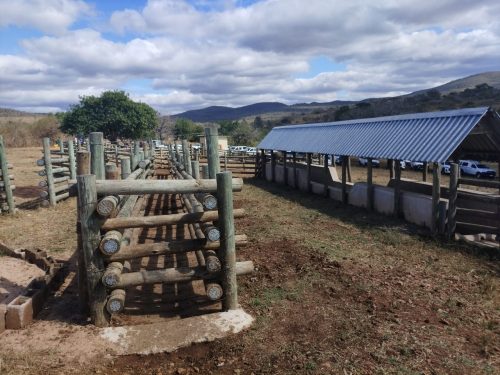
In a public notice, the Ministry of Agriculture (Eswatini) confirmed that new FMD checkpoints have been established at three locations:
- Manzini (Gum Tree area)
- Nhlambeni (MR9 Yithi Abantu Highway)
- Ngwane Park (Esidzakeni)
The Ministry said the new sites follow the relocation of earlier checkpoints, part of ongoing efforts to curb the spread of FMD and protect animal health and rural livelihoods. Motorists and the general public have been urged to drive with caution, cooperate with personnel on the ground, and comply fully with all instructions. The Ministry also acknowledged the inconvenience caused but stressed that these measures are necessary to contain the outbreak.
“Not meant to delay Emaswati” inspectors plead for compliance
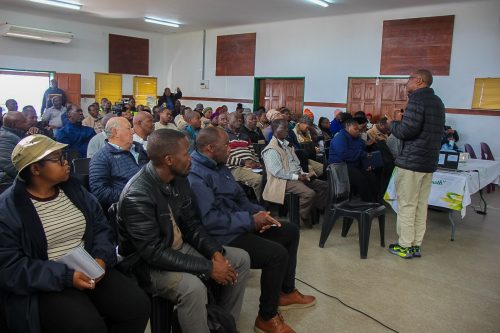
Speaking in an interview on Eswatini TV, Animal Health Inspector Sibonginkhosi Mdluli said the checkpoint exercise is not designed to delay or punish the public, but to cut transmission pathways that allow the disease to jump between areas. He appealed to the nation to cooperate with officers and obey all rules at the checkpoints, emphasizing that compliance is essential if the country is to slow the spread and protect livestock-dependent households.
Authorities have indicated that the checkpoint network has been adjusted as the outbreak’s footprint changes. While earlier control points were positioned along previous corridors, including routes associated with areas such as Mkhuzweni and Mbadlane, new infections around the Manzini surroundings have pushed the containment line outward, bringing monitoring closer to Hhelehhele, Nhlambeni and Ngwane Park.
Why the new checkpoints matter
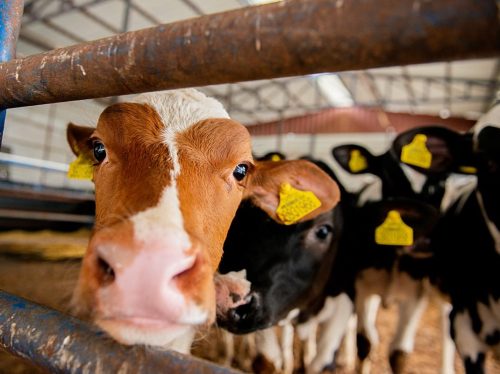
FMD is highly contagious among cloven-hoofed animals such as cattle, goats and pigs. Once it enters a new zone, it can spread quickly through animal movement, shared grazing spaces, informal trade routes, and contaminated equipment or vehicles. By repositioning checkpoints near major roads and busy entry points, the Ministry is aiming to reduce the risk of infected animals being transported, and to discourage the informal movement patterns that often accelerate outbreaks.
For farmers and rural economies, the implications are severe. Beyond animal health, FMD disrupts livestock markets, reduces household income, and threatens broader value chains, from abattoirs and butchery supply to communal cattle sales and cultural livestock use. That is why the Ministry is urging the public to treat checkpoint controls as a national protection measure rather than an inconvenience.
Vaccination push depends on Botswana supply
A major part of the containment plan is mass vaccination, but the rollout is currently constrained by vaccine supply. Principal Secretary from the Ministry of Agriculture, Sydney Simelane said mass vaccination is expected to begin as soon as vaccine stocks arrive from Botswana, noting that the vaccine is sourced there. He explained that production delays have been linked to factory maintenance and servicing, and that demand is high because multiple countries in the SADC region rely on the same supply source.
He added that the Ministry has formally appealed for Eswatini to be prioritised as soon as manufacturing resumes, given the growing risk posed by the disease’s spread into new areas.
Progress so far, but the gap remains wide
The Ministry estimates the national cattle herd at more than 600,000. To date, over 100,000 cattle have reportedly been vaccinated, an important start, but still a fraction of what will be needed to build a strong national shield against the outbreak.
With the disease now pressing into the Manzini region, pressure is mounting to accelerate coverage, tighten movement control, and ensure that farmers and livestock owners cooperate with veterinary directives. Officials have signalled that the combination of targeted checkpoints and a scaled vaccination campaign remains the country’s best path to restoring control, preventing further spread, and protecting livelihoods tied to cattle and other livestock.
What the public is being asked to do
The Ministry’s message is direct: slow down near checkpoints, follow instructions, and avoid actions that increase animal movement risk. For livestock owners, this also means cooperating with animal health teams, respecting movement advisories, and prioritising vaccination as soon as mass rollout begins. As the outbreak shifts into the country’s high-activity corridors, the success of containment will depend not only on enforcement, but on public discipline and a faster vaccine pipeline.