
BY PHESHEYA KUNENE - EDITOR
MANZINI - With over E100 000 in prizes on the table, the Woman Farmer Foundation has opened applications for the 2026 Woman Farmer of the Year Competition, marking the 19th edition of one of Eswatini’s most enduring agricultural development platforms.
This is not a pageant. It is a pipeline.
Since 2007, the competition has identified women farming on Swazi Nation Land and pushed them beyond subsistence. The goal is scale. The outcome is sustainability.
According to Woman Farmer Foundation Communications Officer Sebenele Zwane, the 2026 edition sharpens its focus on productivity, resilience and market access.
“The competition is about growth, not applause,” Zwane said.
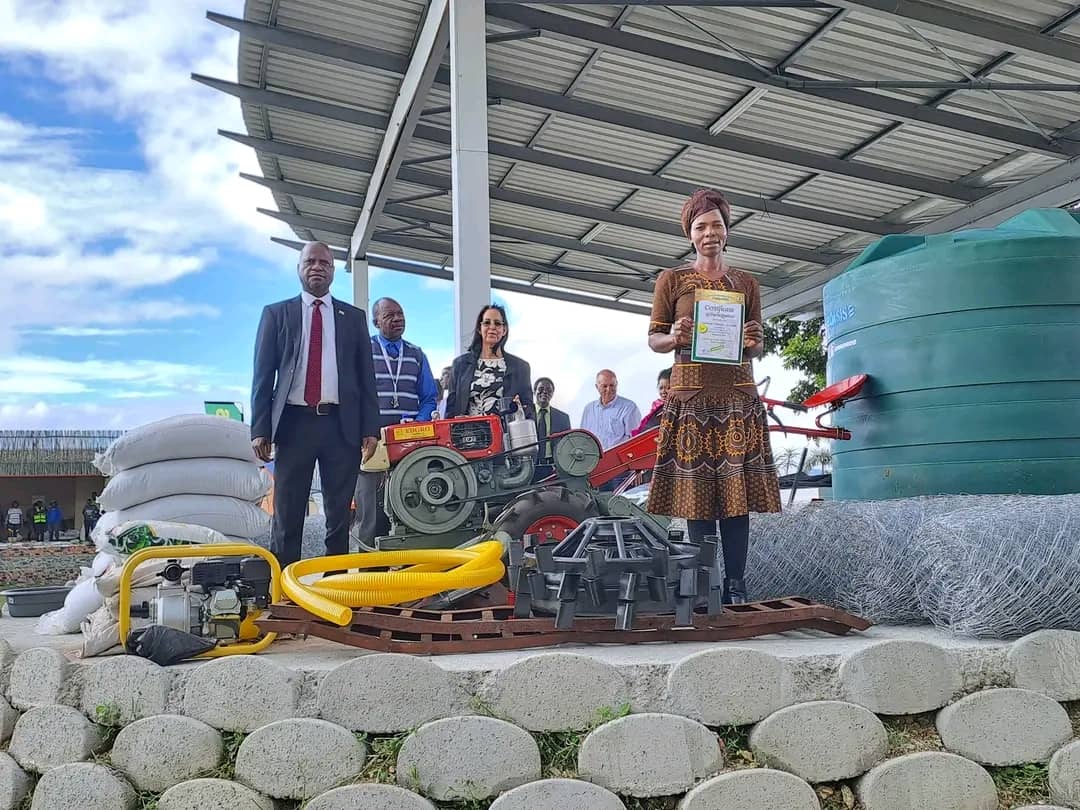
The headline prize, valued at over E100,000, signals a shift from symbolic recognition to practical empowerment. Winners receive tools that work. Equipment. Inputs. Cash. Technology. Support that lasts beyond the awards night.
Past editions prove the point.
The competition runs under two categories, Adult and Youth. The structure, introduced in 2017, reflects the unequal terrain women farmers navigate.
Youth applicants must be aged 18 to 35. The Adult Category is open to any Swazi woman farming on SNL.
The distinction is deliberate. Access to land, capital and labour is not equal. The competition responds accordingly.
Eligibility is clear. Applicants must be women farming on Swazi Nation Land, involved in crop or livestock production, in possession of a Swazi ID, and active for at least one year.
Farmers producing sugarcane or cultivating more than 20 hectares are excluded. They belong in other competitions. This one is built for emerging growth.
Access has been widened. Application forms are available at all Rural Development Areas, Agricultural Regional Offices in Piggs Peak, Nhlangano, Siteki and Manzini, Khuba Traders branches in Siphofaneni, Mbabane and Manzini, Manzini SAS, the National Maize Corporation in Matsapha, NAMBoard in Encabeni, ESNAU offices in Manzini, ENYC in Manzini, Farm Chemicals in Malkerns, and through NAMBoard Regional Marketing Extension Officers.
An online application platform is also live, expanding reach to digitally connected farmers and young agripreneurs.
The 2025 edition confirmed the model works.
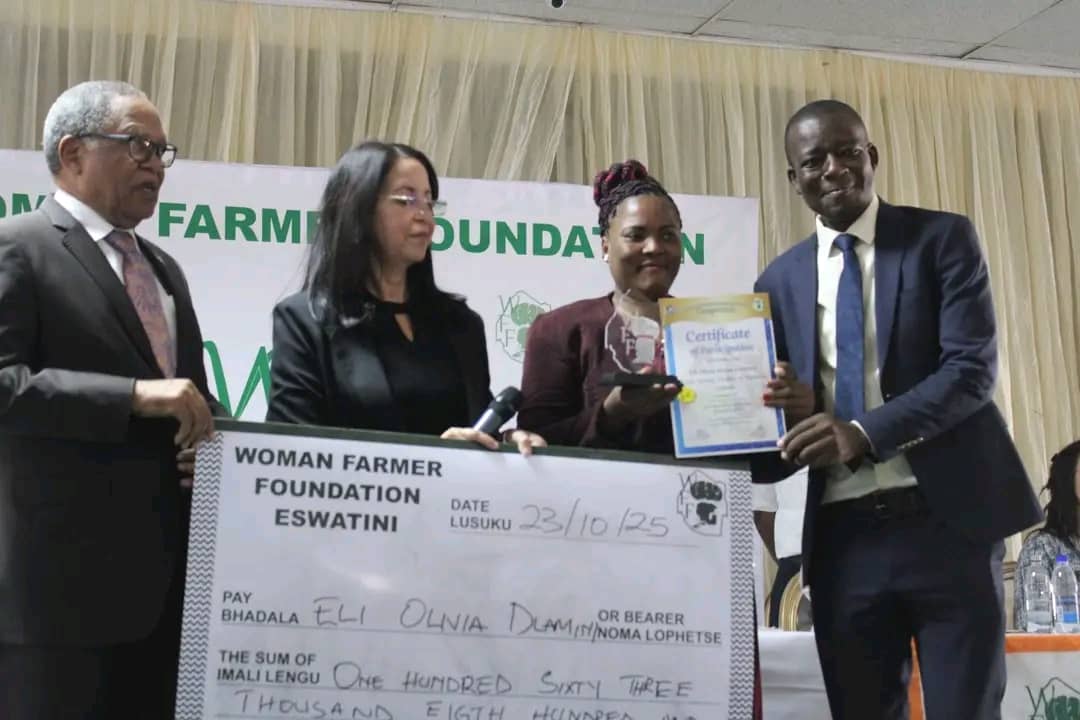
Boniswa Dlamini-Malaza, a youth winner from Phophonyane, stood out for vegetable and baby vegetable production. Eli Olivia Dlamini from Lubombo’s Mpolonjeni constituency claimed the adult title, walking away with prizes valued at E163,840 for excellence in livestock and crop farming.
These were not exceptions. They were outcomes.
As climate pressure, rising input costs and unemployment tighten their grip, the competition positions agriculture as an economic answer, not a fallback option.
For women farming quietly across Swazi Nation Land, the signal is clear.
Excellence will be seen. Growth will be backed. And success will be funded.