
BY PHESHEYA KUNENE | EDITOR
MANZINI – Frustration spilled into the open in Manzini this week as farmers accused the National Marketing and Agricultural Board (Namboard) of failing to collect produce on time—delays they say are deepening losses as vegetables rot in fields and storerooms.
The concerns were raised during a meeting at Liberty Centre on Tuesday, 30 December, where members of multipurpose cooperatives and individual growers described a collection system they said is buckling under poor logistics, weak communication and persistent delays, worsened by ongoing rains.
Farmers told the meeting that timely harvesting has become an exercise in futility, with produce often left uncollected for days and, in some cases, weeks. With rainfall accelerating spoilage, growers said they are watching entire seasons of hard work turn into waste.
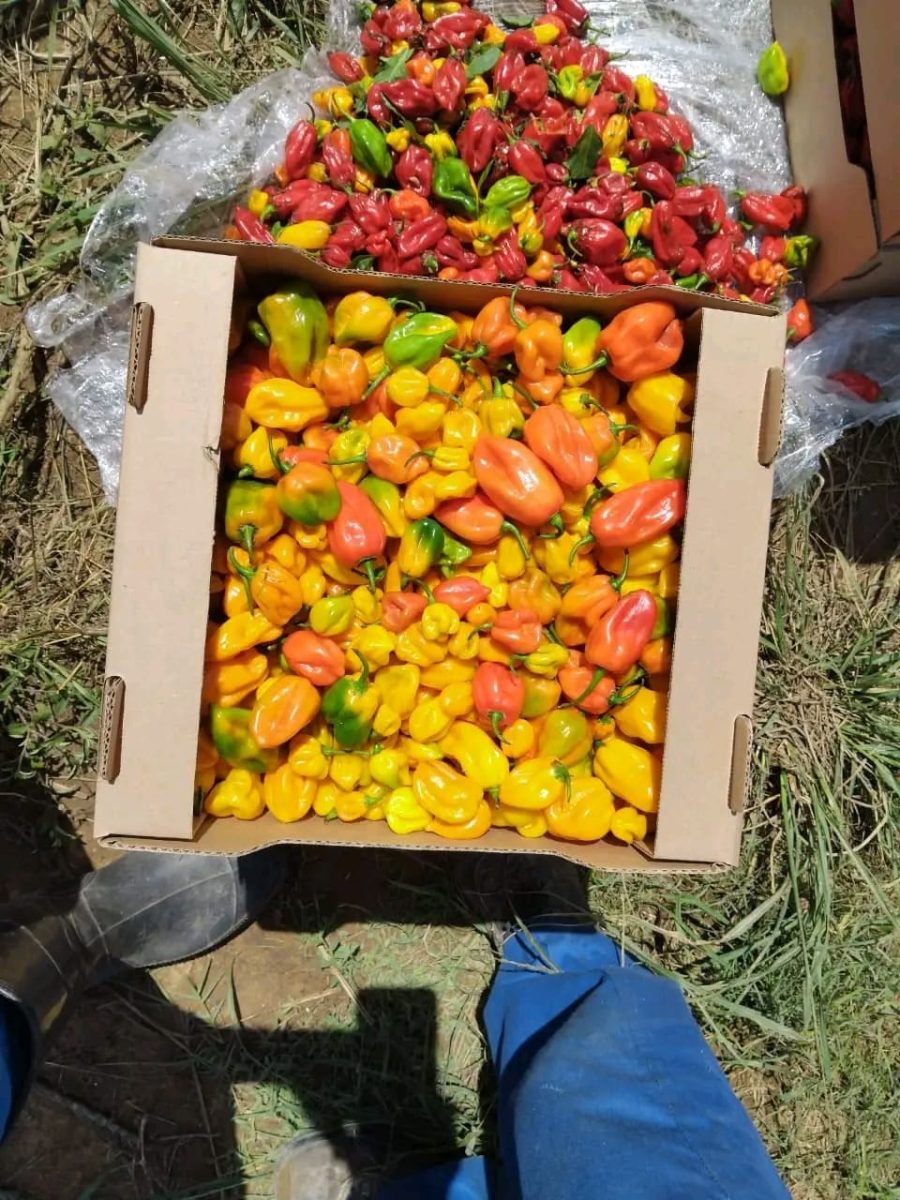
One farmer, Wendy Dupont, from Malindza area in the Lubombo Region, said she lost 26 crates of green peppers harvested the previous day after Namboard failed to collect them on time. The peppers, she explained, could not withstand prolonged storage in wet conditions, leaving her with no option but to absorb the loss.
Another grower, Dumsile Kunene Sukati of Luve, alleged that Namboard officers once collected her produce without issuing proper documentation, only for it to be rejected later on the grounds that it was muddy. She said the produce was in the process of being cleaned when it was collected, but was taken prematurely and later declined.
From Mankayane, farmer Dumsile Mkhonta urged Namboard to rethink how it handles rejected produce, suggesting that overgrown baby vegetables could be processed into canned products or other value-added goods instead of being discarded. She said innovation of this kind would cushion farmers against losses while reducing food waste.
Several farmers complained of erratic collection schedules and poor communication, saying they were often left in the dark about delays or operational challenges. Some reported waiting up to three weeks for collection—an interval they described as economically devastating for perishable crops.
A chairperson of a women-led multipurpose cooperative, who asked not to be named, said her group had lost more than E20,000 due to uncollected produce. While acknowledging Namboard’s mandate and past support, she said farmers expected a more responsive and reliable service.
Namboard cites fleet constraints
When contacted for comment, Namboard Communications Officer Lwandile Maseko acknowledged that the organisation is facing serious logistical constraints. She said several trucks had been involved in road accidents and were declared beyond repair, while others were undergoing servicing—leaving Namboard with a limited fleet to serve more than 1,000 farmers nationwide.
Maseko said Namboard is responsible for collecting produce from farms and distributing it to supermarkets across the country, a task made more difficult by the shortage of operational vehicles and the dispersed location of some farmers in remote areas.
As an interim measure, she urged farmers to deliver produce directly to Namboard packhouses, noting that the board compensates farmers for transport costs when they self-deliver. She said Namboard operates packhouses in all regions and is reviewing compensation rates to better support farmers who take this route.
She added that Namboard sometimes outsources transport services and is in the process of procuring new trucks, though government procurement procedures can take time. Maseko appealed for patience, saying the board is aware of farmers’ frustrations and is working to stabilise its operations.
Maseko also encouraged farmers to approach agriculture as a business by budgeting for transport and maintaining operating reserves, assuring them that qualifying delivery costs would be reimbursed. She said Namboard continues to conduct roadshows to educate farmers on market requirements and operational expectations.