
BY PHESHEYA IAN KUNENE
MANZINI – Eswatini farmers are set to reap big from the newly launched Border Modernisation Project, a national initiative aimed at improving trade efficiency and boosting agricultural exports.
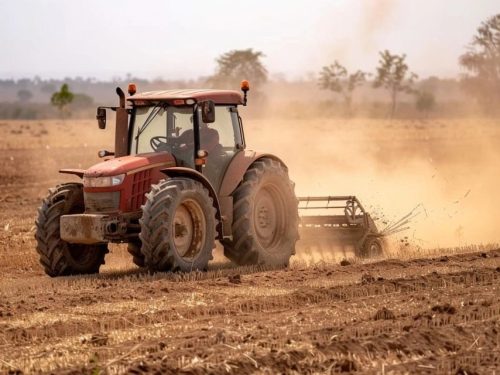
As the ploughs roll out and the summer rains set in, farmers are not just sowing seeds, they’re planting hope in a future where their produce reaches markets far beyond the Kingdom’s borders.
That hope has been reignited by the Eswatini Border Modernisation Project, a national initiative launched this week to open new trade routes and simplify export processes for local producers.
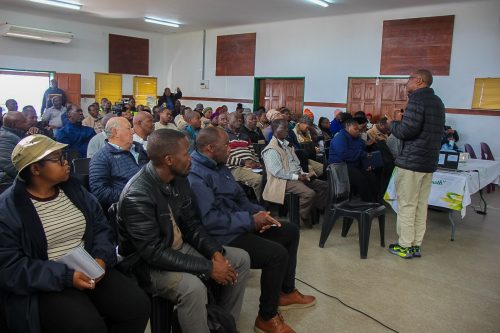
The Eswatini National Trade Facilitation Committee (NTFC), working under the Eswatini Revenue Service (ERS), hosted the in-country workshop in partnership with the World Customs Organization (WCO) and the UK’s His Majesty’s Revenue and Customs (HMRC).
The project aims to modernise border management, cut red tape, and fast-track agricultural exports under the Accelerate Trade Facilitation Programme.
NEW OPPORTUNITIES FOR LOCAL FARMERS
For Eswatini’s farmers, the timing couldn’t be better. With the farming season in full swing, this initiative promises smoother logistics, faster clearance at borders, and fairer market access, all crucial for a sector that feeds the nation and drives rural livelihoods.
Vusi Matsebula, founder of Turn It Around, a farming group led by people living with HIV, said the new system could be a game changer.
“When trade systems work, farmers win,” he said.
“We’ve been producing organic vegetables for years, but reaching new markets has been tough. With efficient borders, we can grow, sell, and empower more people.”
His organisation, supported by TAVI, has become a model of resilience, blending community farming with health empowerment and sustainable agriculture.
FROM DVOKOLWAKO TO THE WORLD
Former Minister and MP Lutfo Dlamini, who chairs the Philani Maswati Charity Organization, said border improvements would connect smallholder farmers with commercial buyers and international retailers.
“This project came at the right time. At Philani Maswati, we already have the infrastructure, greenhouses, irrigation, and land. What we’ve been missing is a faster way to get our produce to market,” Dlamini said.
The Dvokolwako-based charity farm, supported by KFC Eswatini, grows maize, vegetables, and peppers for both charity and commerce. KFC has donated a high-tech water pump and plans to fund another greenhouse. Soon, the farm’s crops will be supplied to Pick n Pay and other stores under the African Alliance Group, proof that local farming is growing from charity to commercial strength.
GIVING FARMERS A FIGHTING CHANCE
In Piggs Peak, bean farmer Mandla Masuku said the border project will give small farmers a voice in regional trade.
“We’ve been farming in the hills for years, but we’ve never had access to big markets. This gives us hope that one day our beans will travel beyond Eswatini,” he said.
ERS Commissioner of Customs & Excise Gugu Mahlinza noted that the reform was part of a national strategy to make trade more efficient while keeping food and public safety top priorities.
“The efficiency of our borders is a matter of national interest,” she said.
“This framework ensures that all agencies work together, making it easier for compliant traders and farmers to move their produce while protecting national security.”
A NEW SEASON FOR AGRICULTURE
The Border Modernisation Project is expected to complement ongoing agricultural initiatives such as STOSAR II and Hand-in-Hand Eswatini, which focus on improving productivity, sustainability, and market competitiveness.
Eswatini’s farming industry is on an upward trajectory, with new technologies, youth-led agribusiness ventures, and more produce being grown locally than ever before.
As Matsebula put it with a hopeful grin:
“We’ve survived droughts, pests, and markets that ignored us. But now, with new systems and smarter farming, the harvest ahead looks bigger, and brighter, than ever.”