
BY PHESHEYA KUNENE
MANZINI — Eswatini’s agrifood system is deeply unequal and underperforming — and that blunt diagnosis is now shaping the country’s next five years of FAO-supported work.
In the FAO Country Programming Framework (CPF) 2026–2030, it is acknowledged that smallholder farmers sustain most rural livelihoods, yet productivity remains low and climate shocks keep pushing households backwards. The document points to cereal yields of about 1.0–1.1 tonnes per hectare, far below potential, and a system that repeatedly leans on imports when local production falls short.
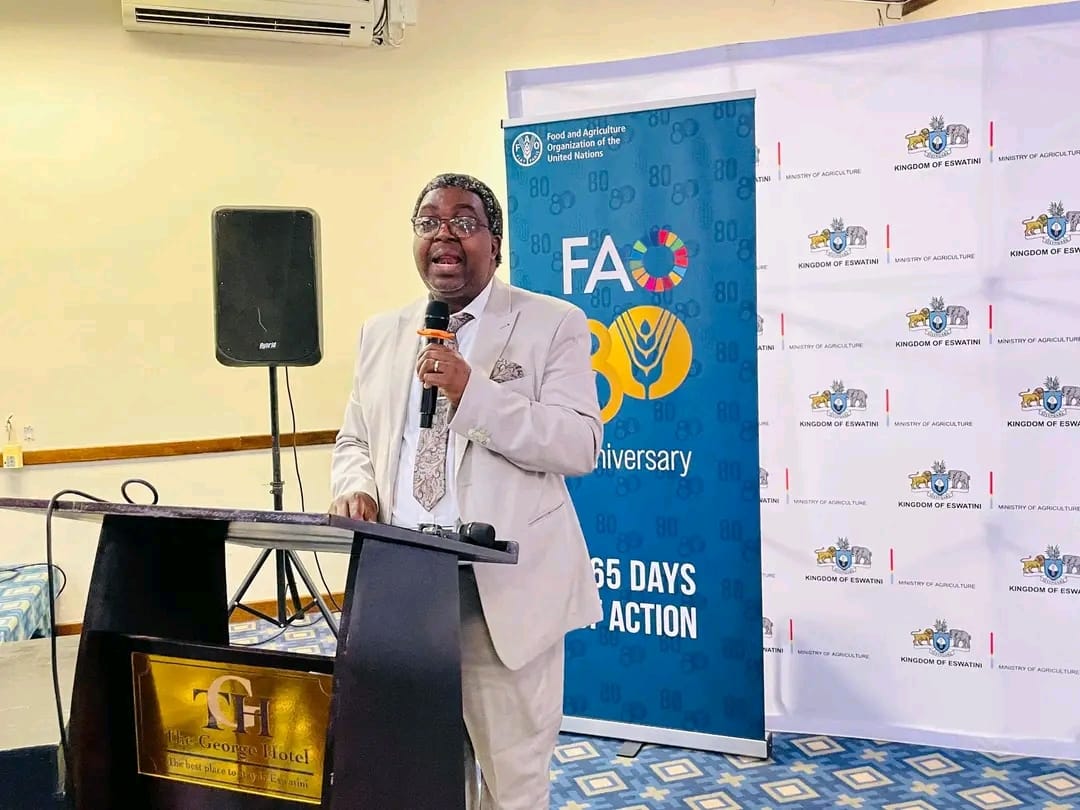
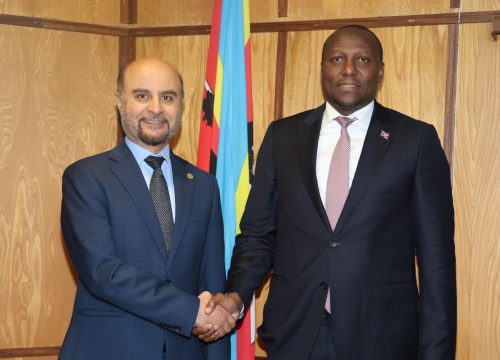
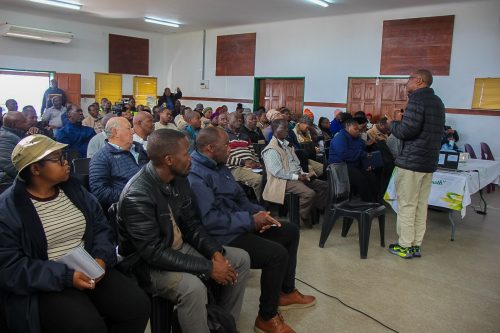
The Ministry of Agriculture says the plan must not stay at policy level. Opening the CPF validation workshop at George Hotel on 2 March 2026, the Ministry’s Principal Secretary told stakeholders that FAO’s support has been “instrumental” in strengthening national efforts to build resilient agricultural systems and sustainable rural livelihoods. He said food security and export ambitions will only be realised through partnerships and systems that actually work for farmers.
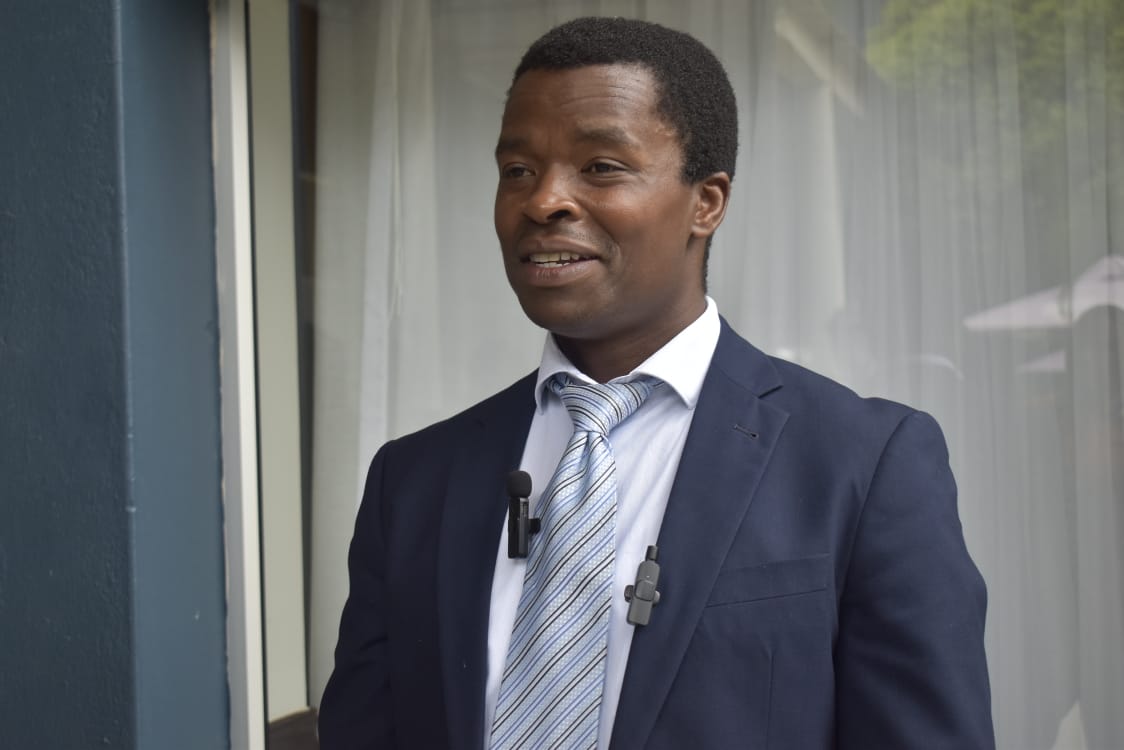
FAO’s Assistant Representative Howard Mbuyisa struck a similar tone, insisting the CPF must move from paper to action. “The framework was designed to move beyond paperwork into real impact,” he told delegates, saying the plan aims to align funding, technical support and implementation so farmers “see tangible results on the ground.”
The money and the gap
The CPF estimates a five-year envelope of US$27.3 million. Using the USD/SZL rate for 4 March 2026 (16.3607), that equals about E446.6 million. It says US$13.0 million is confirmed, while US$14.2 million still needs to be mobilised — about E232.3 million.
That funding gap matters because inequality in agriculture is often a “reach problem”: support arrives for a few areas or a few value chains, while the rest of the country watches from the sidelines.
What farmers are meant to feel, not just hear
The CPF’s promise, in plain language, is to fix the things around farmers that determine whether farming pays: advice, water, standards, and market access. It prioritises better extension and information systems, stronger food safety and standards support, and practical climate and disaster preparedness.
If standards and food safety support improve, small producers can access better-paying buyers. If early warning and climate support improves, farmers lose fewer crops and recover faster after droughts and floods. If advisory services improve, farmers stop relying on trial-and-error that costs money every season.
FAO’s track record: big numbers, real lessons
FAO has been in this space before, and the history offers both hope and a warning.
One of the most concrete examples is the Swaziland Agricultural Development Programme (SADP), set up in 2009 with €14.2 million from the EU and €341,000 from FAO. FAO documents say SADP reached over 20,000 farmers.
SADP’s biggest lesson is that scale is possible — tens of thousands can be reached — but only when programmes are built for rollout, not for pilot publicity.
FAO’s record also includes crisis response. A documented FAO project aimed to support 2,500 of the most vulnerable households affected by drought through emergency assistance, helping families recover enough to keep producing.
More recently, FAO and the Ministry launched an Irrigation Master Plan in 2025, aimed at guiding water planning and attracting investment in irrigation to support smallholders, including through partnerships that can unlock development at scale.
The real test: closing the “two-speed” gap
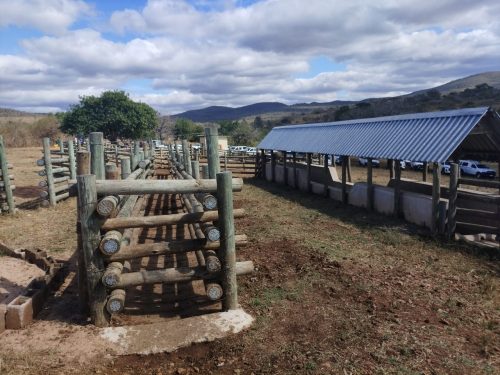
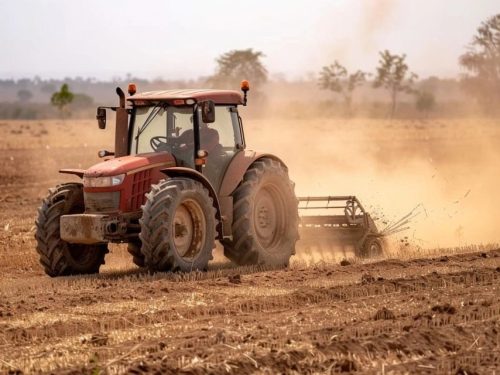
Independent reviews have warned that Eswatini must integrate smallholders more effectively and improve efficiency — because the current model is too expensive and too fragile for a climate-stressed future. That is the heart of the inequality problem: some farmers have water, markets, machinery and reliable support; others are left with risky rain-fed production and weak links to value chains.
The CPF now claims it is designed to tackle that imbalance. The Ministry’s message is that partnerships must strengthen livelihoods and resilience. FAO, through Mbuyisa, says the framework must deliver “tangible results.”
For farmers, the verdict will be straightforward. If the plan improves extension reach, unlocks irrigation investment, opens markets through better standards support, and reduces climate losses, it will be remembered as a turning point. If not, it will be filed away with other plans — while inequality stays planted in the soil.