
BY PHESHEYA KUNENE
MANZINI – More than 18 000 cattle have already been vaccinated nationwide as Eswatini steps up its battle against Foot and Mouth Disease (FMD), with over 800 cattle treated in a single morning at Mgubhane Dip Tank in the Manzini Region.
The livestock mass vaccination programme, launched last week by the Ministry of Agriculture, is racing against time to contain an outbreak threatening the Kingdom’s estimated herd of over 600 000 cattle.
On the Ground Progress
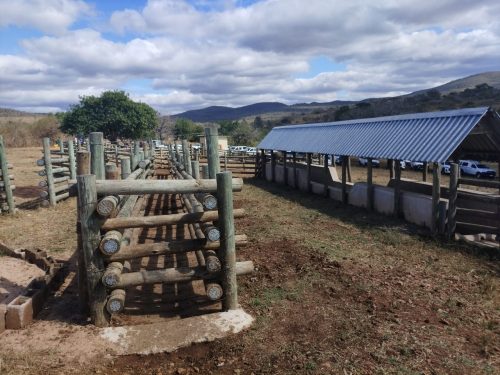
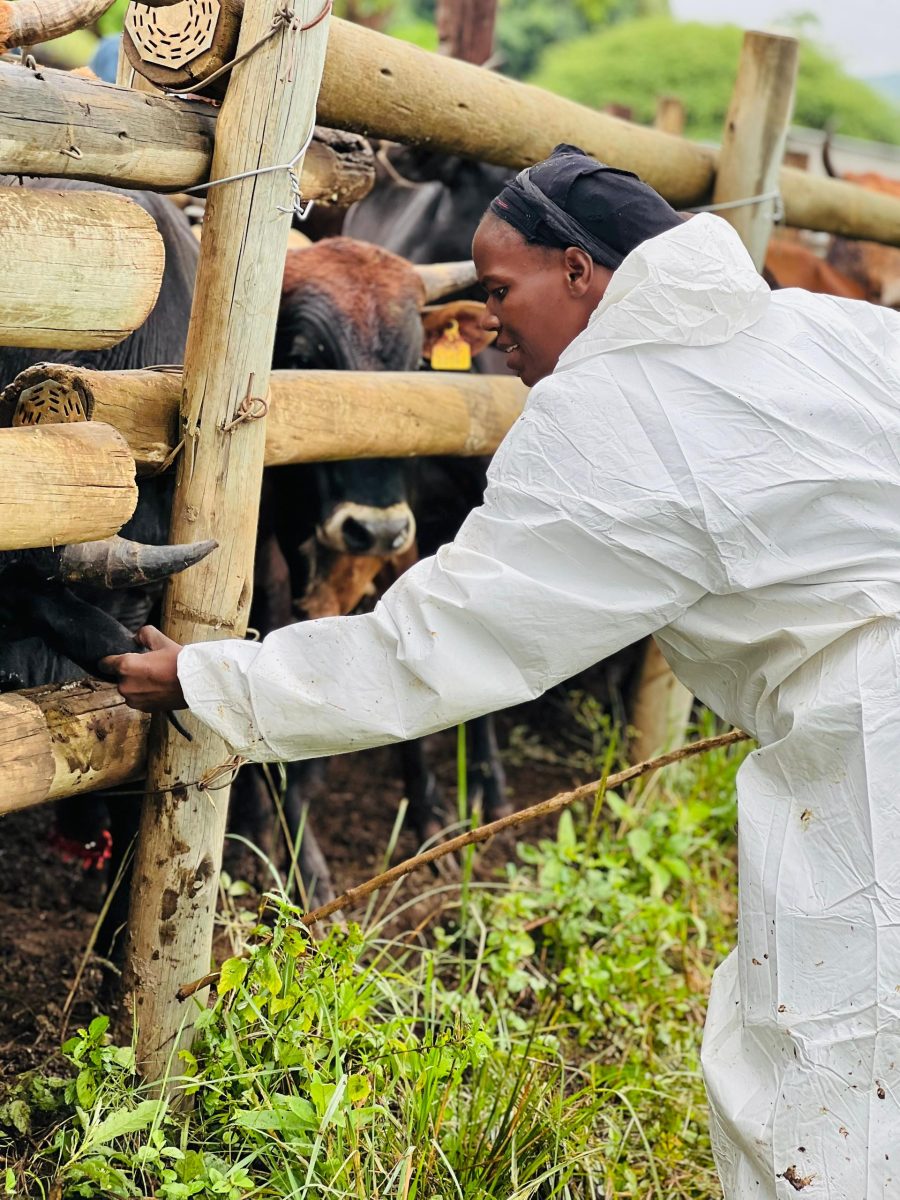
Veterinary expert Dr Pride Shongwe confirmed that despite heavy rain on Wednesday morning, teams pushed forward at Mgubhane near Gundvwini, vaccinating more than 800 cattle.
“We are moving systematically from dip tank to dip tank to vaccinate, register, and brand cattle to prevent further spread,” she said.
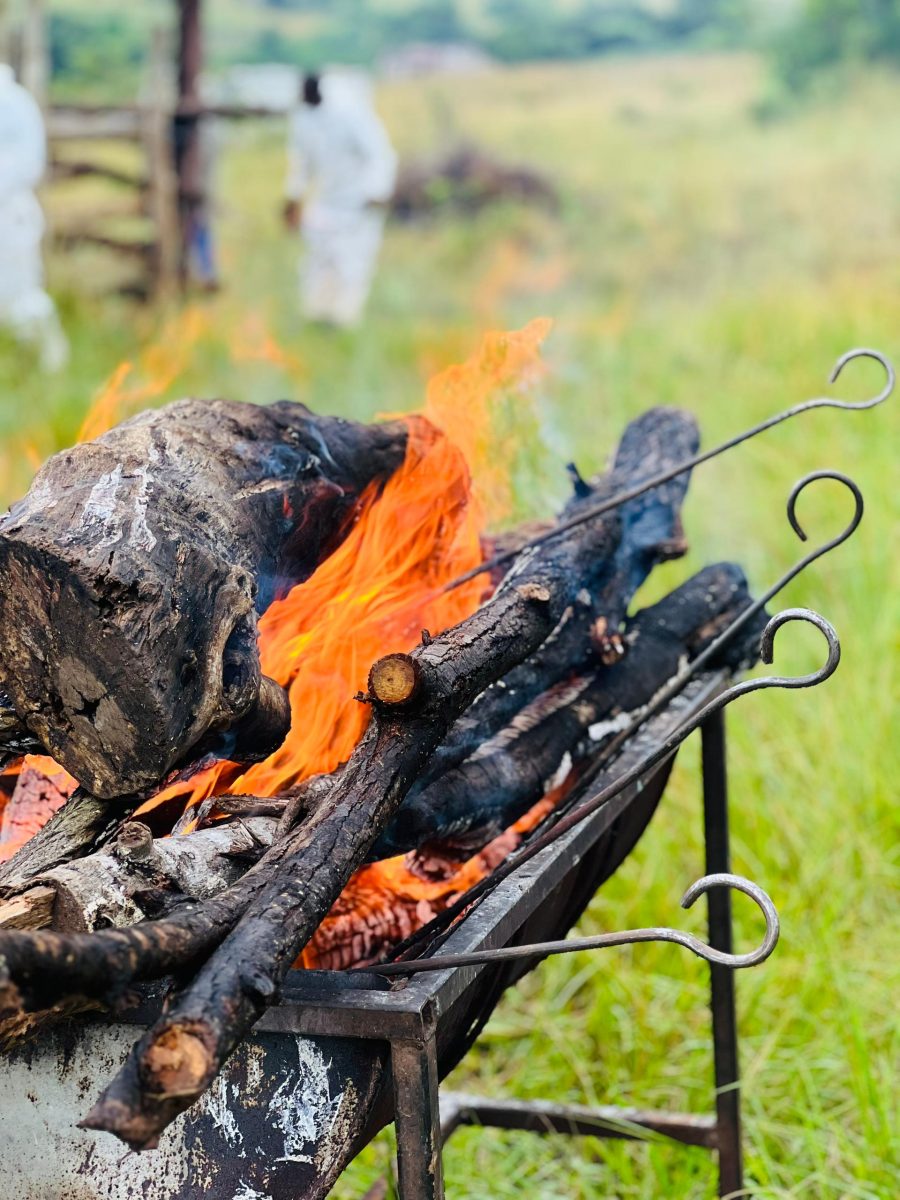
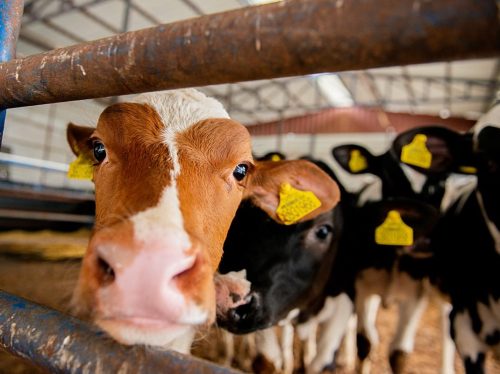
Each vaccinated animal is recorded using its ear tag identification number before being marked with a heated brand for traceability.
Dr Thembi Ndlangamandla, the national FMD focal person, confirmed that seven teams were deployed last week, covering Hhohho, Shiselweni, Lubombo, and Manzini regions.
“Two teams each worked in Hhohho, Shiselweni, and Lubombo, and one team covered the Manzini region,” she explained.
This week, at least nine teams are deployed as the mass vaccination programme intensifies. Ndlangamandla said she was happy with the progress but warned that achieving the four-month containment target depends on vaccine availability.
“Our vaccines are specially made from scratch for Eswatini by a Botswana expert team. The disease is dynamic and sometimes requires new vaccines, which can take up to six weeks,” she said.
Weather conditions also affect operations. “Heavy rain makes it difficult to vaccinate and brand cattle,” Ndlangamandla added.
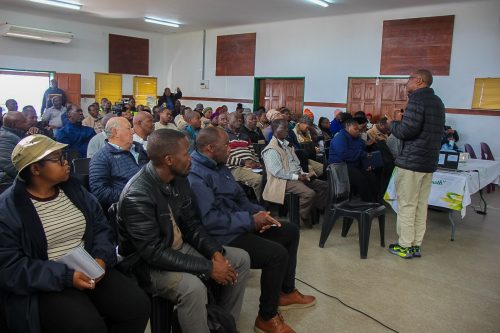
She urged farmers to cooperate, care for their livestock, and strictly follow precautions. She is on her way to Maphalaleni to educate farmers about protecting livestock during this critical period.
By the end of this week, she expects the programme to surpass the 20 000-cattle mark, with all records consolidated on Friday.
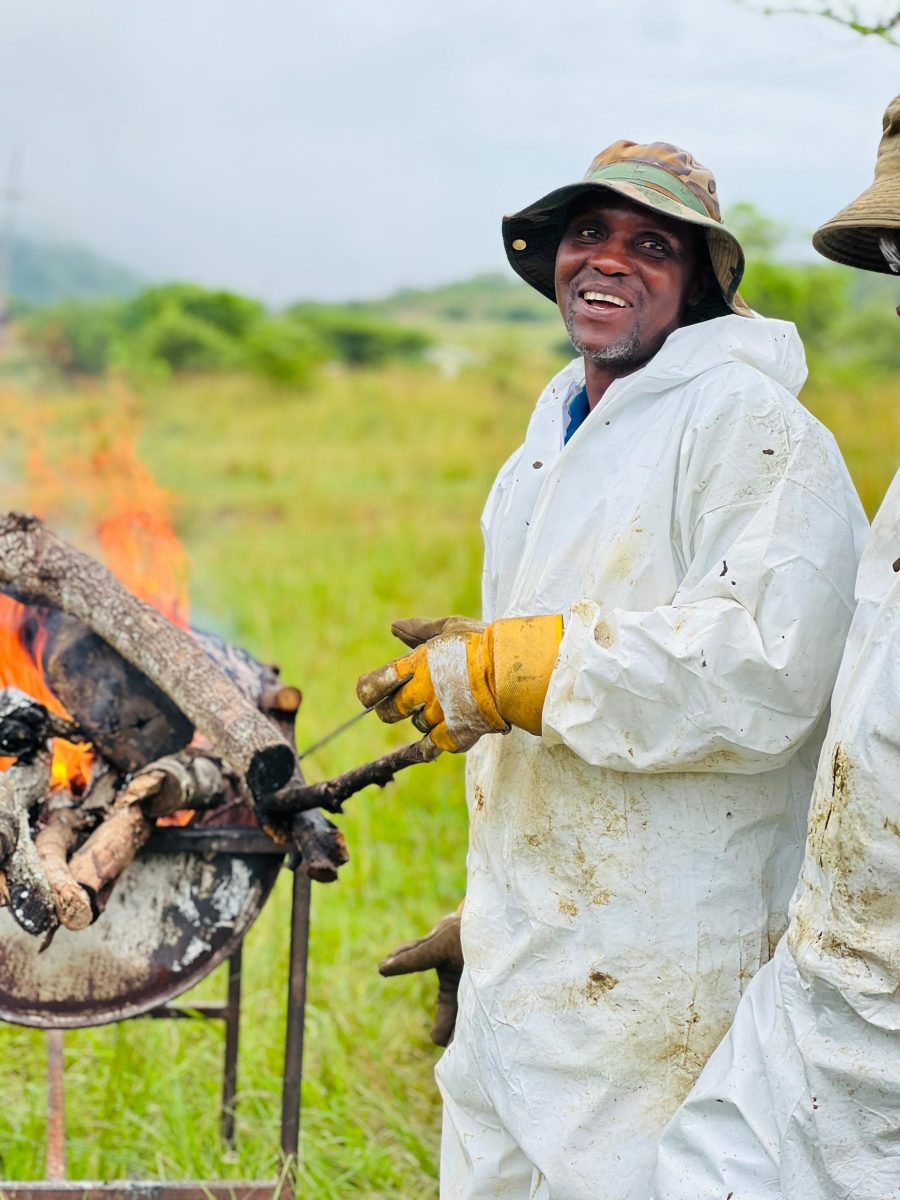
Mass Campaign Expands Nationwide
Following confirmed outbreaks, vaccination efforts are in full swing in the Lubombo, Manzini, and Hhohho regions.
Initial rollout areas included Lavumisa and surrounding communities. Key dip tanks scheduled for vaccination include Henwood, Mzinsango, Msila, Skemerskraal, Msuzaneni, Makhava, Dabe, Mdumela, Ntuthwakazi, and Mcuba Dip Tank under Mayiwane constituency. Affected localities include Ndlamanzi, Siphofaneni, Bhodlongo, Vikizijula, Nhlangano, Mhlamanti, Croydon, Busiti, Mncweba, Manzana, Mabiya, Mphameni, and Mbuzi.
For the inaugural week of March, vaccinations are scheduled at Gabela, Magidza, Dlovunga, Phuhlaphi, Mpolonja, Nhlambeni, and Sigombeni, extending to Gawababa, Lamatimbane, Godogodo, Ndlela, Mbanjane, Makhateni, Mdlebeni, Mahlabane, Ntima, Mahamba, Spitzkop, Dvumbe, Kholwane, Nyakeni, Fyves, Masakasaka, Zibondeni, Nhlangano, Pienaar, Bhonyongo, and Nyakeni.
Authorities confirmed that trivalent SAT vaccines are being administered to counter circulating virus strains.
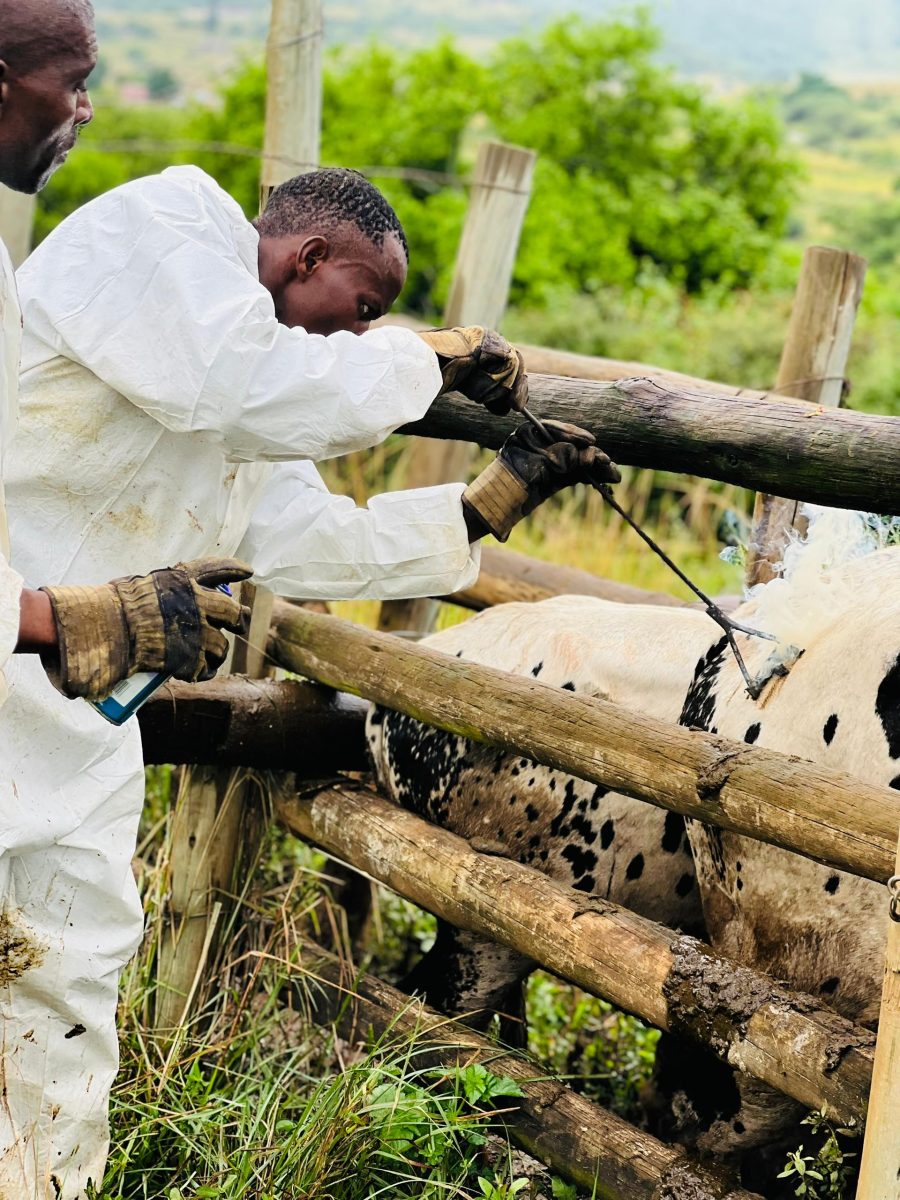
Farmers Urged to Cooperate
Dr Ndlangamandla also reminded farmers to bring cattle early to dip tanks, comply with quarantine rules, and cooperate with veterinary teams. Containment measures may remain in place for 12 to 24 months depending on outbreak stabilization.
Parliamentary Support & Operational Push
The operation follows Parliament’s approval of an additional E57 million, boosting the total FMD programme budget to E90 million.
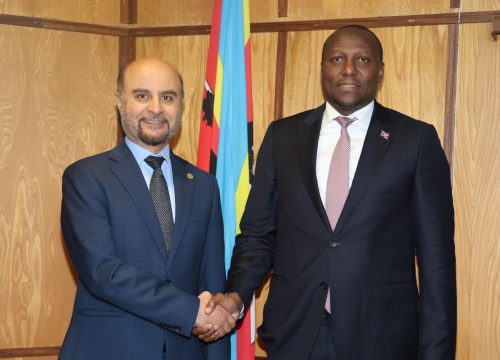
Minister of Agriculture Mandla Tshawuka emphasised the urgency of the campaign, revealing that even his own herd had been affected. He stressed that mass vaccination is essential to contain outbreaks and restore epidemiological stability, warning that success depends on full public cooperation.
Tshawuka also issued a stern warning against illegal movement of livestock and meat, which has contributed to spreading FMD in the Manzini Region. The Ministry is working closely with regional authorities to enforce compliance and curb transmission.
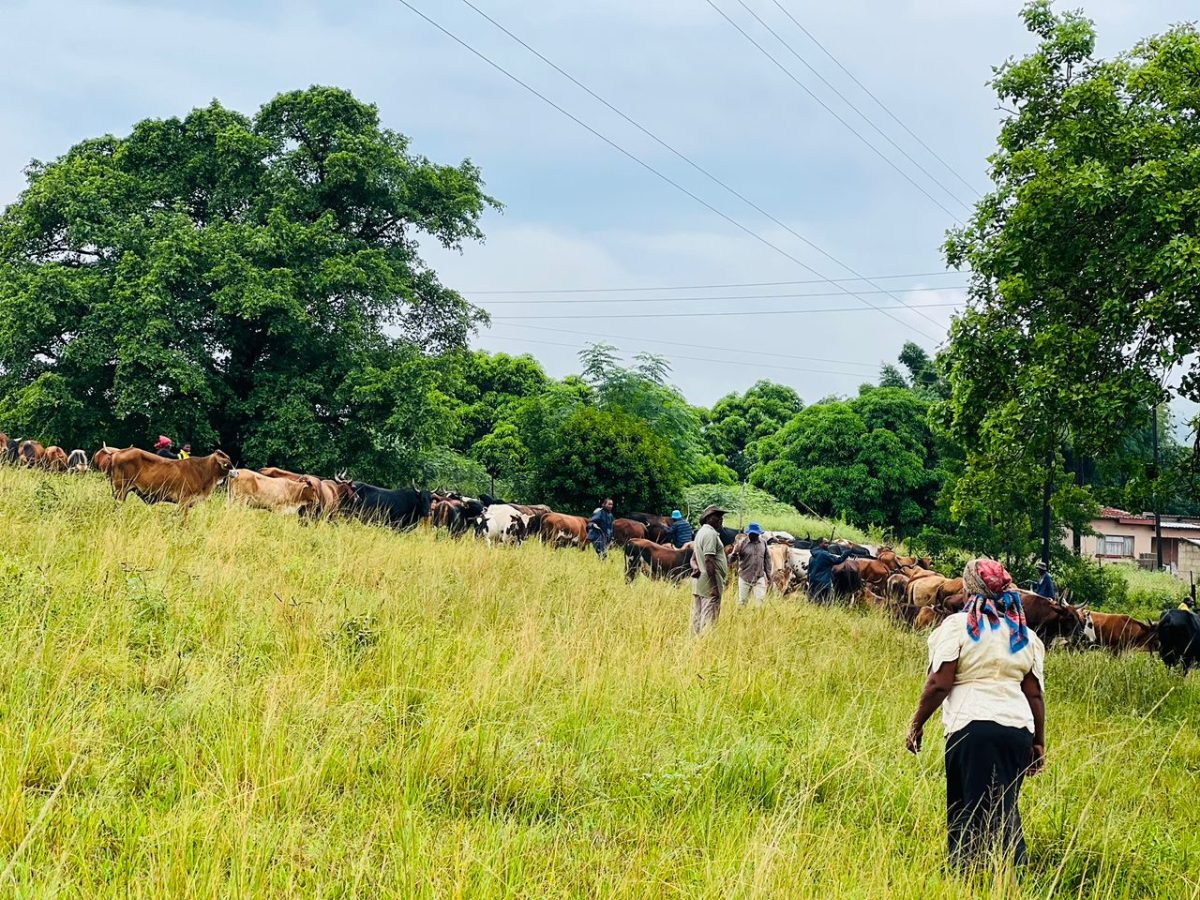
High Stakes for Eswatini’s Livestock Economy
With agriculture sustaining nearly 70 percent of rural households, and cattle forming a cornerstone of food security, culture, and income generation, the stakes are high.
Movement controls, surveillance, branding, and vaccination now form the backbone of Eswatini’s FMD containment strategy.
As veterinary teams move from dip tank to dip tank, rain or shine, one message is clear: this is a nationwide safeguard to protect herds, secure livelihoods, and defend the future of Eswatini’s livestock economy.