

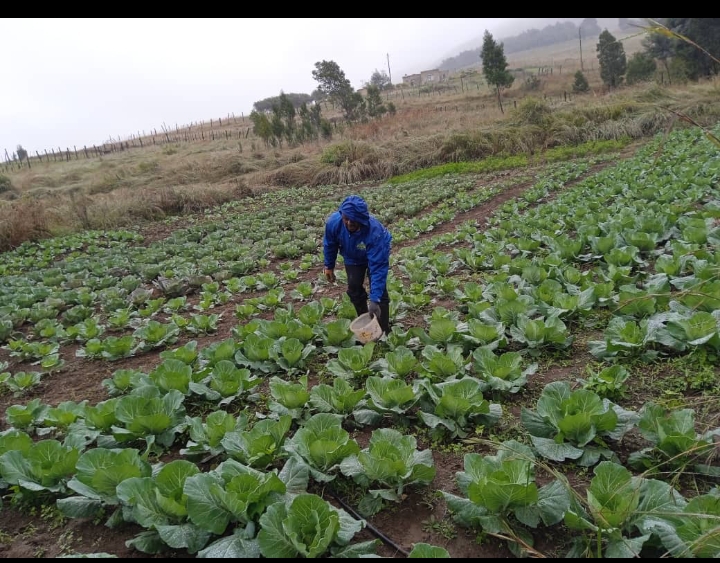
Siyabonga Dlamini in the field, nurturing cabbages.
BY PHESHEYA KUNENE – EDITOR
HAWANE – At just 22, Siyabonga Dlamini has built a structured agribusiness supplying vegetables and seedlings to major supermarkets, positioning himself among a new generation of commercially driven farmers in Eswatini.
Operating from Hawane near Ngwenya, Dlamini is the Founder and Director of Kholoza Farm Produce, an enterprise he launched in early 2024. In less than two years, the young agripreneur has transitioned from a start-up operation into a reliable supplier, leveraging climate-smart farming systems to meet the growing demand for consistent, high-quality fresh produce.
Dlamini’s background combines practical agriculture, business development and environmental sustainability. A graduate of B.S.A Training Centre, he further strengthened his technical expertise through a Certificate in Tunnel Production from the Women Farmer Foundation in partnership with the Smallholder Development Company. His innovation and impact were recognised nationally when he won the 2025 MTN Cijange Buzinisi Award.
“I do not see farming as just production, it is a business that must be structured, efficient and responsive to the market,” Dlamini said.
At the core of Kholoza Farm Produce is a vertically integrated model that combines vegetable production with seedling propagation. By producing his own seedlings, Dlamini maintains control over crop quality from the earliest stage, reducing input risks while improving consistency in output.
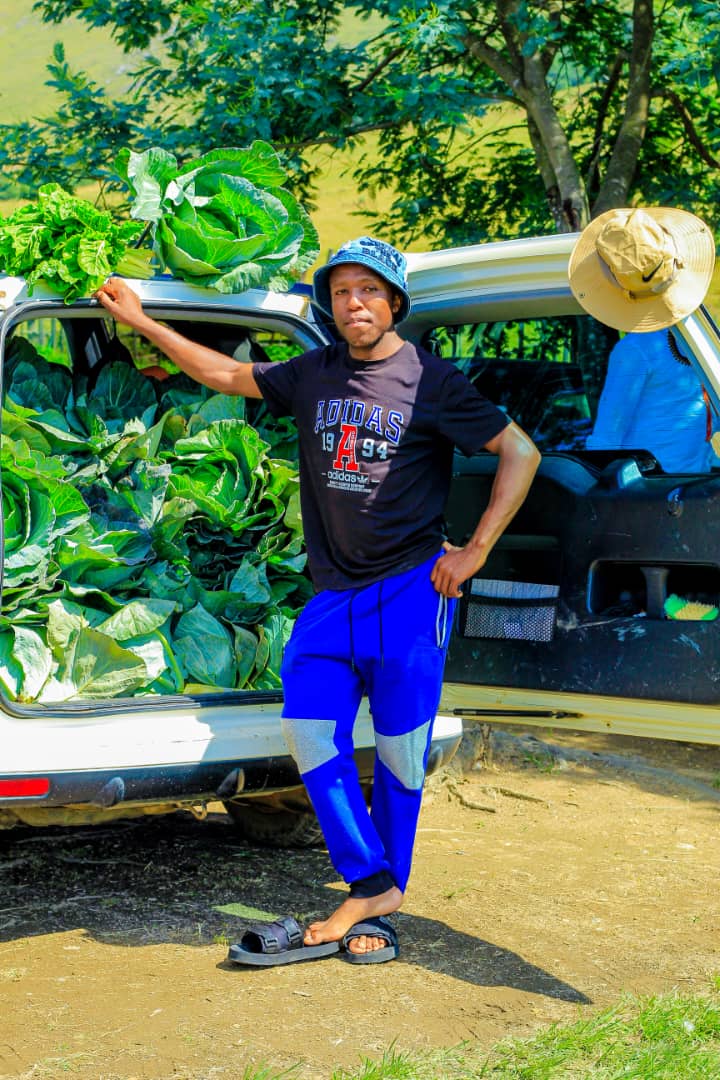
Cabbages ready for the market.
His operation is anchored on greenhouse tunnel production, supported by smart irrigation systems and disciplined record-keeping. These climate-smart practices have allowed him to produce throughout the year, even as erratic weather patterns continue to disrupt traditional rain-fed farming systems.
“Climate change has forced us to think differently. Moving into controlled environments like tunnels and improving water efficiency has helped me stabilise production and supply markets consistently,” he explained.
This approach is increasingly relevant in Eswatini, where climate variability, rising input costs and market uncertainties continue to constrain smallholder productivity. By shifting away from reliance on rainfall, Dlamini has positioned his business to mitigate risk while maintaining supply to formal retail markets.
However, the journey has not been without challenges. He cites unpredictable weather, high input costs and limited access to structured markets as key constraints. These pressures have tested both production and profitability, particularly for young entrants into the sector.
Dlamini said resilience and adaptability have been critical.
“I had to invest in systems that reduce risk and improve efficiency. Planning, record-keeping and understanding my numbers have helped me make better decisions and sustain the business.”
Beyond production, Kholoza Farm Produce is also emerging as a support node for other farmers through the supply of quality seedlings. This dual role not only diversifies revenue streams but also contributes to improving productivity across the broader farming community.
His business philosophy is rooted in discipline and market awareness. “Start small, but start with a plan. Focus on quality before quantity, and understand your market before you plant. Farming without a business mindset limits growth,” he advised.
Looking ahead, Dlamini plans to expand his operation through additional greenhouse tunnels, improved irrigation infrastructure and increased land utilisation. He is also targeting stronger market linkages through formal contracts and retail partnerships.
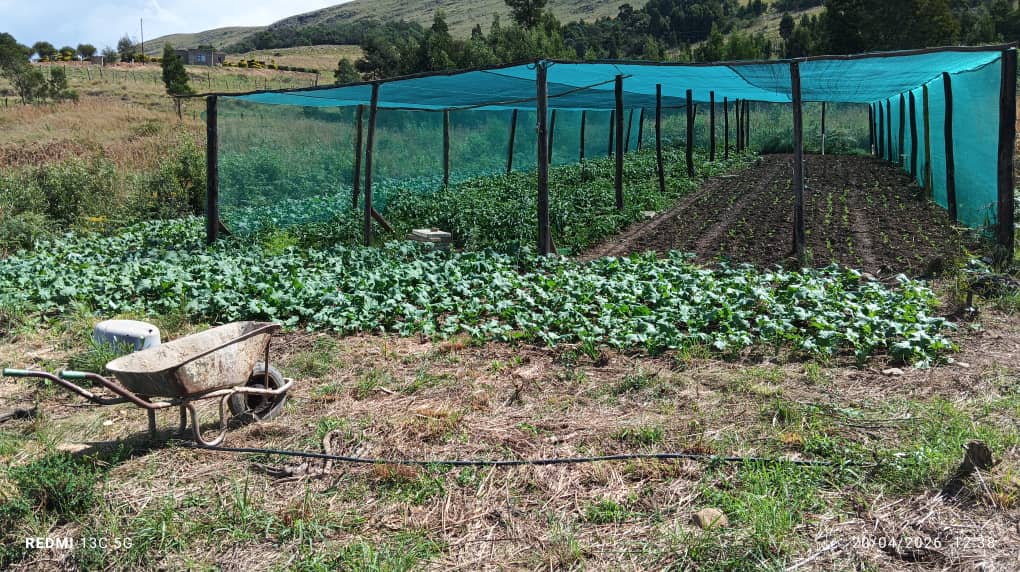
A field where Siyabonga plants his vegetables.
His long-term vision is to position Kholoza Farm Produce as a leading supplier of vegetables and seedlings in Eswatini, while contributing to food security, job creation and the development of a more resilient agricultural sector.
In a landscape where agriculture is increasingly defined by efficiency, adaptability and market alignment, Dlamini’s model reflects a shift towards commercially oriented, climate-smart farming, offering a blueprint for youth-led agribusiness in Eswatini.