

BY PHESHEYA KUNENE – EDITOR
MDZANGWINI – Cattle farmer Emmanuel Mkhatshwa wakes up most mornings with a lingering fear that his kraal might have grown emptier overnight. For him, livestock farming has shifted from being a reliable source of livelihood into a constant gamble against organised criminal networks that continue to terrorise farmers across Eswatini.
Mkhatshwa’s ordeal stretches over a decade. His first major loss occurred in 2012 when seven cattle belonging to his late mother disappeared while grazing. The animals were valued at approximately E70 000. The theft, which happened while his mother was still alive, marked the beginning of a painful journey that would later intensify.
A decade later, in 2022, Mkhatshwa suffered another devastating blow when three of his own cattle were stolen, valued at about E45 000. The combined losses of E115 000 have left deep emotional and financial scars.
He explained that the repeated thefts discouraged him from fully investing in livestock farming. Mkhatshwa stated that livestock theft destroys farmers’ growth prospects because returns on investment become uncertain. He further observed that stock theft places additional strain on consumers as beef and related products become increasingly expensive.
Mkhatshwa’s story reflects a much broader national crisis. Livestock theft in Eswatini has escalated into a sophisticated and highly organised criminal activity that continues to threaten rural livelihoods and food security. Reports indicate that between January and October 2025 alone, livestock valued at more than E20.5 million was stolen nationally. The stolen animals included approximately 1 689 cattle valued at over E17.3 million.
Earlier statistics reveal that in 2023, an estimated 1,815 cattle worth about E15 million were stolen, with many believed to have been smuggled across international borders. The situation intensified further between April and June 2024 when about 1,325 livestock, including 582 cattle and 743 goats valued at approximately E6.5 million, were stolen. Recovery efforts during that period managed to retrieve livestock worth only about E1.47 million, highlighting the operational strength of organised theft syndicates.
Veterinary Officer Luyanda Khumalo further warned that the livestock theft crisis continues to tighten its grip on the country’s agricultural backbone.
Khumalo stated that livestock theft remains a significant national concern, directly affecting farmers’ livelihoods and threatening Eswatini’s food security. Khumalo noted that the economy has already suffered estimated losses of about E6.5 million in recent years due to stock theft.
He explained that the ripple effects extend far beyond stolen animals, highlighting reduced investment in livestock farming as producers grow hesitant to expand herds under rising risks. Khumalo added that farmers are now forced to absorb additional costs by strengthening security systems, while government also faces increased operational expenses in combating organised stock theft.
He warned that the continued decline in herd sizes could trigger food supply disruptions and deepen the country’s dependence on imported beef products.
Khumalo revealed that several interventions are being developed to counter the growing crisis. He explained that authorities are working towards introducing a digital livestock tracking system designed to allow real-time monitoring of animals through advanced technological features.
He added that collaborative law enforcement strategies remain central to the fight, noting that the Royal Eswatini Police Service is working closely with farmers, the Ministry of Agriculture and the Umbutfo Eswatini Defence Force to dismantle stock theft networks. Khumalo also stressed the importance of community participation, urging farmers and rural residents to report suspicious activities and avoid protecting or concealing offenders within their communities.

The economic implications stretch beyond individual farmers. Livestock farming remains a cornerstone of rural wealth, household income, and national food security. Reduced herd sizes caused by theft weaken local beef production and increase reliance on imported meat products.
Eswatini’s beef industry has historically maintained competitive export performance, with beef export prices rising from approximately US$6.88 per kilogram in 2017 to over US$7 per kilogram in recent years. However, industry analysts warn that continued livestock theft could threaten export stability while increasing dependence on imported beef products sourced from countries such as Botswana, Namibia, Brazil, Argentina, and Australia.
Law enforcement agencies have intensified operations to combat the crime. Umbutfo Eswatini Defence Force Communications Officer Sandile Gwebu confirmed that security forces remain committed to intercepting livestock smuggling attempts. Gwebu stated that the army continues to disrupt cattle rustling syndicates that attempt to transport stolen animals across national borders.
Recent operations demonstrate the scale of enforcement efforts. In Dwalile, suspected smugglers reportedly fled after encountering UEDF troops, abandoning eight cattle valued at approximately E80 000. The animals were safely returned to their owners.
The Royal Eswatini Police Service has also recorded several successful recovery operations. In February 2026, officers at Luhlendlweni Police Post recovered eight cattle that had been reported stolen days earlier. In January 2026, security forces intercepted 18 cattle bearing Swazi brands in Mayflower, South Africa, confirming the cross-border nature of stock theft syndicates.
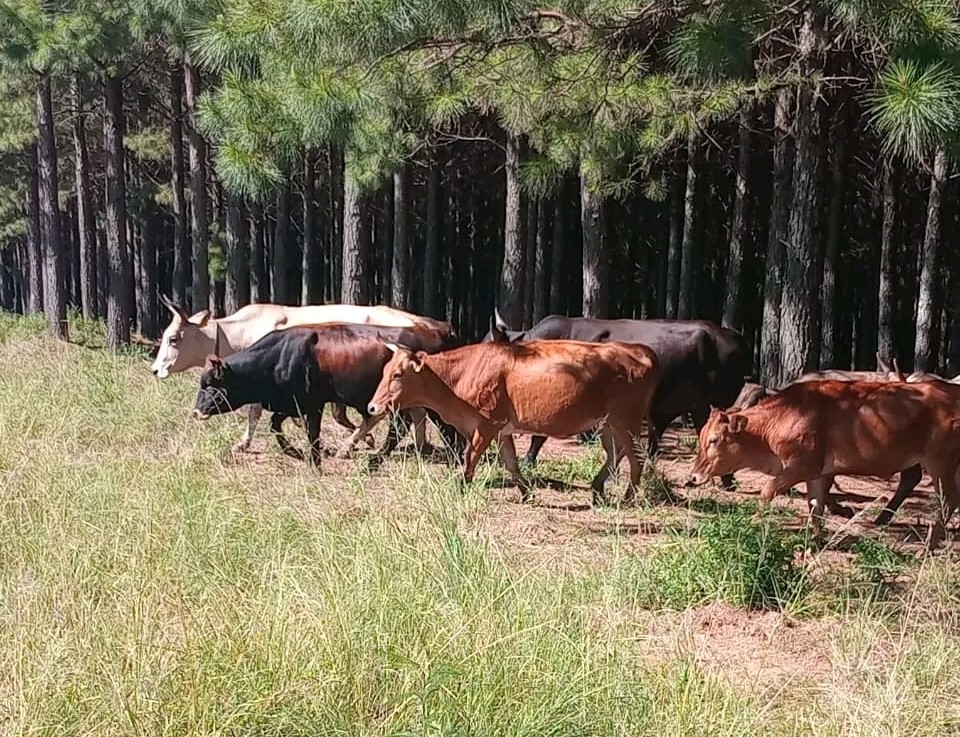
Police reports indicate that livestock theft occurs almost daily across various regions, with Shiselweni, Manzini, and Hhohho frequently identified as hotspot areas. Criminal syndicates often exploit porous borders and target livestock left grazing unattended. In some cases, thieves slaughter animals on site and transport the meat, while in others, they drive live animals across neighbouring borders for illegal resale.
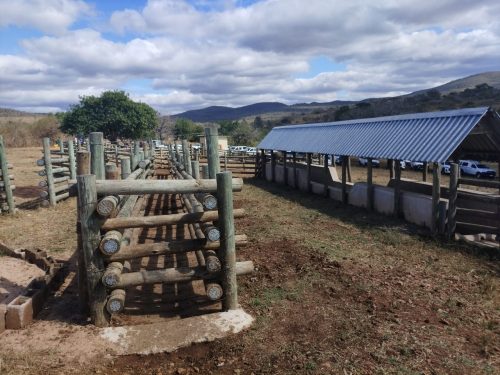
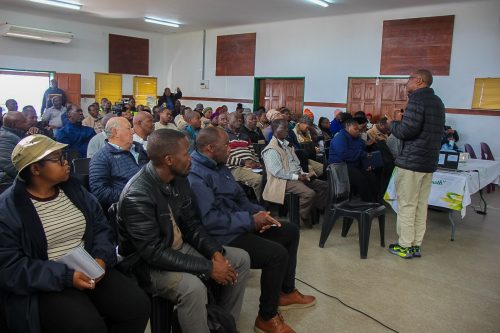
Authorities have intensified awareness campaigns, urging farmers to strengthen kraal security, brand livestock, and collaborate through community policing forums. Law enforcement agencies are also encouraging farmers to adopt technology such as microchips, GPS tracking devices, and surveillance drones to improve livestock monitoring.
Despite these interventions, experts argue that legislative frameworks such as the Stock Theft Act of 1982 require urgent review to address modern organised crime patterns. Regional cooperation between Eswatini and neighbouring countries, particularly South Africa, continues to play a critical role in tracking and recovering stolen livestock.
Across Southern Africa, livestock theft has emerged as a shared challenge affecting agricultural sustainability. Countries such as Lesotho, Botswana, and South Africa have reported similar trends involving cross-border syndicates, prompting increased collaboration through regional policing structures and INTERPOL initiatives.
For farmers like Mkhatshwa, however, the statistics remain deeply personal. Every stolen animal represents years of investment, family heritage, and future security slipping away. While security forces continue to tighten their grip on criminal networks, rural communities remain cautious, aware that livestock theft is not merely a criminal act but a threat to the backbone of Eswatini’s agricultural economy.
As authorities strengthen enforcement and farmers adopt modern security measures, the future of livestock farming in Eswatini will depend on sustained collaboration between government, law enforcement agencies, and rural communities determined to protect their herds and livelihoods.