
BY PHESHEYA KUNENE| EDITOR
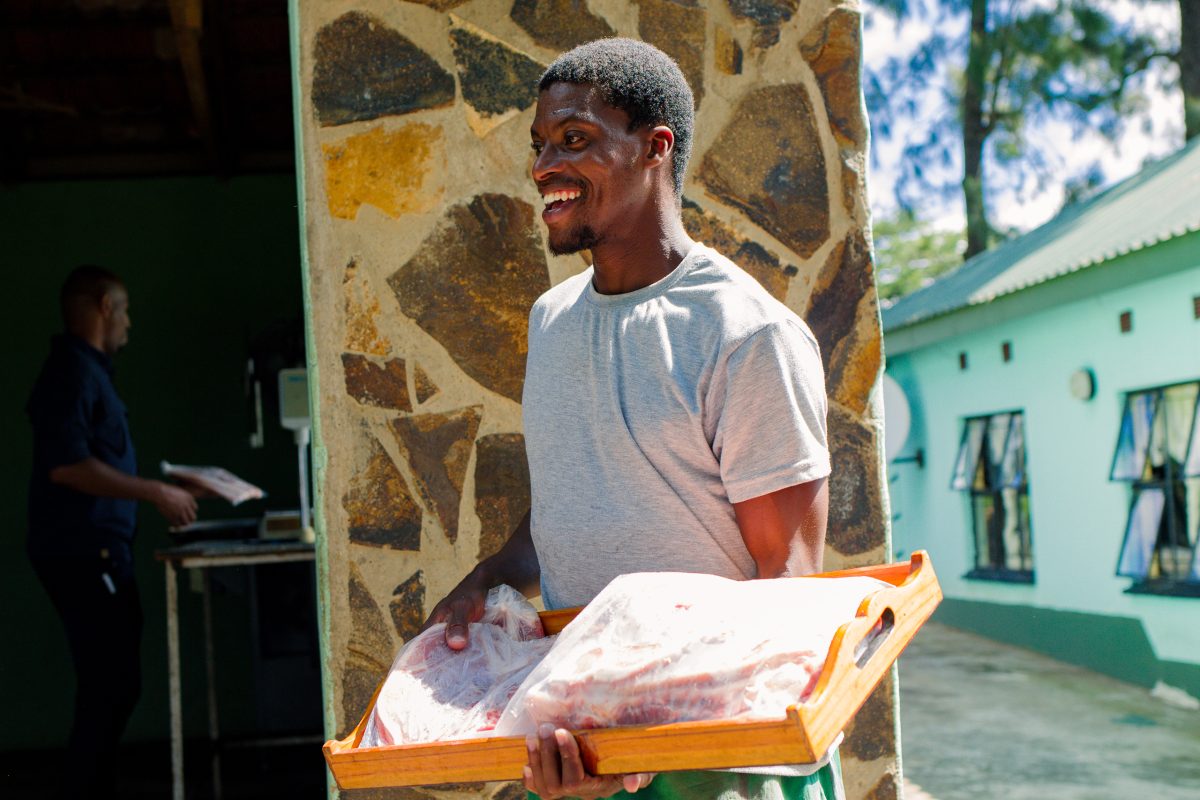
SITEKI – When Mathokoza Kunene moves between the pens of his piggery in Moyeni, he is doing more than feeding livestock. He is rebuilding a family legacy, restoring a collapsed agribusiness dream, and proving that youth-led agriculture can reshape rural economies.
At 33, Kunene has become one of Lubombo’s emerging pig farmers, reviving a piggery once run by his late father. His journey reflects both resilience and the persistent structural challenges confronting small-scale livestock farmers in Eswatini.
From Academic Setbacks to Agricultural Purpose
Kunene’s path into agribusiness began at a personal turning point. After completing school and tertiary studies, he realised academic results had not aligned with his ambitions. Instead of retreating, he returned to the industry that defined his upbringing.
Raised in a farming family, Kunene grew up watching both his grandmother and father run pig enterprises. His father established the family piggery in 2001, supplying butcheries, including Shamrock, with over 60 porkers monthly.
When illness struck his father, business revenue was diverted toward medical expenses. The piggery and a newly opened butchery collapsed under financial strain, leaving behind infrastructure and an unfinished dream.
Determined to rebuild, Kunene secured E46 000 from the Youth Enterprise Revolving Fund in 2025 to relaunch the operation. The funding allowed him to purchase piglets and growers, laying the foundation for his growing agribusiness.
Rebuilding the Business
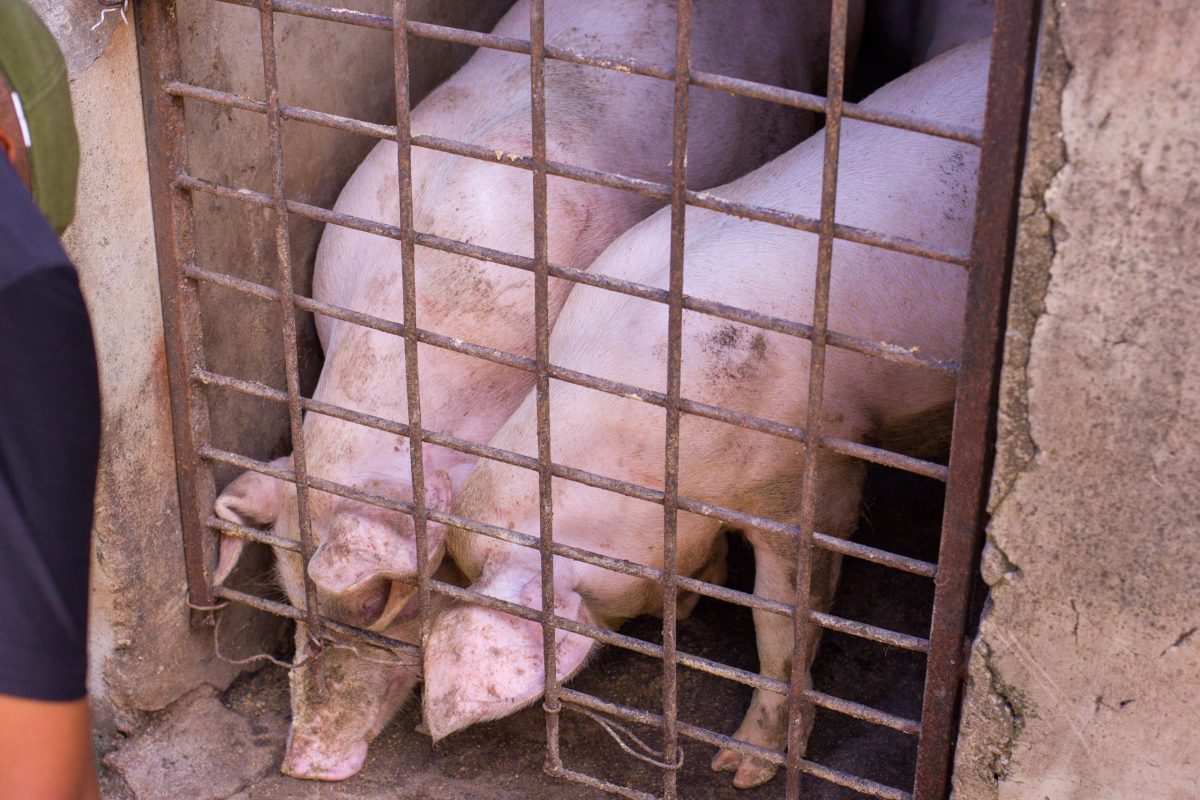
Operating from the family compound, Kunene transformed existing infrastructure into a working piggery and small-scale abattoir. A former car garage now functions as a slaughter facility, allowing him to manage production, processing, and packaging within one value chain.
He started with 20 piglets and steadily expanded his herd. His pork sells at E70 per kilogram and E350 for five kilograms, attracting buyers from Moyeni, Siteki, and surrounding communities.
Initially, the business focused on festive season demand. Kunene has since shifted to year-round production to stabilise income and strengthen supply reliability.
Agricultural analysts note that such continuous production models help emerging farmers reduce seasonal income risks and respond to modern consumer demand.
Knowledge Beyond Farming
Kunene has also built a reputation as a mentor. Before relaunching his own farm, he rented out the piggery to aspiring farmers while offering guidance on breeding, feed formulation, and farm management.
He credits Lusundvu Agricultural Academy for strengthening his technical knowledge and supplying quality piglets.
His customised feeding programme has become a defining strength, contributing to improved meat quality and market demand. Experts emphasise that feed management remains central to profitability and animal health in modern pig production.
Theft Threatens Growth
Despite steady progress, stock theft has emerged as Kunene’s greatest challenge.
In December 2025, thieves stole three pigs from his first production stock. In January 2026, criminals returned and stole three more, raising total losses to six pigs valued at over E20 000.
Kunene explained that each pig represents months of investment in feed, labour, and breeding. Losing animals disrupts production cycles and weakens business growth.
Across SADC, stock theft has become increasingly organised, exploiting porous borders and weak traceability systems. In Eswatini, the crime threatens rural livelihoods and discourages youth participation in agriculture.
Kunene is now strengthening farm security by welding piggery structures, installing surveillance cameras, and introducing guard dogs. These measures improve protection but increase operational costs for small-scale farmers.
Disease Pressures Add to Strain
Kunene is also battling Foot and Mouth Disease (FMD), which has restricted livestock movement and trade nationwide. The outbreak has limited his ability to supply broader domestic markets and explore export opportunities.
Veterinary authorities continue enforcing strict biosecurity controls, but these restrictions often slow growth for emerging farmers.
Industry analysts warn that disease management remains a key factor in livestock competitiveness across Southern Africa, where regional meat trade depends heavily on strict health compliance.
Youth Driving Agricultural Change
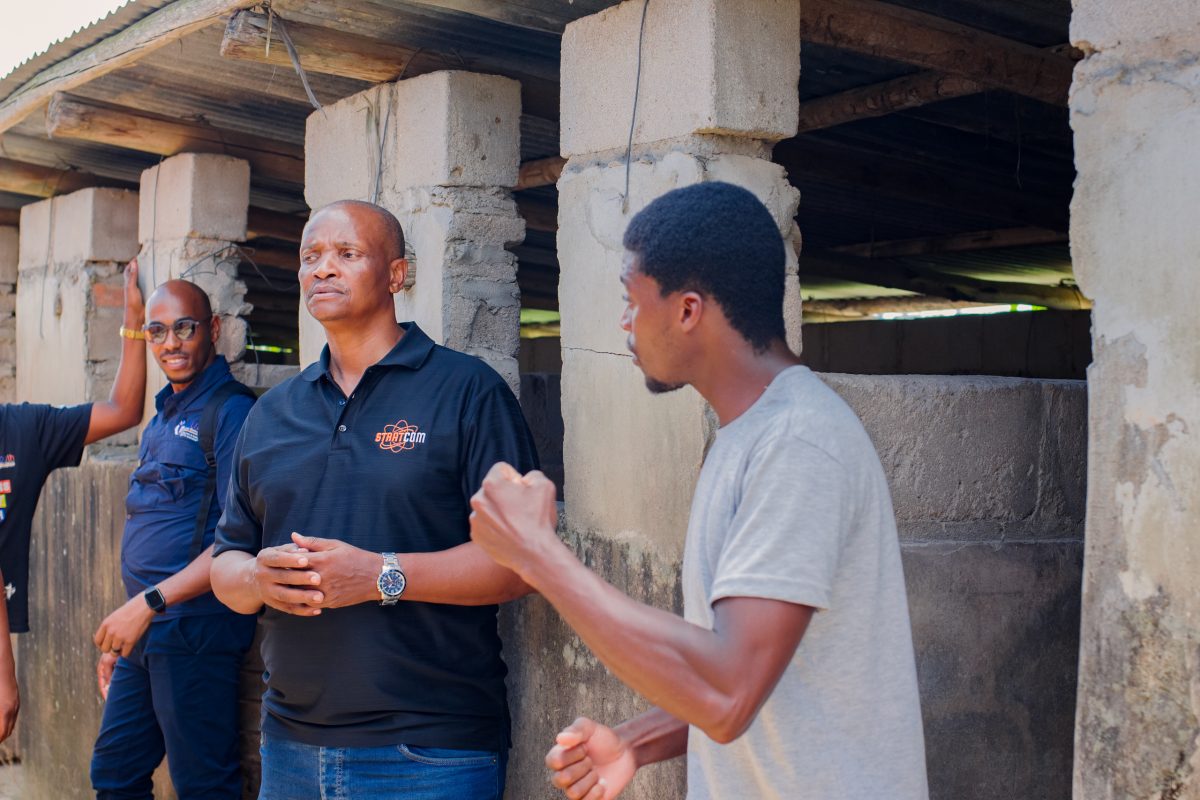
Kunene represents a growing generation of young farmers redefining agriculture through business-driven strategies. His goal extends beyond preserving his father’s legacy. He plans to expand production, access regional markets, and build a recognised commercial piggery brand.
He draws inspiration from award-winning entrepreneur Duncan Dlamini, whose success demonstrates the profitability of structured livestock enterprises.
Kunene is also exploring digital marketing platforms to expand market reach, reflecting a rising trend among youth farmers embracing technology.
Farming as a Generational Investment
Livestock farming remains central to Eswatini’s rural economy, supporting employment, food security, and cultural traditions. The rise of young farmers signals renewed confidence in agriculture as a viable economic sector.
Kunene continues encouraging youth to pursue farming through research, mentorship, and collaboration. He believes agriculture requires patience and long-term commitment rather than quick financial returns.

Building Beyond Legacy
Standing beside his growing herd, Kunene represents a new generation transforming inherited knowledge into modern agribusiness. His story blends heritage, resilience, and entrepreneurship.
While stock theft and disease outbreaks remain serious threats, Kunene’s revival of his family piggery highlights the potential of youth-driven agriculture in Eswatini.
For him, preserving his father’s legacy is only the beginning. His greater ambition is to expand it into a thriving enterprise capable of feeding communities, creating jobs, and inspiring future agricultural entrepreneurs.