
BY: SIKHONA SIBANDZE | JOURNALIST
Manzini – The Woman Farmer Foundation (WFF) is strengthening support for four Neighbourhood Care Points (NCPs) in Eswatini through its Women for Zero Hunger project, an initiative aimed at improving food security for children while empowering caregivers and guardians, particularly women, to build sustainable livelihoods.
The project, which began operating last year, is being implemented at four care points, with two located in the Shiselweni area and two in Methula Constituency (Inkhundla). It supports guardians who grow food that is cooked and served at the NCPs, helping ensure that vulnerable children have access to consistent and nutritious meals.
“This support is strengthening the caregivers’ ability to boost food security and nurture sustainable livelihoods,” said Sebenele Zwane, Programmes Officer at WFF. “Together we are planting hope, resilience, and ensuring that communities thrive and no child is left hungry through collaboration and inclusive growth for future generations.”
Recently, WFF has expressed gratitude to WIA Philanthropy for its generosity in supporting the four NCPs under the Women for Zero Hunger project. The organisation says the partnership has provided a critical boost to the programme’s work on the ground, reinforcing WFF’s broader commitment to community-led development and inclusive growth.
Implementation is being carried out in collaboration with Young Heros and TAVI, with partners working hand in hand to support caregivers and guardians to increase local food production, strengthen nutrition, and improve overall sustainability at the care points.
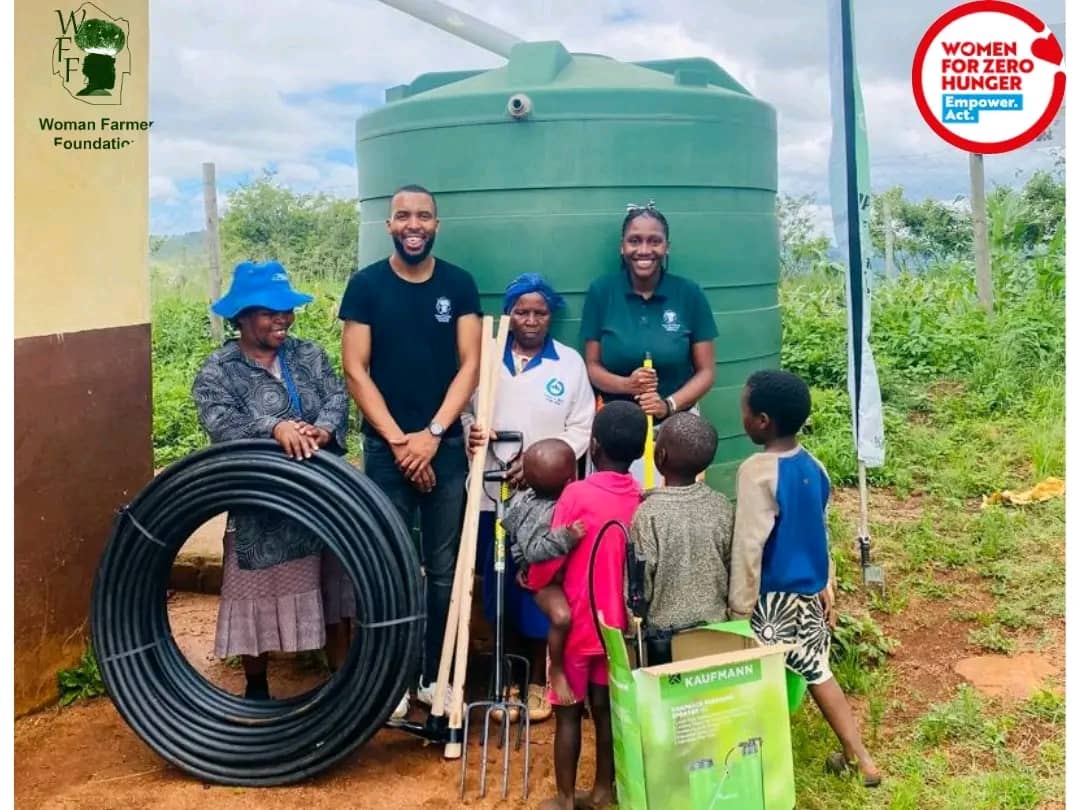
One of the beneficiaries, Selina Ngcamphalala, a committee member at a care point in Zombodze Inkhundla, said the project is already making a meaningful difference. “This initiative is going to benefit us a lot, especially in supporting us with necessities for managing the farm such as fertilizers and farm tools,” Ngcamphalala said. “It also helps us provide nutritious food for orphaned children at the care point. We started last year as a group of eight members, and the support we are receiving is strengthening us to work better together and improve production.”
Building on progress made since the project’s launch, WFF is now preparing an action plan for this year to deepen impact at the four care points. The plan includes establishing nurseries, planting climate-resilient fruit trees, installing shade nets to protect crops and improve yields, and introducing income-generating projects for women involved in the care points, linking food security with long-term household resilience.
WFF also provided direct support to caregivers late last year. In December, the organisation donated farming tools, including hoes, to women who previously had to bring tools from home, support intended to reduce strain and help work in the gardens move faster and more efficiently.
As it scales up these interventions, WFF says it is seeking to further strengthen its partnership with WIA Philanthropy this year to help achieve the next phase of goals under the Women for Zero Hunger project, ensuring that more communities move closer to sustainable food security and resilience.