BY SIBUSISO MNGADI | EDITOR-IN-CHIEF
For more than 30 years, Sydney Kunene has quietly pursued a vision that remains ahead of its time in Eswatini: farming that protects human health, preserves the environment, and sustains productivity without over-reliance on synthetic chemicals.
As Director of Agric Organics, Kunene has positioned himself as one of the country’s earliest advocates for organic farming inputs—long before the term became fashionable in local agricultural discourse.
A Philosophy Rooted in Health and Sustainability
Kunene’s pursuit of organic farming is grounded in a simple but powerful philosophy: agriculture must be safe for people and the planet. He argues that organic fertilisers and pesticides are not merely alternatives, but necessities for long-term food security and environmental resilience.
“Organic foods are safe for the environment and for human life,” Kunene explains, noting that developed economies have increasingly embraced organic agriculture as a standard rather than a luxury. In contrast, Eswatini and much of the region remain heavily dependent on synthetic farm inputs—largely due to cost pressures and limited awareness New Recording 7_otter_ai.
Despite this reality, Kunene sees promise in a new generation of young, educated farmers who are beginning to adopt organic methods. His goal, he says, is to grow this population steadily as incomes rise and farmers become more conscious of health and sustainability considerations.
Academic Foundation Meets Commercial Vision
Kunene’s credibility in the sector is underpinned by a strong academic background. He holds a certificate, diploma, and degree in agriculture, complemented by postgraduate qualifications in business, development finance, and management—a rare combination that allows him to bridge science with enterprise.
“My passion was always agriculture,” he says. “But I wanted to commercialise it—to strengthen the business side of farming inputs and services.”
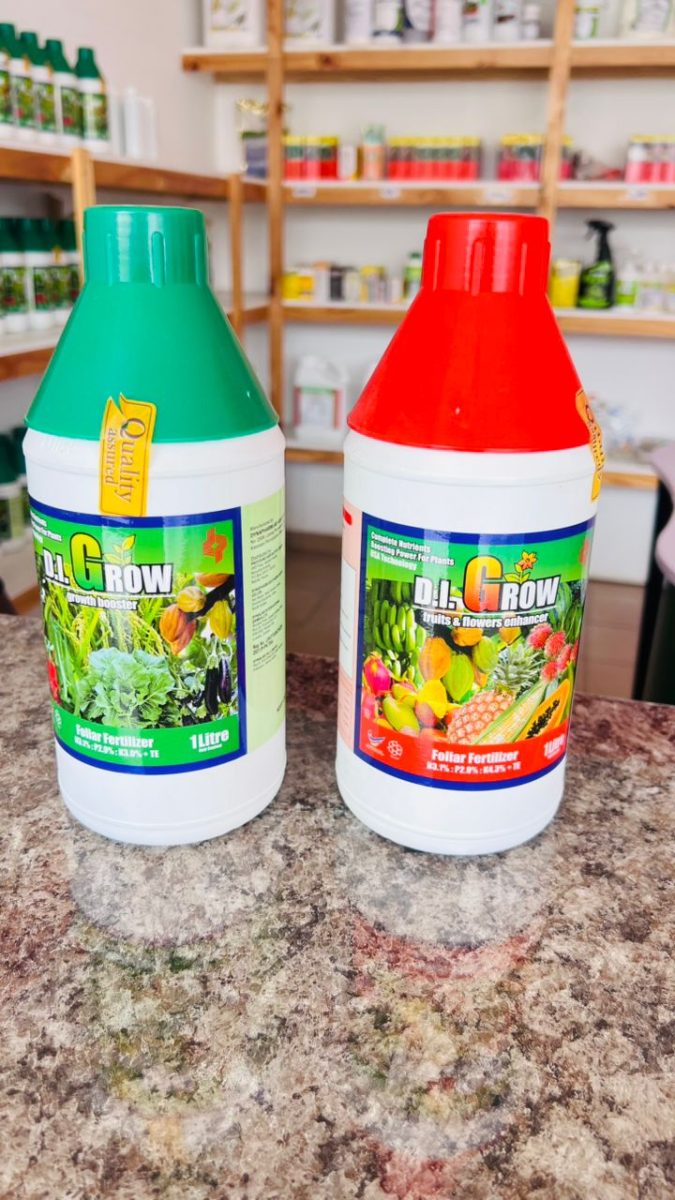
This dual focus shaped the evolution of his enterprise. Agric Organics initially operated within the conventional chemical inputs space before gradually transitioning toward organic fertilisers and products as Kunene expanded his range and aligned the business with his long-held values New Recording 8_otter_ai.
Inspired by Global Markets, Committed to Local Farmers
Kunene’s conviction was reinforced through exposure to global agricultural trends. While studying and working in the sector, he observed the rapid growth of organic farming in the European Union and the success of countries such as Kenya, whose organic green beans gained strong footholds in EU markets.
These experiences convinced him that Eswatini, too, could benefit from organic production—both for domestic consumption and future export potential—if the right support systems were in place New Recording 8_otter_ai.
Challenges of Being Ahead of the Curve
Introducing organic farm inputs in Eswatini was not without obstacles. Kunene recalls early challenges related to application methods, limited equipment among farmers, and a lack of institutional capacity to test and certify organic products.
At one point, his products remained on government shelves for nearly five years due to the absence of laboratory testing infrastructure and regulatory clarity. While discouraging, these delays did not derail his mission. Today, he notes, there are renewed commitments by authorities to conduct trials and assess organic inputs using international benchmarks, including data from Spain New Recording 8_otter_ai.
Building for the Long Term
Now three decades into his journey, Kunene remains pragmatic yet optimistic. While he acknowledges that affordability still drives many farmers’ decisions, he believes that awareness around health, soil regeneration, and climate resilience will continue to shift behaviour over time.
For Kunene, organic farming is not a trend—it is a long-term investment in Eswatini’s agricultural future.
“As the economy improves,” he says, “more farmers will take this road.”